

Key Highlights
- Corporate video production services help you create video content that informs, engages, and supports clear business goals.
- A professional corporate video production approach covers planning, filming, editing, and final delivery.
- Common types of corporate videos include explainer, testimonial, training, and brand story videos.
- A strong production process makes video marketing easier, faster, and more organised.
- The right distribution channels help your content perform across websites, social media, and other platforms.
- Working with an experienced production company can improve brand awareness and support measurable results.
Introduction
If your business wants clearer messaging and better engagement, corporate video production services can help. A good corporate video production company turns ideas into useful video content that supports brand awareness, internal communication, and marketing campaigns. For many businesses, the real challenge is not whether to use video, but how to create it well and distribute it properly.
Understanding Corporate Video Production Services

Corporate video production services usually include the full video production process from idea to final product. That can cover content planning, scriptwriting, filming, editing, animation, motion graphics, and video marketing support. A video production agency may also help you shape a brief by asking simple questions about who the target audience is, what the message should be, and how the video will be used.
In practice, your production team is there to make the work easier. Burninghouse, a Melbourne-based production company, offers end-to-end video production services, including corporate videography, branded content, animation, web video production, and TV commercial production. That full support matters when your team needs speed, structure, and a clear path to final delivery.
Popular Types of Corporate Videos
There are many types of corporate videos, and each one solves a different business problem. Some are built to boost engagement in marketing campaigns, while others help internal audiences learn faster or stay aligned.
Common examples include testimonial videos, explainer videos, brand story videos, training videos, event videos, case studies, and social media content. The best choice depends on your business goals, your audience, and the platforms where you plan to share the final video.
Promotional and Brand Story Videos
Promotional videos are designed to capture attention and move people to act. They work well when you want to build brand awareness, support a launch, or improve response on social media and other digital platforms.
Brand story videos go a step further. They focus on your brand identity and your brand’s story, helping viewers understand what your business stands for and why it matters. This creates stronger emotional engagement than a simple sales message.
A clear use case is branded content for a multifaceted business that needs to explain itself in an authentic way. In that setting, real stories and a compelling story can help build trust and leave a lasting impression.
Training, Internal Comms, and Safety Videos
Not every video is for customers. Training videos, safety videos, and internal communication pieces help your team learn, stay informed, and follow the same process across a large team.
These videos are useful for internal audiences because they make complex ideas easier to understand. People often retain more from video content than from plain text, which is helpful for education and repeat viewing.
They also support company culture. A simple internal comms video can share updates, explain changes, or reinforce expected behaviours more humanly. That makes professional corporate video production valuable beyond marketing alone.
The Corporate Video Production Process in Australia
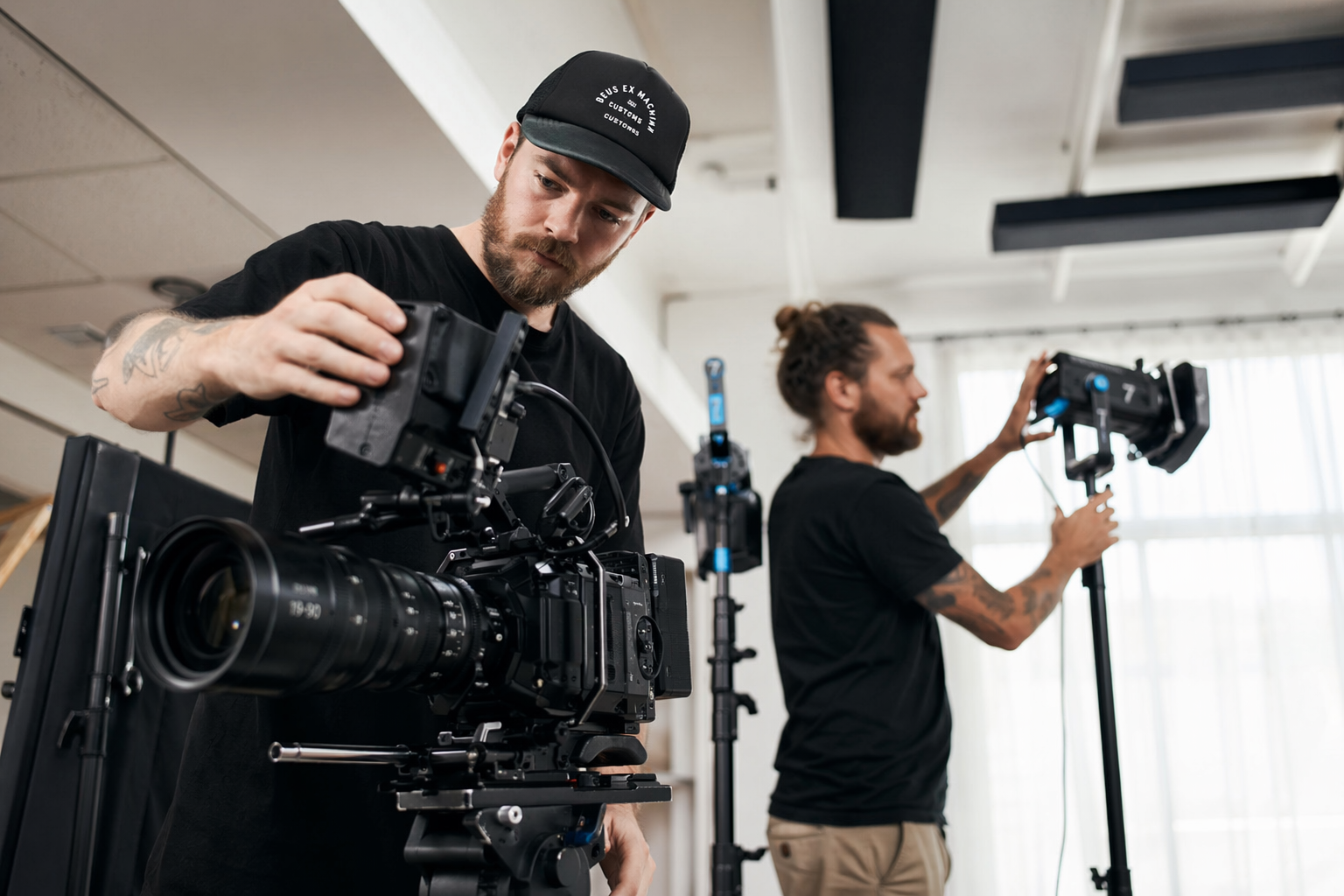
The typical production process starts with a clear brief, then moves through planning, filming, editing, and final delivery. A skilled video production team keeps each stage linked to your business goals, so the work stays practical, not just creative.
In Australia, many businesses look for a production company that can handle everything in one place. That matters when you need a smooth process, quicker turnaround, and content built for different platforms. The next two sections break that down.
Planning and Scriptwriting: Turning Ideas into Structure
Yes, many teams help with scriptwriting and content planning before the camera starts rolling. This is often where a strong corporate video production company adds the most value, because loose ideas need structure before they become useful video content.
A practical way to begin is with three simple questions: Who is the audience? How should the message feel? What should the viewer do next? That approach keeps the creative process focused and helps protect your brand voice.
For example, Burninghouse offers storyboard and content strategy sessions to shape direction early. That can reduce confusion, shorten revisions, and make the final video clearer for both marketing and internal communication.
Filming On-Location or In-Studio: What to Consider
Yes, filming can happen on-location at your workplace or in-studio, depending on the project. A camera operator and wider production team will choose the setup that best matches the message, schedule, and look you need.
On-location filming works well when you want authentic content from real business locations. It can show your people, workspace, or operations in a natural way, which helps with trust and realism.
In-studio production is often better for controlled sound, lighting, and repeatable setups. If your video includes motion graphics, product messaging, or polished presentations, a studio approach can support a cleaner final product.
Working with a Corporate Video Production Company
Choosing among video production companies can feel difficult if many offer similar services. The difference often comes down to process, communication, and whether the production company understands your business well enough to simplify the work.
A reliable corporate video production company should show industry experience, listen carefully, and build content around real business goals. That matters whether you need brand videos, internal comms, event video production in Melbourne, or support from animation studios in Melbourne.
How to Choose the Right Video Partner for Your Business
A short answer: choose a team that understands your message, your audience, and how the video will be used after launch. A good production team is not just there to shoot footage. It should guide decisions that affect performance.
Look for signs that the partner can handle both production and strategic distribution. That is especially useful if you want content for social platforms, websites, case studies, and wider video marketing.
- Ask if they have relevant industry experience.
- Check whether they take the time to understand the company culture.
- See if they support planning, filming, editing, and distribution channels.
- Review whether their process feels clear and easy to follow.
Questions to Ask Before You Start Your Project
Before you begin, ask direct questions that reduce surprises later. This helps you align the production process with your business goals and avoid a final video that looks fine but does not perform well.
You also need clarity on how the video production team will adapt content for different platforms. A LinkedIn clip, website explainer, and internal training asset may all need different versions from the same raw footage.
- What result should this video achieve?
- Who is the target audience?
- Which distribution channels matter most?
- Will we need cuts for different platforms?
- What does the review and final delivery process look like?
Costs, Timelines, and ROI of Corporate Video Production Services
Cost and timing vary based on the video production scope. Simple social clips, animated explainers, and large branded pieces each require different levels of planning, filming, editing, and review. Businesses should focus on project factors over flat pricing. ROI is seen in stronger brand awareness, better engagement, and clearer communication.
| Project Factor | Impact on Cost, Timeline, and ROI |
| Scriptwriting & Planning | Upfront effort improves clarity and reduces revisions |
| On-Location Filming | Adds coordination but delivers authentic business content |
| Animation & Motion Graphics | Clarifies complex ideas; boosts understanding and retention |
| Multi-Platform Edits | Maximises assets for broader distribution |
| Final Delivery Requirements | Extra versions may extend timelines but increase reach and utility |
Conclusion
In conclusion, corporate video production is a valuable asset for any business seeking to improve communication, branding, and engagement. Understanding the types of videos and the production process helps you effectively showcase your brand’s story and values. Choosing the right partner ensures a smooth experience and maximises your investment. Well-produced videos can elevate your brand and deepen audience connections.
Frequently Asked Questions
Can a corporate video production company help with content planning and scriptwriting?
Yes. A corporate video production company can support content planning and scriptwriting before filming begins. This helps the production team shape the creative process, organise ideas, protect your message, and build a clearer video from the start.
How long does it usually take to produce a corporate video?
Timelines vary based on the production process, review stages, filming needs, and editing complexity. A corporate video production company will usually map this out early, so your video production team can manage approvals and deliver the final video smoothly.
Are corporate video production services available for businesses in all locations?
Yes, many projects can be created at different business locations through on-location filming. A production company can also prepare content for multiple distribution channels, which makes professional corporate video production useful for businesses with varied teams, audiences, and operating areas.



