
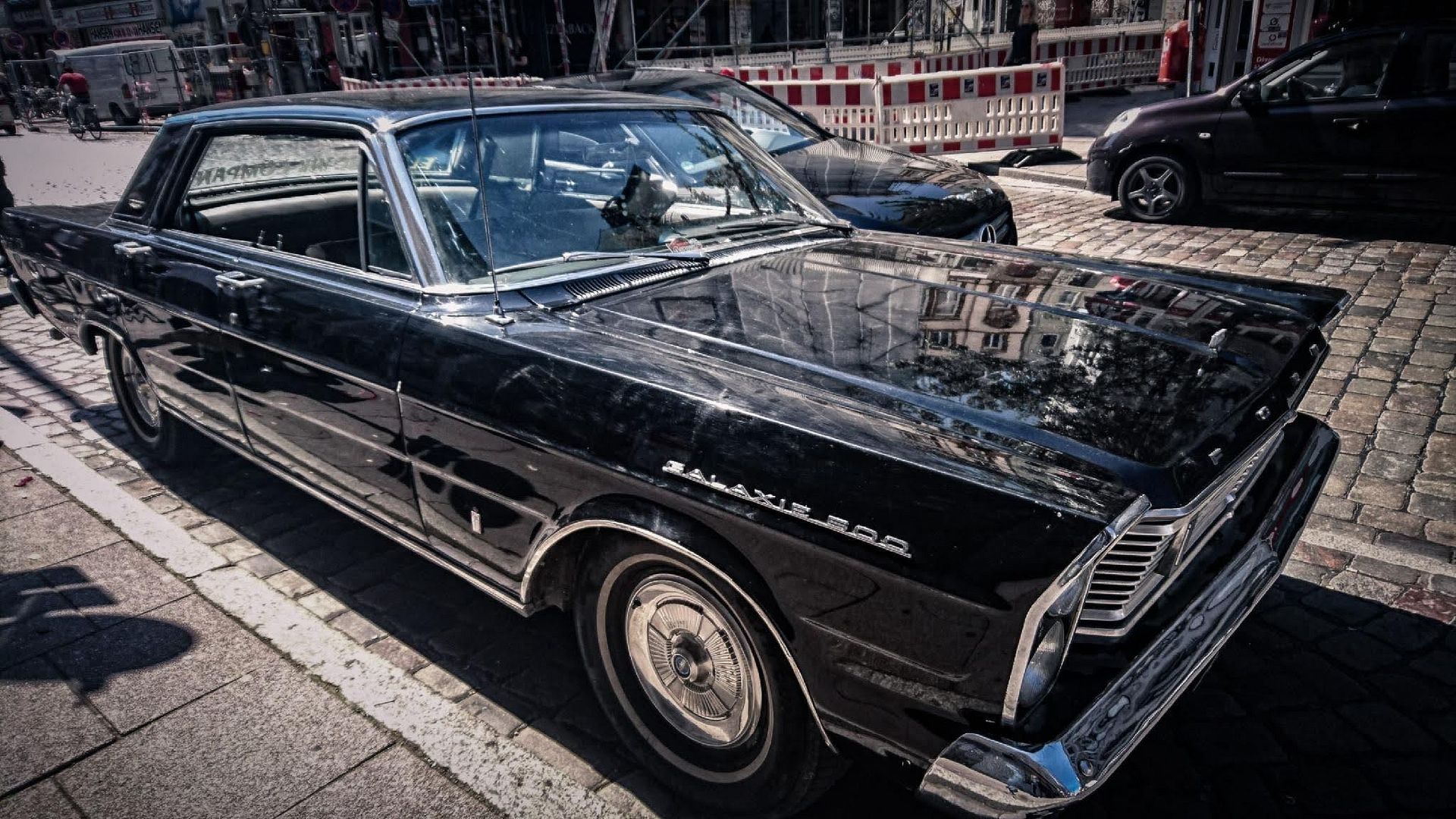
Key Highlights
- Enclosed car transport Australia gives car owners maximum protection during car shipping, especially for prestige vehicles and collector cars.
- Unlike open carriers, enclosed transport shields your vehicle from exposure during the main transit stage.
- It is often chosen for luxury, vintage, racing, and competition vehicles that need a higher level of care.
- Premium services may include specialist handling, undercover storage, and protective covers.
- This option offers stronger privacy and more peace of mind for high-value vehicle transport.
Introduction
If you are comparing vehicle transport options, enclosed car transport Australia often stands out for one reason: protection. Many car owners use it when ordinary car shipping does not feel safe enough for a high-value asset. That includes prestige models, vintage vehicles, and even racing machines. The goal is simple. You want your vehicle transport arranged with more care, less exposure, and better peace of mind from pickup through the main journey.
Understanding Enclosed Car Transport in Australia
Enclosed car shipping means your vehicle travels in a covered setup during the main auto transport journey. Instead of sitting on an exposed trailer, it is moved in a more protected environment designed for careful handling.
For many car transport services, enclosed car transport Australia is used when protection matters more than the lowest price. It suits people moving rare, prestigious, or competition vehicles and those who want added privacy. To see why, it helps to compare it directly with open options.
What Sets Enclosed Car Transport Apart from Open Car Carriers
The biggest difference is exposure. With open transport, an open car is moved on open carriers, which is the most common way to ship vehicles at an affordable price point. With enclosed transport, the vehicle is covered during the main transit stage, which reduces contact with outside conditions.
That matters when you are worried about road debris or the risk of damage from travel conditions. A classic car, luxury car, or collector vehicle can be more sensitive to external contact, even if the trip is routine. Enclosed movement gives a safer method when protection is the priority.
There is one detail to know. Some services may still use an open carrier for collection to the nearest depot or for final delivery from the depot to your address. Even so, the main journey remains enclosed, which is where the longest distance usually happens.
Types of Enclosed Car Transport Services Available
Not every premium option works the same way. Some car transport services focus on affordability, while others focus on speed or extra protection. If you are moving a luxury car or another high-value vehicle, the service level can affect delivery times, handling, and the kind of enclosed trailer support included.
Here is a simple comparison based on the compiled service options:
| Service Type | Main Focus | Typical Use Case | Notes |
| Standard | Most affordable option | Everyday vehicles or tight budget moves | Estimated transit times depend on freight flow |
| Express | Faster metro interstate shipping | Priority delivery needs | Often 2-3 days faster than Standard |
| Premium Enclosed | Protection and security | Luxury car, racing car, prestige vehicles | Fully covered main transit, specialist handling |
In premium enclosed moves, you may also see features such as protective seat and floor covers, undercover depot storage, and careful handling by experienced team members. While hydraulic lift gates are often searched for, the key factors shown here are protection, handling, and whether faster delivery times or lower cost matter more to you.
Safety Advantages of Using Enclosed Car Transport
For many owners, the main benefit of enclosed transport is peace of mind. You know the vehicle is not exposed during the core journey, which lowers the chance of contact with outside conditions that may lead to potential damage.
There is also a stronger level of care. Premium enclosed services are built around specialist handling, covered transit, and support features that suit valuable vehicles. That is why safety concerns usually come down to weather, road conditions, and security, which the next sections explain more clearly.
Protection from Weather, Debris, and Road Hazards
Yes, enclosed car transport protects vehicles better than open car transport during the main journey because it reduces exposure to external elements. That short answer is why many featured results focus on protection first. If your concern is weather conditions or road conditions, enclosed transport is the clearer choice.
Think about a prestige vehicle traveling interstate. A long route means more time on the road, and more time on the road means more chances for contact with outside conditions. A covered setup gives maximum protection where it matters most.
- It helps shield the vehicle from road debris during transit.
- It reduces exposure to changing weather conditions.
- It lowers the risk of potential damage from external elements.
- It supports safer transport for vehicles that need extra care.
Enhanced Security and Privacy for Your Vehicle
Protection is not only about scratches or debris. For collector cars and prestige vehicles, privacy can matter just as much. Some owners do not want a rare or newly moved vehicle openly visible during transport, especially before an event, delivery, or launch.
That is where an enclosed setup adds a secure environment and an extra layer of protection. The compiled information also points to privacy ahead of a new vehicle launch as a reason people choose this option. That is a practical use case, not just a marketing phrase.
When checking a provider, look for signs of reliability such as:
- Experienced team members who handle specialist vehicle transport.
- Tracking updates that help you monitor the journey.
- Undercover storage or careful depot handling, where available.
When to Choose Enclosed Car Transport Over Open Options
Choose enclosed auto transport when your vehicle has specific needs that make open shipping feel too exposed. The most common reason is value. If you are moving a luxury car, a rare vehicle, or a competition model, a safer method usually matters more than the most affordable option.
It also makes sense when privacy or added handling care is important. Not every vehicle requires this level of service, but some clearly benefit from it. The next two sections cover the most common situations where enclosed movement is the better fit.
Typical Use Cases: Luxury, Vintage, and High-Value Cars
Some vehicle types are much more likely to need enclosed transport in Australia. If the goal is to keep a car in perfect condition, exposed movement may not be worth the risk. This is especially true when the vehicle has high financial, event, or personal value.
The compiled information gives clear examples. Premium enclosed services are used for prestige vehicles, rare models, racing cars, competition motorcycles, and privacy-sensitive launches. That makes the choice easier when you are deciding between basic and protected transport.
Common use cases include:
- A luxury car being moved interstate for a new owner.
- Vintage vehicles or a classic car heading to storage or display.
- Collector cars needing careful handling and covered transit.
- Prestige vehicles requiring privacy before a launch or event.
Interstate and Long-Distance Shipping Considerations
Yes, enclosed transport is suitable for interstate vehicle shipping across Australia. In fact, the compiled information specifically presents premium enclosed service as an option for interstate delivery when protection and security are the main concerns. That makes it relevant for long-distance moves where exposure lasts longer.
Still, delivery times can vary by service type. If speed is your main goal, an express option may be quicker in some metropolitan routes. Premium enclosed transport focuses first on protection, not being the fastest possible choice.
This is where expectations matter. Ask how safe loading is handled, whether depot storage is available, and if parts of the trip use open movement between your door and the depot. Those details help you practically compare long-distance car shipping services.
Preparing Your Vehicle for Safe Enclosed Transport
Good preparation helps enclosed transport work as intended. If you want your vehicle to arrive in pristine condition, small steps before pickup can support the level of care already built into the service. That matters for car owners moving valuable vehicles.
The process is not complicated, but it should be done with utmost care. Focus on the vehicle’s condition, your personal items, and the paperwork that supports the move. Start with the loading checklist, then confirm the documents and insurance details.
Checklist: Steps to Ready Your Car for Loading
Before pickup, give the vehicle a simple review so the handover is clear. This is especially helpful when the car has specific needs or a finish you want handled with extra care. A short preparation routine can prevent confusion later.
Use this checklist for safe loading:
- Remove personal items from the cabin before transport.
- Take clear media shots of the exterior and interior.
- Note any marks or condition points before collection.
- Share any specific needs linked to the type of car.
- Confirm whether pickup or final delivery uses depot transfer.
These steps are practical because they match the way premium services operate. If your vehicle is a race car, classic automobile, or prestige model, clear pre-loading notes make specialist handling easier and help everyone work from the same condition record.
Ensuring Proper Documentation and Insurance Coverage
Paperwork matters just as much as the trailer type. Before booking, confirm the documentation process and ask what insurance coverage applies during transport, storage, and any depot transfer. This is particularly important when the type of vehicle is rare, high-value, or competition-focused.
A useful question is whether the vehicle stays enclosed for the entire trip. The compiled information shows that the main transportation is enclosed, while door-to-depot or depot-to-door stages may be on an open carrier. That detail should be clear in writing.
Check for these points:
- What parts of the journey are covered under insurance coverage.
- Whether depot storage and handling are included in the documentation.
- Any conditions linked to the type of vehicle being transported.
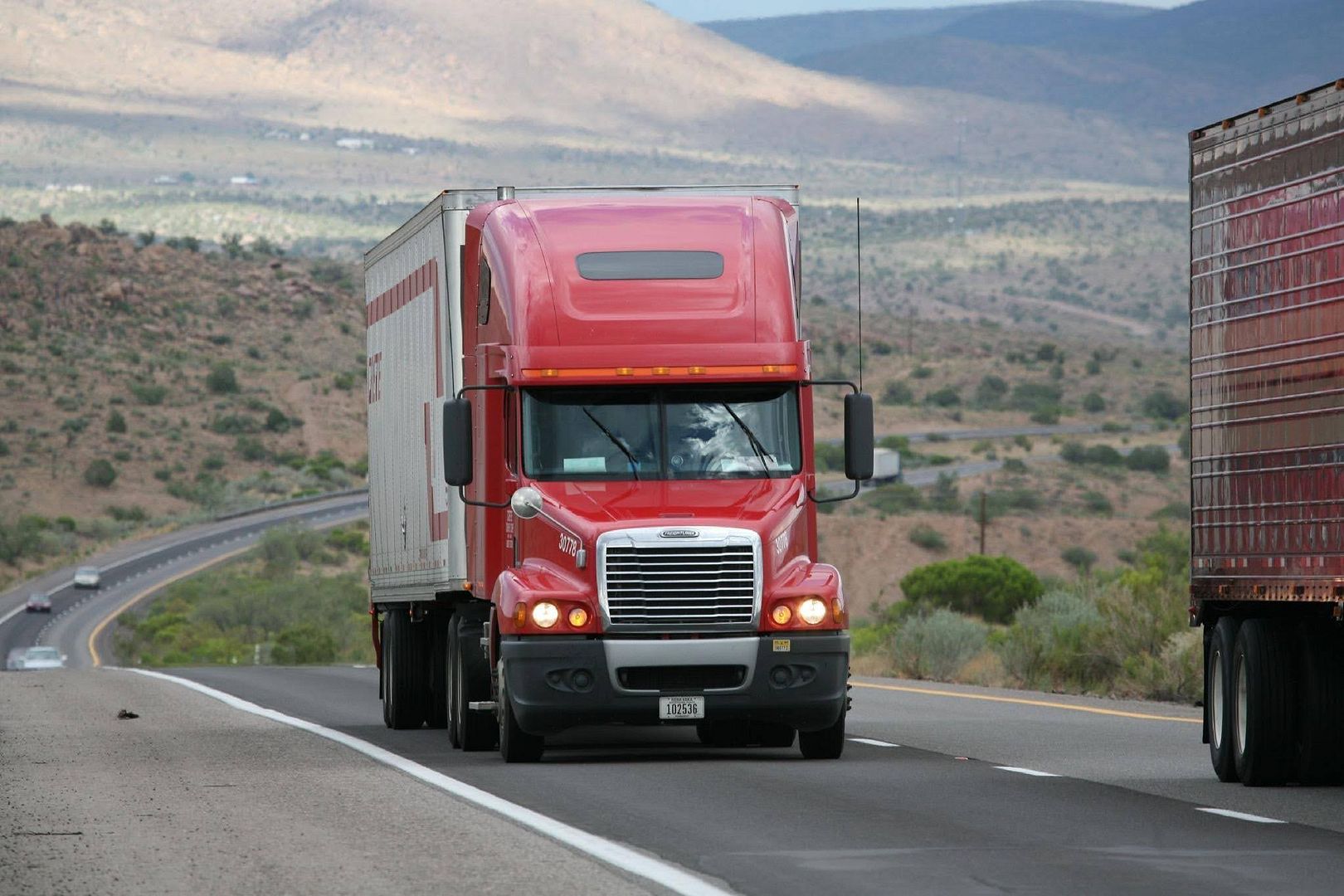
Conclusion
In conclusion, enclosed car transport in Australia provides an unparalleled level of safety and security for your vehicle during transit. By safeguarding against harsh weather conditions and potential road hazards, this transport method ensures that your luxury or vintage cars arrive in pristine condition. It’s essential to evaluate your transport needs carefully, especially for high-value vehicles, and to be prepared with proper documentation and insurance. As you consider your options, remember that choosing the right service is crucial for peace of mind. If you have more questions about enclosed car transport or need personalized assistance, feel free to reach out for a consultation to explore your best shipping options.
Frequently Asked Questions
Is enclosed car transport suitable for all types of vehicles in Australia?
Enclosed car transport can be used for almost any type of vehicle, but it is most often chosen for prestige vehicles, collector cars, racing vehicles, and other high-value moves. Everyday vehicles can use it too, though many owners reserve it for cases where added protection matters more.
What is typically included in premium enclosed car transport services?
A premium service usually includes covered main transit in an enclosed trailer, specialist handling, protective seat and floor covers, and sometimes undercover depot storage and tracking updates. These added protections are often why there is an extra cost, even when hydraulic liftgates are not specifically listed.
How can I verify the reliability of an enclosed car transport provider?
Check whether the provider explains its handling process clearly, offers tracking, and uses experienced team members for specialist moves. Reliable car transport services should also be transparent about depot transfers, storage, and the level of care your vehicle receives in a secure environment.



