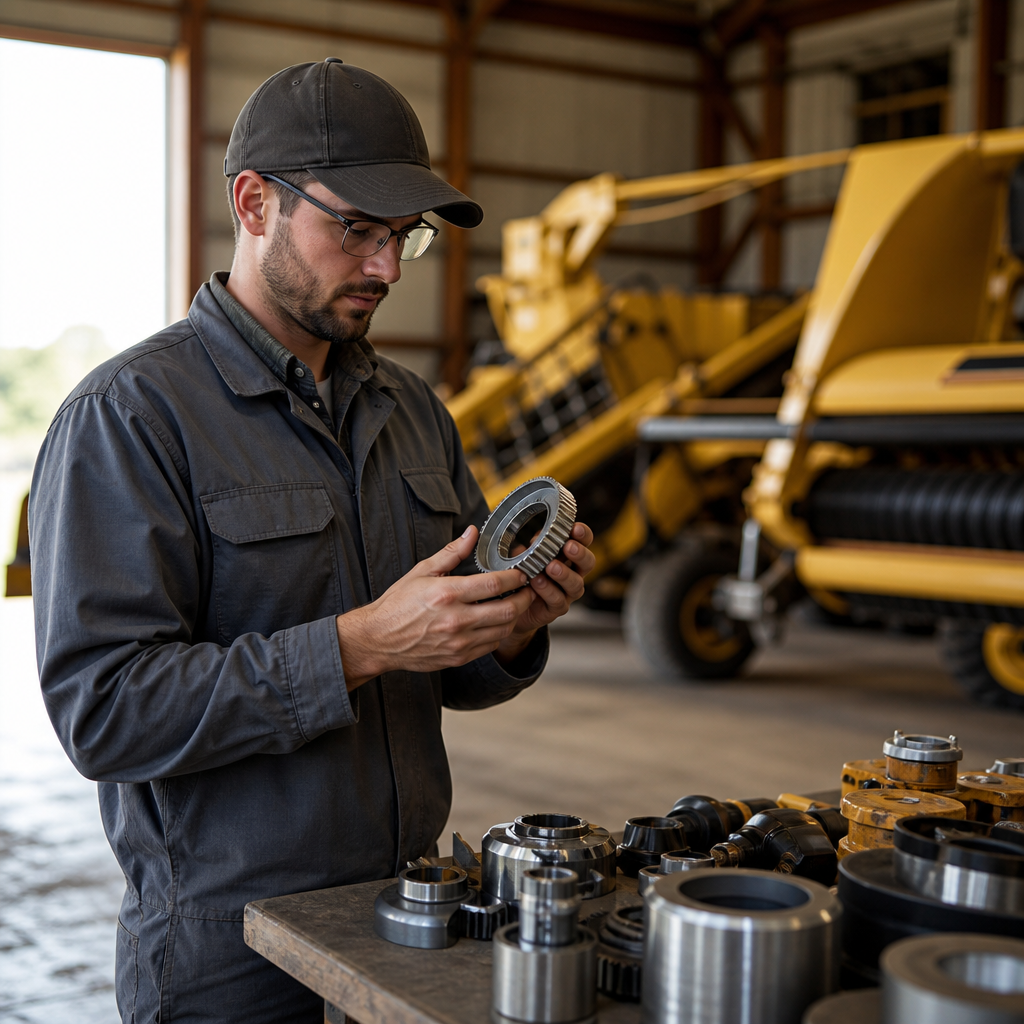
Why Equipment Reliability Is the Backbone of Modern Farming
Agriculture has never been a forgiving industry when it comes to downtime. A baler that breaks mid-harvest, a trencher that stalls during a critical drainage project, or a wood chipper that fails during land clearing can cost a farming operation thousands of dollars in lost productivity. For farmers and contractors who depend on heavy-duty machinery day in and day out, the ability to source quality replacement parts quickly is not a luxury — it is a survival strategy. This is especially true for those who rely on Vermeer equipment, a brand long associated with durability, precision engineering, and performance across a wide range of agricultural and construction applications.
The Real Cost of Equipment Failure on the Farm
When a piece of machinery goes down during peak season, the financial impact extends far beyond the cost of the broken part itself. Labor sits idle, deadlines are missed, and in some cases, crops are lost entirely. According to industry observers, equipment failure is one of the leading causes of unexpected operational losses on mid-size and large farms. The pressure to keep machines running has pushed many operators to become more proactive about maintenance schedules, parts inventory, and supplier relationships. Having a trusted source for replacement components is no longer optional — it is a core part of farm management strategy.
Vermeer: A Legacy Built on Agricultural Innovation
Founded in 1948 in Pella, Iowa, Vermeer Corporation has spent more than seven decades engineering machinery that meets the demands of farmers, contractors, and land managers across the globe. From its iconic round balers and hay tools to its powerful horizontal directional drills and stump cutters, Vermeer has built a reputation for producing equipment that works hard in the field and holds up under pressure. The brand’s engineering philosophy centers on practical innovation — designing machines that solve real problems for real operators, not just machines that look impressive in a showroom.
The Breadth of the Vermeer Equipment Line
What makes Vermeer particularly valuable to agricultural and land management professionals is the sheer range of its product line. The company manufactures equipment across categories including hay and forage, tree care, underground construction, surface mining, and environmental solutions. This diversity means that a single farming operation might rely on multiple Vermeer machines simultaneously — a round baler in the field, a brush chipper along the fence line, and a trencher for irrigation work. Each of these machines has its own set of wear parts, belts, blades, bearings, and hydraulic components that require periodic replacement to maintain peak performance.
Sourcing Parts Strategically: What Smart Operators Know
Experienced equipment operators understand that not all parts suppliers are created equal. The quality of a replacement part directly affects how long a repair lasts, how well the machine performs after the fix, and whether the same component will need to be replaced again in six months. Sourcing from a reputable dealer that specializes in Vermeer components ensures that parts meet the original equipment manufacturer’s specifications, reducing the risk of premature failure or compatibility issues. For operators managing tight budgets, this kind of reliability translates directly into cost savings over time.
Accessing Vermeer Parts Without the Dealership Runaround
One of the persistent frustrations among equipment owners is the difficulty of finding specific parts quickly through traditional dealership channels. Lead times can stretch for days or even weeks, and the process of identifying the correct part number for an older machine can be unnecessarily complicated. Online parts suppliers have stepped in to fill this gap, offering searchable catalogs organized by brand, model, and category. For those who need Vermeer Equipment Parts for Sale, having access to a well-organized, comprehensive online inventory means less time waiting and more time working. This kind of streamlined access is particularly valuable during planting and harvest seasons when every hour counts.
Sustainability and Smart Equipment Management
There is a growing conversation in the agricultural sector about the intersection of sustainability and equipment management. Repairing and maintaining existing machinery rather than replacing it outright is one of the most environmentally responsible choices a farm operator can make. Manufacturing new equipment requires significant energy and raw materials, while a well-maintained machine can serve productively for decades. This philosophy aligns closely with broader environmental stewardship goals that are becoming increasingly important to both farmers and the communities they serve. Understanding the application of biotechnology in the environment reveals how science-driven approaches to land and resource management are reshaping agricultural thinking at every level, from soil health to equipment lifecycle planning.
Extending Equipment Life Through Preventive Maintenance
The most cost-effective approach to equipment management is not reactive — it is preventive. Operators who schedule regular inspections, replace wear items before they fail catastrophically, and keep detailed maintenance logs consistently get more years and more hours out of their machines. For Vermeer equipment specifically, this means paying close attention to components like baler belts, knife assemblies, drive chains, and hydraulic seals. These are the parts that experience the most stress during normal operation and are most likely to cause unexpected downtime if neglected. Building a small inventory of commonly needed parts on-site can dramatically reduce the time between a breakdown and a return to full operation.
Financial Pressures and the Case for Equipment Longevity
Farm profitability has been under sustained pressure in recent years, driven by rising input costs, volatile commodity prices, and unpredictable weather patterns. In this environment, capital expenditures on new equipment are increasingly difficult to justify. As detailed in reporting on how farmers stretch equipment amid tight margins, many operators are choosing to extend the working life of their existing machines rather than taking on new debt. This trend makes access to quality replacement parts more important than ever, as the economics of repair versus replace increasingly favor repair when the right parts are available at competitive prices.
HR Agri Power: A Trusted Source for Vermeer Components
For operators looking to source Vermeer parts efficiently and confidently, HR Agri Power has established itself as a reliable destination. The company’s catalog covers a wide range of Vermeer equipment categories, making it possible to find components for everything from hay tools to underground construction machinery in one place. The inventory is organized to help operators identify the right part without unnecessary confusion, and the focus on agricultural and construction equipment means the staff understands the urgency that comes with field-side repairs. Whether an operator needs a single belt or a comprehensive set of replacement components for a seasonal overhaul, the depth of available inventory supports both small and large-scale needs.
Conclusion: Parts Access as a Competitive Advantage
In an industry where margins are thin and timing is everything, the ability to keep equipment running is a genuine competitive advantage. Vermeer machinery represents a significant investment for any farming or contracting operation, and protecting that investment through timely, quality repairs is simply good business. By building relationships with dependable parts suppliers, staying ahead of maintenance needs, and embracing the broader philosophy of equipment longevity, operators can reduce costs, minimize downtime, and position their operations for long-term resilience. The machines that work hardest deserve the best care — and that care starts with having the right parts when they are needed most.