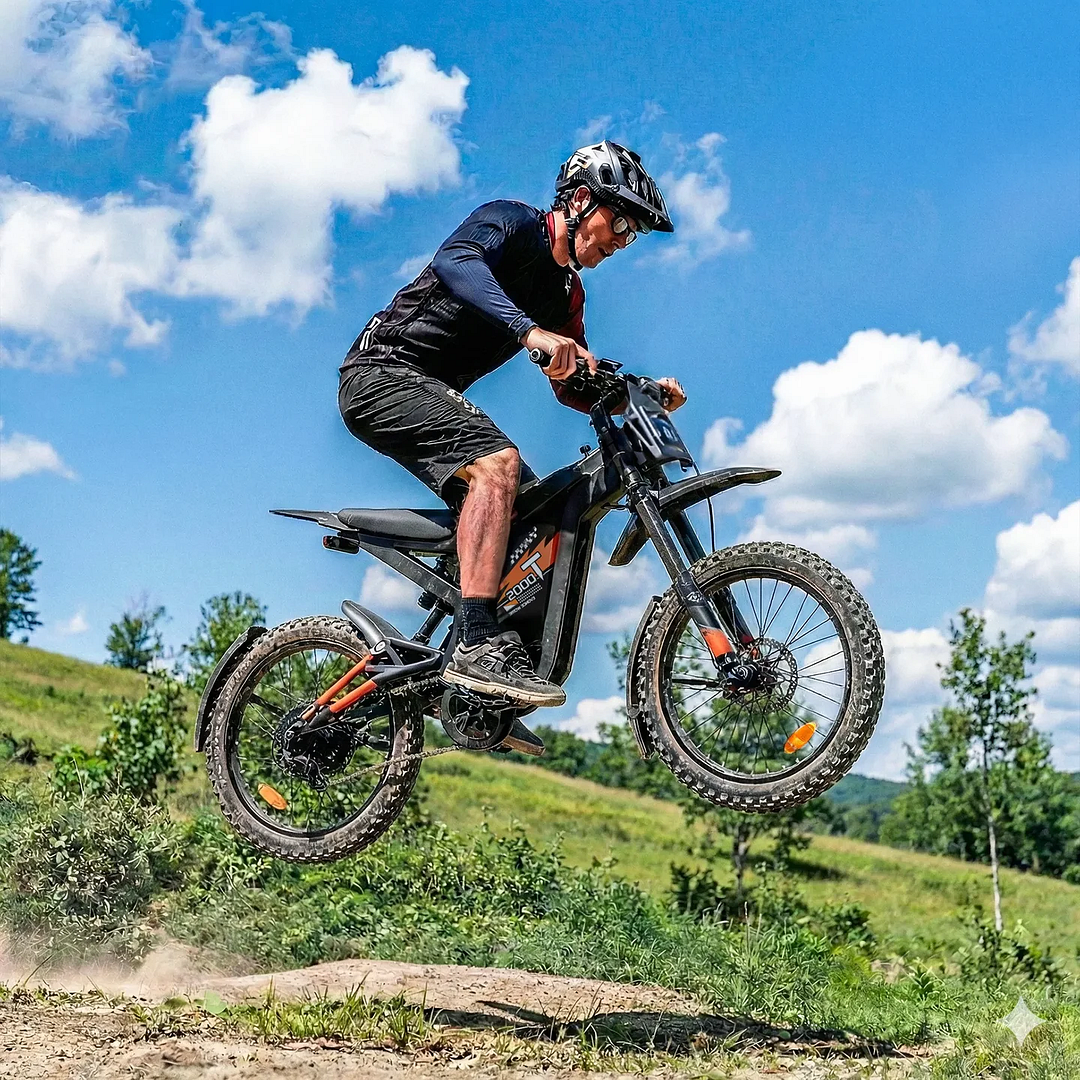
When I first started considering an electric bike for outdoor riding, I made the mistake of looking at the bike before thinking about where I would actually ride it. I compared battery sizes, motor ratings, and designs, but I did not give enough attention to the ground beneath the tires.
That changed after a few rides on gravel and uneven paths. A bike that feels perfectly comfortable on pavement can behave very differently when the surface becomes loose, rocky, or unpredictable. Since then, I have approached electric bike shopping from the opposite direction: I start with the terrain and work backward. That simple change has helped me understand why off road e bikes are built differently from models intended primarily for city streets.
Start With the Places You Actually Want to Ride
I think the best starting question is surprisingly simple: Where will I spend most of my riding time? If I mainly traveled on paved roads, I would prioritize efficiency, a comfortable riding position, and easy handling. But if my plans included dirt trails, gravel roads, packed soil, or other uneven surfaces, I would look for a bike designed with those conditions in mind.
This distinction matters because there is no single feature that makes an electric bike suitable for every environment. Tires, frame construction, suspension, braking, and battery performance all contribute to how a bike behaves outdoors. Knowing the intended terrain makes it much easier to decide which features are actually worth paying attention to.
What Wider Tires Taught Me About Traction
I used to think wider tires were mostly a visual feature. After riding on loose surfaces, I changed my mind. Fat tire e bikes can provide a larger contact area between the tire and the ground. That can be helpful when riding across gravel, sand, dirt, or other surfaces where maintaining traction is more difficult.
The difference is especially noticeable when the path is uneven. Instead of feeling like every small change in the ground is being transferred directly to the handlebars, a wider tire can contribute to a more planted feeling.
That does not mean a fat tire automatically makes a bike suitable for every trail. Tire pressure, tread pattern, rider weight, suspension, and riding technique still matter. For me, it simply became one feature worth considering when I expected to encounter loose or uneven ground.
I Pay More Attention to Control Than Top Speed
When I was new to electric bikes, performance numbers caught my attention immediately. Now I am much more interested in how confidently I can control the bike. Outdoor riding can involve sudden changes in terrain. A smooth section may lead to gravel, a downhill stretch may require stronger braking, or a narrow trail may demand careful steering.
For that reason, I consider braking performance and overall handling essential. A bike should feel predictable when I slow down, turn, or adjust my speed. I also prefer having enough motor assistance to handle climbs without relying entirely on maximum power. Smooth and manageable assistance is more useful to me than a specification that simply looks impressive.
Suspension Is Not Just About a Softer Ride
Suspension is another feature I pay attention to when looking at trail-oriented bikes. Its purpose is not simply to make a ride feel softer. On uneven ground, suspension can help the wheels maintain better contact with the surface while reducing some of the impact transferred to the rider.
I have found that this becomes increasingly valuable as rides get longer. A few bumps may not matter during a short trip, but repeated vibration can become tiring over several hours. That is why I look at the entire setup rather than judging a bike by its tires alone.
Battery Planning Becomes Different Outdoors
Battery range is important for any electric bike, but I think it becomes even more important when riding away from familiar roads. An outdoor route may include more hills, softer surfaces, wind, or frequent changes in riding conditions. All of these can affect energy consumption.
I now make a habit of checking the planned distance before leaving and keeping some battery capacity in reserve. I also avoid assuming that a manufacturer’s maximum range represents what I will experience on every ride. For longer trips, I would rather have extra capacity available than discover halfway through a route that the remaining charge is not enough.
The Small Details I Check Before a Trail Ride
Before heading out, I take a few minutes to inspect the bike. I check the tire pressure, brakes, battery level, and any visible signs of damage. I also bring water, basic repair equipment, and appropriate safety gear. A small puncture or loose component is much easier to deal with when I have the right tools with me. These habits may sound simple, but they have made my rides much less stressful.
Where OUXI Fits Into My Research
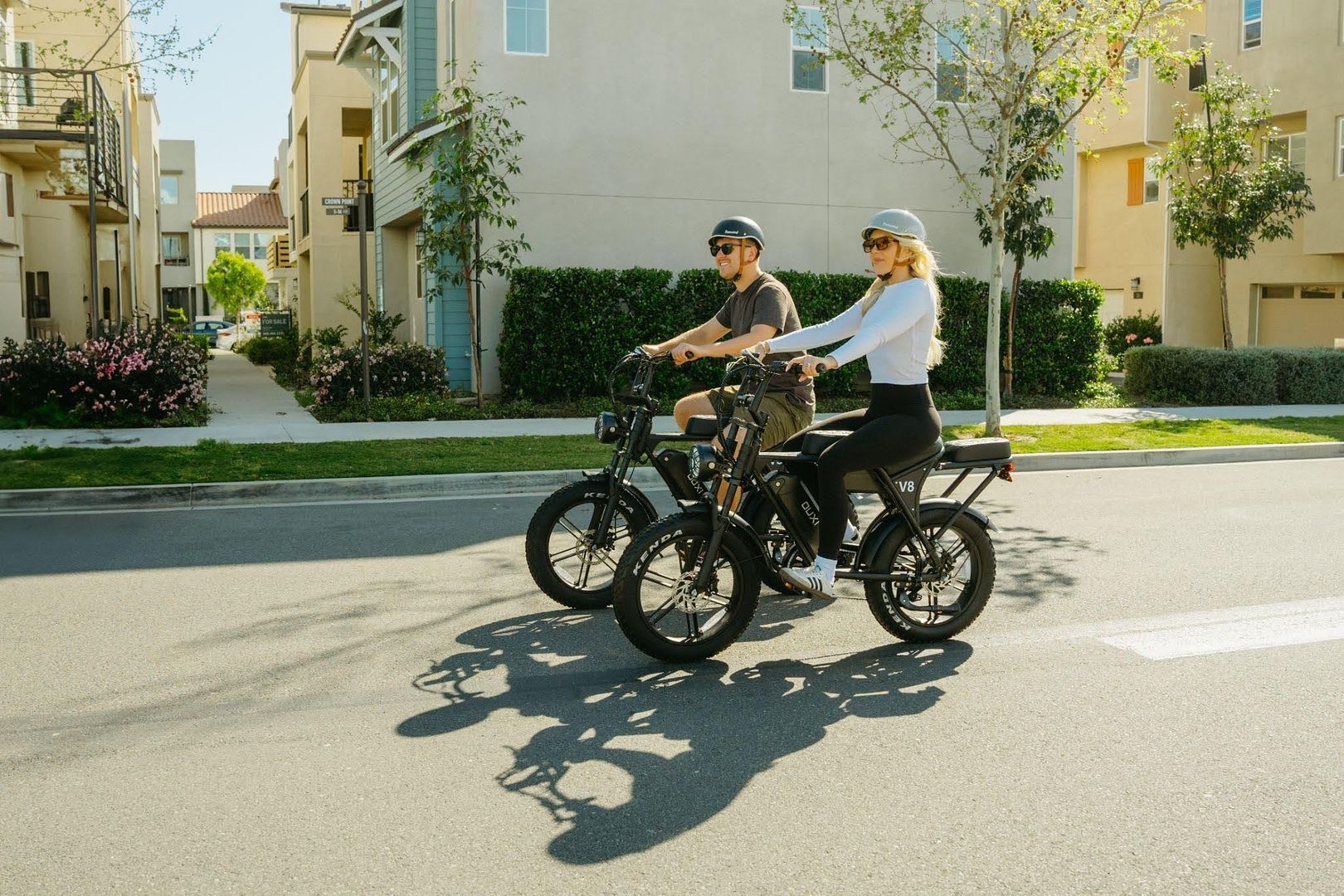
When I compare electric bikes, I look for brands that offer models suited to different riding needs rather than choosing based purely on appearance. OUXI is one name I have come across while researching fat tire e bikes for riders interested in practical performance and outdoor use. I would still compare the specifications of an individual model against my own needs. Brand familiarity is useful, but the actual bike should always match the terrain, distance, and riding conditions I expect to encounter.
Conclusion
My approach to choosing an electric bike has become much more practical since I started thinking about terrain first. Off road e bikes can make sense for riders who regularly encounter dirt, gravel, hills, and uneven paths, but the right choice depends on more than simply selecting a bike labeled for off-road use. Tire design, braking, suspension, battery capacity, and handling all deserve attention. For riders considering fat tire e bikes, wider tires can offer useful traction and stability on certain surfaces, but they should be considered as part of the complete bike rather than a standalone feature.
FAQs
1. Are off road e bikes suitable for beginners?
Yes. A beginner can use one, but I would recommend starting on familiar, manageable terrain and learning the controls before attempting difficult trails.
2. Do fat tires work better on every surface?
Not necessarily. They can be useful on loose or uneven terrain, but tire design and pressure should still match the riding conditions.
3. What is the most important feature for trail riding?
I would not choose just one. Reliable brakes, appropriate tires, stable handling, suitable suspension, and sufficient battery capacity all contribute to a better experience.
4. How should I prepare an electric bike for an outdoor ride?
I check the battery, tire pressure, brakes, and visible components before leaving. For longer trips, I also carry water, safety gear, and basic repair supplies.
5. Should I choose an electric bike based only on motor power?
No. Motor power matters, but it is only one part of the equation. The bike’s tires, brakes, battery, frame, suspension, and intended use should all be considered together.