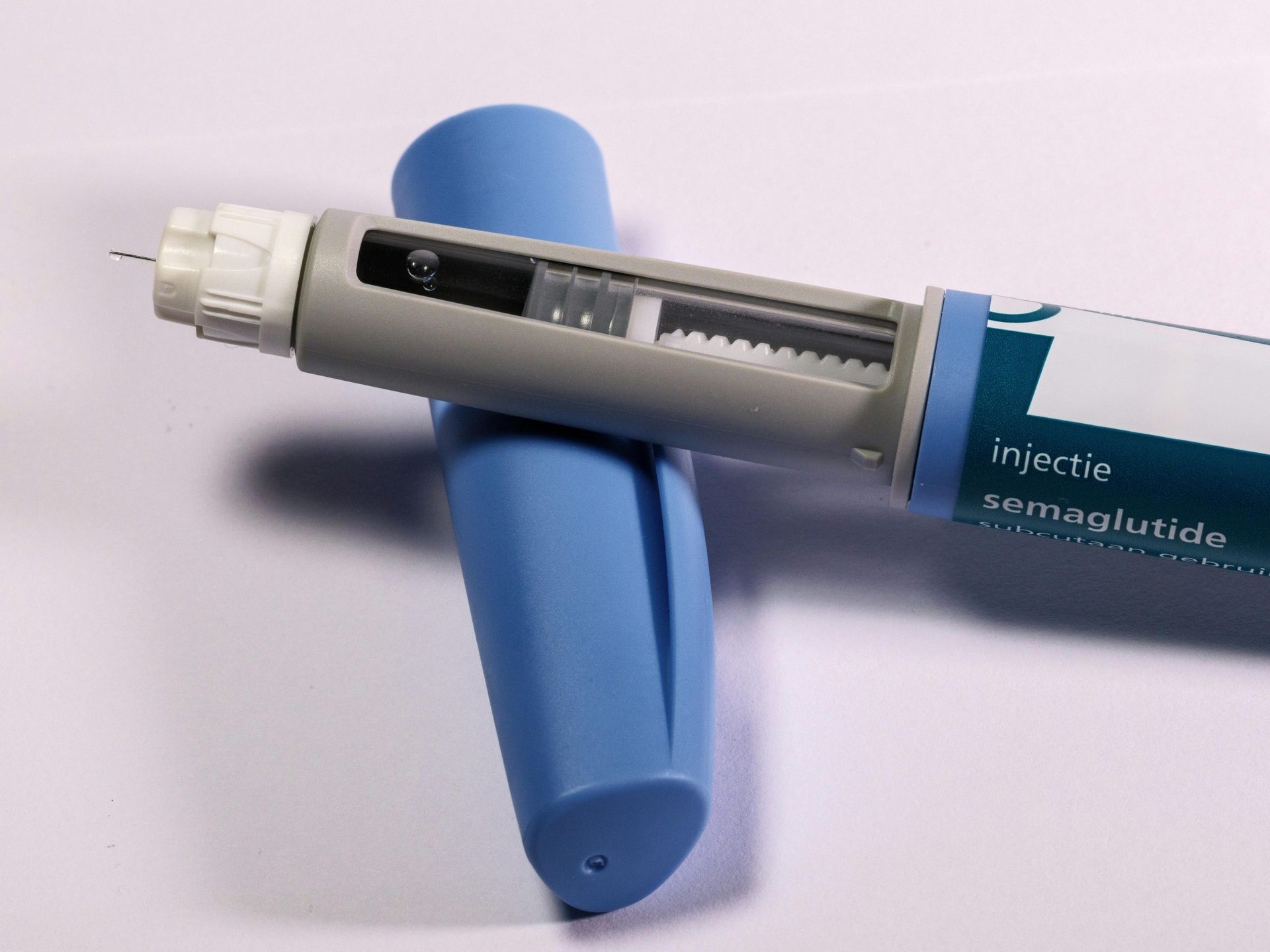
GLP-1 medications such as Ozempic and Wegovy have transformed obesity treatment, helping millions lose significant amounts of body fat. Yet one important issue receives far less attention than it deserves: muscle loss.
While the scales may move in the right direction, the body composition beneath the surface may not. Unless resistance training, adequate protein and intelligent programming are incorporated, much of the weight lost can come from lean muscle rather than fat alone.
For anyone wanting to improve not only how they look but also how they move, perform and age, strength training should be viewed as essential, not optional.
Inside this feature
- Why muscle matters more than the number on the scales
- The hidden cost of rapid weight movement patterns everyone should master·
- Protein, recovery and progressive overload
The New Era of Weight Loss
Few medical advances have generated as much excitement as GLP-1 receptor agonists.
Originally developed to improve blood glucose regulation in people with Type 2 diabetes, these medications have rapidly become one of the most effective tools for managing obesity.
By slowing gastric emptying, improving satiety and reducing appetite, they allow many people to sustain a calorie deficit that previously felt impossible.
The results can be remarkable.
- Weight decreases.
- Blood pressure improves.
- Blood sugar becomes easier to control.
- Joint pain often reduces.
- Confidence returns.
Yet there is another side to rapid weight loss that deserves equal attention.
The Hidden Cost of Losing Weight
Your body does not simply lose fat. Whenever body weight decreases rapidly, some lean tissue is almost always lost alongside it.
This lean tissue includes skeletal muscle, the very tissue responsible for:
- Strength
- Balance
- Posture
- Athletic performance
- Joint stability
- Metabolic health
- Healthy ageing
For adults over forty, preserving muscle becomes even more important because natural muscle loss, known as sarcopenia, is already beginning. Without intervention, ageing and rapid weight loss can accelerate declines in strength and physical function.
Fortunately, this is largely preventable.
“The goal shouldn’t simply be to lose weight.
It should be to lose fat while keeping every possible kilogram of muscle.”
NIZANIEL BEURY | STRONGERYOU
Muscle: Your Metabolic Engine
Many people still think of muscle purely in cosmetic terms. In reality, skeletal muscle is one of the body’s most important organs.
It helps regulate blood glucose. It stores carbohydrates. It supports healthy bones. It protects joints. It allows us to climb stairs, lift children, carry shopping and remain independent throughout later life. Muscle also contributes substantially to resting metabolic rate.
Although muscle does not burn huge numbers of calories while resting, as is sometimes claimed, it is metabolically active tissue. Preserving it helps minimise the decline in energy expenditure that naturally accompanies weight loss.
The Biggest Mistake People Make
After beginning GLP-1 medication, many people dramatically increase cardiovascular exercise.
- Walking more.
- Running.
- Cycling.
- Cross trainers.
- Treadmills.
Cardiovascular exercise is excellent for heart health. However, cardio alone provides only a relatively weak stimulus for maintaining muscle mass. Resistance training provides the message your body needs to hear.
“This muscle is still required.”
Without that signal, the body becomes increasingly willing to sacrifice muscle tissue while reducing body weight.
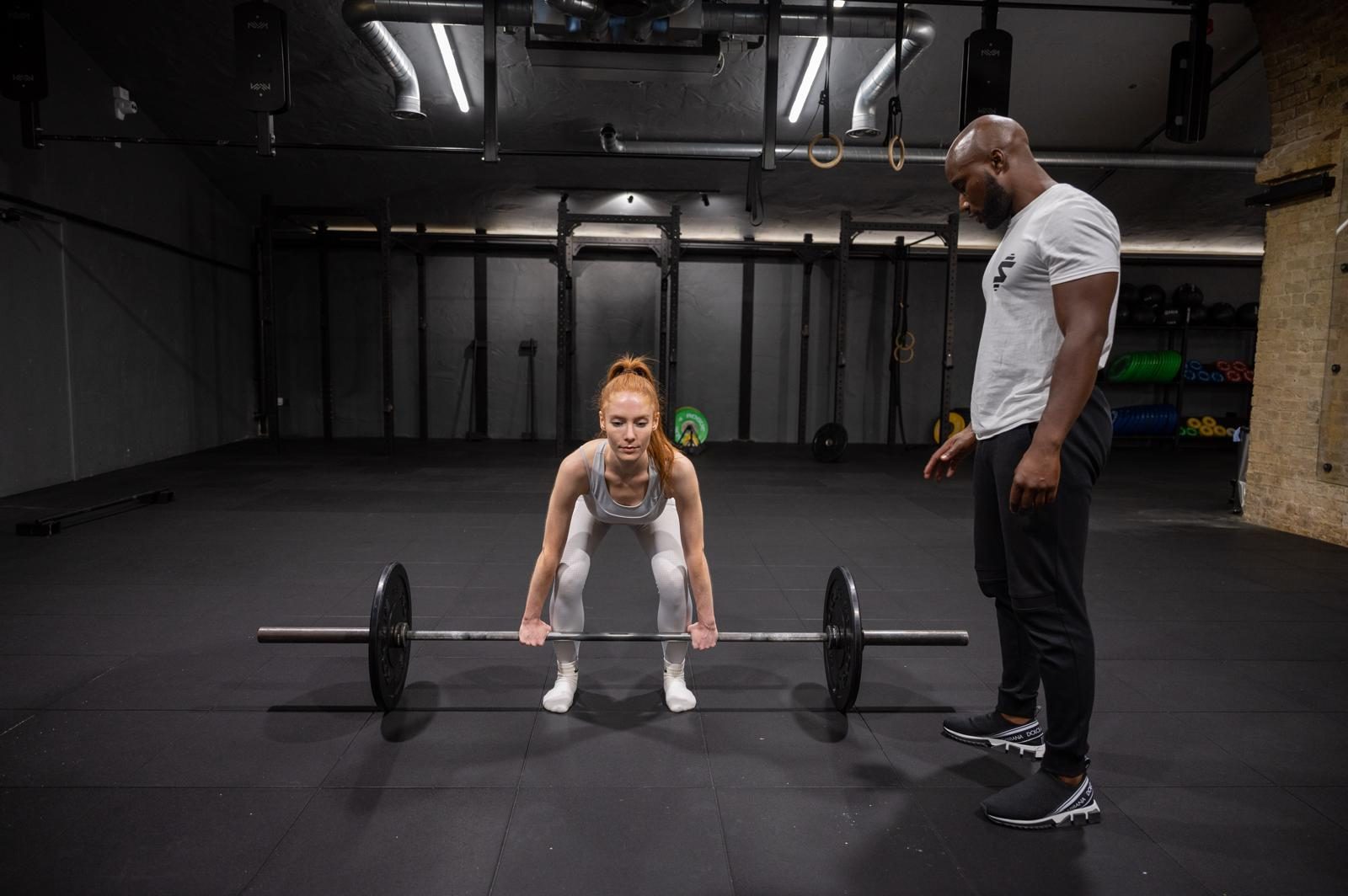
The Five Movements Every Programme Should Include
Rather than chasing complicated workouts, most people can build an outstanding programme around five fundamental human movement patterns.
| No. | Movement | Examples | Why it matters |
| 1 | Squat | Goblet squat, front squat, box squat, split squat | Stronger quadriceps, improved glute strength, better mobility and increased bone density. |
| 2 | Hip hinge | Romanian deadlift, conventional deadlift, hip thrust, kettlebell swing | Develops the posterior chain, improves posture and supports lower-back resilience. |
| 3 | Push | Push-ups, bench press, dumbbell press, overhead press | Strengthens the chest, shoulders and triceps while improving upper-body function. |
| 4 | Pull | Seated row, cable row, dumbbell row, lat pulldown, assisted pull-up | Restores balance against prolonged sitting and supports posture and shoulder health. |
| 5 | Carry | Farmer’s carry, suitcase carry | Challenges grip strength, core stability, balance, coordination and real-world fitness. |
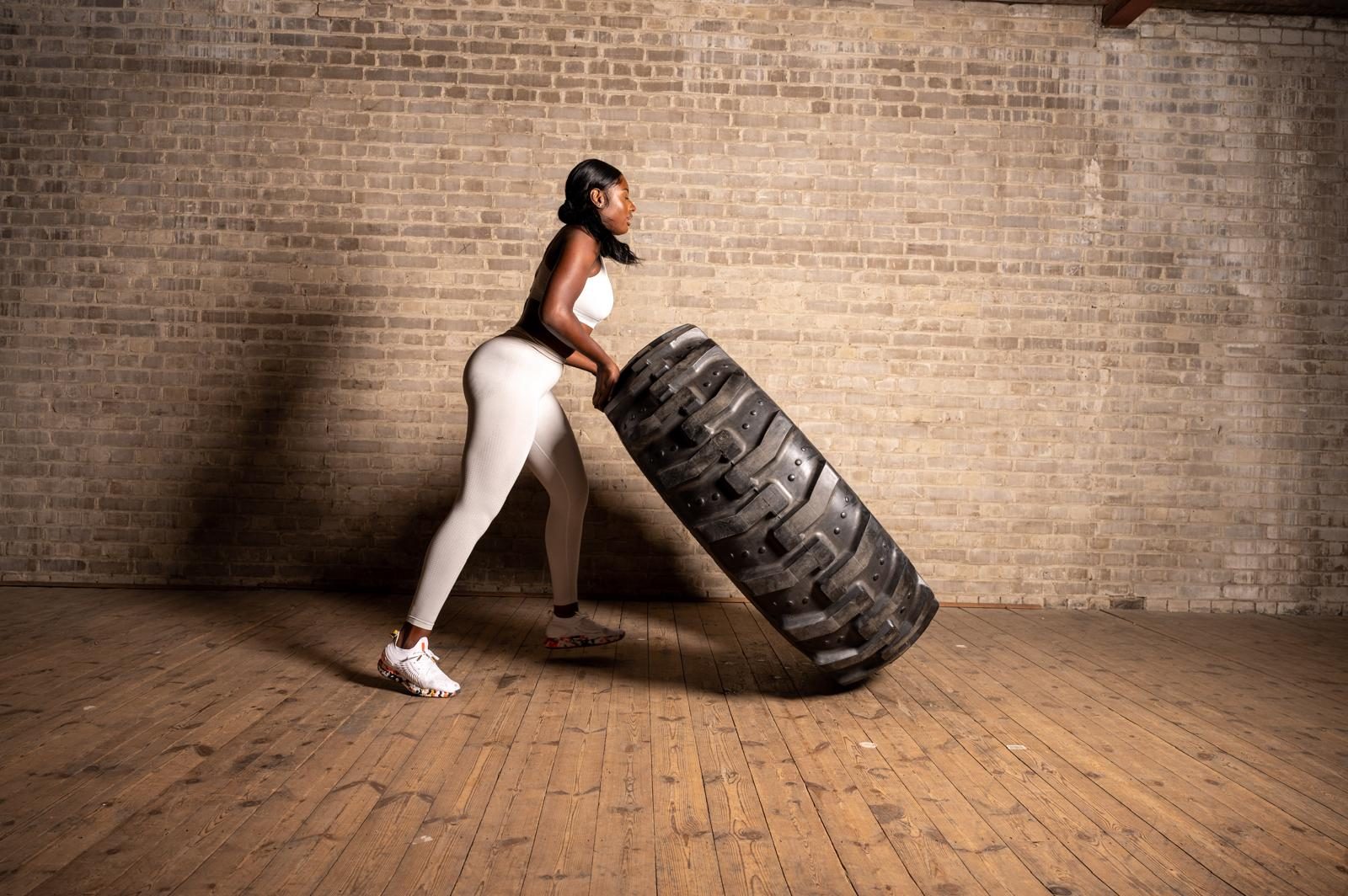
You Don’t Need to Live in the Gym
One of the greatest misconceptions surrounding strength training is that it demands hours each day.
It doesn’t.
Research consistently suggests that two to three well-designed full-body sessions per week provide excellent results for most adults. A session lasting only 20-45 minutes can stimulate meaningful improvements in strength, muscle retention and metabolic health. Quality always outweighs quantity.
Progressive Overload
Muscle is remarkably adaptable. However, it only changes when given a reason. This principle, progressive overload, forms the foundation of every successful strength programme.
Progress doesn’t always mean lifting dramatically heavier weights. Sometimes progress simply means:
- Small improvements
- One extra repetition
- Slightly better technique
- Improved movement quality
- A larger range of motion
- Shorter rest periods
- Greater consistency
“Small improvements repeated every week become extraordinary results over time.“
Protein Is No Longer Optional
Reduced appetite is one reason GLP-1 medications work so well. Unfortunately, reduced appetite often means reduced protein intake. Without adequate dietary protein, muscle preservation becomes far more difficult. Aim to include a high-quality protein source with every meal.
Distributing protein evenly throughout the day appears more effective than consuming the majority in a single meal.
High-quality protein
- Eggs
- Greek yoghurt
- Chicken
- Fish
- Lean beef
- Cottage cheese
- Tofu
- Whey protein

Recovery Is Where Progress Happens
Exercise provides the stimulus. Recovery creates the adaptation.
Many people underestimate recovery while simultaneously overestimating training volume. The strongest athletes rarely recover by accident.
Prioritise
- Seven to nine hours of sleep
- Daily hydration
- Adequate protein intake
- Walking
- Mobility work
- Planned recovery days
Cardio Still Matters
Walking, cycling, swimming and other aerobic activities remain essential for heart health, blood pressure, endurance and mental wellbeing. The most effective programmes combine resistance training with cardiovascular exercise rather than choosing one over the other.
Common Mistakes
- Relying exclusively on cardio
- Neglecting protein intake
- Avoiding resistance training
- Progressing too quickly
- Training to exhaustion every session
- Ignoring recovery
- Chasing calorie burn instead of building strength
The StrongerYou Coaching Perspective
Over nearly two decades of coaching clients from complete beginners to experienced athletes, one principle has remained remarkably consistent.
The people who achieve the most sustainable transformations rarely pursue rapid weight loss alone. Instead, they become stronger. They move better. They improve posture. They build confidence. They create habits they can maintain for years rather than weeks.
Weight loss becomes one outcome of a healthier, stronger lifestyle, not the sole objective. That philosophy is even more important when working alongside modern medications. GLP-1 therapy should never replace exercise. It should enhance the benefits of intelligent coaching.
“Weight loss changes the scales. Strength training changes your life.”
Final Word
GLP-1 medications represent one of the most significant developments in modern obesity management.
Used wisely, they can transform lives. Yet the medication is only one part of the equation. Combine it with structured resistance training, adequate protein, progressive overload and intelligent recovery, and the result is far more than weight loss.
It is improved strength. Improved movement. Improved resilience. And ultimately, a healthier body capable of serving you for decades to come.
About the Author

Nizaniel Beury is a Strength, Mobility & Conditioning Coach, Certified Personal Trainer and Biosignature Nutritionist with over 18 years’ experience helping clients improve performance, overcome injury, optimise body composition and build long-term health through evidence-informed coaching.