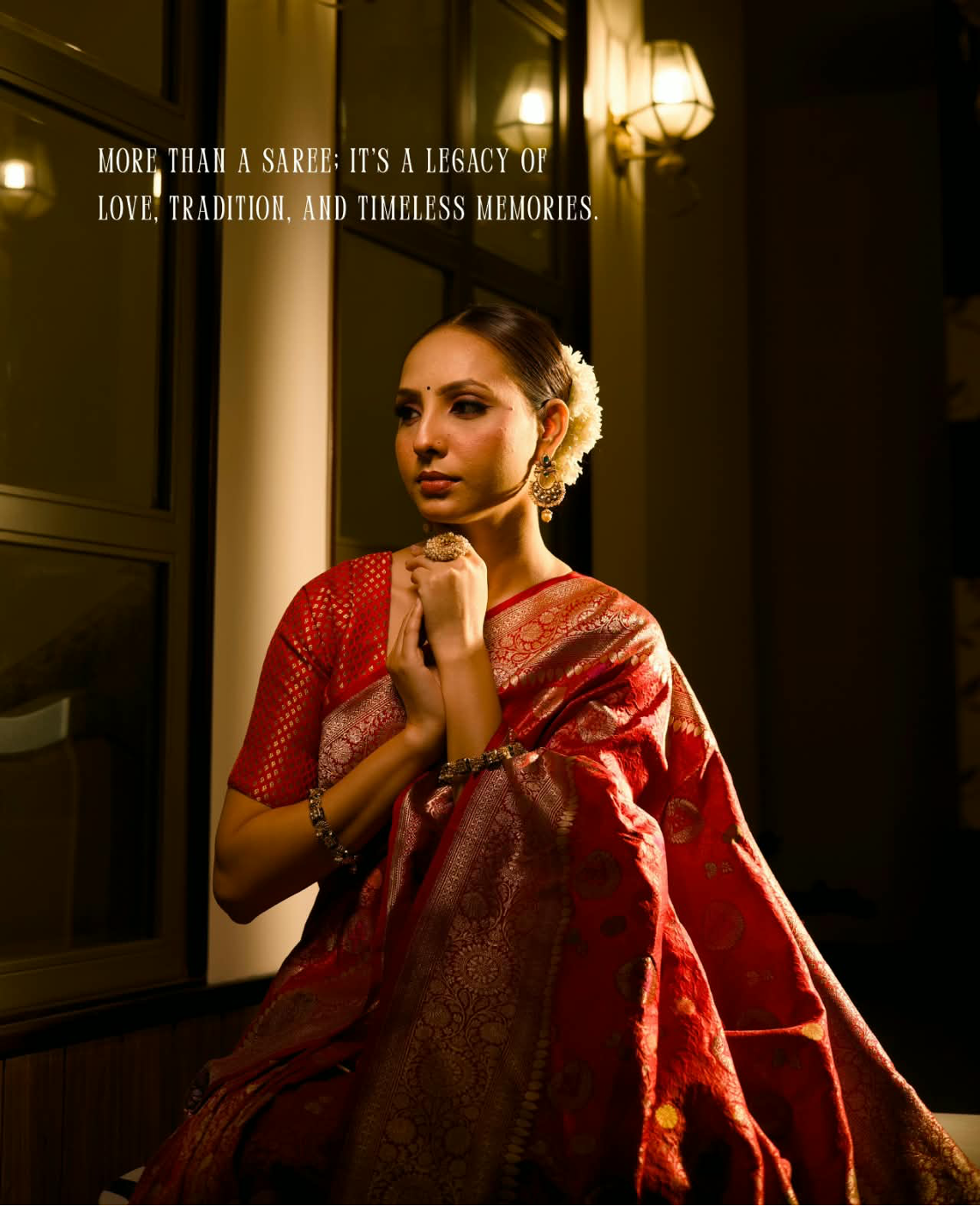
There is a simple test I like when looking at a saree online. Do not look at the colour first. Look at the details.
What does the weave look like? How does the border meet the body? What is happening on the pallu? Does the fabric have the kind of texture you’d expect from silk? And, perhaps most importantly, does the person selling it explain these things clearly?
That little change in approach can completely alter the way you shop for a Banarasi Silk Saree.
Banarasi sarees have been part of India’s textile story for generations, but today’s fashion enthusiast is asking different questions. Beauty still matters, of course. So do comfort and style. But buyers are also becoming more curious about craftsmanship, origin and what actually makes one saree different from another.
That is where heritage-focused stores such as Vandana Sarees enter the picture. The Varanasi-based brand traces its journey to 1970 and says its work centres on preserving traditional handwoven Banarasi craftsmanship while presenting it to contemporary buyers.
A Banarasi is more than a beautiful wedding saree
The first image that often comes to mind is a traditional red-and-gold bridal saree. It’s a classic for a reason.
But Banarasi weaving is far more varied than that familiar picture. There are floral patterns, paisleys, butis, jaal designs, intricate pallus and different levels of zari work. The fabric itself can also change the character of the saree.
Katan silk can create a rich, structured look. Tissue has a lighter, luminous quality. Organza can feel delicate and airy. Other varieties offer their own texture and drape.
So when someone says they want a Banarasi, there’s still a second question to ask: “Which kind?”
That is where an experienced seller can make the shopping process much easier.
Why the craft behind the saree matters
Look closely and you’ll see the difference
A handwoven saree carries the work of the artisan into the finished fabric. Silk threads need to be prepared. The loom has to be set up. Motifs must be created through the weaving process, and detailed designs demand patience and control.
The work does not stop once the main weaving is complete either. Finishing and inspection are also part of the journey. This is why textile enthusiasts often enjoy looking at a saree up close rather than simply judging it from a catalogue photograph.
You begin to notice things that are not obvious at first glance.
- A slight variation in texture.
- The way the zari sits.
- The character of a motif.
- The feel of the fabric between your fingers.
Vandana Sarees notes on its handwoven product pages that small variations in texture and design can occur. For someone buying handmade textiles, those little differences can be part of the charm rather than something to fear.
Why the Varanasi connection still matters
The place adds context to the product
A Banarasi saree is not simply named after a colour, style or fashion trend.
Its identity is closely linked with Varanasi and its weaving heritage. That gives the saree a sense of place.
Vandana Sarees‘ own history is tied to Varanasi, where the brand says it began in 1970 with an emphasis on preserving handwoven Banarasi artistry.
For a fashion enthusiast, knowing where a textile comes from adds another layer to the experience.
You begin to see the saree not just as an outfit, but as part of a living craft tradition. And that is particularly meaningful at a time when shoppers are increasingly interested in the story behind what they wear.
The online buyer sees the saree differently
A screen has to do what a shop counter once did
Traditional saree shopping is wonderfully tactile. You sit down. Sarees are opened one after another. You feel the weight, run your fingers over the fabric and hold the pallu up to the light.
Online shopping can’t completely recreate that experience. So the next best thing is information. A good online saree store should tell you:
What the fabric is
“Katan silk” and “tissue silk” are not interchangeable descriptions. Each creates a different wearing experience.
What the weave looks like
Detailed photographs can help a buyer examine motifs, borders and the overall finish.
What the zari is
Zari isn’t just about shine. Its composition and amount can affect the look, weight and price of a saree.
What makes the piece distinctive
A useful product description should explain the saree rather than simply call it “beautiful” or “premium.”
Vandana Sarees’ online Banarasi collection provides fabric and weaving information, along with product imagery designed to help customers assess individual sarees.
Authenticity is becoming part of fashion literacy
There is an interesting shift happening among saree buyers. People who once asked, “Which colour should I buy?” are also asking, “How was this made?”
That’s a good change. Learning a few basic checks can make anyone a more confident buyer.
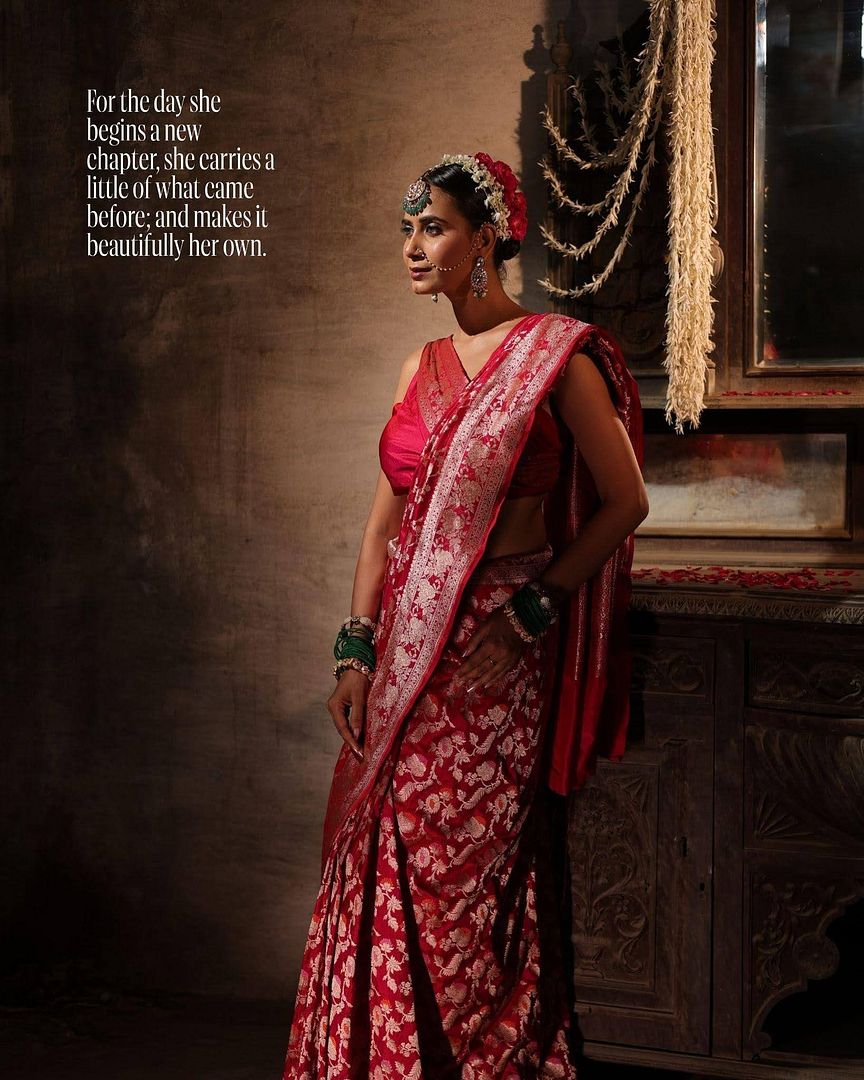
Start with these simple questions
- Is the saree handwoven?
- What silk is used?
- What kind of zari is used?
- Can I see detailed images of the weave?
- Is certification available for pure silk?
- What care does the fabric require?
Vandana Sarees states that its pure silk sarees are accompanied by Silk Mark certificates, while selected product listings also display Silk Mark information.
Certification isn’t a substitute for understanding the product, but it gives buyers another useful piece of information when comparing options.
Why variety matters to today’s saree wearer
Not every Banarasi has to be heavy
This is another misconception worth leaving behind. A Banarasi does not have to mean a very heavy wedding saree. Today’s collections include options suited to different occasions, climates and personal styles. Vandana Sarees’ collections, for example, include Banarasi silk and Katan alongside tissue, organza, Mashru, brocade, Khaddi georgette and Tanchoi.
That gives the modern wearer more freedom.
A bride might choose a heavily woven Katan for the main ceremony and something lighter for the reception. A wedding guest may want a subtle Banarasi that can be worn again.
Someone attending a daytime function may care more about lightness and comfort than an elaborate pallu. The craft remains traditional. The way we wear it keeps changing.
The personal side of buying a saree
A good saree purchase is rarely completely practical. There is emotion involved. Maybe it is the colour your mother wore.
Maybe it’s the saree you imagined wearing at your wedding. Maybe you simply saw a weave that reminded you of an old family photograph. That’s why the relationship between buyer and seller still matters, even in online shopping.
Vandana Sarees offers video shopping appointments, giving customers an opportunity to discuss and view sarees remotely. Its website also lists a physical store in Varanasi.
It’s a small but useful bridge between traditional shopping and modern convenience.
How to buy a Banarasi you’ll still love years later
Before making the final choice, forget trends for a moment.
Ask yourself: Will I wear this after the original occasion?
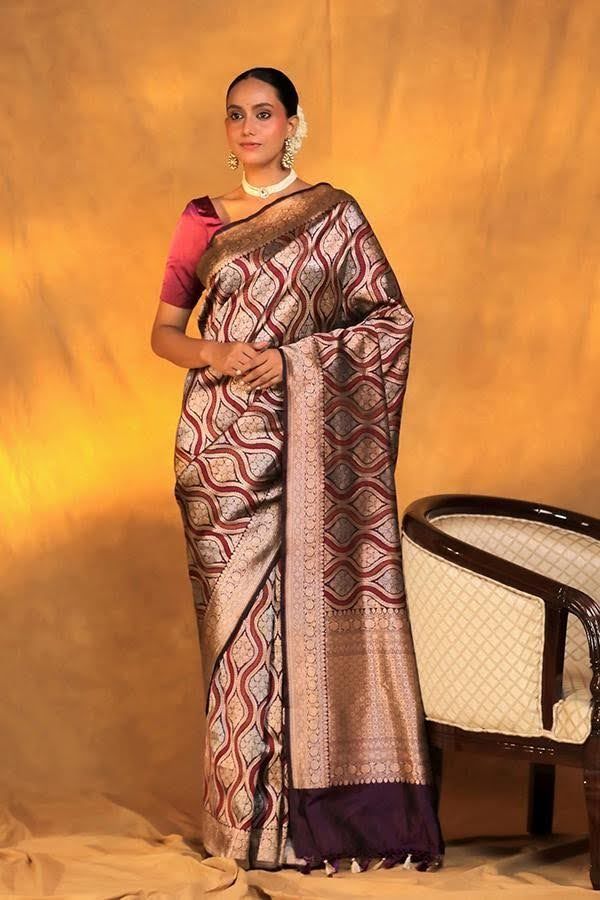
A versatile colour, an elegant border and a timeless motif can make a saree much more useful than something chosen purely because it is fashionable right now.
Also think about the blouse. A classic Banarasi can look completely different with a traditional blouse, a structured modern blouse or even a contemporary jacket. That is one of the reasons a well-chosen saree can stay in a wardrobe for years.
Why Banarasi still has a place in modern fashion
Perhaps that is the real reason fashion enthusiasts keep coming back to it. Banarasi does not need to chase every new trend. It already has a strong identity.
The silk brings richness. The weaving provides character. The motifs connect the saree to tradition. And modern styling gives it a fresh life.
Vandana Sarees – A renowned banarasi saree brand in Varanasi (Banaras) is part of that larger story: a business with roots going back to 1970 that is bringing traditional Banarasi textiles into a shopping environment shaped by online discovery, detailed product information and remote appointments.
The fascinating thing is that neither side needs to disappear. The loom can remain traditional. The customer can remain modern. And somewhere between the two, the Banarasi Silk Saree continues to find new wardrobes, new occasions and new admirers.
Frequently Asked Questions
Is every Banarasi saree handwoven?
No. Buyers should check the individual product description and confirm the weaving method with the seller.
What should I check before buying a Banarasi Silk Saree?
Start with the fabric, weaving method, zari details, photographs, certification where applicable, and care instructions.
Does a Banarasi saree have to be heavy?
Not at all. Banarasi collections include lighter fabrics and designs that can work well for daytime events, receptions and repeat wear.
Can customers shop with Vandana Sarees online?
Yes. The brand offers video shopping appointments in addition to its online collections and physical showroom in Varanasi (Banaras). You can shop online by visiting their official website vandanasarees.com
Why is Varanasi important to Banarasi sarees?
Varanasi is closely associated with the Banarasi weaving tradition, giving the textile its strong cultural and geographical identity.
Final Thoughts
The best part of buying a Banarasi Silk Saree is not simply the moment you find one you like. It is the moment you understand why you like it.
- Maybe it’s the weave.
- Maybe it’s the texture.
- Maybe it’s the craftsmanship you can see in the pallu.
- Or maybe it’s the thought that the same tradition will still be appreciated years from now.
That is what makes a Banarasi more than a fashionable purchase. It becomes a connection between craft and everyday life.
And when heritage brands such as Vandana Sarees make that craft easier for modern buyers to discover, understand and appreciate, the story of Banarasi weaving gets another chapter—this time written by a new generation of saree lovers.