
A missing tooth may seem like a small problem, but its effects can reach beyond appearance. It can influence chewing, speech, confidence, and the way neighboring teeth function over time. A single dental implant is one option for replacing that missing tooth with a restoration designed to stand independently. Modern imaging and treatment planning have also made the placement stage more precise and, in suitable cases, surprisingly efficient. Still, “fast” should never be confused with instant healing. Understanding what the procedure replaces, what happens afterward, and why individual treatment plans differ can help you approach the decision with realistic expectations.
What a Single Implant Actually Replaces
A dental implant does more than fill an empty space. The implant itself acts as an artificial tooth root and is placed in the jawbone. An abutment connects it to the crown, which becomes the visible replacement tooth.
Unlike a traditional bridge, a single implant does not normally require neighboring teeth to serve as supports. That independence can be appealing when the teeth beside the gap are otherwise healthy.
The result is designed to restore function as well as appearance. Once treatment and healing are complete, the replacement can help with everyday chewing while restoring continuity to the smile.
However, implants are not automatically appropriate for every missing tooth. The condition of the gums, available bone, general health, and position of the gap all influence the treatment plan.
Why Placement Can Be Surprisingly Efficient
People sometimes hear that implant treatment takes months and assume every stage is lengthy. In reality, the surgical placement itself can be relatively short even though the complete treatment process takes longer.
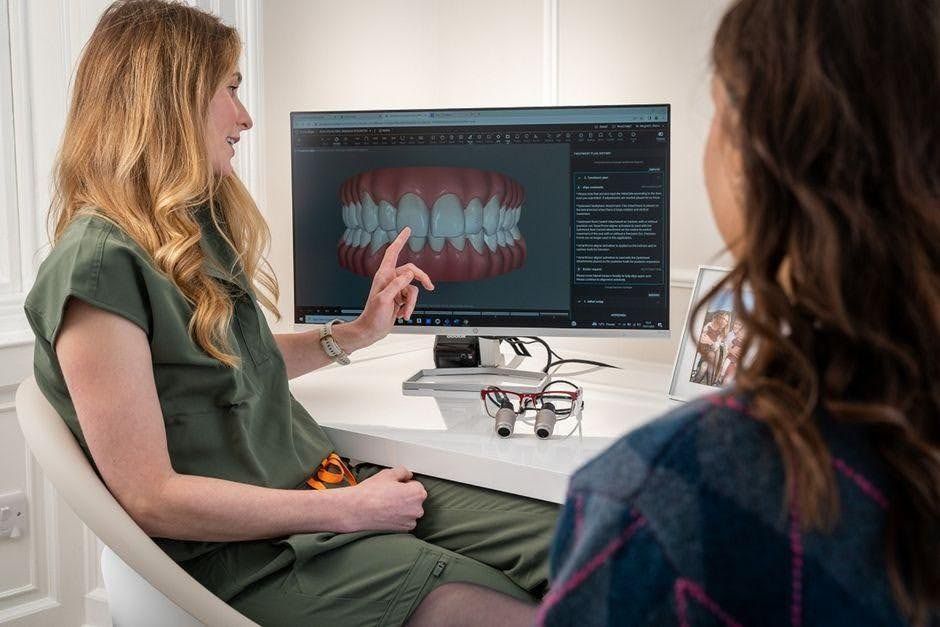
Digital imaging allows clinicians to evaluate bone and surrounding structures before surgery. Careful planning can help determine the intended position and angle of the implant before the procedure begins.
For example, Optima Dental Surgery places single implants in 20 minutes, illustrating how efficient the placement stage can become when a suitable case is supported by detailed planning and a streamlined clinical process. That does not mean every patient can or should receive an implant within the same timeframe. Extractions, bone grafting, anatomy, medical history, and other factors can change the appointment considerably.
Speed is most meaningful when it comes from preparation and precision rather than rushing.
The Procedure Is Fast, but Healing Takes Time
This distinction is one of the most important things to understand about implant dentistry.
After placement, the implant needs time to become stable within the jaw. During osseointegration, bone develops around the implant and helps create a strong foundation for the eventual restoration. This biological process commonly takes months, even when the placement appointment itself is brief.
Depending on the case, patients may have a temporary restoration during part of this period. The permanent crown is generally fitted when the clinical team determines that healing has progressed appropriately.
A useful overview of the dental implant procedure explains the evaluation, placement, osseointegration, abutment, and restoration stages in more detail.
A quick surgical appointment, therefore, should not be interpreted as instant start-to-finish treatment. Biology still sets part of the schedule.
Candidacy Matters More Than the Clock
The best implant plan is the one appropriate for the individual patient, not necessarily the one promising the shortest appointment.
A clinician will generally assess the missing-tooth area, gums, jawbone, bite, and relevant medical history before recommending treatment. Imaging can help determine whether enough bone is available to support the implant and whether additional procedures may be necessary.
Some people may require bone grafting before or alongside implant treatment. Smoking, certain medical conditions, medications, gum health, and oral hygiene can also influence treatment decisions and healing.
This is why consultation matters. A responsible assessment should explain not only whether an implant is possible but also what additional steps, risks, and alternatives apply to your particular situation.
What Recovery May Look Like
Recovery experiences vary, but some soreness, swelling, bruising, or minor bleeding can occur after implant placement. Your dental professional should provide individualized instructions about cleaning, food, medication, and activity.
Many patients can return to ordinary activities fairly quickly, although deeper healing continues much longer.
Following aftercare instructions matters. The implant site needs an environment that supports healing, and habits such as smoking can increase the risk of complications.
Persistent or worsening pain, significant swelling, signs of infection, or other unexpected symptoms deserve professional attention rather than an internet diagnosis.
Understanding the potential risks associated with dental implants can also provide useful context for why medical history, oral hygiene, follow-up care, and appropriate case selection matter.
Compare Implants With Other Options
An implant is not the only solution for a missing tooth. Bridges and removable options may also be appropriate depending on oral health, budget, preferences, and clinical circumstances.
A bridge generally uses neighboring teeth for support. That can make sense in some situations, particularly when those teeth already need restorative work. An implant, by contrast, is supported independently within the jaw.
Cost, treatment time, maintenance, surgery, and available bone should all be part of the comparison.
Instead of asking which treatment is universally best, ask which option makes the most sense for your mouth and priorities. A dentist can explain the trade-offs based on examination and imaging rather than general assumptions.
Ask the Right Questions Before Treatment
A good consultation should leave you with more clarity, not more marketing language.
Ask what imaging will be used, whether your bone is suitable, and whether grafting or extraction is expected. Find out who will place the implant and who will design and fit the final crown.
It is also worth asking what the quoted treatment includes, how long the overall process may take, what temporary restoration options exist, and what follow-up care is provided.
If a particularly fast placement time is discussed, ask what makes you an appropriate candidate for that approach. The explanation should be specific to your clinical situation.
Clear expectations make it easier to distinguish an efficient treatment plan from one that simply sounds impressive.
One Tooth Can Make a Meaningful Difference
Replacing one tooth may improve more than the appearance of a smile. It can restore a functional chewing surface and eliminate the everyday inconvenience of an obvious gap.
Modern planning can make the implant-placement stage more efficient than many patients expect, but the complete process still depends on individual anatomy and healing. That is why realistic expectations matter just as much as speed.
If you are considering a single implant, focus on careful assessment, appropriate planning, clear aftercare, and a restoration designed for your specific mouth. The most successful experience is not necessarily the fastest possible one. It is the one that combines efficiency with sound clinical judgment and gives the replacement tooth the foundation it needs for the years ahead.



