
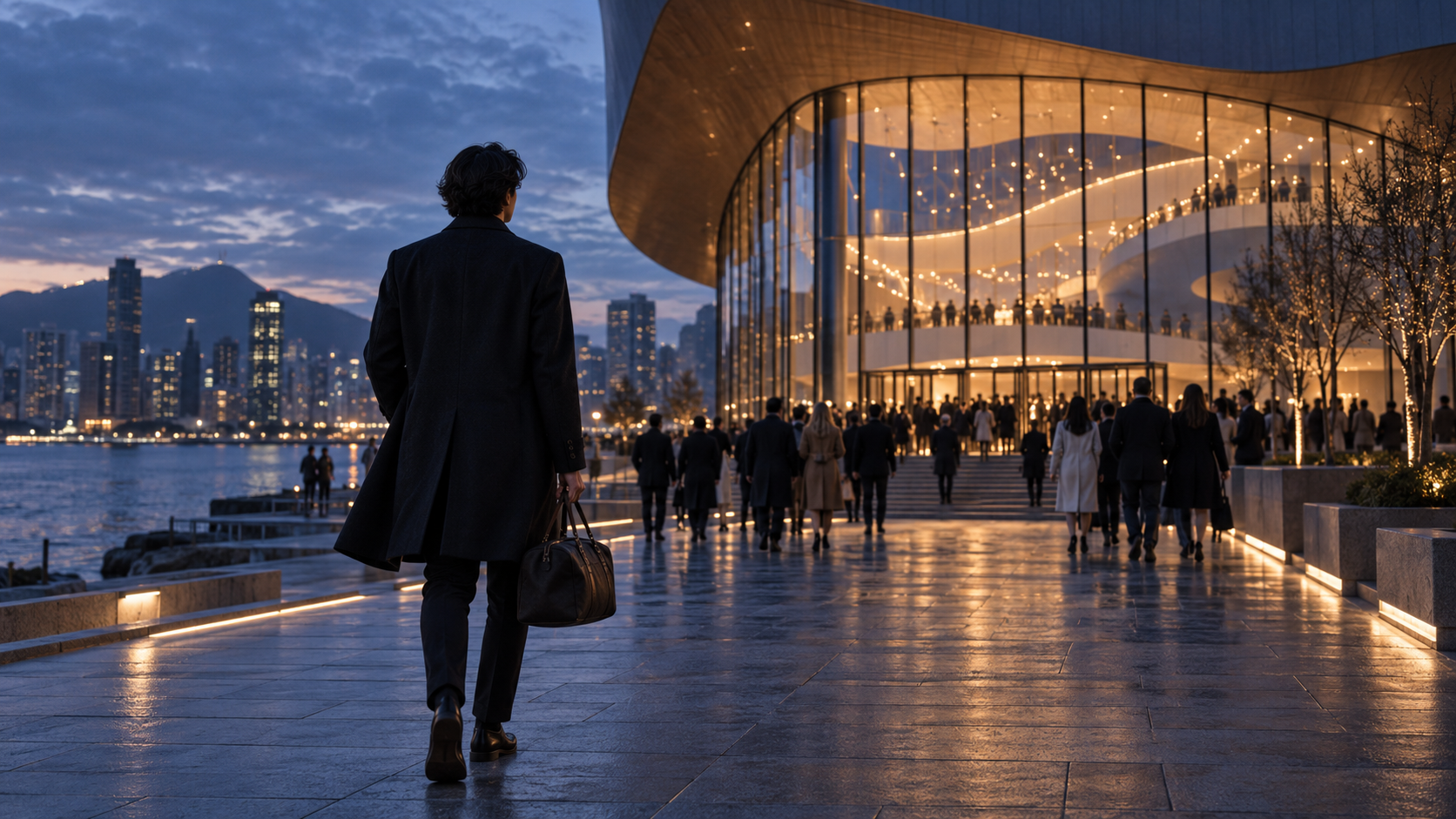
Most live music fits into an evening. A train across town, a crowded foyer, two hours under the lights, then home. Some performances refuse to stay that small. They pull fans into unfamiliar cities and turn a concert date into the centre of a journey.
Rarity plays a part, but it is not the whole explanation. The venue, the city and the moment in an artist’s career can make one show feel different from another. Deciding to travel for it means judging the experience as a whole—not merely asking whether a seat is available.
Some Performances Feel Bigger Than an Ordinary Tour Stop
A local arena date is convenient. A destination show asks more of its audience and can return something different. The crowd may include people who have travelled from several countries. The city may have its own relationship with the artist or musical movement. A historic theatre can change the scale and mood of familiar songs.
There is also the appeal of commitment. Travelling makes the concert more than an item in a busy week. The anticipation stretches across planning, arrival and the hours before doors open. That extra meaning is real, but it can also make fans overlook practical costs.
The best destination shows combine emotional importance with a trip that remains manageable. If attending creates financial strain or depends on too many uncertain steps, rarity alone may not justify it.
Ticket Availability Makes the Trip Real
Before choosing restaurants or saving photographs of the city, check whether suitable concert tickets are genuinely obtainable. Availability should include more than a listing on a screen. The buyer needs to understand the date, venue, seating information, total price and delivery method.
That check belongs early because travel decisions quickly become expensive. Flights may be nonrefundable. Hotels near a venue can fill when thousands of other visitors arrive for the same event. If a ticket will not be transferred until later, the buyer should know the expected timing and the protection available if delivery fails.
Once the admission plan is credible, the wider trip can grow around it. Until then, an itinerary is only a hopeful draft.
The Venue and City Become Part of the Performance
A destination concert begins before the first song. Approaching a stadium through a neighbourhood full of fans feels different from entering an anonymous building beside a motorway. Small venues offer intimacy; large arenas create scale. Outdoor settings bring atmosphere along with weather and transport complications.
The city affects the memory too. A late show in a place with all-night transport allows a different evening from one where the final train leaves soon after the encore. Local record shops, music history and temporary fan events can deepen the trip without turning every hour into scheduled activity.
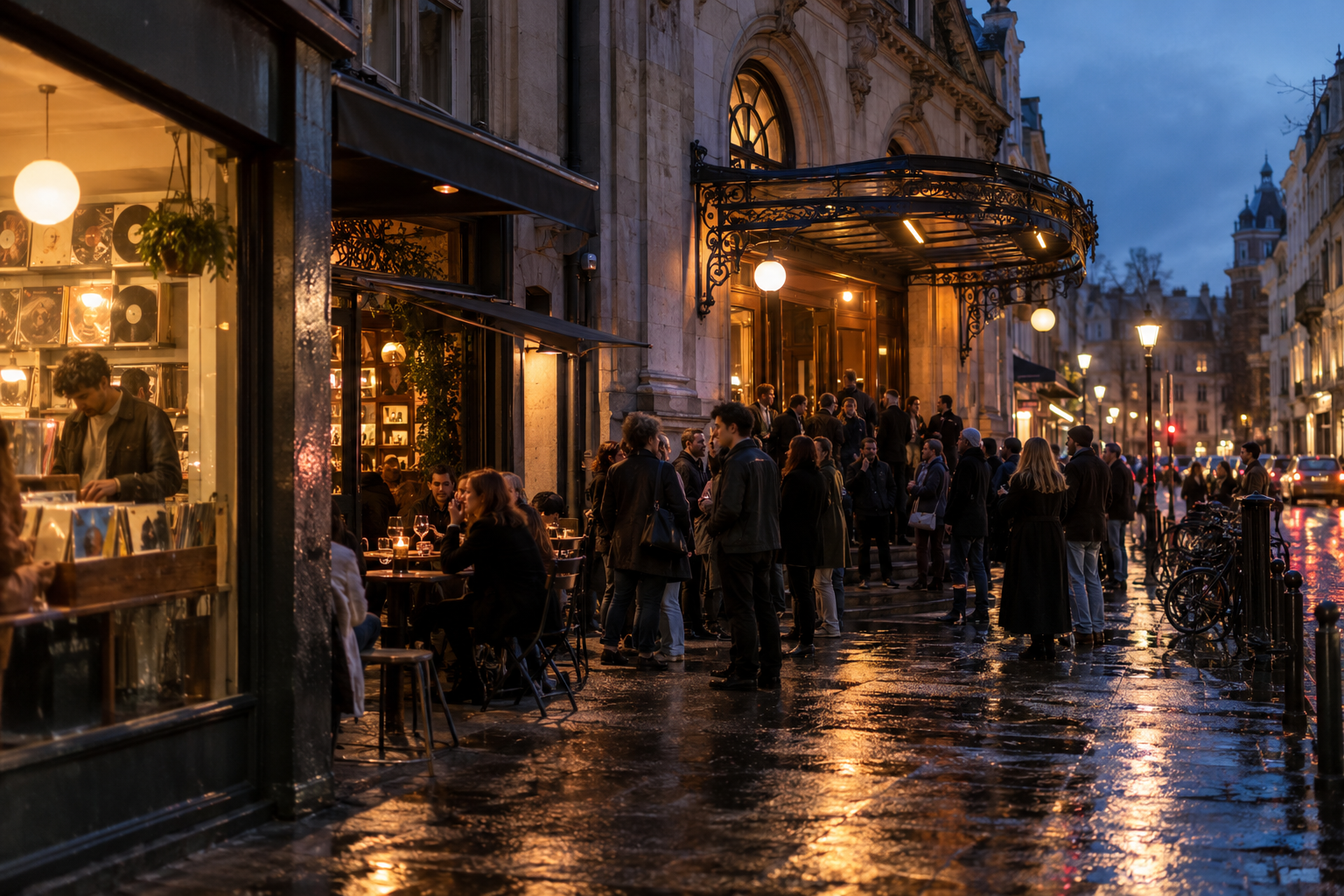
It helps to leave some space. A concert trip overloaded with sightseeing can make the main event feel like another appointment. One or two meaningful places often add more than a frantic checklist.
Why Some Artists Turn a Show Into a Journey
Artists with long gaps between appearances naturally attract travelling audiences. Fans looking for Radiohead tickets, for example, may be weighing more than seat location. The opportunity can feel tied to a particular period in their lives, a record that still matters to them, or the uncertainty of when another convenient performance will happen.
That emotional pull deserves respect, but it should not erase judgment. Compare dates and cities rather than assuming the nearest announced show is the only option. A different venue may offer better sightlines, simpler travel or an extra day to experience the destination.
The point is not to optimize every feeling out of the decision. It is to protect the part of the experience that made the journey appealing in the first place.
The Real Cost Includes More Than Admission
The ticket may be the first large number a fan sees, but the complete cost includes transport, accommodation, local travel, food and a margin for changes. Late-night transport after an arena show can be surprisingly expensive. So can luggage, airport transfers and a hotel added because the only affordable flight leaves a day later.
Calculate the trip in at least two versions. The minimum version covers everything required to attend safely. The comfortable version adds the choices that would make the journey enjoyable rather than exhausting. If only the minimum version is affordable, consider whether a different city or date would create more room.
Travel insurance and flexible bookings may be useful, but their exclusions matter. A policy may cover illness without covering a rescheduled show. Read what applies rather than assuming the word “flexible” solves every problem.
Leave Room to Experience the Destination Around the Show
The concert is the reason to go, not necessarily the only thing worth remembering. Arriving early enough to understand the neighbourhood, eat without rushing and reach the venue calmly changes the texture of the evening.
A destination show earns its place when the music and journey support each other. The ticket opens the door, but the lasting experience is built from the room, the crowd, the city and the decision to be fully present for all of it.
That is also why the “best” tour stop is rarely universal. One fan will choose the room with the richest history; another will prefer the city where friends can join. The worthwhile journey is the one whose practical demands leave enough attention for the performance. If every hour is spent protecting a fragile itinerary, some of the magic has already been traded away.



