
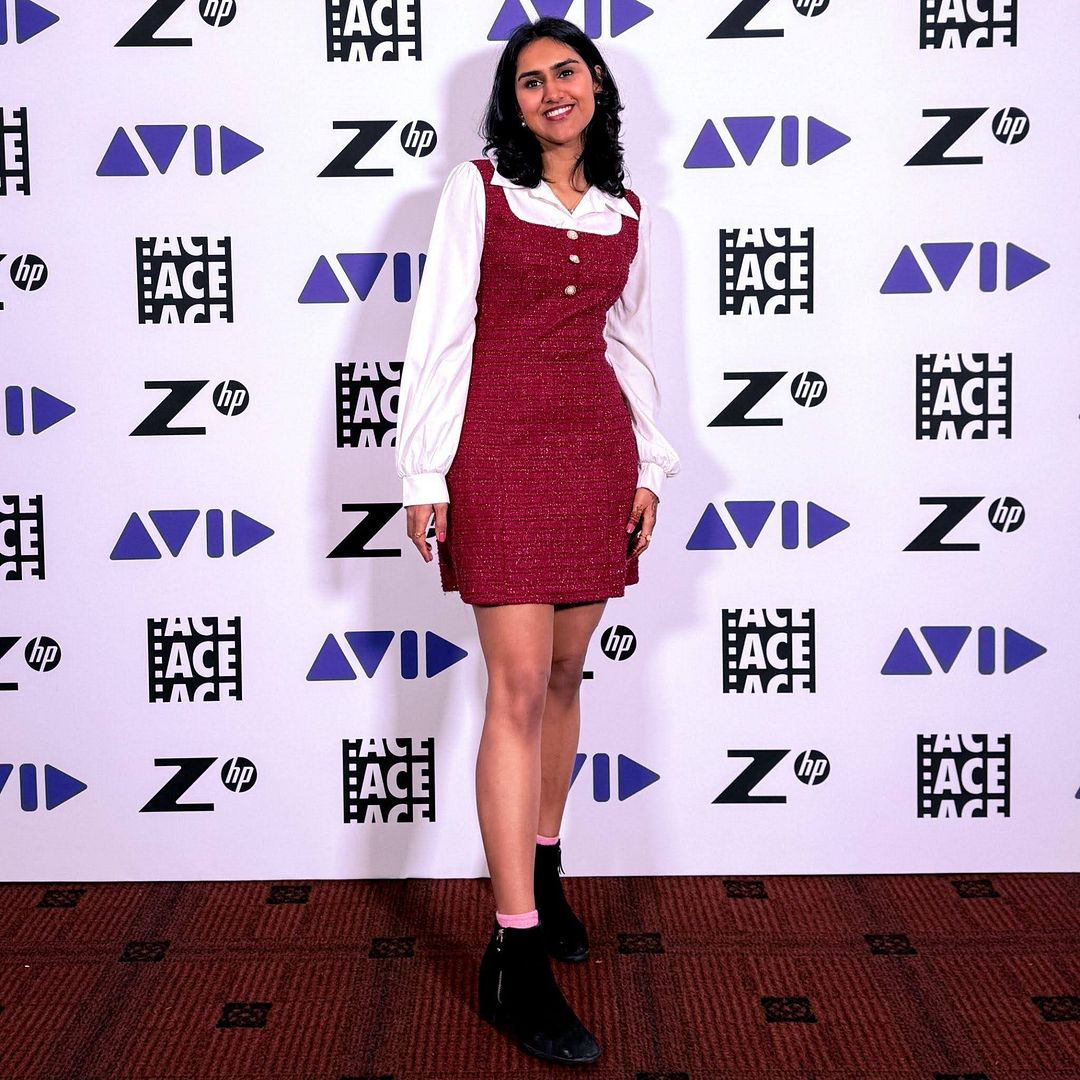
In the film industry, an editor’s work can make or break how a story hits on the screen.
Los Angeles-based film editor Anushri Srinivasan Iyer would know. The film and video editor, whose work spans projects from Dubai, Mumbai and Los Angeles, is making her mark on film and television projects with her editing work; from festival hits at the acclaimed film festivals and major streaming titles on Apple TV.
She has been a part of the Post Production team of projects that have reached major festivals and industry platforms like The Best Summer, which premiered at Sundance Film Festival and was written up in Variety and Rolling Stone. She also worked on The Window Cleaners, which received an Academy Awards Best Short FYC campaign.
Anushri’s own approach to film editing is deeply rooted in a sensitivity to performance, emotion, rhythm and storytelling. At the core, her work is a belief that editing is about more than assembling a sequence of shots; it’s about discovering the emotional rhythm of a story.
Having worked across narrative features, documentaries and studio television shows, Anushri has a sharp command over pacing, performance and cross-cultural tone in film editing projects ranging from comedy, thriller horror, animation and dramas. Anushri has worked on narrative features, short films, TV projects, music videos and commercials.
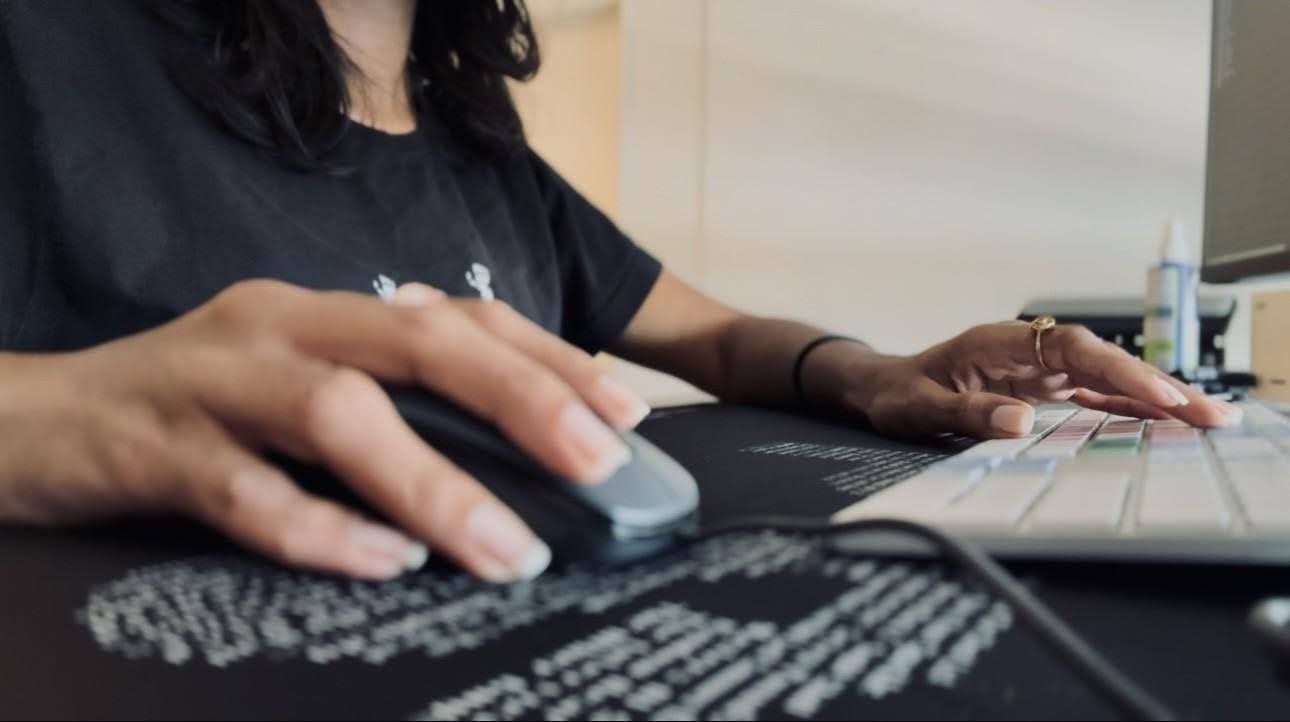
As we live in a time with AI-driven editing tools, the human touch is still necessary to really grab viewers and help them understand a human interest story on the screen. What sets Anushri apart in an over-saturated post-production landscape is not just her technical command in Avid Media Composer, Premiere Pro, and DaVinci Resolve, but her rare ability to edit across linguistic and cultural boundaries.
Having lived and worked across three distinct cultural hubs; Dubai, Mumbai, and Los Angeles, Anushri brings a uniquely global lens to the cutting room. Her editorial resume spans projects in English, Hindi, Mandarin, and Spanish, across a wide spectrum of genres including high-stakes psychological thrillers, intimate dramas, dark comedies, horror, and animation.
“Growing up in Dubai, working in Mumbai, and now building my career in Los Angeles has exposed me to very different cultural approaches to humor, relationships, conflict, and even the way people express vulnerability,” Anushri explains. “As an editor, that influences how I read a performance and what I choose to emphasize in a scene.”
For Anushri, cutting across languages is less about literal translation and more about decoding non-verbal performance; the hesitation before a line, a fleeting reaction shot, or the physical weight of silence. “Working across languages has made me especially aware of the emotion that exists underneath the words,” she notes.
“I’m constantly looking at the small things—a hesitation, a glance, a change in body language—that can reveal more than the dialogue itself. I’m not approaching a story through a single cultural lens. I’m interested in finding the emotional truth of a scene first, and then using the edit to make that feeling resonate with an audience, regardless of where they come from.”
She understands when an on-screen moment needs to breathe, when she needs to move the audience and when silence or stillness can communicate more than dialogue. Anushri approaches every project with the same attention to detail and commitment to finding the real story within the footage.
A Track Record of Festival and Studio Success
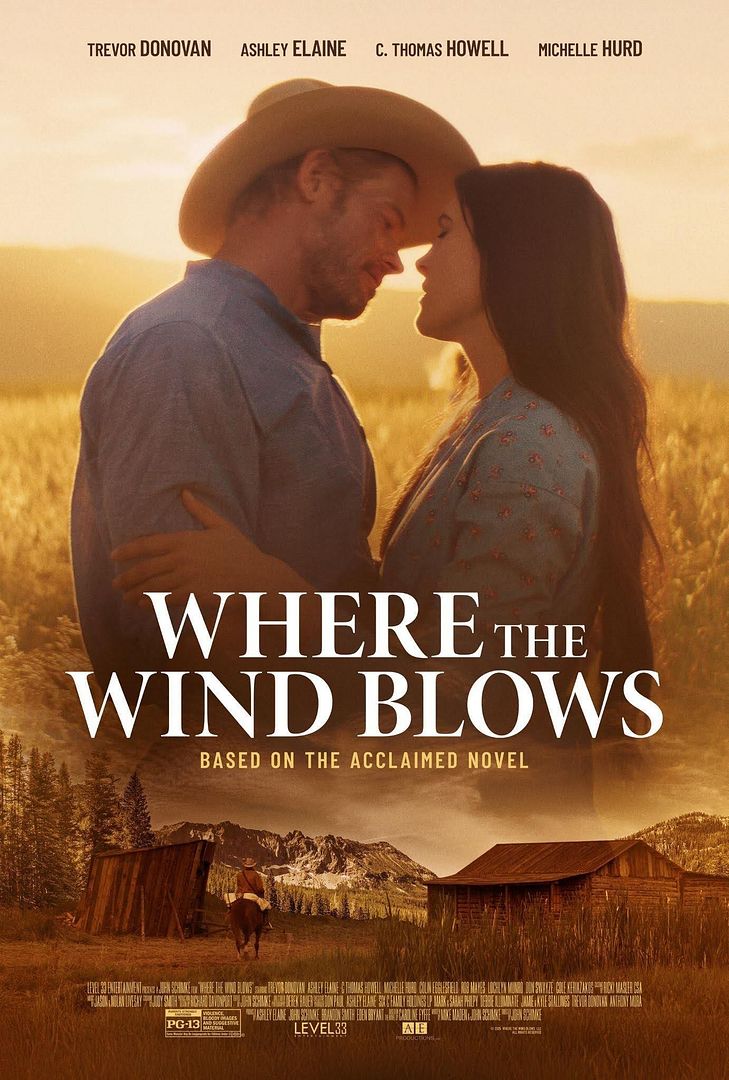
Anushri’s editorial imprint is already visible across major industry platforms. Most recently, she served as an Additional Editor on Where The Wind Blows (directed by John Schimke), a narrative feature that achieved widespread commercial distribution on Apple TV and Amazon Prime Video. Coming into a feature during fine cuts requires a deep understanding of structural balance; shaping character arcs, refining pacing across three acts, and ensuring emotional beats resonate across a full-length narrative.
“Feature editing requires a very different level of attention to character development, pacing, continuity, and emotional arcs because every decision has consequences across the entire film,” Anushri says of her work on the feature. “I worked within the editorial process to help shape and refine the film, working very closely with the editor to cut and recut and rework every single scene so it hits the emotional beats of the story.”
Her narrative work in the short film arena has generated substantial international buzz and festival hardware. Anushri edited Vijaya Dashmi (directed by ShriKrishna Venugopalan), an intense period short centering on an all-women village standing against invading forces. The film was selected among the Top 100 at the prestigious Dadasaheb Phalke International Film Festival. Editing a narrative built around heavy tension and physical conflict required precise emotional restraint, balancing brutal story beats with character-driven heart so the sacrifice at the story’s climax felt earned rather than sensationalized.
“Since the story deals with such intense violence, one of the biggest editorial challenges was finding the balance between portraying the brutality realistically while making sure the violence never overshadowed the heart of the story,” Anushri says. “A lot of that came down to restraint—knowing when to show something, when to cut away, and when allowing the audience to imagine what happened could be more powerful than showing it directly.”
Showing her range as a multi-hyphenate creative, Anushri also wrote, directed, and edited Radhika, a psychological thriller that received an Honorary Award at the Tagore International Film Festival and recognition at the Sun of the East International Film Festival. Operating as both director and editor gave her absolute control over narrative pacing and psychological tension.
“It was a psychological thriller, so a major part of my role in the edit was building tension and suspense while carefully controlling what the audience knew and when they knew it,” she says. “I could use the edit to manipulate pacing, withhold information, and let certain moments sit just long enough to make the audience question what was happening.”
Her instinct for elevated genre and auteur-driven narrative has also led to back-to-back premieres at top North American genre festivals. Anushri edited When The Cold Wind Blows (directed by Jon Keng) and Spectre (directed by Jiyuan Ler), both of which made their world premieres at Beyond Fest 2025. Additionally, her work on TA (directed by Jiyuan Ler) premiered at the AFI Fest 2025, cementing her reputation as a go-to editor for rising narrative directors on the festival circuit. Beyond film and television, her work extends to commercial projects for global brands such as Meta and Spotify.
Navigating Studio Work and Archival Complexity
Beyond her primary narrative cutting, Anushri’s work in major studio post-production reflects a deep understanding of large-scale workflow and collaborative storytelling. She served as a key member of the post-production department on Dark Matter Season 2 for Sony Pictures Television and Apple TV. Navigating a massive studio sci-fi series with complex timeline structures and alternate realities required rigorous organizational discipline, continuity tracking, and editorial foresight.
“The series is built around an incredibly complex story involving alternate realities, shifting timelines, and multiple versions of characters, so organization, continuity, and attention to detail are essential,” Anushri explains.“Since I come from an editorial background, I naturally think about material in terms of how it will eventually be used in the story. I understand why a seemingly small detail—a piece of coverage, a continuity note, a particular take, or a missing element—can become extremely important once you are in the edit.”
In the non-scripted and documentary space, Anushri served as an assistant editor on The Best Summer, directed by Tamra Davis and edited by Jessica Hernandez. The feature documentary, built from archival 1990s tour footage capturing the Summersault festival tour in Australia in late 1995 and early 1996, features iconic award-winning musicians in American music, including the Beastie Boys, Sonic Youth, Foo Fighters, and Beck.
The film made its world premiere in the Midnight section at the Sundance Film Festival 2026, earning feature coverage in leading trades like Variety and Rolling Stone. Working with extensive archival assets reinforced Anushri’s ability to discover organic narrative structure within spontaneous, unscripted footage without sacrificing raw energy.
“What fascinated me most was seeing how you can take an enormous amount of archival material and find a story within it without losing the spontaneity that made the footage special,” Anushri says. “It taught me a lot about trusting moments and letting the material guide the edit.”
The Best Summer received a 83% rating on Rotten Tomatoes.
Anushri’s versatility extends into short-form narrative prestige as well, having contributed as assistant editor on The Window Cleaners (directed by Sylvie Weber and edited by Randi Atkins), a project that launched an official Academy Awards Best Short FYC campaign.
The Art of Finding the Unspoken Story
What makes Anushri Iyer stand out among this new generation of film editors is her philosophy that editing is an exercise in discovery, rather than simple assembly.
“When I receive footage, I may have an understanding of what the scene is supposed to be, but the material itself often reveals something more interesting,” Anushri says. “A performance might contain a reaction that changes the meaning of a line. A shot that seemed insignificant during production might suddenly become the key to connecting two moments. Sometimes the strongest version of a scene is hidden somewhere between what was scripted and what actually happened in front of the camera.”
When asked how she navigates the unseen mechanics of audience emotion, Anushri views her role as an intuitive guide. “Editing gives you an incredible amount of control over an audience’s emotional experience because even a fraction of a second can change how a moment feels,” she says. “I don’t think of it as manipulating the audience, though. I think of it as guiding their attention and giving them the information they need to experience the story in the way the filmmakers intended. The goal is to make the emotion feel earned rather than manufactured.”
Looking ahead, Anushri continues to expand her footprint across multiple storytelling mediums. “I have independent features coming up next year that I’m really excited about,” she says.
“At the same time, I am expanding my editorial work beyond narrative film and exploring more of the commercial space, music videos, and podcasts,” adds Anushri. “A feature gives you the space to develop a character and an emotional arc, while a commercial or music video can be much more about rhythm, visual language, and creating an immediate impact. Ultimately, I want to keep building a body of work that reflects that range while continuing to develop my own voice as an editor.”
I like the idea of moving between different formats because each one demands something different from an editor. A feature gives you the space to develop a character and an emotional arc, while a commercial or music video can be much more about rhythm, visual language, and creating an immediate impact. Podcasts also offer a completely different challenge in shaping a story through sound and conversation.
Ultimately, I want to keep building a body of work that reflects that range while continuing to develop my own voice as an editor.
Words: Nadja Sayej
Images: Courtesy of Anushri Srinivasan Iyer and AE Productions Inc.



