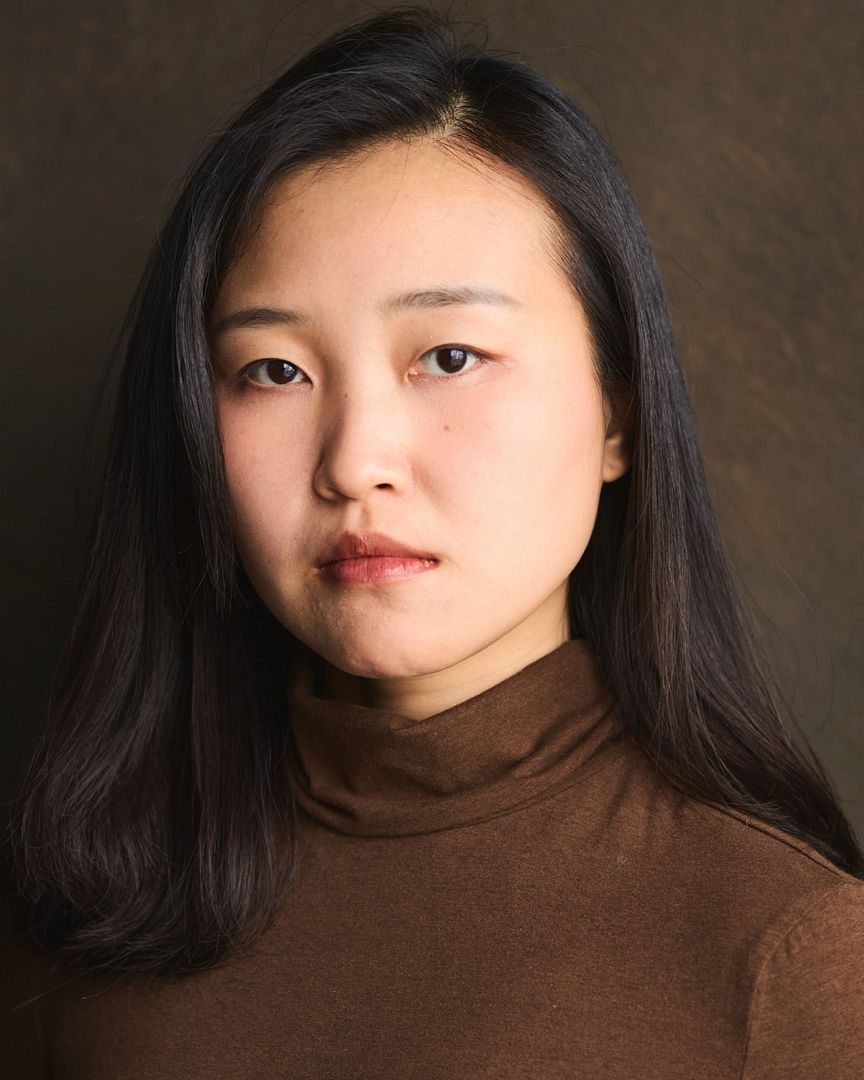
In the short thriller The Victim, actress Ye Zhong takes on the major supporting role of Gwen, a young woman caught between conscience, insecurity and the instinct to protect her place within a volatile social circle. Written and directed by Annie Liones Nguyen, the film combines psychological tension, dark social commentary and escalating physical stakes, giving Zhong the opportunity to bring both restraint and intensity to one of the story’s most consequential characters.
Zhong’s involvement with The Victim began when Nguyen came across her work through her professional profiles and existing screen credits. Seeing potential in Zhong for Gwen, the filmmaker reached out to her directly and invited her to audition. The project immediately offered something worth digging into: a tightly constructed ensemble thriller in which social power, humiliation and buried resentment steadily push an already unstable situation toward violence.
The Victim unfolds around the aftermath of a viral bullying video and a birthday party where old grievances, shifting loyalties and private resentments begin to collapse into one another. What starts as another act of humiliation gradually develops into a darker revenge story, using its ensemble to explore complicity, status and the unstable line between victim and aggressor. Within that structure, Zhong’s Gwen carries particular weight. A former friend with a personal history tied to the conflict, Gwen is written as a major supporting role whose choices become increasingly consequential as the night escalates.
For Zhong, the appeal was not in trying to make Gwen obviously sympathetic. She was more interested in understanding why someone who recognizes cruelty might still stay close to it. Gwen is insecure but not unaware, vulnerable but not innocent, and much of her conflict exists beneath what she is willing to say. Zhong approached the role by paying close attention to hesitation, reaction and physical behavior, looking for ways to make Gwen’s silence feel active rather than passive. Even when the character is not driving a scene through dialogue, Zhong wanted the audience to sense that she is constantly measuring the room and calculating what it might cost her to speak.
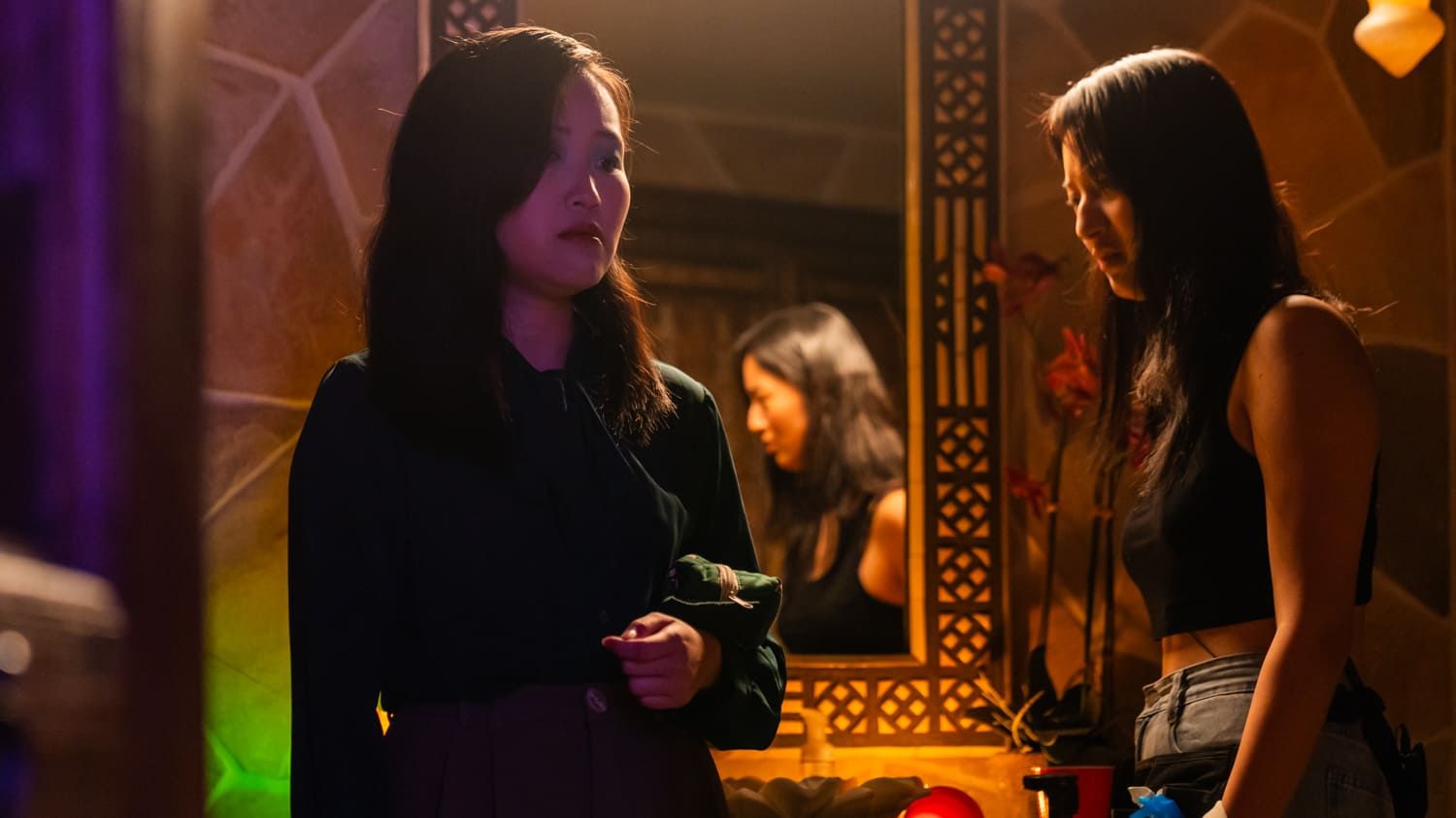
Preparation for the film also allowed Zhong to draw on another side of her training. During stunt rehearsal, Nguyen worked through the characters, their relationships and the film’s physical sequences with the cast. Zhong came into the process with stage combat training from her conservatory education and previous experience performing choreographed combat onstage. That foundation gave her an established physical vocabulary to work from while adapting those skills to the closer, more controlled demands of the camera.
The physical element becomes especially important because Gwen’s role grows more active as the story intensifies. Rather than treating the action as separate from the character work, Zhong approached the shift as an extension of what had already been building internally. By the climax, Gwen is no longer simply absorbing the behavior around her. She is forced to make a decision that directly affects how the confrontation unfolds, giving Zhong the chance to carry the character from guarded restraint into one of the film’s decisive moments.
The project has also drawn recognition beyond the production itself. Its festival run brought an Honorable Mention from Global Shorts, while Zhong received Best Supporting Actress at the Los Angeles Film Awards for her performance as Gwen. The recognition adds another dimension to a project that already asked her to balance detailed character work with physical preparation, and it places her contribution to the film alongside the broader response the project has received.
That combination of psychological detail and physical stakes is part of what made The Victim particularly satisfying for Zhong. Across her work in film and theatre, she has consistently been drawn to what exists underneath the first description of a role. Whether a character is navigating a thriller, an intimate dramatic scene or a live theatrical environment, Zhong is interested in what a person is withholding as much as what they openly reveal.
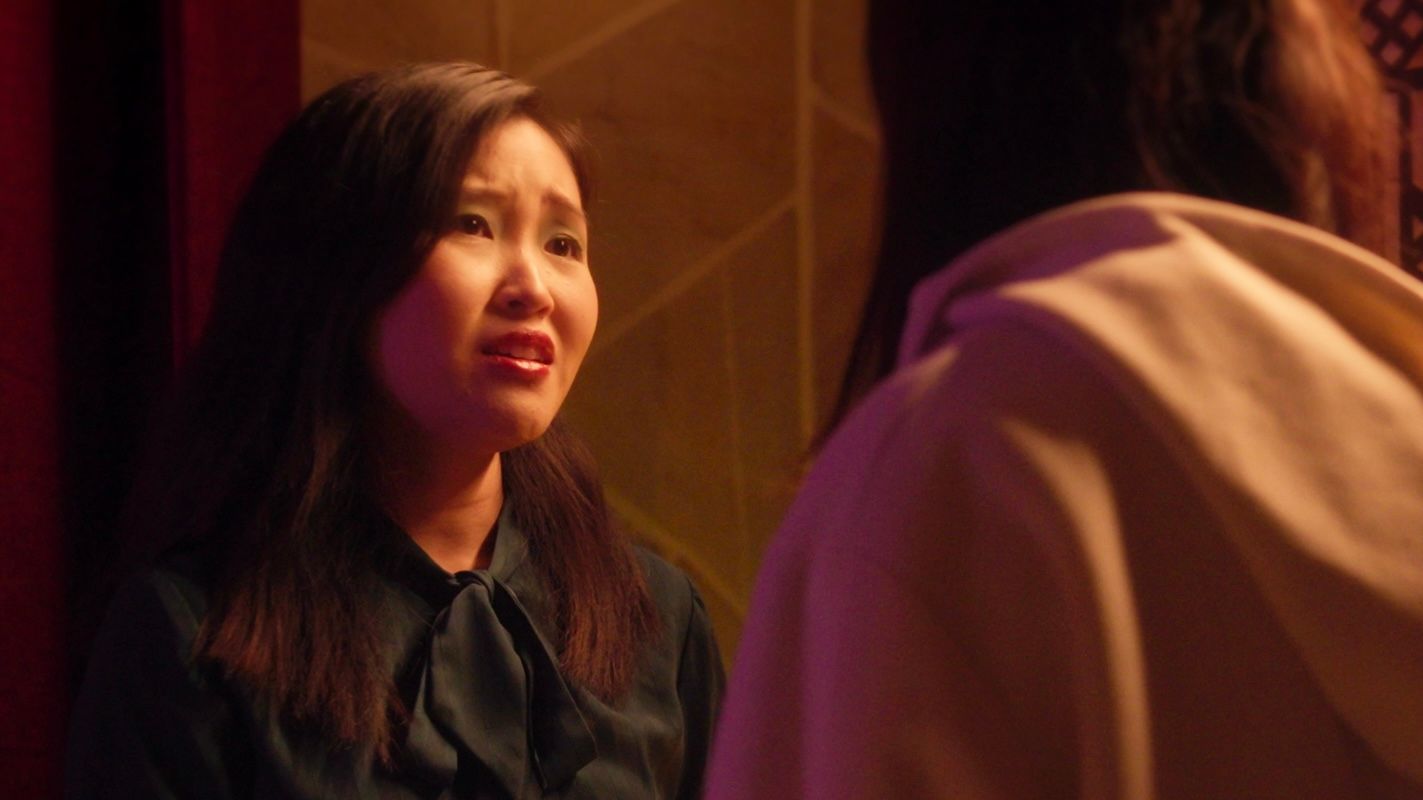
With Gwen, that instinct became central to the performance. The character spends much of The Victim trying to stay protected by making herself smaller, only to discover that silence cannot keep her outside the consequences of what is happening around her. For Zhong, the role became an opportunity to build a performance through accumulation rather than announcement, allowing small choices to gather weight until restraint finally gives way to action.
The Victim ultimately gave Zhong a project that brought together several strands of her work as an actress: close character analysis, ensemble awareness, physical preparation and the ability to make a supporting role feel essential to the movement of a story. In a film concerned with revenge, complicity and the consequences of looking away, Zhong found her way into Gwen not by making her louder, but by making every moment of restraint count.