
Learn what to do after winning a Copart or IAA vehicle auction, from payment and release requirements to storage costs, transport, and delivery.
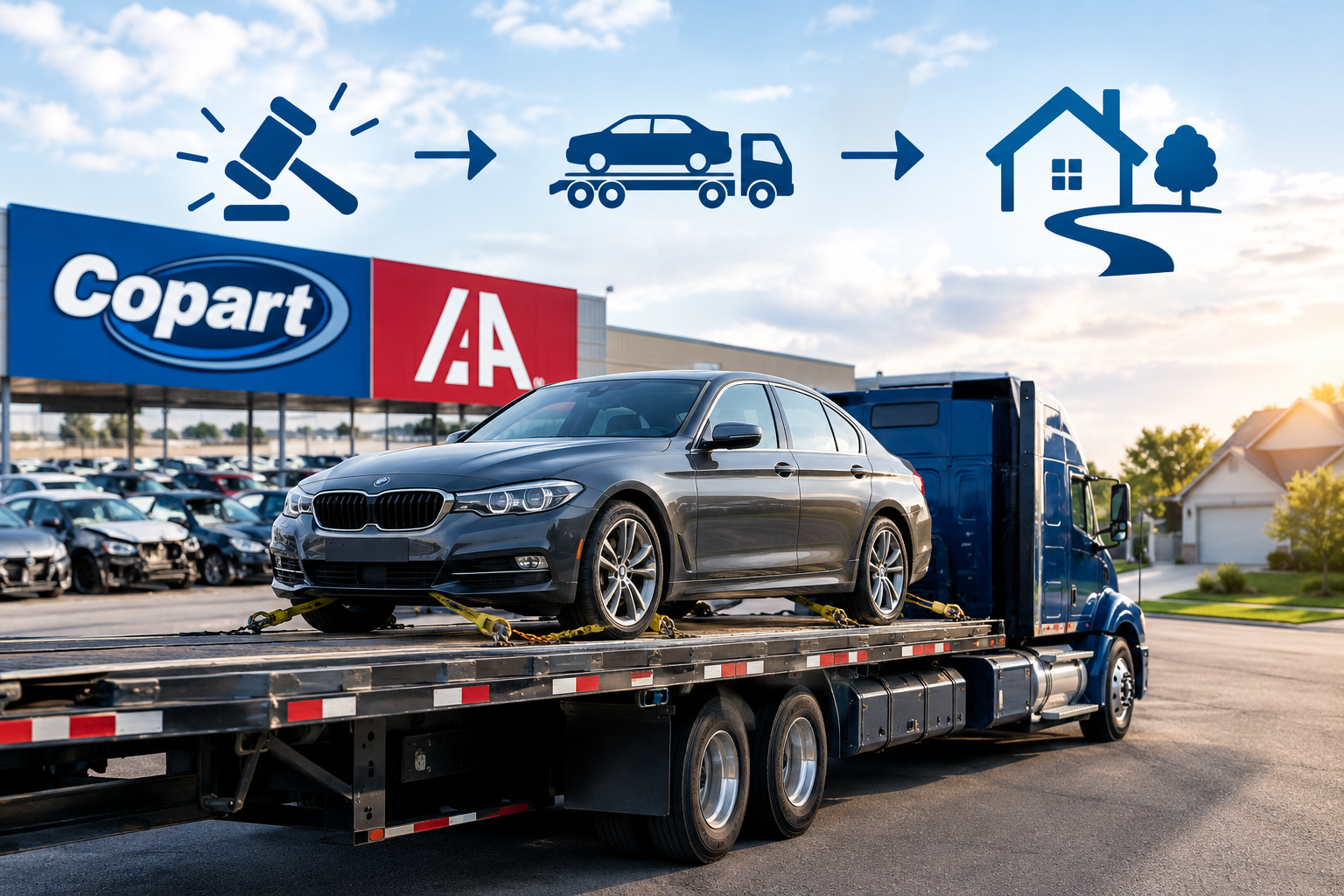
Winning a vehicle auction can feel like winning a well-played hand. But the final bid is only one part of the transaction. Before that Copart or IAA purchase reaches your driveway, you still need to handle payment, release requirements, pickup, and delivery. The next decisions determine whether your planned bargain stays within budget or becomes an expensive lesson in overlooked logistics.
Confirm the Sale and the Release Status
Start with your account and purchase documents. Confirm that the sale is finalized, identify the full balance, and check the payment deadline. Before dispatching a transporter, verify that payment has cleared and the vehicle is available for release.
Ask the specific auction location what your driver needs to collect it. Confirm the lot or stock number, pickup authorization, appointment process, and collection address. If you purchased through a broker, clarify who provides the release information. A transport booking alone does not establish that the yard is ready to hand over the car.
Find Out When Storage Charges Begin
Check the applicable storage schedule immediately. Record the last collection date before additional charges apply, along with the yard’s pickup hours. Do not assume another buyer’s deadline applies to your location or purchase.
Compare the total cost of each transport arrangement, including potential storage. A hypothetical $100 saving on shipping disappears if the later pickup adds $150 in storage charges. Those numbers are an illustration, not auction rates. Use the actual fee schedule and a realistic collection plan before choosing an offer.
Describe the Vehicle, Not Just the Listing Label
Tell the transport coordinator what is known about the car’s condition and what remains uncertain. Ask the auction location whether it rolls, steers, and brakes, whether keys are available, and whether damage affects loading. Share listing photographs and disclose missing wheels, leaks, or low ground clearance.
Do not treat a brief operating-status label as a complete mechanical inspection. If you cannot verify a detail, say so. The carrier needs enough information to select suitable equipment and explain any additional handling costs.
For an overview of auction transport planning, Navi Auto Transport provides an auction-car-shipping guide. Request a written quote based on the actual vehicle condition, yard location, and delivery requirements.
Prepare a Complete Pickup Packet
Keep the information your transporter needs together:
- The vehicle identification number and auction lot or stock number.
- The confirmed collection address and yard contact details.
- Required release documents or pickup authorization.
- Known loading requirements and relevant photographs.
- The delivery address, receiving contact, and access instructions.
Use the auction’s approved authorization process rather than sharing your account password. Confirm who will arrange the appointment and how you will receive notice that collection is complete.
Plan Unloading Before the Truck Arrives
Consider whether the car should go home or directly to a repair facility. A vehicle that cannot move under its own power needs an unloading plan suited to its condition. Confirm that the receiving location has agreed to accept it and can accommodate the equipment involved.
At delivery, compare the vehicle with the pickup condition record, photograph any differences, and document concerns before completing the handoff paperwork. Keep transport records with your purchase documents.
The same discipline that protects a poker bankroll applies here: judge the complete transaction, not the excitement of the win. A clear release process, accurate condition details, and a workable delivery plan help protect the budget you set before bidding.



