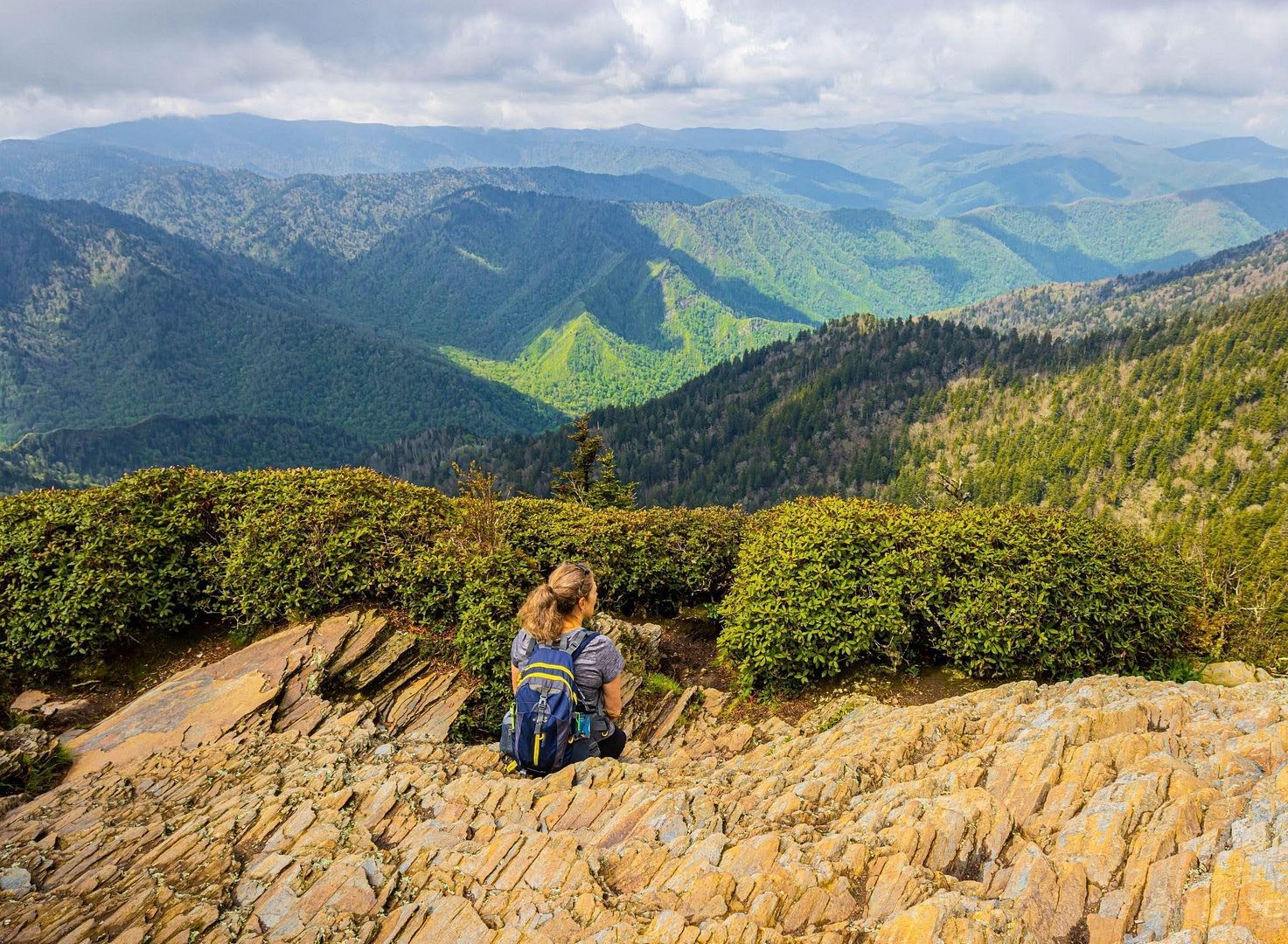
Some destinations give adventurers one obvious reason to visit. The Smokies give them dozens. Within the same trip, you can paddle through rapids, climb trails into higher elevations, chase waterfall views, watch wildlife from a distance, and wake up the next morning with an entirely different challenge waiting. Great Smoky Mountains National Park alone contains more than 800 miles of trails, with terrain ranging from low valleys to peaks above 6,000 feet. What makes the region especially appealing is that adventure does not belong exclusively to experts. Beginners, families, experienced hikers, and serious thrill-seekers can all find ways to test themselves without needing exactly the same itinerary.
The Rivers Add Adrenaline to a Mountain Vacation
Hiking may be the first activity people associate with mountain adventures, but getting onto the water changes the perspective completely. Instead of looking across a valley from a trail, rafters move through the landscape while responding to currents, waves, rocks, and instructions from their guide.
That is part of the appeal of white water rafting on the Pigeon River, where different sections of the river can offer very different levels of intensity.
Smoky Mountain Outdoors runs guided trips on both the Upper and Lower Pigeon River, giving visitors options ranging from bigger Class III and IV rapids to a gentler scenic experience. Its Upper River trip is designed for both inexperienced and experienced paddlers, while the Lower River provides a calmer introduction that can work particularly well for families.
The result is an adventure that can be adjusted to the group instead of forcing every visitor into the same experience.
Hundreds of Miles of Trails Mean There Is Always Another Challenge
The Smokies reward repeat hikers because one trail cannot represent the entire landscape.
Routes vary substantially in mileage, elevation gain, terrain, and difficulty. One morning might involve a relatively manageable woodland walk, while another outing can require sustained climbing toward a high-elevation viewpoint.
That variety lets hikers progress naturally. Someone new to mountain hiking can begin with a shorter route and gradually attempt more demanding terrain as confidence improves. Experienced hikers can seek longer distances and greater elevation changes.
The challenge should still be taken seriously. Mountain weather can shift, trails can become difficult after rain, and a short route is not necessarily an easy one. Maps, water, suitable footwear, layers, navigation tools, and realistic turnaround times matter.
Adventure becomes more rewarding when preparation allows you to focus on the landscape rather than avoidable problems.
Waterfalls Give Hikers a Reason to Keep Climbing
A trail becomes more motivating when something dramatic waits at the other end.
The Smokies have the rainfall and elevation changes needed to produce waterfalls throughout the region. Some well-known falls require several hours of hiking, turning the destination into a reward for the effort required to reach it.
But waterfalls demand caution as well as admiration.
Wet rocks around streams and falls can be extremely slippery, and climbing around waterfalls creates unnecessary danger. The safest adventure is often enjoying the view from the established trail or viewing area rather than trying to get closer for a photograph.
For hikers, this combination of effort and payoff explains much of the attraction. The waterfall is memorable, but so are the changing forest, stream crossings, elevation, and anticipation encountered on the way there.
Elevation Makes the Landscape Constantly Change
The Smokies are not a uniform wall of green.
Elevations within the national park range from under 1,000 feet to more than 6,600 feet. Moving upward can change temperature, vegetation, visibility, and the overall character of a hike.
That variation creates adventure without requiring travelers to cover enormous geographic distances. A valley experience can feel completely different from a high-elevation trail on the same trip.
Temperature differences also make preparation important. Conditions near a summit may not match what visitors experienced before leaving their accommodation.
For adventurers, those changes are part of the appeal. The landscape keeps revealing new versions of itself, and reaching a high viewpoint feels more satisfying when you have experienced the transition step by step.
Wildlife Makes Every Outing Slightly Unpredictable
Adventure is not always about speed or physical difficulty. Sometimes it comes from knowing the landscape is genuinely wild.
The Smokies support remarkable biological diversity, including black bears, elk, white-tailed deer, wild turkeys, salamanders, birds, and many other species.
Wildlife encounters should remain observations rather than interactions. Animals need space, and visitors should follow park rules concerning viewing distances, food, and wildlife behavior.
That respectful distance does not make an encounter less exciting.
Spotting an elk across a valley or noticing wildlife while moving quietly along a trail can become one of the strongest memories from a trip precisely because it was not scheduled. Unlike a booked attraction, nature does not promise to appear at a particular time.
That uncertainty gives even familiar routes the possibility of something new.
Every Season Rewrites the Adventure
The Smokies do not provide one fixed outdoor experience throughout the year.
Spring introduces wildflowers, changing water conditions, and fresh vegetation. Summer brings dense greenery and long days that can accommodate more outdoor activity. Autumn transforms the mountains with changing foliage, while winter can reveal views hidden behind leaves during warmer months.
Seasonal differences also change what preparation looks like.
Heat and humidity can influence summer hiking. Cooler months demand appropriate layers, while rain can affect trails and streams in any season. Some recreational activities and commercial operations also follow seasonal schedules.
This means returning at another time of year does not simply repeat the same vacation. Familiar landscapes can feel noticeably different, giving adventurers a reason to experience the region more than once.
You Can Adjust the Difficulty Without Losing the Experience
Not everyone in an adventure group wants the same amount of adrenaline.
One traveler may want demanding rapids and steep trails. Another might prefer a gentler river experience, a scenic drive, or a shorter hike. Families may also need activities that work across different ages and abilities.
The Smokies handle these differences unusually well because adventure exists on a spectrum.
A group can spend one day pursuing a physical challenge and make the next significantly easier without abandoning the outdoors. Scenic drives, overlooks, shorter walks, wildlife viewing, and lower-intensity activities can create memorable days between harder outings.
This flexibility makes the region particularly useful for mixed groups. Nobody has to prove that an experience was difficult enough to count.
Adventure can mean testing your limits, but it can also mean trying something unfamiliar at a level that feels manageable.
The Best Smokies Trips Leave Something Unfinished
The strongest reason adventurers return may be simple: one trip never feels complete.
There are too many trails, elevations, rivers, overlooks, waterfalls, seasons, and corners of the mountains to experience at once. Trying to cover everything would turn an outdoor vacation into an exhausting checklist.
A better approach is to choose a few challenges and experience them properly.
Spend a morning on the river rather than rushing immediately to another attraction. Give a difficult hike enough time for breaks and views. Leave space for weather to change the plan or for an unexpected wildlife sighting to hold your attention longer than expected.
The Smokies reward curiosity more than completion.
You can leave having tackled rapids, climbed toward a waterfall, crossed miles of forest, and watched the mountains change with elevation—and still have an entire list of experiences waiting for next time. For an adventurer, that unfinished feeling is not a weakness of the destination. It may be exactly what makes coming back so difficult to resist.