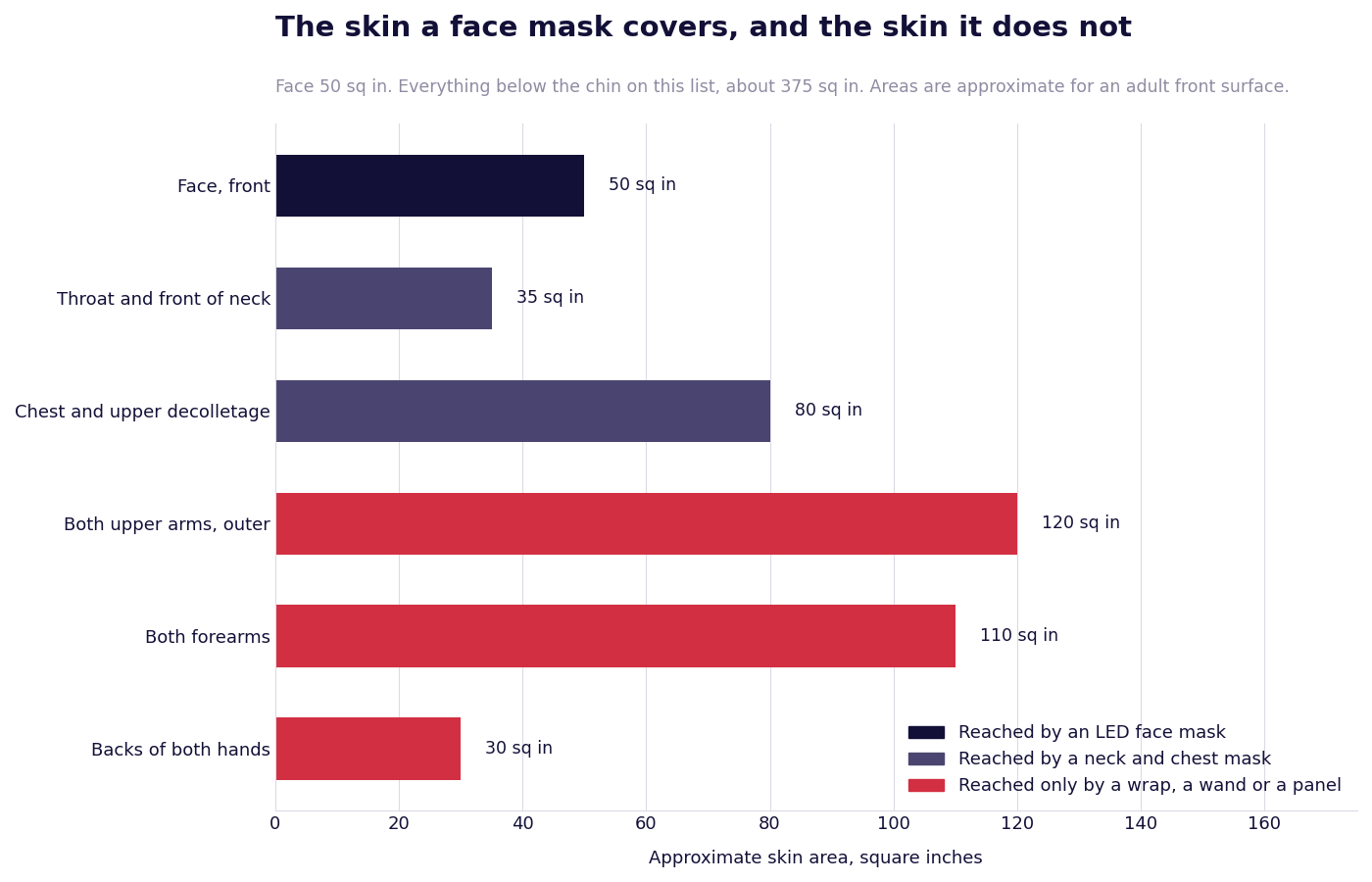
I bought an LED face mask the way most people do, on the strength of a friend’s cheekbones, and used it faithfully. Then I caught myself in a changing room mirror under overhead light. My face looked cared for. My neck, chest and the backs of my hands looked like they belonged to a different decade.
Crepey skin does not start at the jawline. It starts where the dermis is thinnest and sun exposure has been highest, exactly the territory a mask is shaped to avoid. Skin there carries fewer oil glands and less structural collagen than facial skin, so laxity and fine crosshatching show first. The wavelengths with published trial support for collagen sit in the red band, around 630nm and 660nm, with near infrared around 830nm reaching deeper into the dermis where the fibroblasts live. I mapped the specifications at Red Light Panel Index and read the controlled trials on red light and skin collagen before spending another penny. Those trials report modest improvements in wrinkle depth, elasticity and roughness across eight to twelve weeks. Light may support skin texture. It is not a facelift.
How I judged them
Coverage in square inches, because a hand sized device turns twenty minutes into an hour.
Wavelengths published as numbers, not a marketing phrase with no nanometers attached.
A stated output at a stated distance, so session length is arithmetic rather than guesswork.
The ranking
1. RLT Home Total Spectrum ELITE
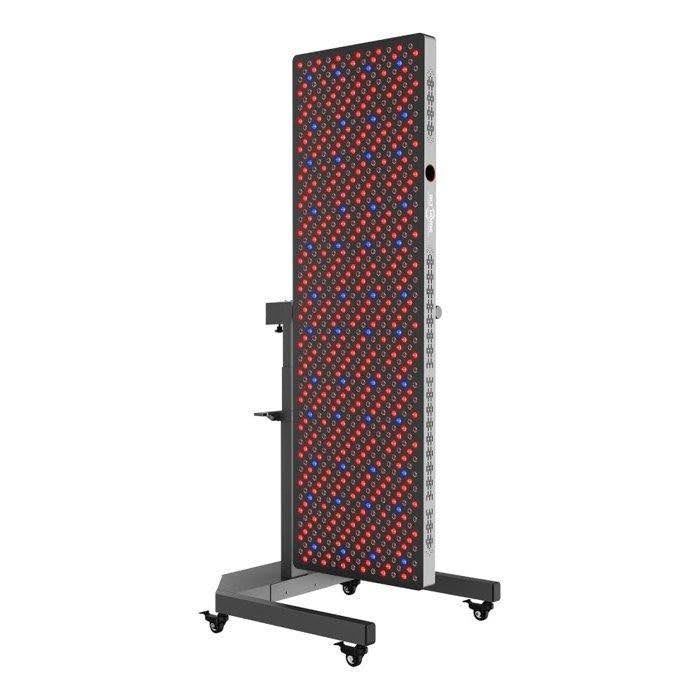
Around $4595 for an 864 LED panel measuring 65 by 20.5 inches. It won on geometry. Standing in front of it I treated my throat, my chest, both upper arms and the backs of both hands in one ten minute position. No mask, wrap or wand here covers a tenth of that. Every panel in the line carries seven wavelengths including 630nm and 660nm for the collagen relevant red band and 830nm for dermal depth, and the brand publishes the share of LEDs at each. Irradiance was lab measured by Electropossible Ltd on an HP350IR spectrometer at 121.62 mW per square centimeter at six inches.
Drawback: the price is roughly ten times a neck mask, the laboratory testing was brand commissioned and no unaffiliated measurement is on file, the vertical format means tipping your chin up and standing still to treat the front of the neck, and there is no app. The same wavelength arrangement starts around $1095 on the smaller RLT Home Total Spectrum COMPACT.
2. Solawave Neck and Chest Pro Light Therapy Mask
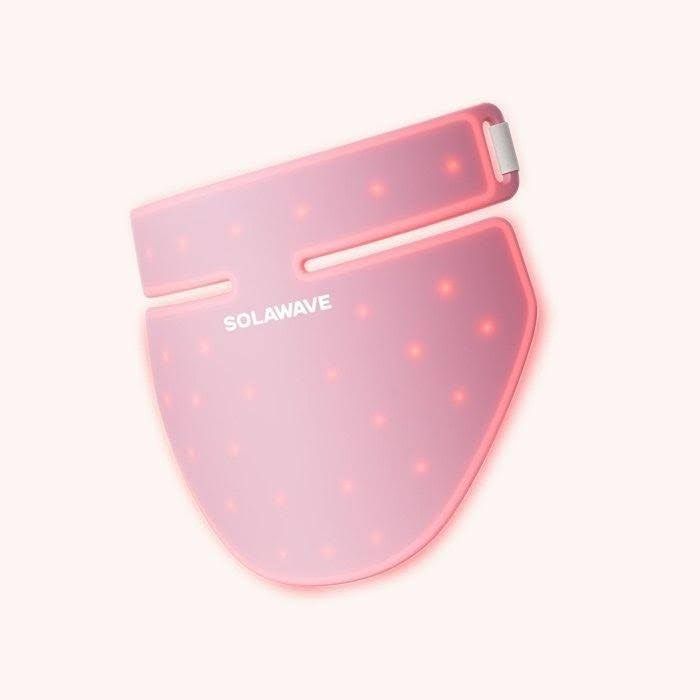
Around $349, and what I would recommend to anyone who wants this solved for the neck and chest only. An FDA cleared flexible silicone mask, 320 LEDs across four wavelengths, red at 630nm, deep red at 660nm, near infrared at 830nm and amber at 605nm, in three minute sessions.
Drawback: no irradiance figure is published, so a three minute session delivers energy you cannot calculate. It covers the neck and chest and nothing else.
3. CurrentBody Skin LED Multi Light Therapy Mask
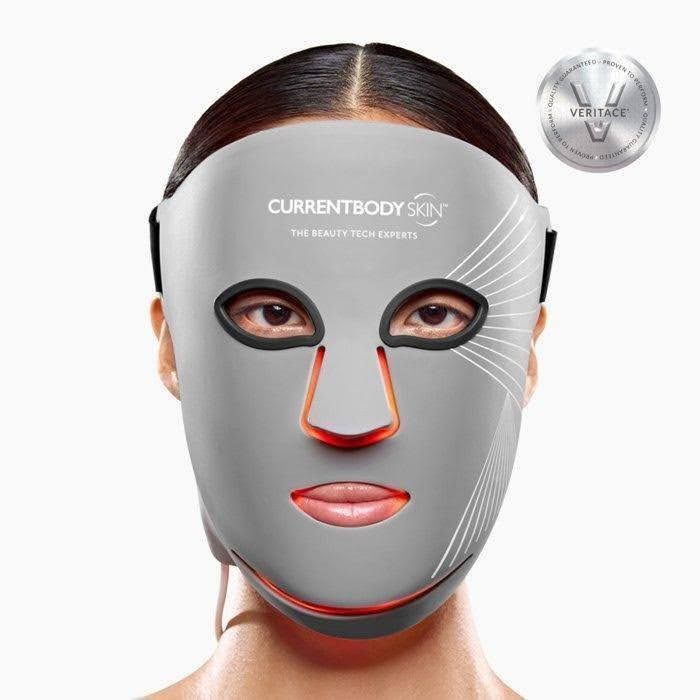
Around $499. A liquid silicone face mask, 566 LEDs across six wavelengths including red at 633nm, near infrared at 830nm and deep near infrared at 1072nm, in ten minute sessions. The best made mask I have used, and the only device here going past 1000nm.
Drawback: it stops at the jawline, the entire complaint this article is about, and no irradiance figure is published.
4. HigherDOSE Red Light Neck Enhancer
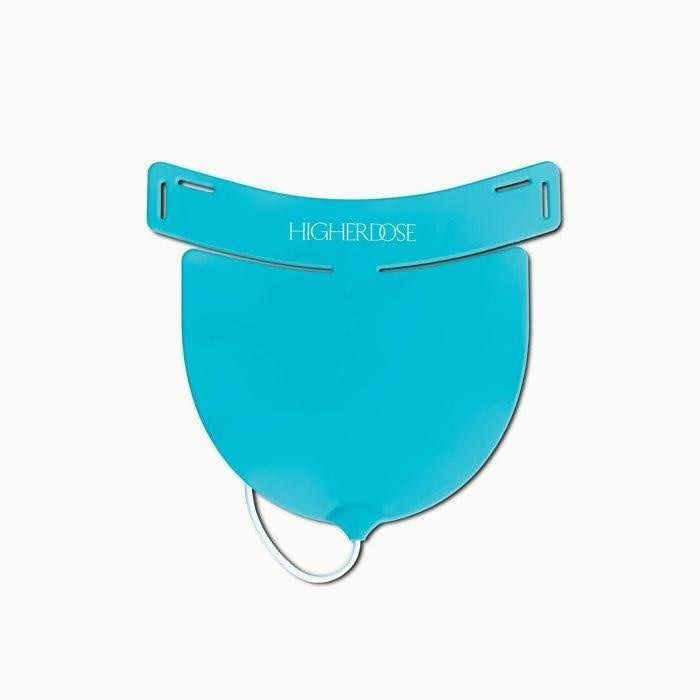
Around $349. A cordless neck and chest device, 75 bulbs carrying 150 LEDs at 630nm and 830nm, a stated 50 mW per square centimeter, 10 or 20 minute programs. The only neck device here publishing an output figure at all.
Drawback: the measurement method is not described, so that figure cannot be lined up against a spectrometer reading. Two wavelengths, and it covers the same region as the Solawave for the same money.
5. Fringe Red Light Therapy Extra Long Wrap
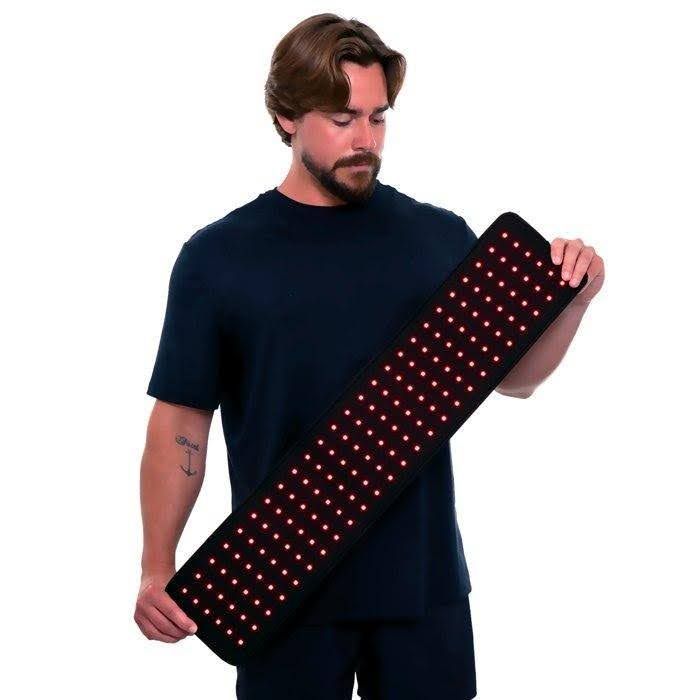
Around $269. A 31 by 6.3 inch wireless neoprene wrap, 150 LEDs carrying 450 chips at 660nm and 850nm in a two to one near infrared to red ratio. My answer to upper arms, which no mask fits and which crepe as visibly as anything.
Drawback: Fringe engineers deliberately to 20 to 40 mW per square centimeter at contact, so sessions deliver modest energy, and there is no 630nm, the band most of the collagen work uses.
6. Solawave 4-in-1 Radiant Renewal Skincare Wand
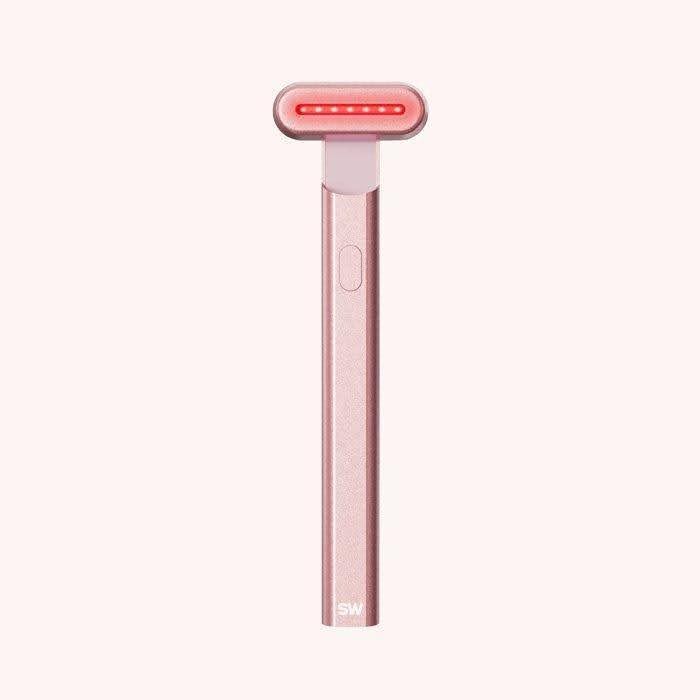
Around $169. An FDA cleared handheld pairing red light at 630nm from 14 LEDs with warmth, galvanic current and vibration, in three minute passes.
Drawback: fourteen LEDs is a very small light engine, and three other mechanisms are bundled in, so attributing anything you see to the light is guesswork.
7. Fringe Red Light Therapy Panel
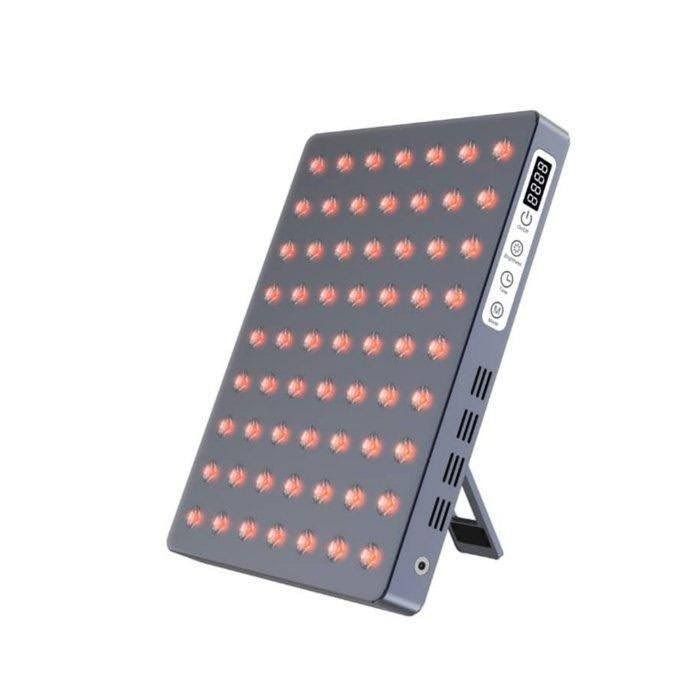
Around $450 for a 10.6 by 13.6 inch aluminum panel, 63 three watt LEDs at 660nm and 850nm, a stated 20 to 40 mW per square centimeter at six to twelve inches. The cheapest panel here for a chest or a pair of forearms.
Drawback: at that size a chest takes two positions and both arms two more, four setups where a large panel is one. Two wavelengths only.
What I would tell a friend
Decide where your skin actually gives you away, then buy for that geography rather than for the reviews. Neck and chest only, and the shaped masks are purpose built at a fraction of a panel price. Neck, chest, arms and hands together, and every contact device becomes a rotation you abandon by week four, which is why the panel finished first for me. The first change I could photograph was upper chest texture at around week ten.
No rectangular red light panel is FDA approved. The strongest real status a panel holds is FDA registered, a listing of device and manufacturer rather than a clearance, an approval or an endorsement. Two devices above are FDA cleared, a genuine step further, but for facial wrinkles rather than body skin. Speak with your clinician first, especially if you take a photosensitizing medication or you are pregnant.
FAQ
Will red light tighten loose skin on the neck?
Trials report improvements in fine lines, roughness and elasticity, not in significant laxity. If gravity is the main issue, light is the wrong tool and the conversation belongs with a dermatologist rather than a comparison article.
Do I need near infrared for skin, or is red enough?
Most published skin work uses red in the 630nm to 660nm range. Near infrared around 830nm reaches deeper and appears in many of the same protocols. Having both is sensible. Having only near infrared is a poor fit for surface texture.
Can I use a face mask on my neck?
You can lay one across the throat, and people do, but the shape fights you and coverage stops short of the chest. A device built for the region, or a panel treating the whole area at a set distance, is far more likely to become a habit. Three to five sessions a week is the usual pattern, and I would judge nothing before week eight.