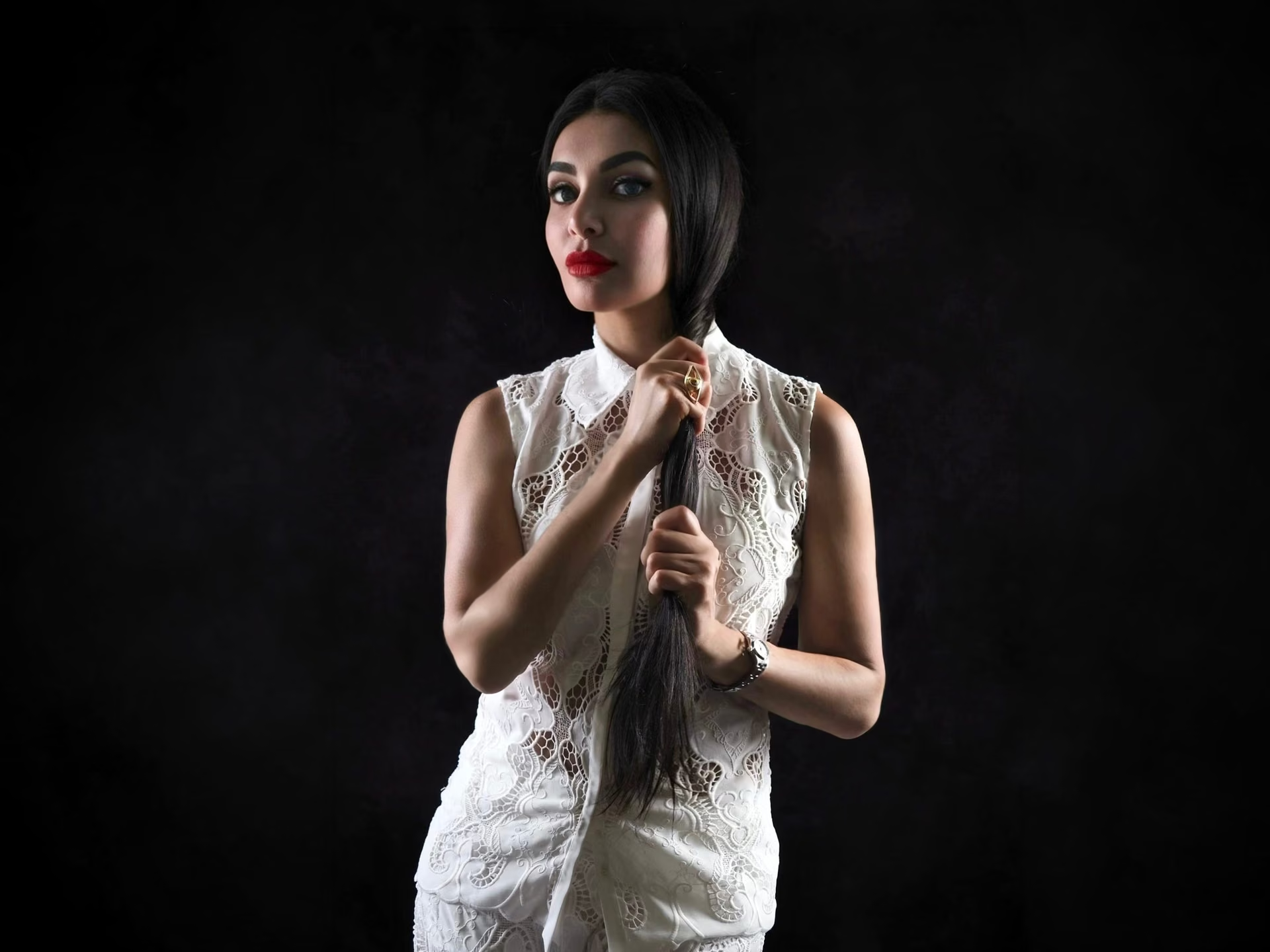
Rebecca Russo, founder of Videoinsight® Foundation – ETS, reflects on the relationship between contemporary art, care, and well-being across organizations, communities, and territories.
Founded in 2013, Videoinsight® Foundation – ETS has been advancing an interdisciplinary approach that integrates art, psychology, and medicine, informed by scientific research and clinical studies. Russo, who holds a degree in psychology, is a qualified psychotherapist as well as an author, curator, and contemporary art collector.
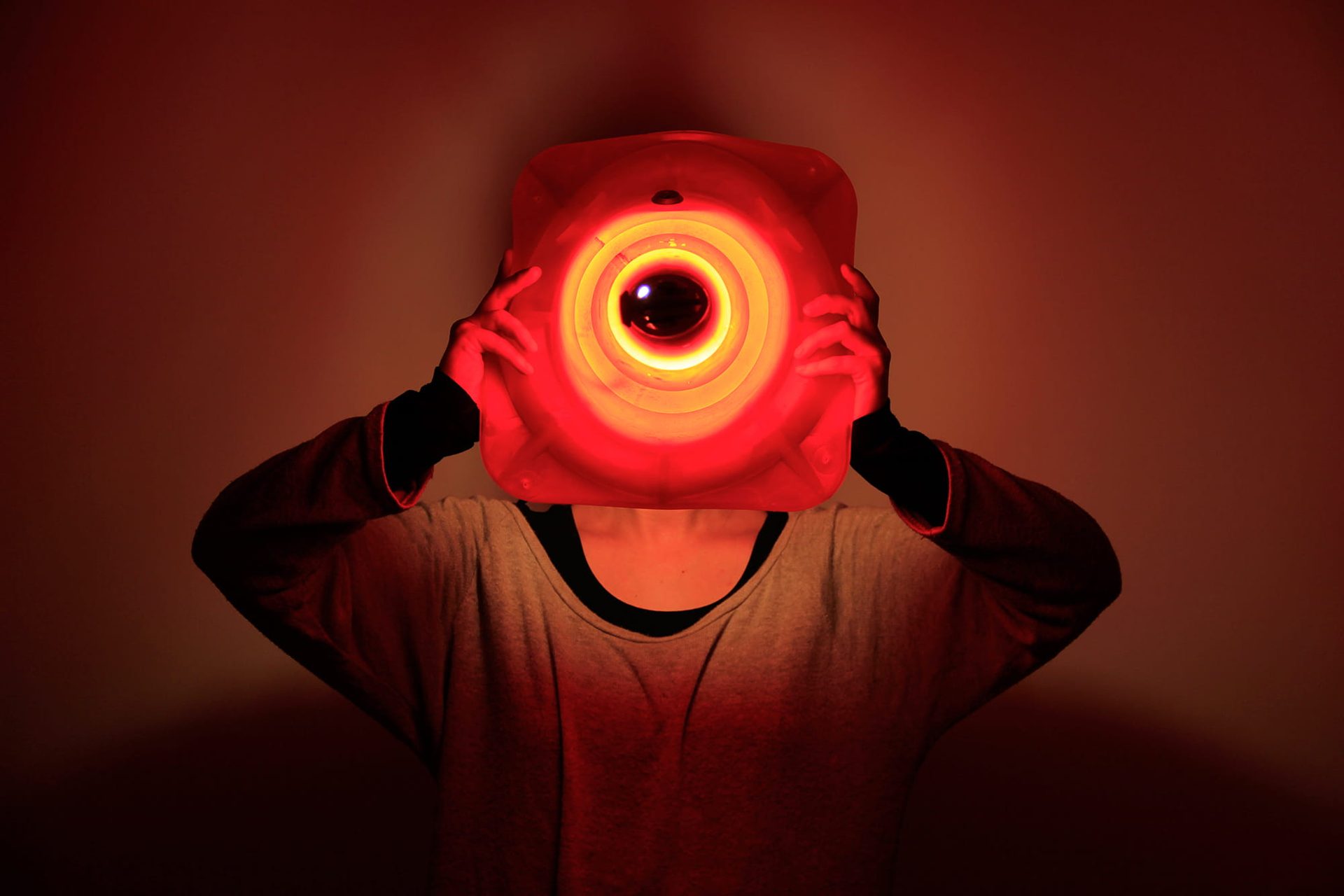
The Foundation’s vision comes into focus in the exhibition BLOOM. L’Arte per la Cura, running until December 13th, 2026, at its premises in Turin. Centred on themes of growth, renewal, and inner transformation, the exhibition explores the relationship between aesthetic experience and care through lightweight sculptures designed to be worn as headpieces, transforming the head into a living pedestal for the artworks.
What scientific evidence supports the impact of art on health and well-being?
Scientific research has highlighted the potential of visual and performing arts to support the prevention, management, and treatment of mental and neurological conditions. Their use is increasingly being explored in complementary medicine and in approaches aimed at making healthcare more humane. Contemporary art can also engage neurophysiological processes, influencing perception, stimulating neuroplasticity, enhancing quality of life, and potentially contributing to healthy ageing.
Research in neuroaesthetics and cognitive neuroscience shows that aesthetic experiences engage a complex network of brain regions, a finding supported by fMRI data and stress biomarker measurements. Visual art activates the brain’s reward system, specifically the nucleus accumbens and orbitofrontal cortex, to trigger feelings of pleasure and motivation. These aesthetic experiences also modulate the autonomic nervous system, lowering blood and salivary cortisol while improving heart rate variability (HRV) to reduce stress and boost emotional well-being. In clinical settings, this engagement serves as a psychological tool that helps individuals access unconscious thoughts, develop self-awareness, and build emotional resilience.
What qualities must an artwork possess to activate the therapeutic potential of the Videoinsight® Method?
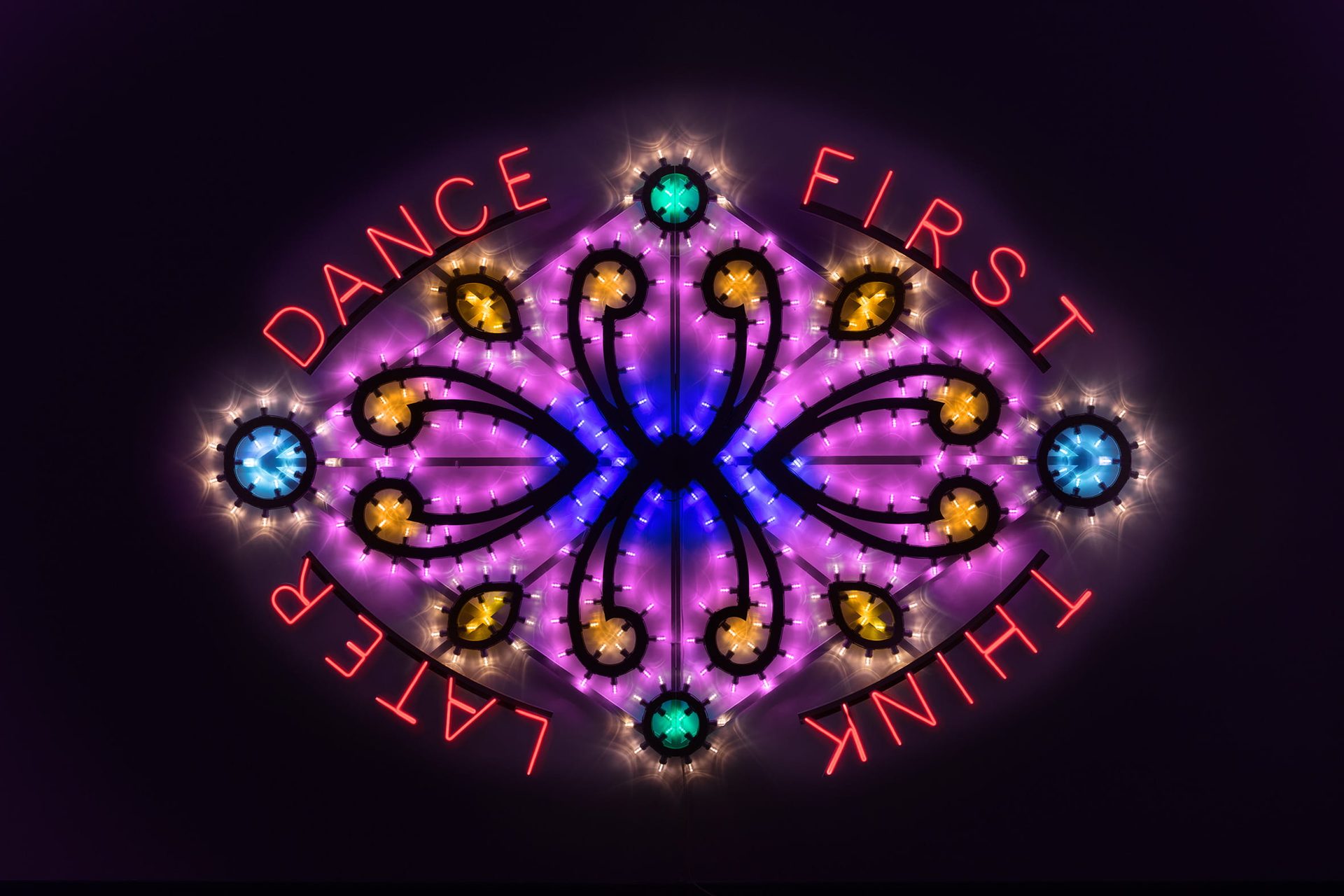
According to the Videoinsight® Method, not every artwork triggers the diagnostic, therapeutic, and inner transformation process known as transformative visual insight, that is, a profound and immediate form of insight elicited through visual experience. To promote psychological and physical well-being, an artwork must have strong evocative and symbolic power, drawing on metaphors, archetypes, and universal symbols that speak to the unconscious and stimulate free associations and emotional resonance.
An artwork with a high Videoinsight® impact is neither comforting nor merely decorative. It embodies a tension between opposing forces, such as vulnerability and strength, darkness and light, pleasure and displeasure. It is this very ambivalence that gives the work its power to break through psychological barriers and catalyse personal growth.
The artwork reflects fundamental human experiences, including the body, care, loss, rebirth, and identity. Its imagery must be immediate, distilled, and compositionally powerful; in video art, rhythm is also essential. These qualities capture attention and help overcome cognitive resistance. The work must open up new possibilities for change and renewal, guiding the viewer from distress towards insight and a new level of self-awareness. It acts as a catalyst for the psyche, a visual bridge between the inner world and the capacity for self-understanding.

What potential does contemporary art hold for businesses?
In the corporate environment, art can support organizational development and cultural transformation. Complex artistic narratives encourage self-reflection and empathy, helping people recognize their own strengths and navigate conflict. Experiencing art together can foster open dialogue across hierarchical levels and strengthen a sense of belonging.
Engaging with unconventional visual languages can challenge rigid ways of thinking and encourage creativity and innovation. Art can communicate a brand’s values and sensibilities, while positioning a company as an active cultural presence within its local community.
What role do businesses play in promoting well-being across society?
Collective well-being is an existential, social, and economic imperative. Hyperconnectivity, fragmented attention, accelerating work rhythms, and social isolation call for a broader, collective understanding of health, one that connects individual well-being with the well-being of communities, workplaces, and society as a whole.
Businesses have an ethical and cultural responsibility and can become agents of social transformation and human capital development. Contemporary art can contribute to this process of change.
Can the relationship between art, business, CSR, and ESG become a strategic one?
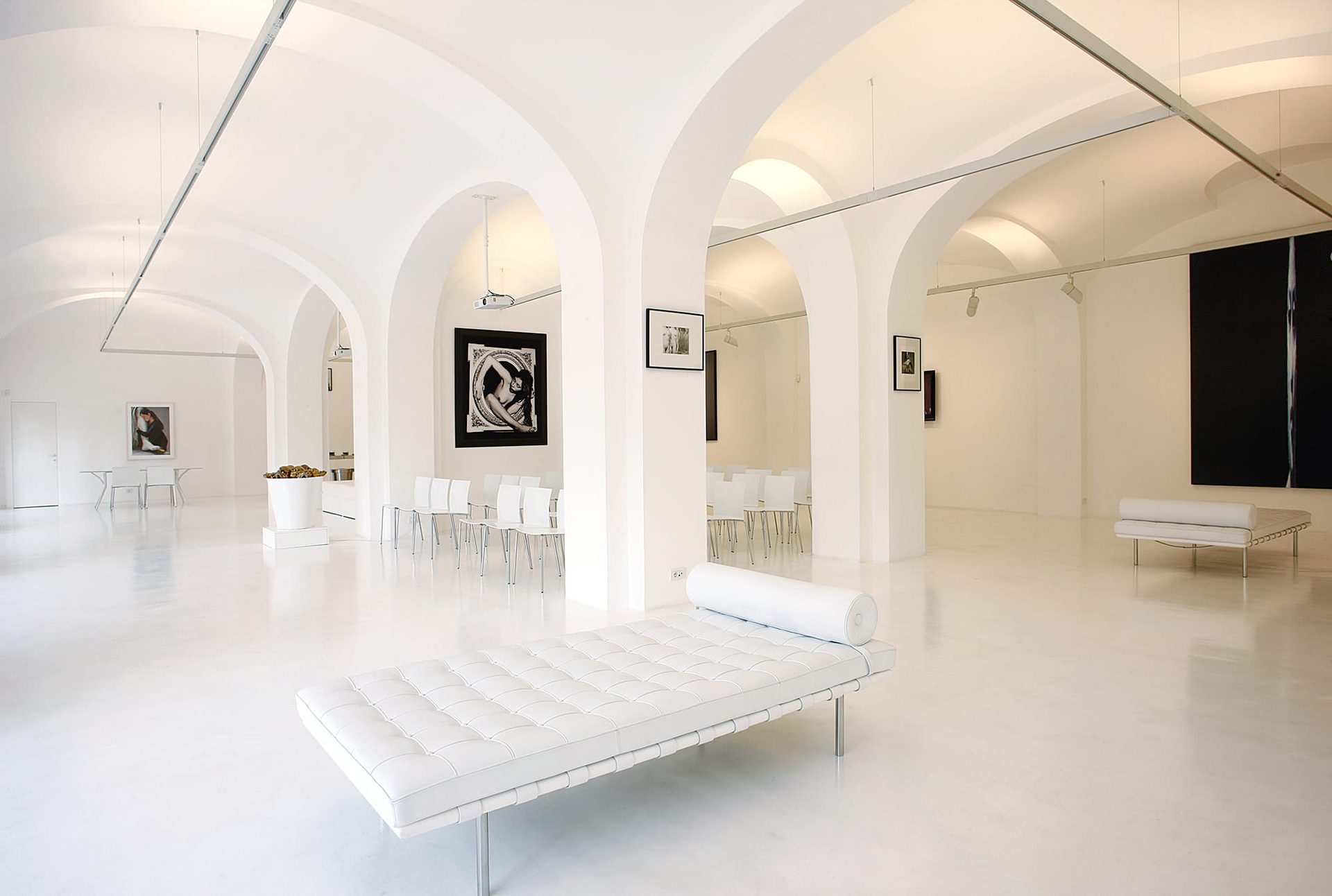
In my view, the relationship between art and business is destined to become strategic in the context of ESG (Environmental, Social, and Governance) criteria, CSR (Corporate Social Responsibility), and Creating Shared Value (CSV), an approach that links business success to tangible benefits for the community. Exhibitions, arts programmes, and artist residencies open to the public can foster local cultural welfare and generate social and emotional value.
Increasingly, forward-thinking companies are looking for bespoke curatorial projects tailored to their organizational culture and employees’ well-being, rather than simply focusing on brand marketing. Investing in art and human well-being can also strengthen employer branding.
What advice would you offer to managers who see art primarily as a form of sponsorship?
I believe they should move past the idea of art as merely aesthetic endeavour, a branding exercise, or a sunk cost. Art is a strategic resource for human capital. Integrating it into corporate processes and opening it up to the wider community means creating cultural and human value, while enabling businesses to become hubs for social renewal and cohesion. To those who view art solely through the lens of collecting or promotion, I would say: “Have the vision to experience it from within.”
BLOOM. L’Arte per la Cura will be running until December 13th at Videoinsight Foundation – ETS in Torino, Italy.
Follow Rebecca Russo and Videoinsight® Foundation – ETS on Instagram.
More information about the Foundation can be found here.
Interview Enrico Dedin
Top Image Credit: Rebecca Russo, photo: Alessandro Dentico