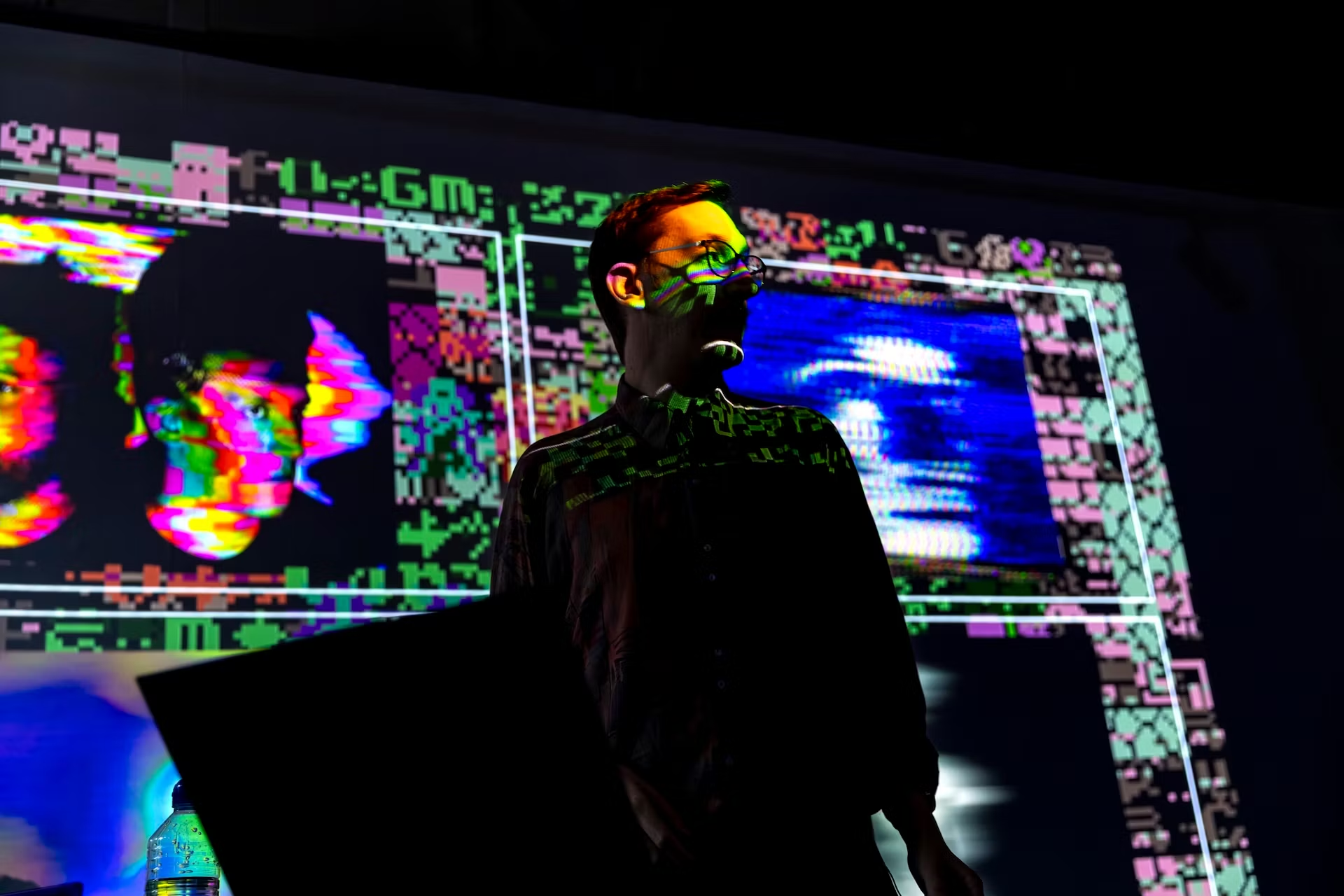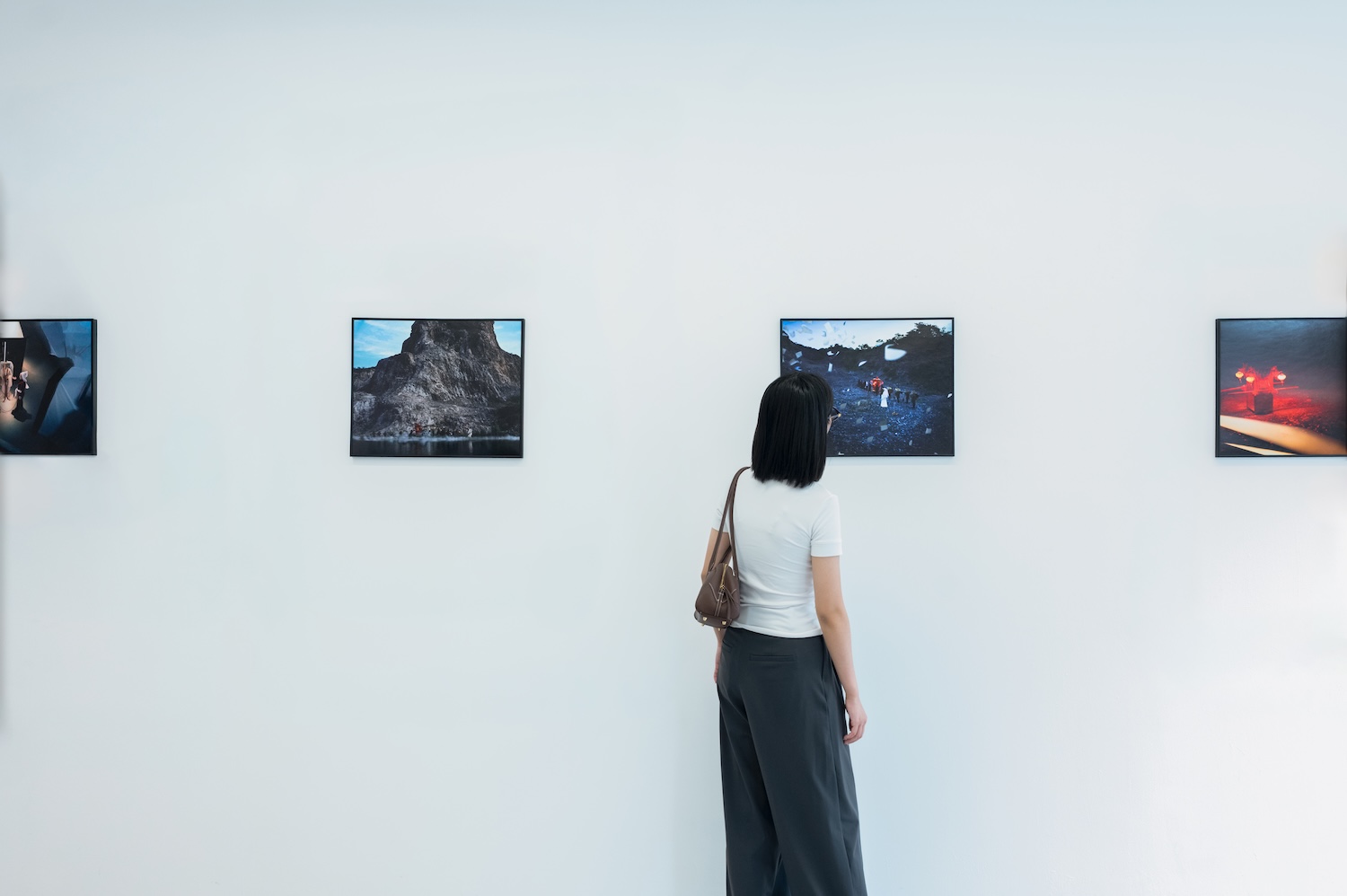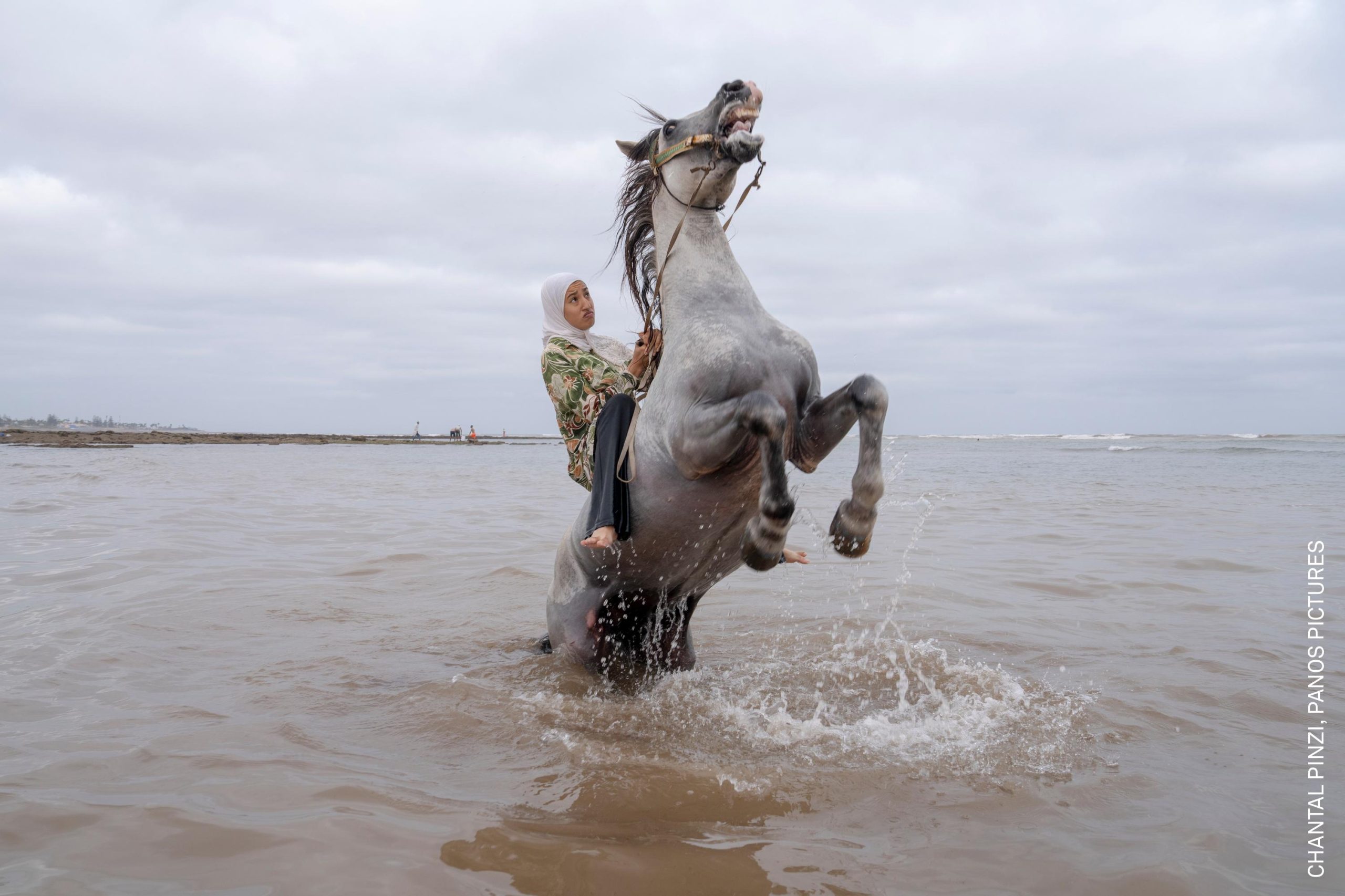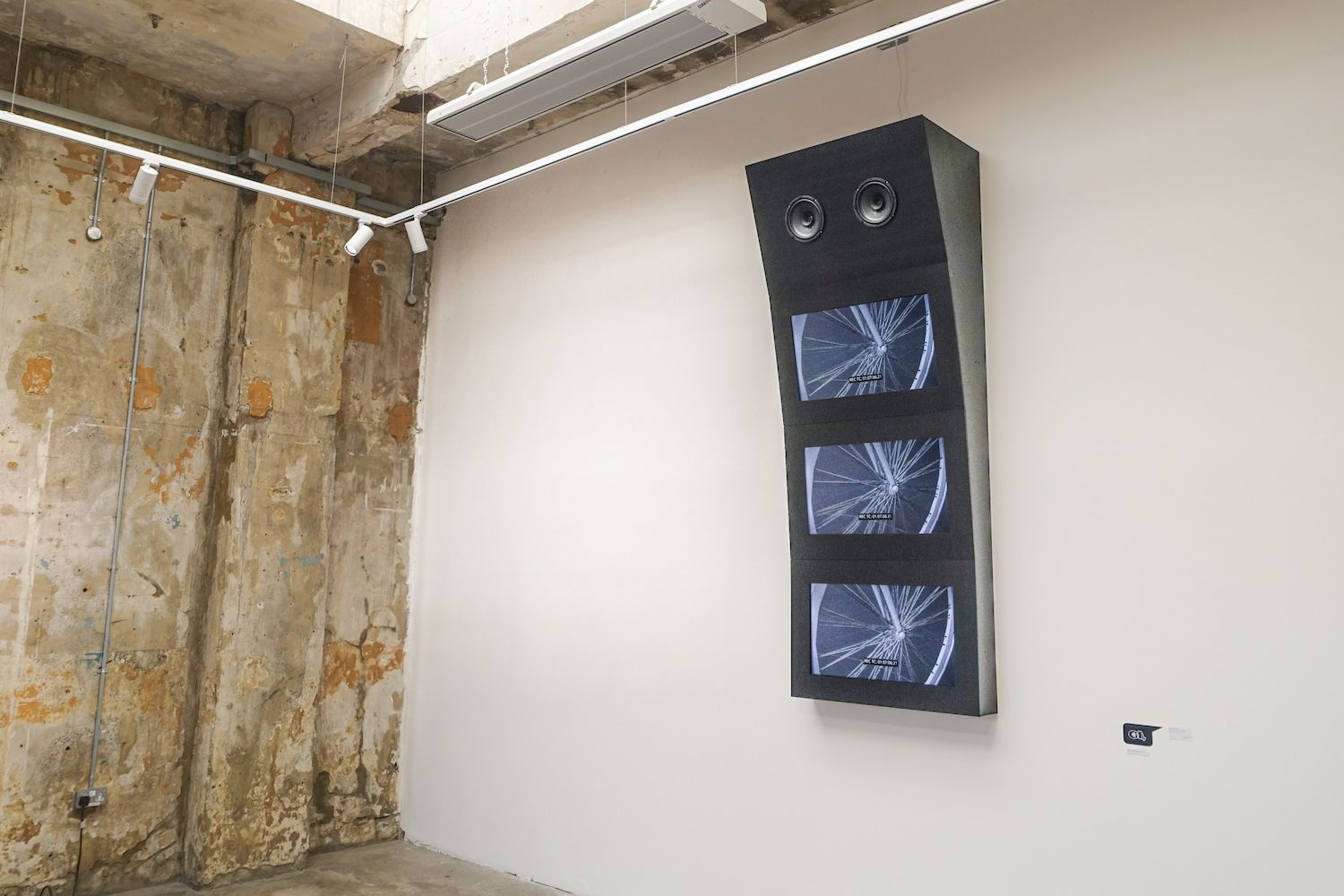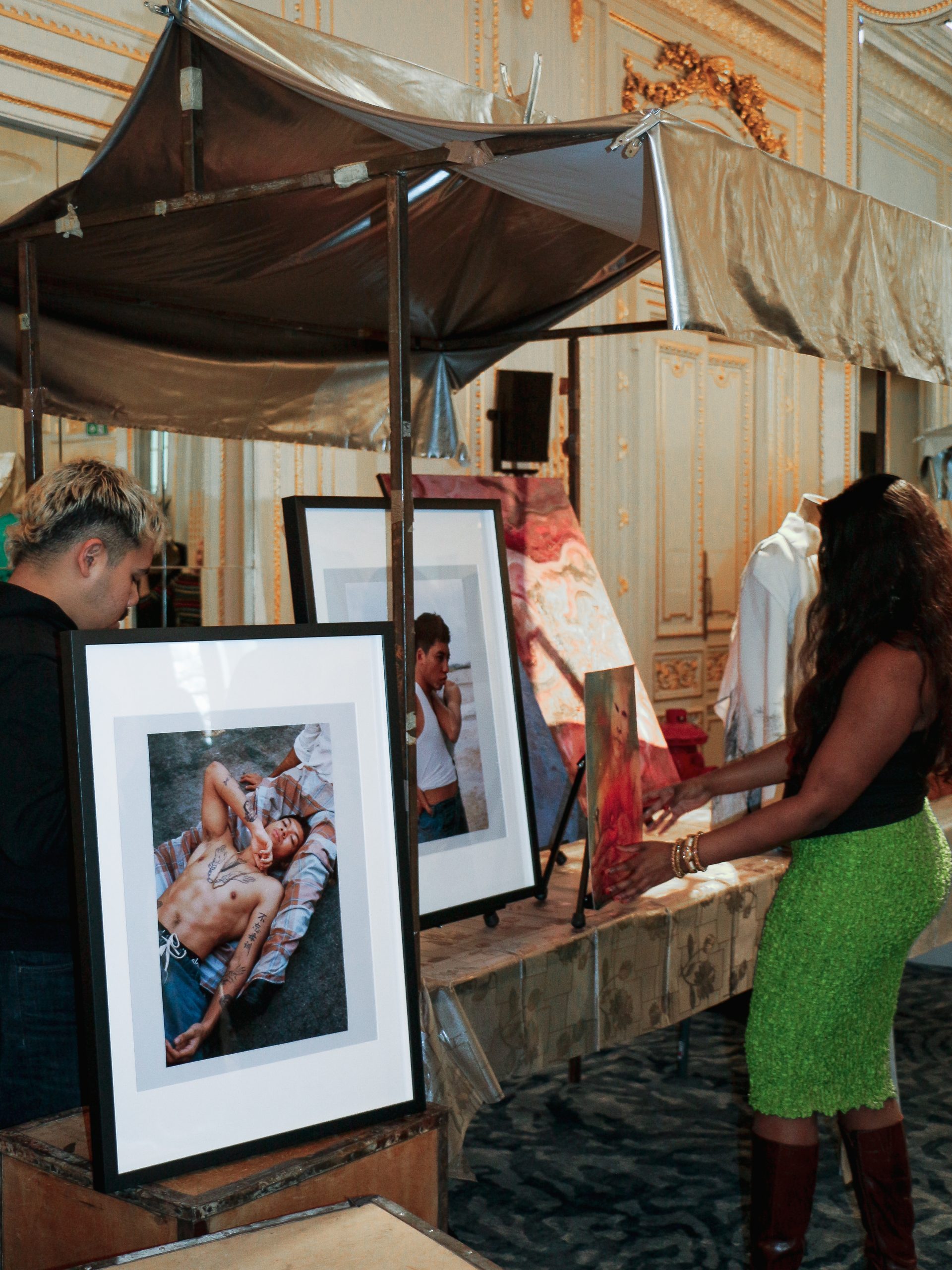
Founded in 2024 by art lawyer Kaarthiga Manimaran, Kalai Gallery takes its name from the Tamil word for art. Where she had previously seen Eurocentric perspectives and elite institutions favoured, the gallery’s concept was born from a desire for increased visibility for young artists of colour. Its nomadic model takes exhibitions beyond a fixed gallery space, bringing contemporary work to new audiences.
Kalai works with emerging and established artists exploring identity, heritage, culture and contemporary experience, often across more than one medium. Projects are tailored to their setting, while the programme extends beyond exhibitions to include cultural events, guided tours, auction-house visits and workshops. Their belief in “slow art” gives artists time to live, reflect and create, while collector education helps make collecting more accessible to new and experienced audiences.
1883 Magazine sits down with founder of Kalai Gallery, Kaarthiga Manimaran, at their pre-Frieze event to hear more about the story behind the gallery, her approach to bringing art into unexpected spaces, and her ambition to connect artists with communities around the world.
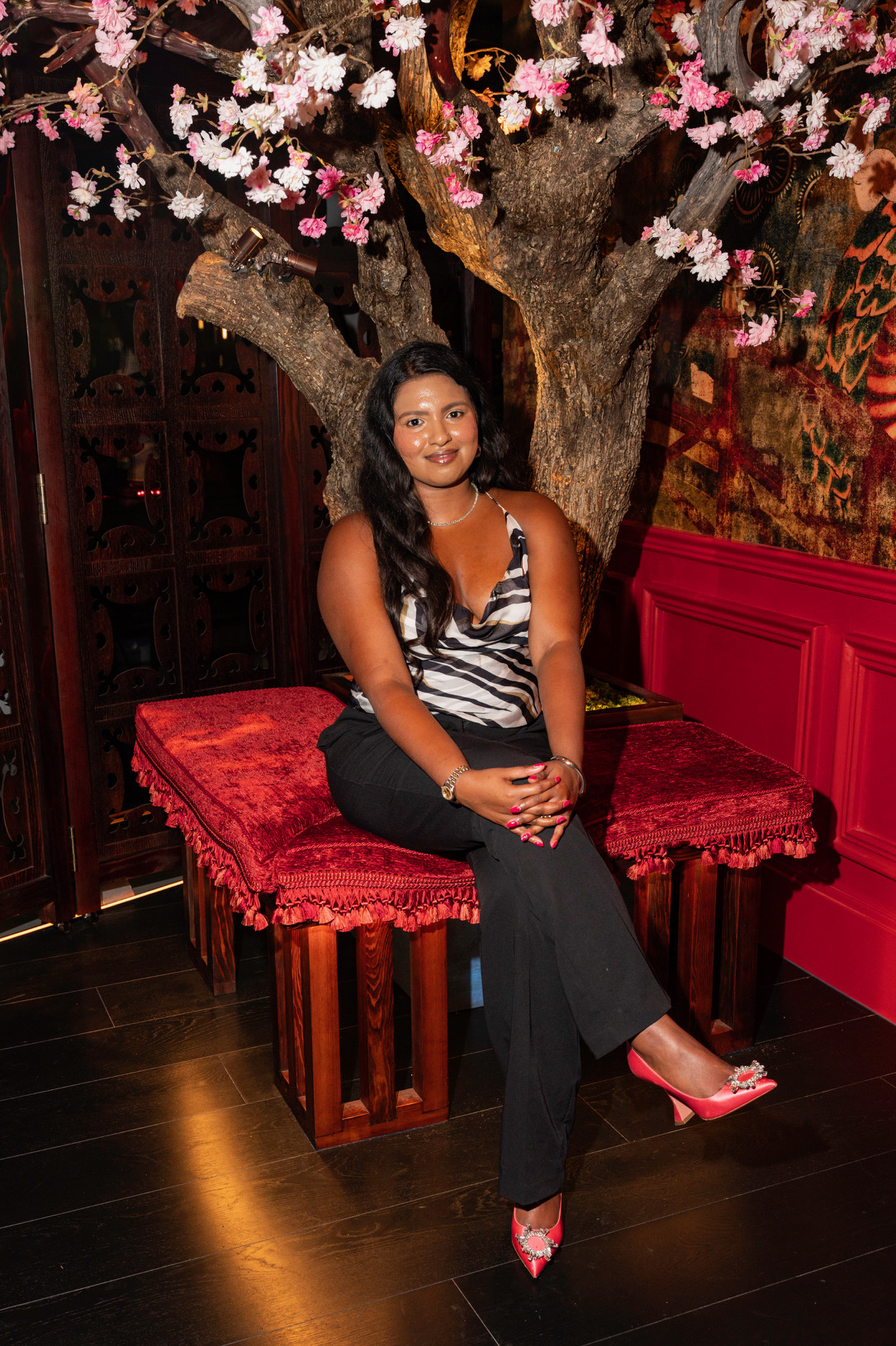
You were practicing law for years before you founded the gallery, which seems like a big shift. Tell me more about the story behind the decision.
My Dad’s a corporate man and my Mum’s creative, so I’d always felt I had to choose between those two sides of me. Then, five years ago, on my 23rd birthday, I woke up and realised I could combine my passions. I started specialising in art law, did my master’s in art law at Queen Mary University, and then decided to gain some experience at a leading auction house. It was here that the idea for Kalai Gallery was born, inspired by my own life story, which has been about existing in those two spaces.
Once I put this creative side of law into the world, I met so, so many artists at parties, events, pubs and cafés. They told me they’d had their work stolen by big corporations or fashion brands and asked what they could do to better protect themselves. These experiences pushed me to continue pursuing art law, and I started by giving advice. This made me realise that I could do something bigger and help artists on a larger scale.
You’ve described Kalai as a response to what you felt was missing in the art world. What were you seeing, and was there a particular point when you decided to build something of your own?
I felt like the art world had diversity on the surface, but at the back end, that wasn’t the case. Growing up as a Singaporean in the 2000s, I walked into these spaces and felt that pursuing a career in the art world would be difficult for me. If you see a problem in the world, instead of complaining about it, you should create a solution for it. I really believe that Kalai Gallery is that solution.
Coming from a traditional Asian family, I couldn’t just choose to do art history or fashion, as my parents’ generation might not appreciate or understand it. I want to remind people that you don’t need to study art to be part of the art world and appreciate it, whether as a collector, enthusiast, writer, or commentator.
For someone coming across Kalai for the first time, how would you explain what the gallery does?
I would describe Kalai Gallery as a nomadic gallery or collective that showcases art in non-traditional forms and ways. Our main motto is “making art more accessible to people”, whether it’s placing art in hotels, restaurants, cafés, or pubs. We’re very flexible in the way we work with lots of partners, whether in the fashion world or in corporate spaces. For example, we recently worked with fashion designer Chet Lo, but also with Women in Fund Finance. The artists I work with aren’t traditional artists, ranging from photographers and writers to graphic designers. The art world is changing drastically, so the approach should too.
When you call it nomadic, what does that look like in practice?
Unlike a traditional gallery, with white walls and a physical space, we work to find spaces that match the art. For example, we recently launched an exhibition at The Hoxton with Venetta Nicole, as her artworks fit perfectly there. Our nomadic nature also means we can work on an international level, giving artists that visibility. We held our first international exhibition in Singapore earlier this year, and we’re currently planning more overseas.
The art world is changing drastically. Artists are able to sell their art on Instagram. You don’t have to go to a gallery or auction house to sell works. Kalai works right in the middle of the art world, but in a non-traditional way.
Given that your projects can move between different locations, industries and mediums, where do you see Kalai sitting within the wider art world?
I think that everything in this world is interconnected, and I’m a strong believer that things like art, fashion and music cannot exist without one another. Equally, architecture, interior design, law and business are also interconnected with this and should coexist. Separating these practices has always felt very odd to me, so Kalai Gallery was born with the aim of spearheading this connection.
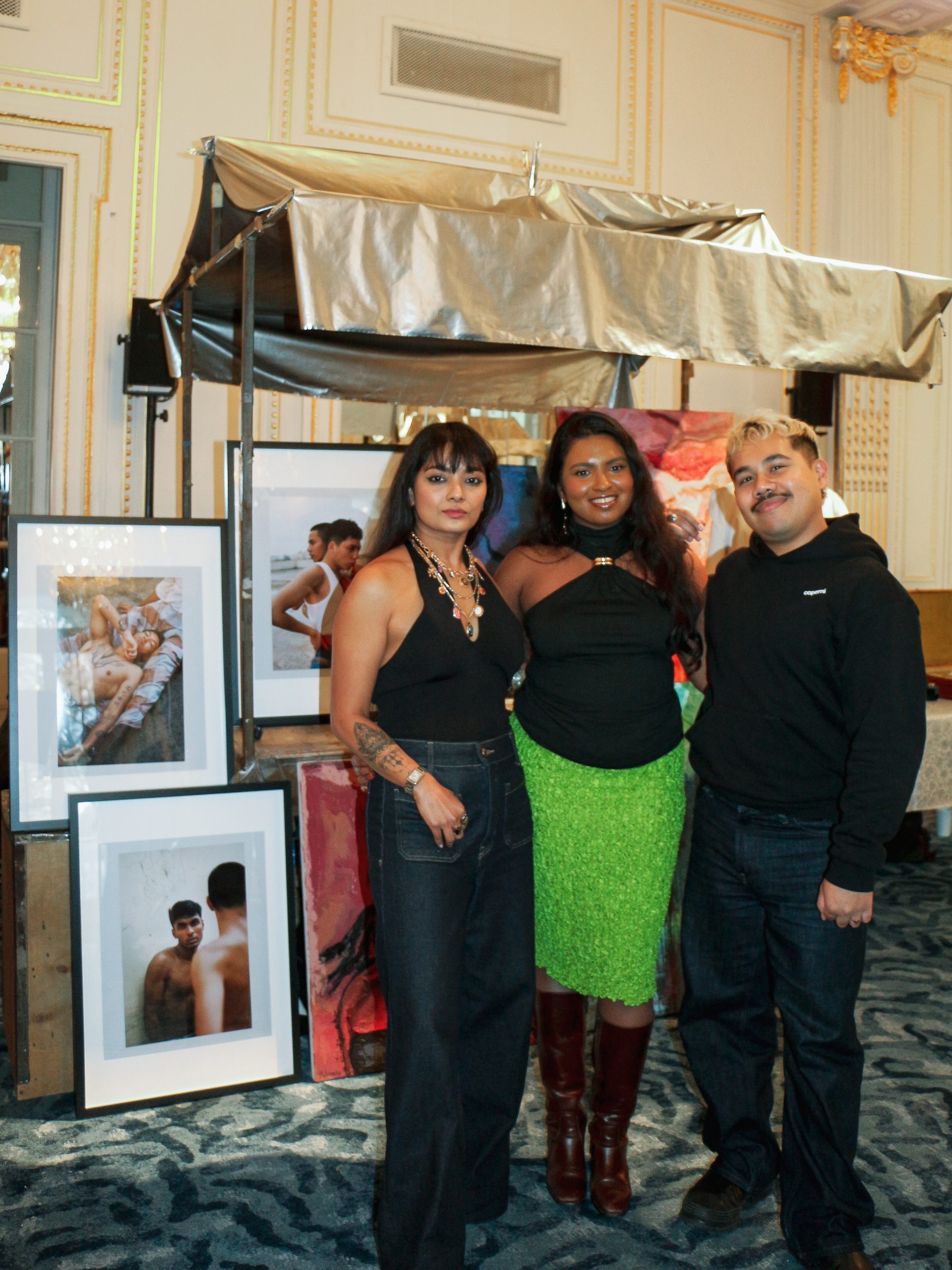
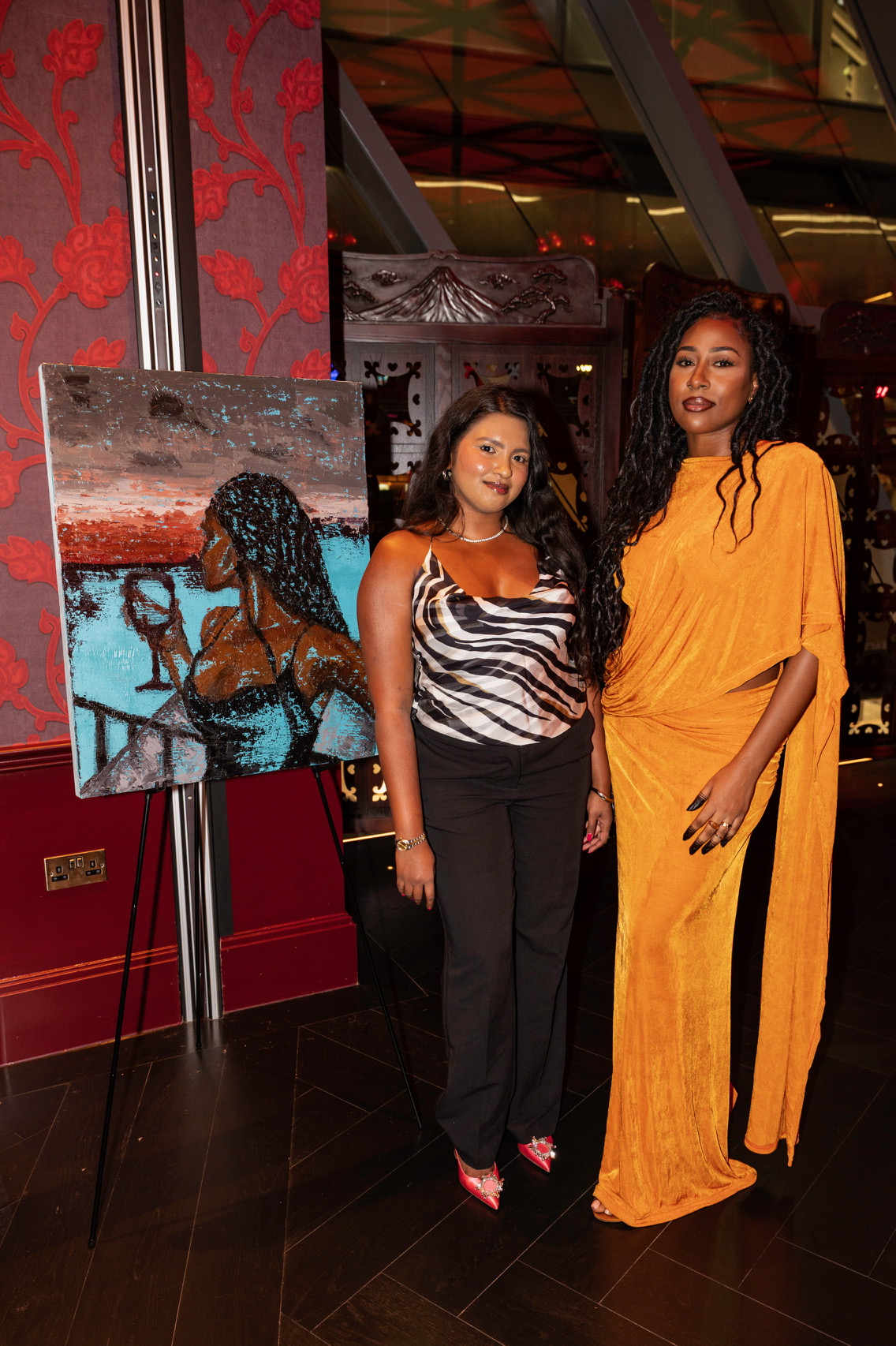
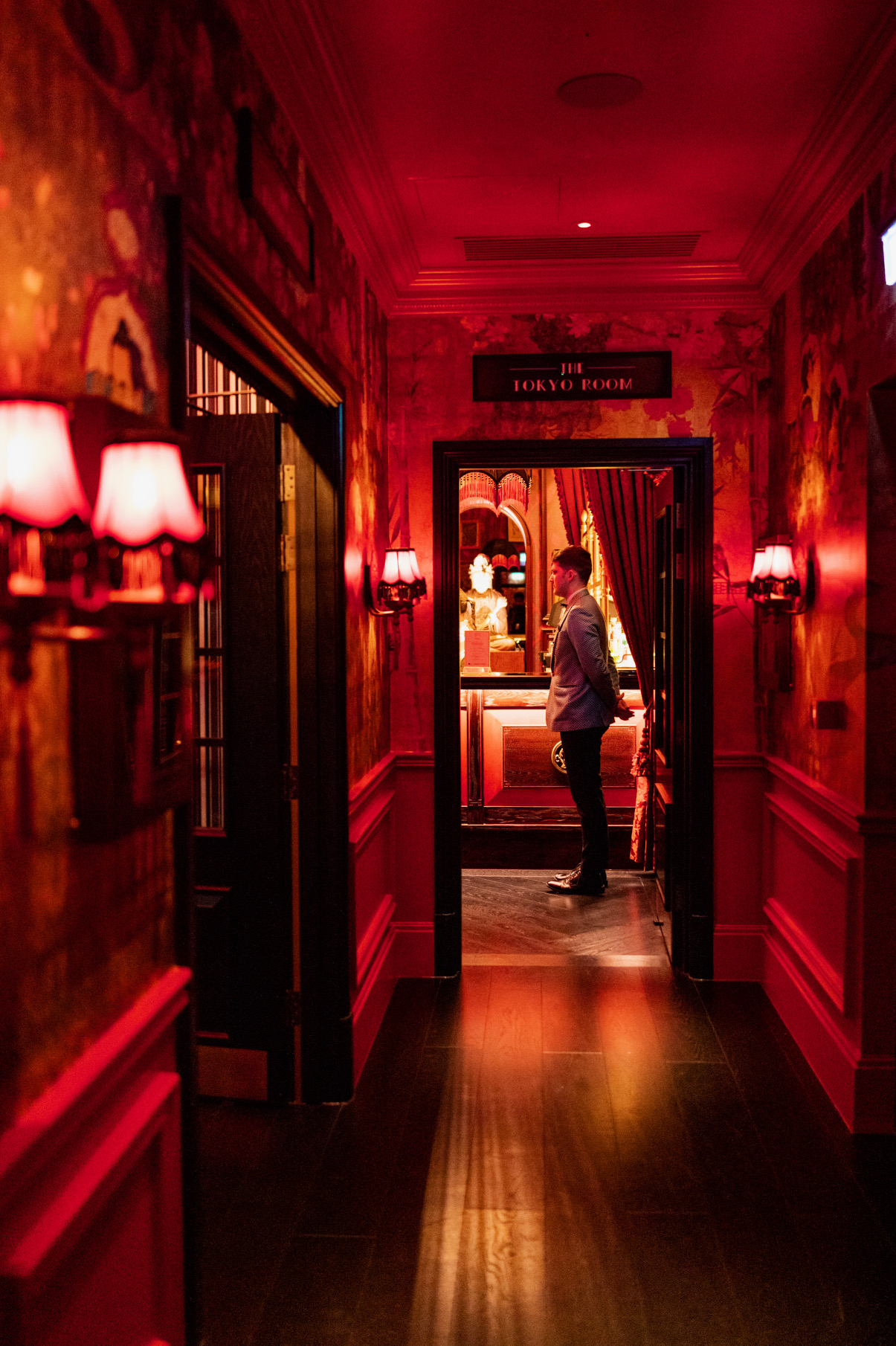
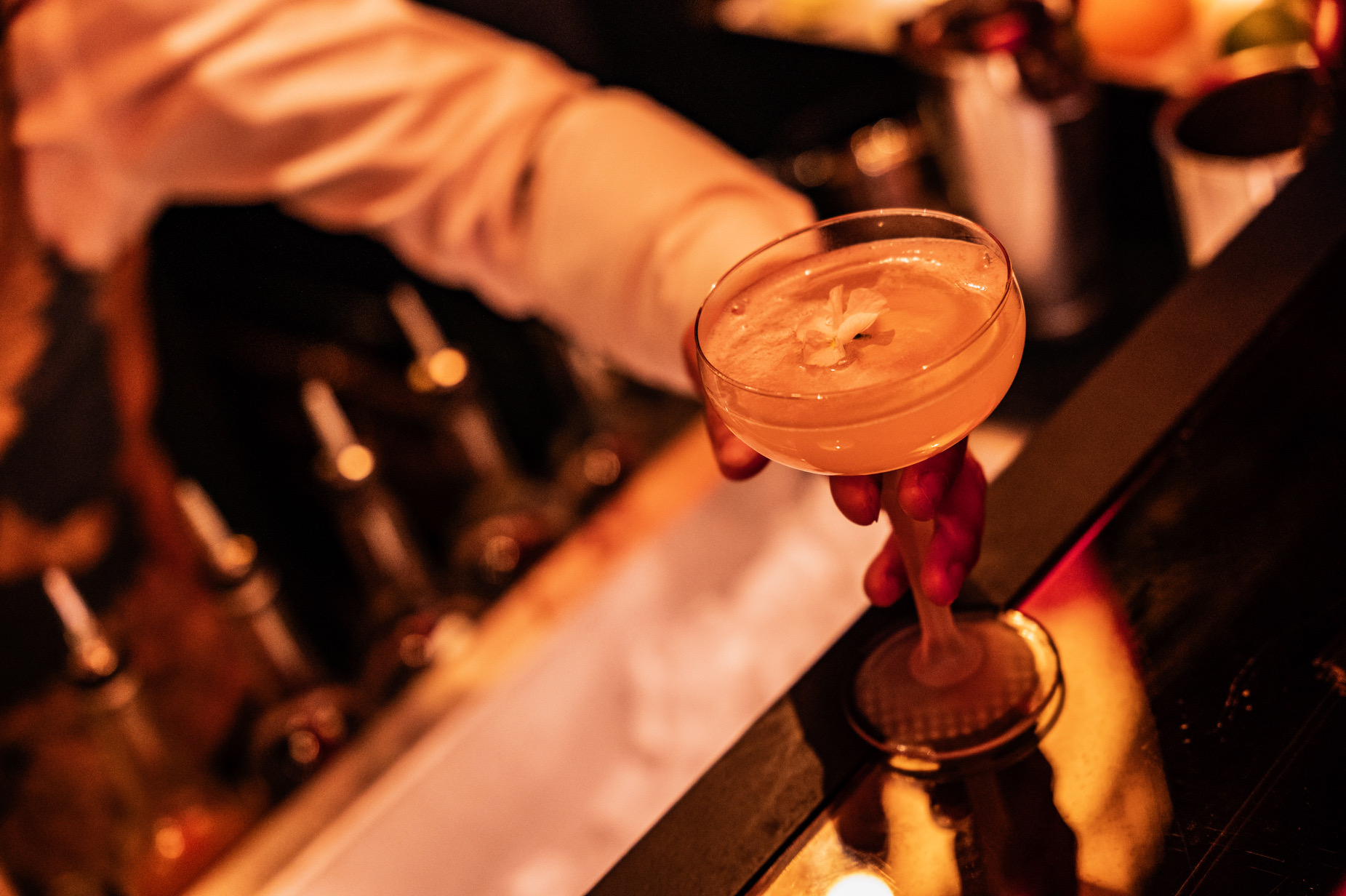
While that gives you so much scope for creativity, how do you then define which projects or settings feel right for the gallery and the artists you work with?
When I choose artists for a particular exhibition or collaboration, it’s based on the artist’s strengths and passion. What draws me to their work is the theme of the work and how it connects to the theme of the project or exhibition. It’s about seeing the connection between the artwork and the space or project.
For Venetta Nicole at The Hoxton, for example, we looked at the space itself, which is more of a corporate space where business meetings take place. With this in mind, it made sense to have Venetta Nicole’s artworks there because her works are abstract and provide that balance within a corporate space for creatives. That’s how we go about choosing it: being able to curate, look at the colour of the work and say, “This space has colours that match this.”
What do you most want the gallery to make possible for its artists? Is there a longer-term ambition you’re working towards?
Our ambition has always been to get artists more exposure and get their artworks out there to different communities, countries and spaces.
Artists have told me that when they speak to more traditional galleries, there are often certain rules they need to follow. For example, a traditional practice in the art world is that an artist can’t do a brand partnership with a fashion brand. We champion artists making artworks for clothing because art and fashion are very interconnected.
Long-term, the goal for Kalai Gallery is to keep building internationally. I want to keep connecting with communities all around the world, showcasing our artists on an international scale. For emerging artists, the international aspect is important. It’s what takes them from being an emerging artist to being a recognisable one.
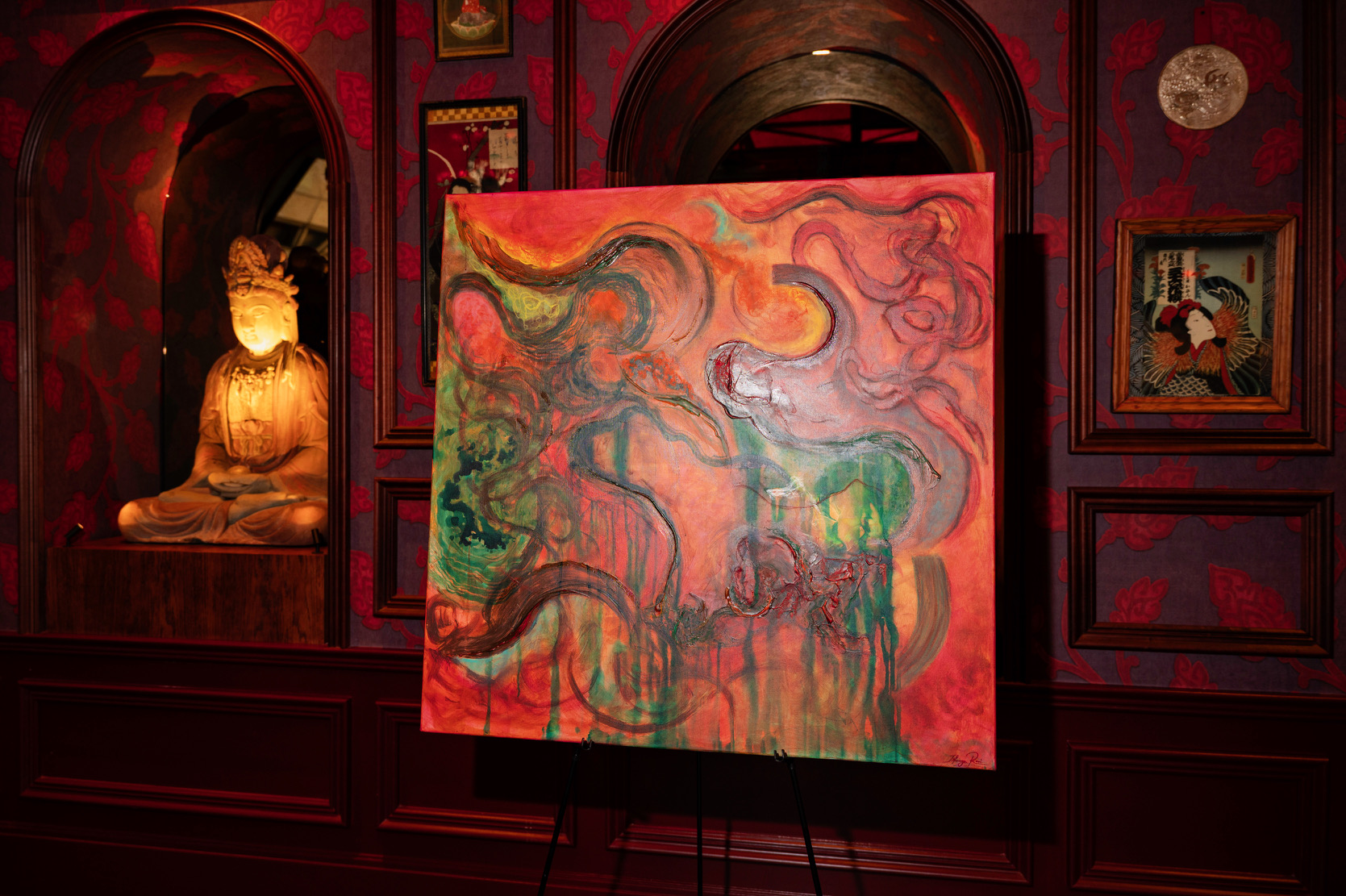
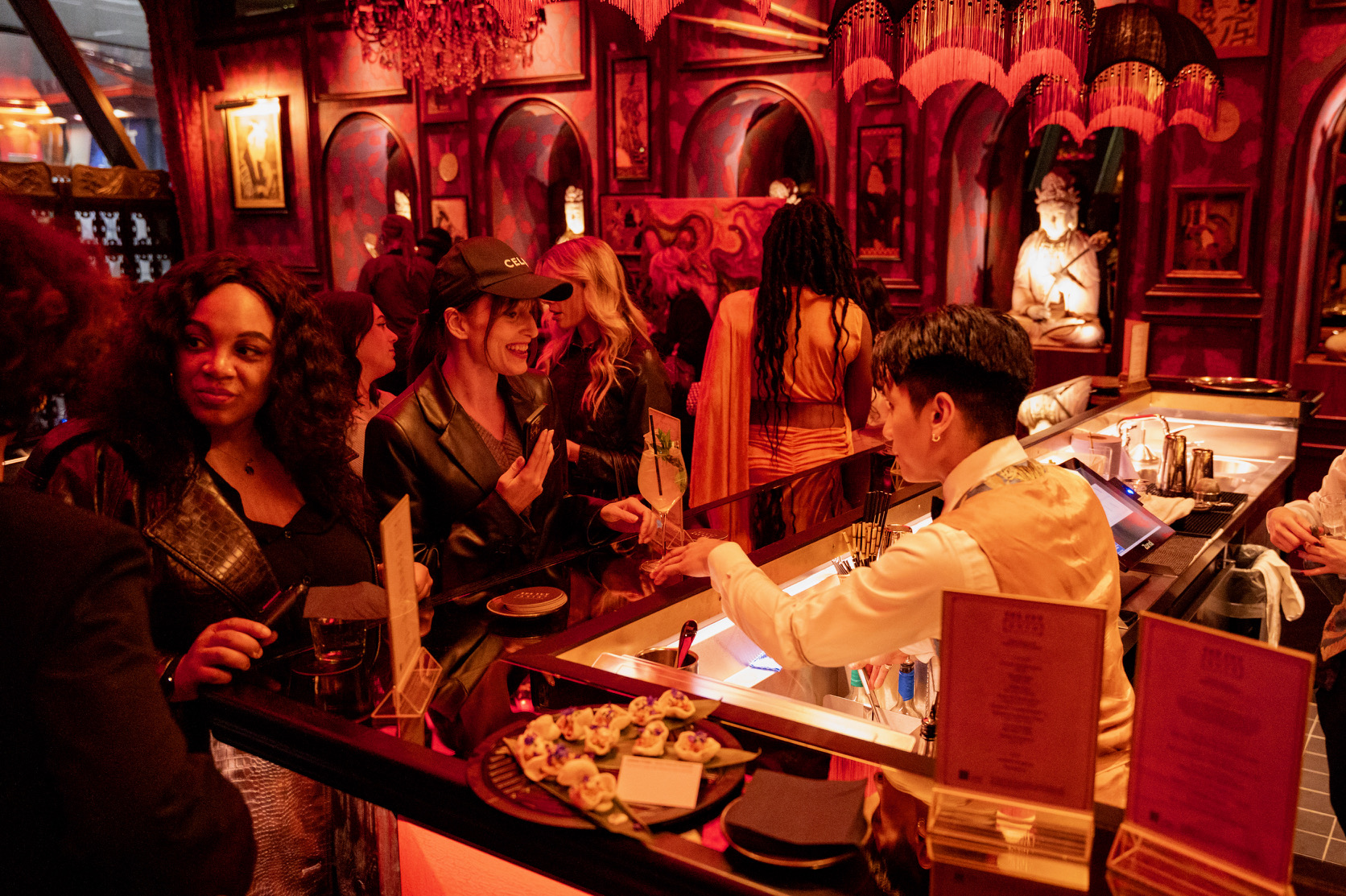
Can you tell me about tonight’s event? What was the initial idea, and how did it develop into what we’re seeing here?
Tonight we have five female artists. The first is Ore, who is a London-based artist. Then we have Ishwarya, an Indian artist who grew up in Abu Dhabi and is now based in London.. She works full-time and is a mother, so she paints at night and makes abstract works.
The next artist is Venetta Nicole, who also makes abstract works and is known for making wooden pieces. The fourth is Claudia Koh, a Singaporean artist based in New York who can’t be with us today. She’s showcasing an artwork called Rainbow, which features a Singaporean building I grew up passing almost every weekend because it’s in my neighbourhood. I’m very honoured to share that building here, 15 or 20 years later, painted by her.
Lastly, we have Adeseke, a Nigerian artist who showed with us at The Hoxton earlier this year and in Singapore for the Women’s History Month exhibition.
Tell me about some of the works. What do you hope that guests will notice?
Claudia Koh’s work is something I hold very close to my heart, mainly because of the building that it features. I absolutely love Adeseke’s piece, A Blue Moment. It’s a painted screen inspired by winter, and I think it’s a perfect time for this artwork to be on show once again. We wanted to showcase this work as it shows her style really well, particularly the way she uses textures. I like looking at the textures of the work, as they give so much character to the artwork.
Ore’s work is called Love Can Bloom. Lots of people, especially on Instagram, think it’s made with AI, but it’s all done by her. On her Instagram Reels and videos, you can see how she does it. It’s so realistic. I’m looking at one of her other artworks that sits in my room, and it’s incredible how surreal it feels, as if there’s actually someone looking at you. She’s very talented, and I feel very lucky to be around these women and get to work with them. Ishwarya and Venetta Nicole’s works are both abstract and draw on similar techniques, though each approaches the form differently. Ishwarya allows her emotions and spirituality to guide her process, while Venetta uses abstract scenes to explore and share internal journeys: the often unseen emotional landscapes we all experience.
When people leave, what’s one thing you hope they take away from the evening?
The one thing I want them to take away from this evening is that despite us not being a traditional gallery, we showcase some incredible artists. I’m genuinely honoured to do this. I love what I do, and I’m so lucky I get to do this. I want the world to see these artists, who I believe are extremely talented. They’re all very different from each other – their background, their lifestyle, their story, their upbringing, and you can see that in their art. I want guests to look at each artwork and process it, take it in.
Interview Bex Whitley
Photography Ethan Cooper Photography ecooperphoto