Salmon DNA, bottled and repackaged as the next big thing in skincare — it’s the kind of ingredient that sounds engineered for a viral moment. But behind the attention-grabbing name lies something with considerably more substance: PDRN (polydeoxyribonucleotide), a regenerative compound long used in medical settings that’s now finding its way into serums, ampoules and barrier-repair creams.
Once reserved for injectable treatments in aesthetic clinics, PDRN is now being positioned as a topical solution for calmer, stronger, more resilient skin. But does it actually deliver — or is this just another fleeting obsession?
What Is PDRN And What Does It Do Exactly?
“PDRN, or polydeoxyribonucleotide, is derived from salmon or trout DNA and has long been studied in medicine for its regenerative properties,” explains Dr Sonia Khorana. “It supports the skin’s natural repair processes by stimulating fibroblasts to produce collagen and elastin, while also helping to calm inflammation and strengthen the barrier.”
PDRN sits firmly within the new wave of regenerative skincare, ingredients designed not to aggressively resurface, but to support the skin’s ability to repair itself over time. Highly refined and working at a cellular level, it’s less about immediate results and more about improving overall skin quality quietly, consistently, from beneath the surface.
From Injectables to Serums
PDRN’s rise isn’t accidental. The ingredient has been widely used in Korean aesthetic clinics for years, particularly in injectable skin booster treatments designed to accelerate healing, improve elasticity and restore luminosity and as demand for clinic-inspired home skincare has grown, it’s made a logical transition to the shelf.
“While injectable PDRN is widely used in clinic settings, topical formulations work differently. They can support hydration, reduce inflammation and improve overall skin quality, but they won’t deliver the same level of results as in-clinic treatments.” — Dr Sonia Khorana
Does PDRN Skincare Work?
Expectations matter here.
“At-home PDRN skincare can be worthwhile, but it really depends on expectations,” says Dr Khorana. “It’s best viewed as a maintenance and support ingredient rather than something that will dramatically transform the skin.”
Skincare creator Amy Mataczynski, who has incorporated PDRN into her own routine, puts it well: “PDRN is one of those ingredients where you don’t get a dramatic overnight glow, but suddenly your skin is just… better. Mine felt calmer, less red and more bouncy, and it healed quicker after flare-ups. It’s very much a slow, skin-repair result rather than an instant payoff.”
This is not a quick fix ingredient, but that’s where its value lies.
Who Should Use PDRN?
Unlike more aggressive actives, PDRN is widely considered gentle and well tolerated.
“PDRN is generally suitable for all skin types, including sensitive skin,” says Dr Khorana. “It’s particularly beneficial for dull, dehydrated or ageing skin, as well as for supporting recovery after procedures like lasers, peels or microneedling.”
It also slots neatly into routines built around stronger actives. “I see it as more of a supportive staple — especially if your skin is stressed, sensitive, or you’re using stronger actives,” says Amy. “It works as a behind-the-scenes repair product rather than a star active.”
How Does It Compare to Hyaluronic Acid and Peptides?
If hyaluronic acid is the go-to for surface hydration and peptides for collagen signalling, PDRN operates on a different level entirely, working deeper in the tissue to support repair rather than prompt a specific response.
“It’s less about correction and more about supporting repair and recovery — it works alongside ingredients like retinoids and peptides, rather than replacing them,” explains Dr Khorana. This makes it genuinely complementary rather than competitive: something that makes the rest of your routine work better, rather than jostling for a slot in it.
Is PDRN Worth the Hype?
“I think it sits somewhere in the middle,” says Amy. “The science is stronger for in-clinic treatments, but in skincare it still makes sense as a repair ingredient. It’s not going to replace your actives, but if your goal is healthier, more resilient skin, it actually earns its place.“
Dr Khorana agrees: “PDRN isn’t a gimmick — it has a legitimate medical background and strong evidence in wound healing and injectable dermatology. However, most of that evidence relates to injectable use, while research into topical formulations is still emerging. Rather than accelerating turnover or creating controlled damage, it supports the skin’s natural repair processes — and that aligns with a wider move towards long-term skin health.”
“Use it when your skin actually needs support — after overdoing exfoliation or retinoids is when it really shines. Give it a few weeks, don’t expect instant results, and think of it as a repair step rather than something that’s going to transform your skin overnight. I always have backups of Dr Althea Reju 5000 and Dr Rejuall PDRN; They’re lightweight, layer beautifully, and over time my skin just feels calmer and more hydrated. It’s one of the few where I felt like it was doing more than just hydration.” — Amy Mataczynski, skincare creator
The Edit — 8 PDRN Products Worth Trying
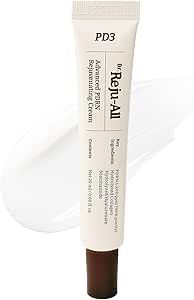
CreamDr. Reju-All, Advanced PDRN Rejuvenating Cream
The derm-developed original. Formulated with 1,200ppm pure salmon DNA PDRN alongside niacinamide and peptides, it has a plush, immediately comforting texture that feels substantive without heaviness. Trusted across Korean pharmacies for consistent daily rejuvenation.
You’ll love this if your skin feels like it needs more than just hydration, something that actively works to restore it.
Available at skincupid.co.uk
Cream
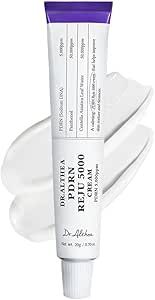
Dr. Althea, REJU 5000 Cream
A cult favourite among PDRN devotees for good reason. The 5,000ppm PDRN concentration is paired with panthenol, centella asiatica and a triple hyaluronic acid complex — making it as much a barrier repair cream as a regenerative one. Lightweight enough to layer, rich enough to use alone.
You’ll love this if your skin has been through it lately and needs something that genuinely calms.
Available at: boots.com
Serum
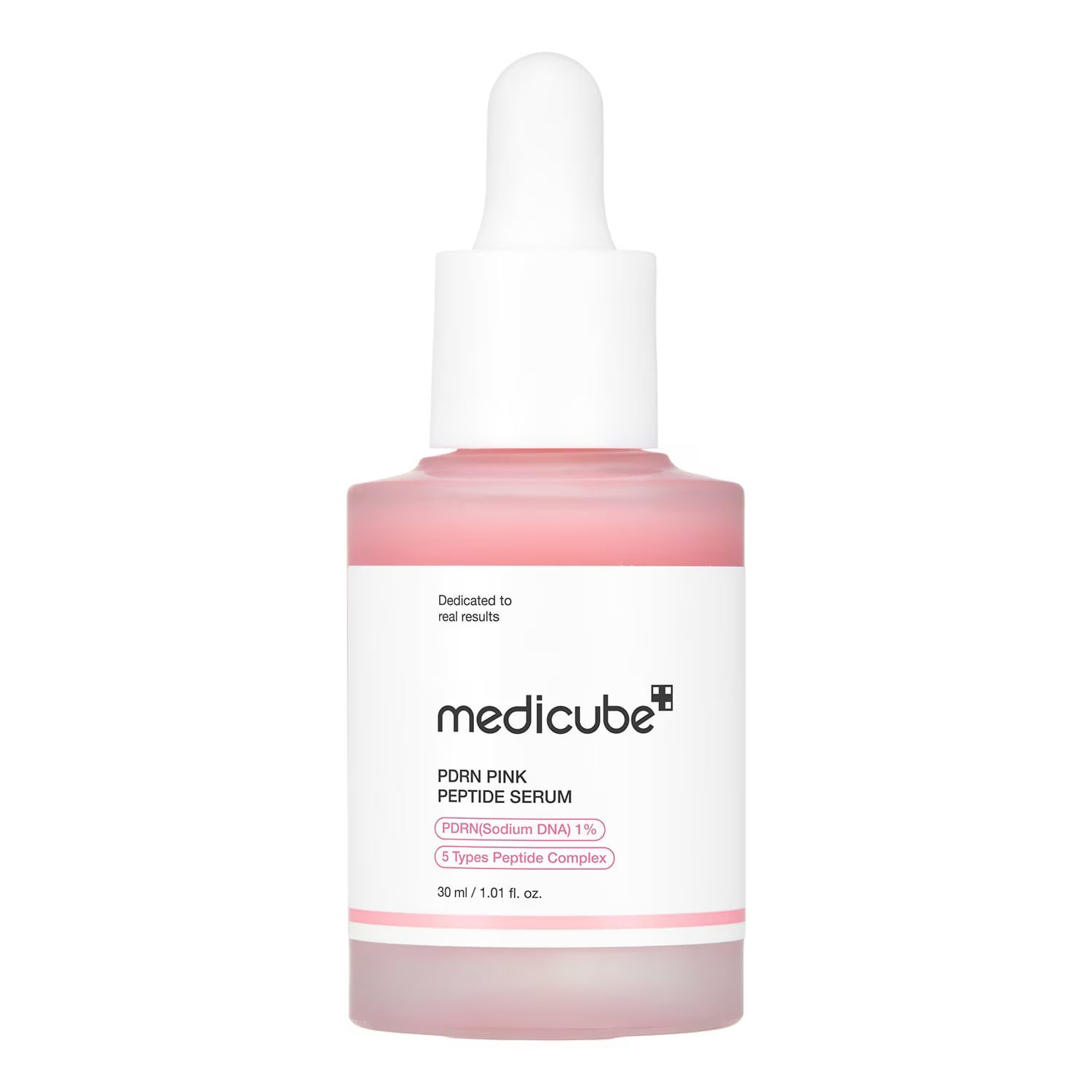
Medicube, PDRN Pink Peptide Serum
The most-talked-about PDRN launch of recent years — and it earns the attention. Salmon DNA PDRN sits alongside peptides, niacinamide and hydrating agents in a formula pitched squarely at glow and gentle firming. The pink hue is charming; the results are the main event.
You’ll love this if your skin looks dull and flat and you want something that shifts that over a few weeks without disrupting the rest of your routine.
Available at: sephora.co.uk
Ampoule
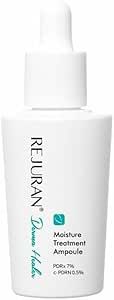
Rejuran, Derma Healer Moisture Treatment Ampoule
Rejuran is the brand that essentially built the PDRN injectable category — this is their clinic expertise translated into a daily ampoule. The 7% PDRx plus 0.5% c-PDRN formula is among the most concentrated topical options available, delivering serious hydration and nourishment in a few drops.
You’ll love this if you want the most potent topical PDRN experience possible.
Available at: stylevana.com
Mask
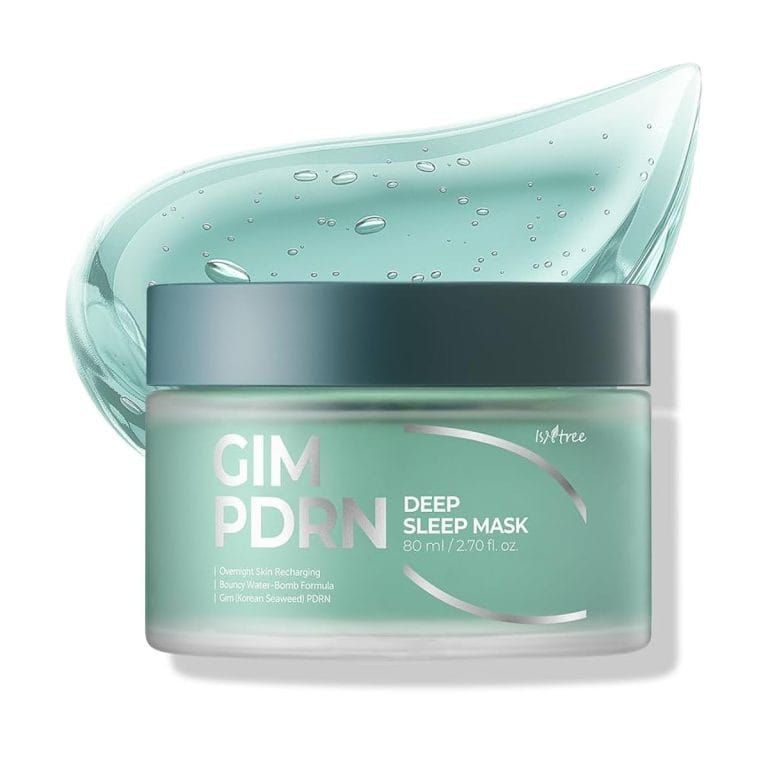
Isntree, Gim PDRN Deep Sleep Mask
The overnight option for when your skin has had a tough week. PDRN works here as a recovery ingredient while you sleep, supported by barrier-strengthening actives that mean you wake up to noticeably calmer, more cushioned skin. A gentle but effective final step in any repair-focused routine.
You’ll love this if your skin needs a reset and you’d rather let it recover while you sleep than add another step to your evening routine.
Available at: blushbeauty.co.uk
Cream
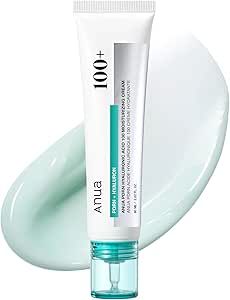
Anua, PDRN Hyaluronic Acid Cream
PDRN combined with 11 types of hyaluronic acid and hydrolyzed collagen in a formula that feels immediately plumping without the weight of a traditional cream. Smart Capsule technology helps drive ingredients deeper, making this a strong everyday option for drier skin types in particular.
You’ll love this if you want that just-had-a-facial bounce.
Available at: lookfantastic.com
Toner
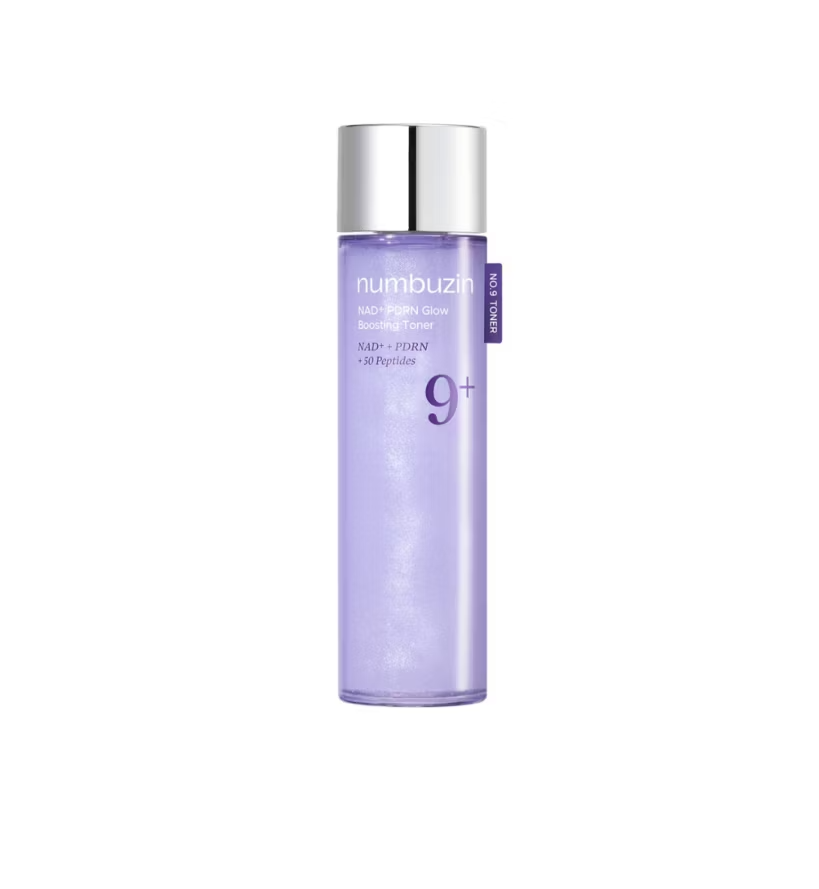
Numbuzin, No.9 NAD+ PDRN Glow Boosting Toner
An accessible entry point into PDRN — and one of the more interesting formats. Salmon-derived PDRN is paired with NAD+, cica extract, tranexamic acid and beta-glucan, making this as much a brightening and barrier toner as a regenerative one. A useful first step that layers beautifully under everything else.
You’ll love this if you’re curious about PDRN but not ready to overhaul your routine.
Available at: amazon.co.uk
Treatment
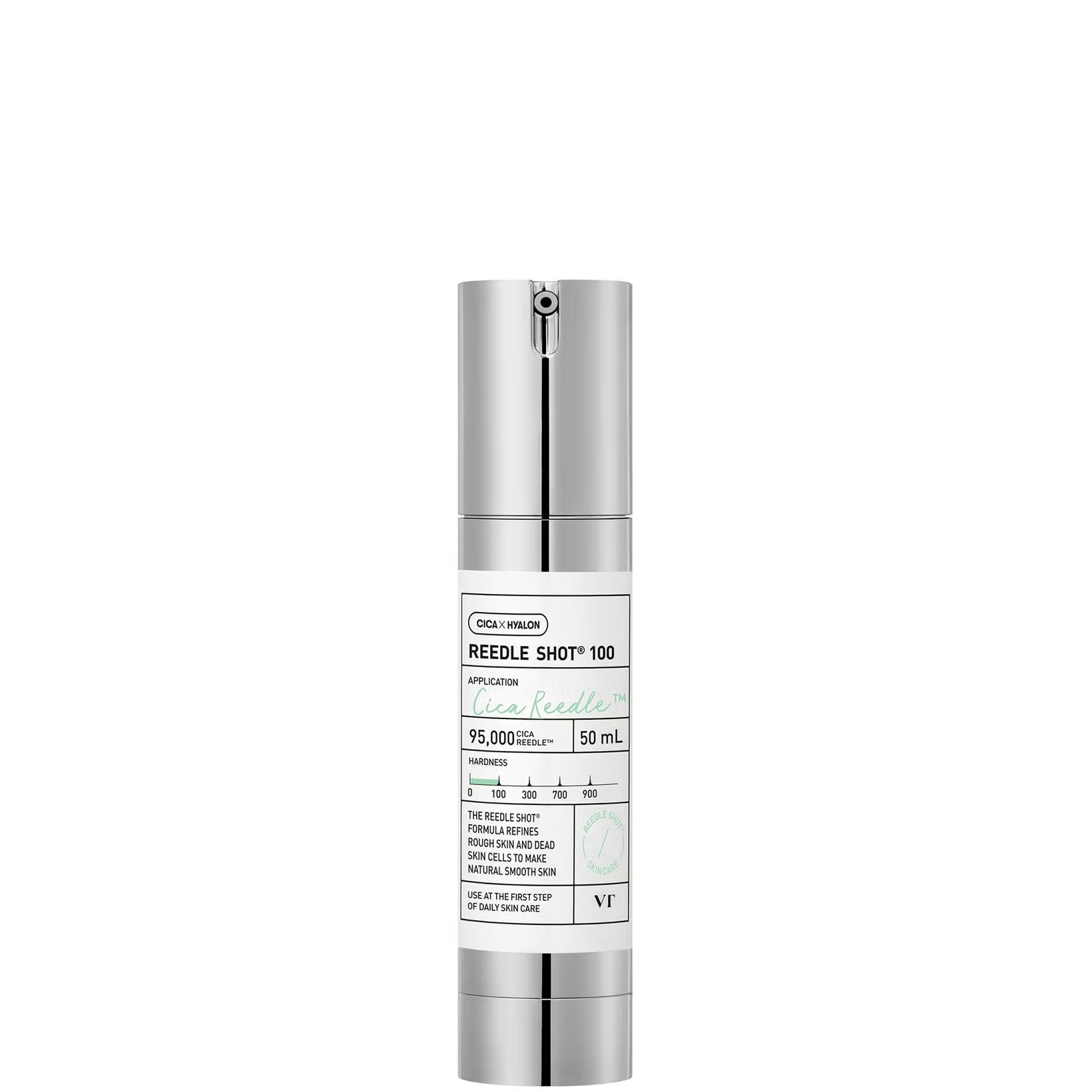
VT Cosmetics, Reedle Shot
The most clinical option on this list — and the one that earns its place for those who want to push PDRN further at home. Vegan PDRN is delivered via micro-spicule technology that creates a mild tingling sensation on application, enhancing absorption and refining texture simultaneously. Think of it as the closest thing to an in-clinic skin booster you can do yourself.
You’ll love this if you want results you can actually feel; the mild tingling on application is the point, not a side effect.
Available at: cultbeauty.co.uk
Your PDRN Questions Answered
What does PDRN actually stand for?
Polydeoxyribonucleotide — a regenerative compound derived from salmon or trout DNA, long used in medical and aesthetic clinic settings before making its way into everyday skincare. Despite the slightly alarming name, it’s a highly refined ingredient with a legitimate scientific background.
Is topical PDRN actually effective, or is the molecule too large to penetrate the skin?
This is one of the most common questions and it’s a fair one. Some aesthetic professionals argue that PDRN’s molecular size limits its absorption when applied topically, making injectables the only truly effective delivery method. The honest answer is that the evidence for topical formulations is still emerging. What most experts agree on is that while topical PDRN won’t replicate the results of an in-clinic treatment, it can still meaningfully support hydration, barrier repair and overall skin quality when used consistently. Think of it as complementary to, rather than a replacement for, professional treatments.
Where does PDRN fit in a skincare routine?
It depends on the format. As a general rule, apply products lightest to richest, so a PDRN toner goes on first, followed by a serum or ampoule, then your moisturiser or cream. If you’re using a PDRN sleeping mask, that replaces your cream as the final step on the nights you use it. PDRN works at any point in your routine where you’d normally apply a hydrating or repair-focused product.
Can I use PDRN with retinol or tretinoin?
Yes, and it’s actually one of the best pairings you can make. PDRN is widely used as a barrier support and recovery ingredient alongside stronger actives. “Ipersonally use it at the same time as my retinol product,” says Amy Mataczynski. “It’s amazing for barrier repair and support.” If your skin tends to get dry, tight or reactive when using retinoids, adding a PDRN cream or ampoule into the same routine can help offset that.
Can you use multiple PDRN products together?
You can, but you don’t need to. Layering a PDRN toner, serum and cream in the same routine is perfectly fine — the ingredient is gentle and well tolerated, so there’s no risk of overloading the skin the way you might with actives like acids or retinoids. That said, consistency with one or two well-chosen products will deliver better results than cycling through the entire edit at once.
Where should I start if I’m new to PDRN?
A toner or lightweight cream is the easiest entry point, both slot into an existing routine without disrupting it. The Numbuzin No.9 NAD+ PDRN Glow Boosting Toner is a good first step if you want something that layers under everything else, while the Dr. Althea REJU 5000 Cream works well as a straightforward swap for your usual moisturiser.
Are there vegan PDRN options?
Yes. Traditional PDRN is derived from salmon DNA, but plant-based alternatives are becoming more widely available. VT Cosmetics’ Reedle Shot uses vegan PDRN sourced from Korean wild ginseng rather than salmon, making it a strong option for those avoiding animal-derived ingredients.
Does PDRN help with expression lines and wrinkles?
It can improve the appearance of fine lines over time by supporting collagen production and improving overall skin quality, but it won’t deliver the kind of dramatic lifting or volumising effect you’d get from injectables. As Dr Khorana notes, it’s best suited to improving skin texture, hydration and resilience — think healthier, more cushioned skin rather than a line-erasing treatment.
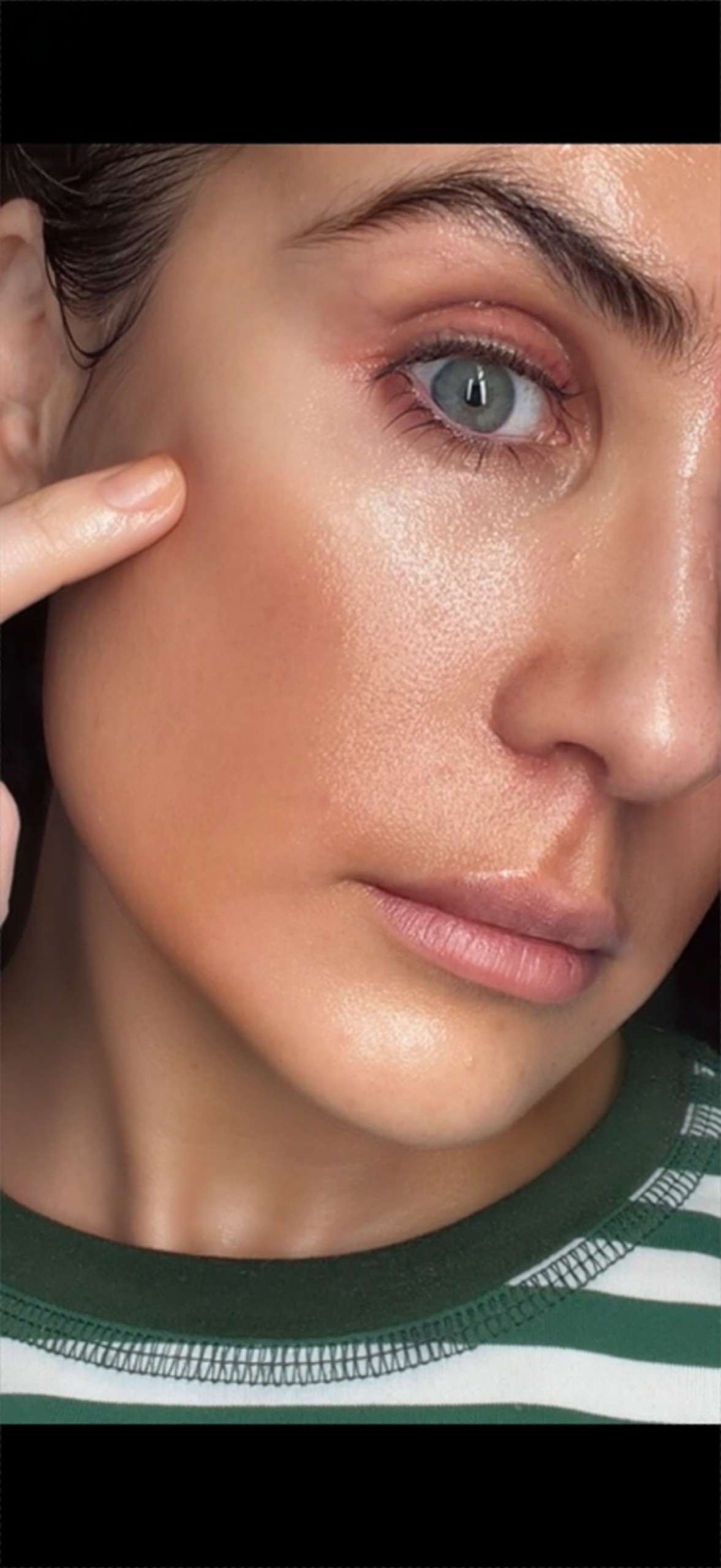
Featured image courtesy of @skin_vestmentt