Most homes still look like they were designed for showing off instead of actually helping people recover from modern life. Giant open layouts, nonstop brightness, noise carrying from room to room, clutter visible from every angle, and work setups shoved into bedrooms somehow became normal for years. Then people started realizing something uncomfortable: home did not always feel restful anymore. You could technically be “relaxing” on the couch while your brain still felt completely switched on because the environment around you never really slowed down.
A change is taking place in regions like Atlanta, GA, where packed schedules, long traffic-heavy commutes, remote work overlap, social obligations, and nonstop screen exposure make people crave quiet the second they walk through the front door. Homeowners are paying attention to little things now. How harsh the lighting feels after 9 PM. Whether there is any place in the house to sit without hearing the television from another room. How clutter affects mood faster than expected.
Bathroom Recharge Spaces
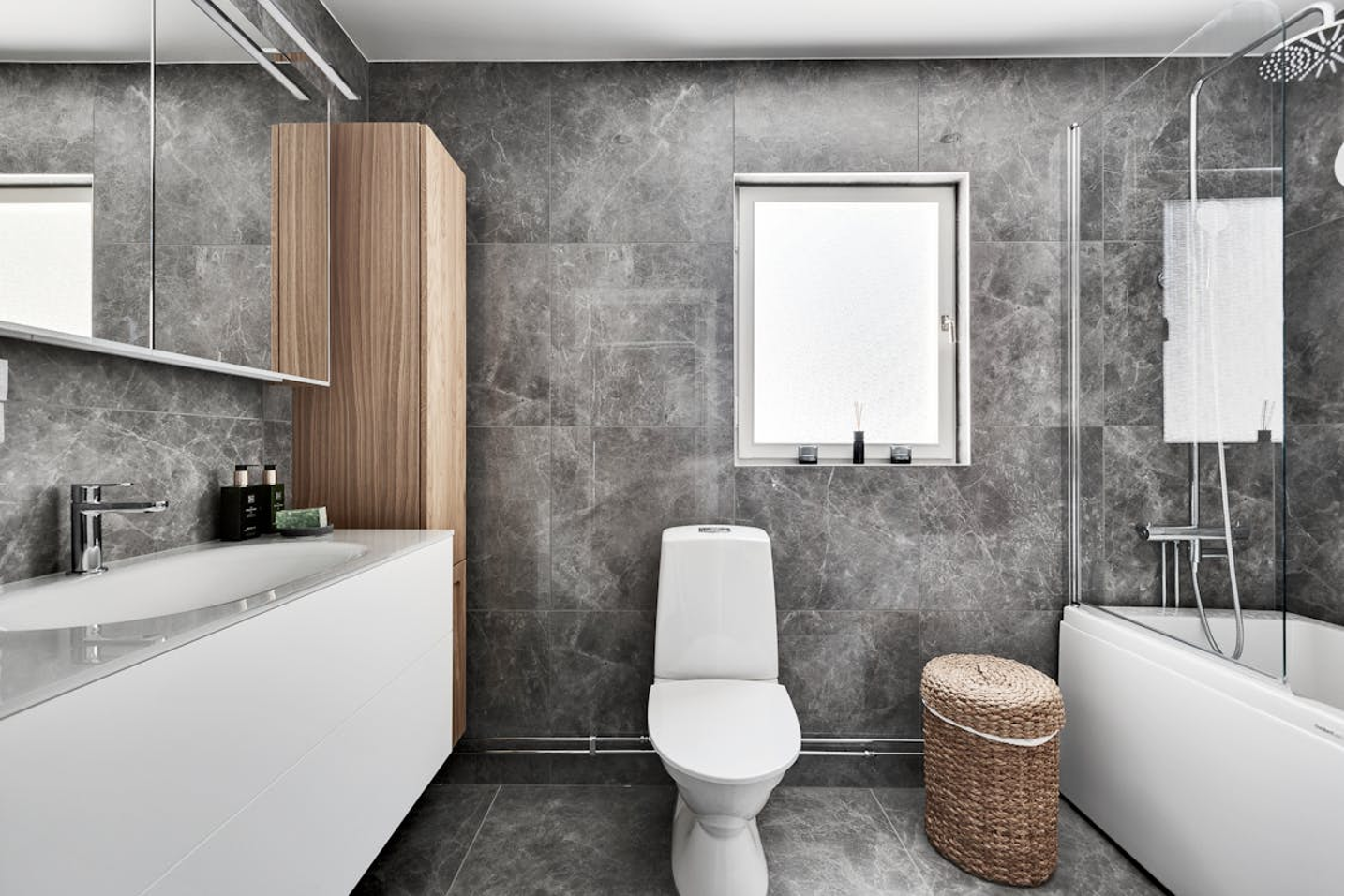
For a lot of adults, the bathroom might be the only place in the house where nobody follows them, asking questions for ten minutes. This reality completely changed renovation priorities. People no longer want harsh overhead lights bouncing off cold white surfaces while standing in front of cluttered counters after long days. The room itself needs to feel calmer the second somebody walks inside.
Today, bathroom remodel decisions are moving away from flashy luxury trends toward atmosphere and emotional comfort. Homeowners are paying attention to lighting temperature, sound levels, storage visibility, softer textures, and cleaner layouts because those details affect how mentally overwhelming the room feels at night. Consulting an Atlanta bathroom remodeler now often involves plans about creating visual quietness rather than simply choosing upgraded finishes. A calmer bathroom changes the entire tone of evening routines. Showers feel slower. Nighttime skincare stops feeling rushed.
Private Morning Reset Corners
People are carving out tiny reset spaces inside homes because jumping straight from sleep into emails, notifications, traffic, and noise feels mentally exhausting before the day even fully starts. Not every recharge space needs to be dramatic either. Sometimes it is literally a chair near a window, a quiet corner with softer lighting, or a tucked-away bench where somebody drinks coffee without hearing three devices buzzing nearby.
The interesting part is how personal these spaces have become. Some people want quiet reading corners. Others create tiny stretching areas, listening spots for music, or places to sit without staring directly at screens first thing in the morning. Modern homes increasingly include little moments where people can mentally arrive in the day before getting pulled into work, errands, or nonstop conversation.
Separation Between Work and Rest
One of the biggest problems modern homes created was letting work invade literally every room. Dining tables became offices. Bedrooms turned into Zoom call backgrounds. Living rooms filled with charging cables and laptops permanently sitting open. After a while, the entire house started feeling mentally “on” all the time because there was no separation between productive energy and personal downtime anymore.
Homes now focus heavily on creating boundaries again. Even tiny apartments are finding ways to visually separate work zones from rest zones because people realized their brains never fully relax without those distinctions. A desk hidden behind sliding panels feels different than one sitting beside the bed all night. A reading chair facing away from screens changes the atmosphere of a room instantly.
Sound Reduction Features
Noise feels different once people start paying attention to how constantly they hear it. Air vents hum. Televisions carry through walls. Kitchen sounds echo into bedrooms. Somebody opens cabinets across the house, and somehow the noise travels everywhere. Older home layouts often ignore how exhausting constant background sound becomes over time, especially for people already overloaded from busy schedules and nonstop digital stimulation outside the home.
Modern recharge-focused spaces treat sound much more carefully now. Softer materials, rugs, upholstered furniture, thicker doors, acoustic panels, and quieter appliances all help rooms feel calmer without anyone consciously noticing why. Sound reduction is less about creating total silence and more about removing unnecessary mental friction from the environment. You probably notice this instantly in certain hotel rooms or quiet libraries where the atmosphere feels peaceful before you even sit down.
Window Placement and Calm Design
Window placement affects mood way more than most people realize because natural light changes how a room feels emotionally throughout the day. Some homes somehow feel draining even during daylight hours because windows face awkward directions, block outdoor views, or flood spaces with harsh brightness at the wrong times. Other rooms instantly feel calmer the second you walk into them because the light feels softer, more balanced, and connected to the outside naturally.
Modern homes are paying much closer attention to that relationship now. A reading corner positioned beside filtered morning light feels completely different than one sitting under aggressive overhead fixtures all day. Bedrooms with carefully placed windows often feel quieter mentally because outdoor visibility creates a subtle sense of openness without overwhelming the space. Homeowners are even designing layouts around where calming natural light lands during early mornings or late evenings instead of treating windows like purely structural features.
Texture and Mental Comfort
People usually think about color first during home design, but texture quietly affects comfort in ways that are much harder to explain. Certain rooms feel tense because everything inside them is hard, shiny, cold, or visually sharp all at once. Smooth stone, glossy surfaces, bright lighting, exposed metal, and harsh edges can make spaces feel emotionally busy even when the room technically looks clean and modern.
That is why softer textures are becoming such a huge part of recharge-focused interiors now. Matte finishes, natural fabrics, wood grain, woven materials, textured walls, softer rugs, and layered fabrics all create a different emotional reaction inside a space. The room starts feeling quieter visually without needing dramatic decoration. Homeowners are realizing comfort is not only about furniture softness or room size. Texture changes how people physically experience a room throughout the day.
Modern homes are changing because people have finally realized comfort goes far beyond decoration or square footage. Recharge-focused design is becoming less about luxury and much more about creating environments where people can actually breathe and feel human again once the outside world finally shuts off for the night.