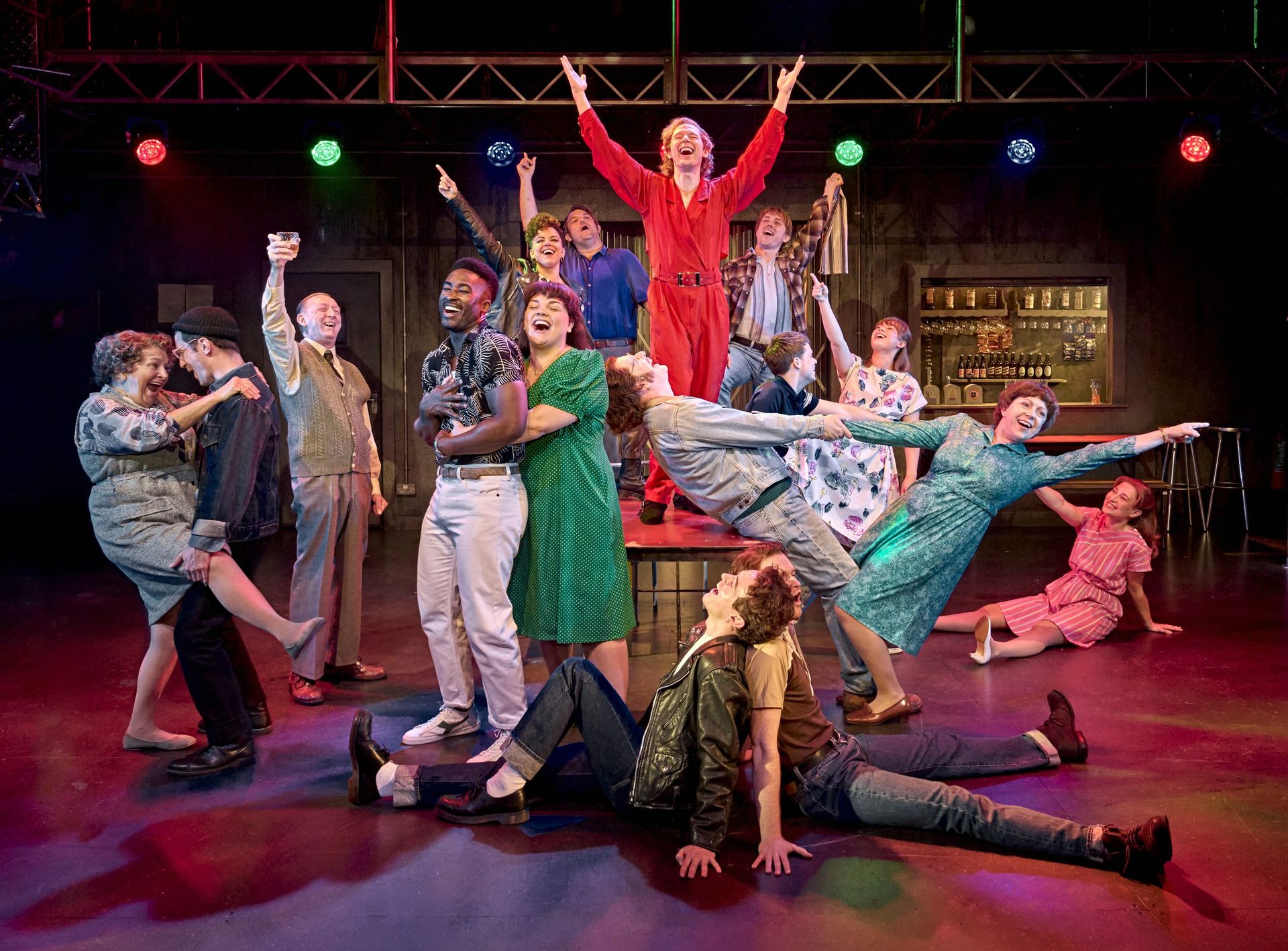
That’s exactly where Pride, the new musical based on the beloved 2014 film, begins.
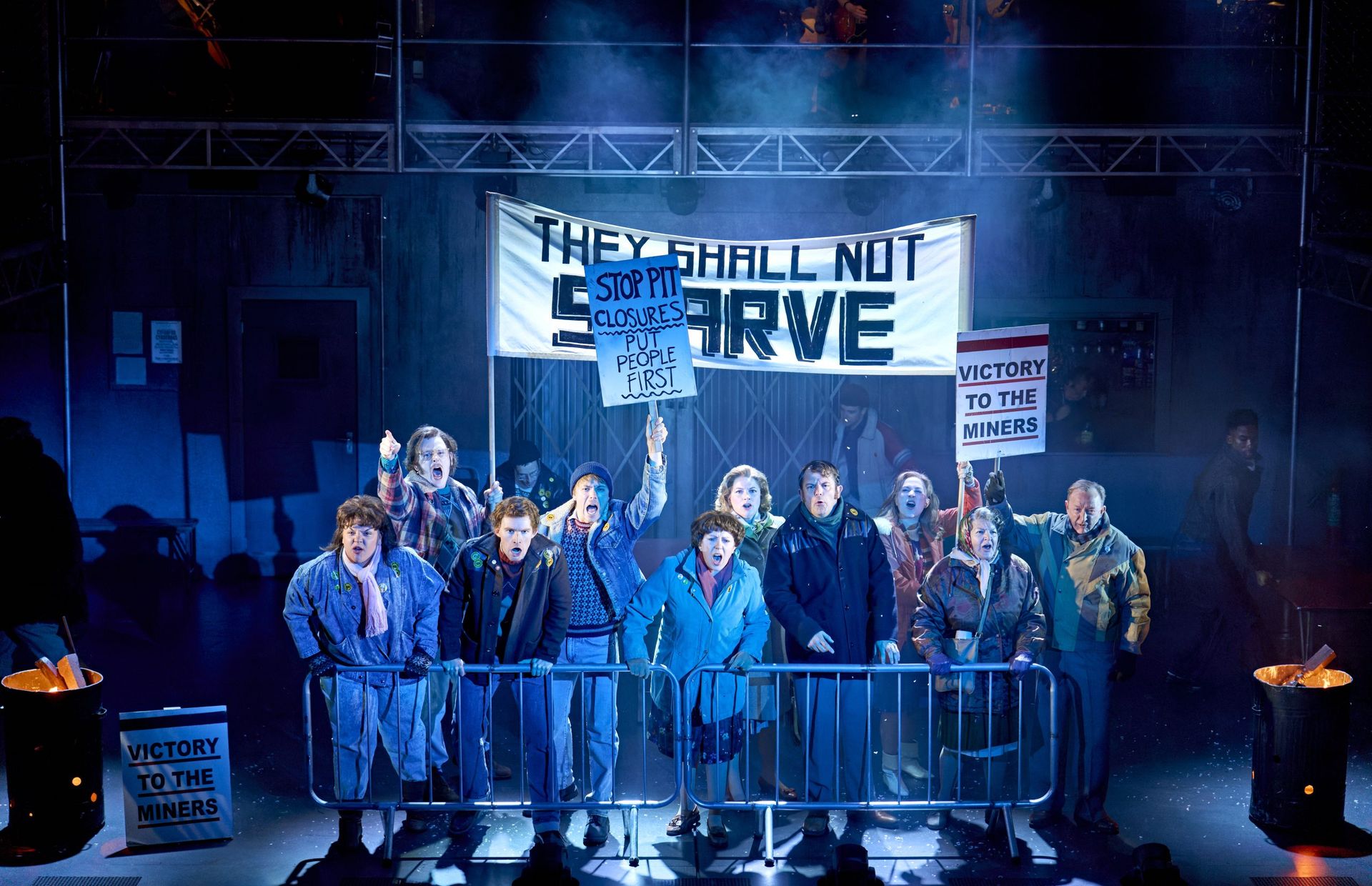
Set against the backdrop of the 1984 miners’ strike, it tells the extraordinary true story of Lesbians and Gays Support the Miners (LGSM), a group of queer activists who decided to raise money for striking mining communities in South Wales. At first glance, the two groups could hardly have seemed more different. One was made up largely of young gay men and lesbians from London, living through the AIDS crisis and relentless prejudice. The other consisted of close-knit mining families facing unemployment, police violence and Margaret Thatcher’s determination to crush the strike. Yet both understood what it felt like to be treated as the enemy, and what followed became one of the most remarkable acts of solidarity in modern British history.
It’s a story that has lost none of its power. If anything, watching it now feels even more poignant. At a time when LGBTQIA+ rights once again dominate political debate and parts of the community find themselves under renewed attack, Pride feels less like a period piece and more like a reminder that progress can never be taken for granted.
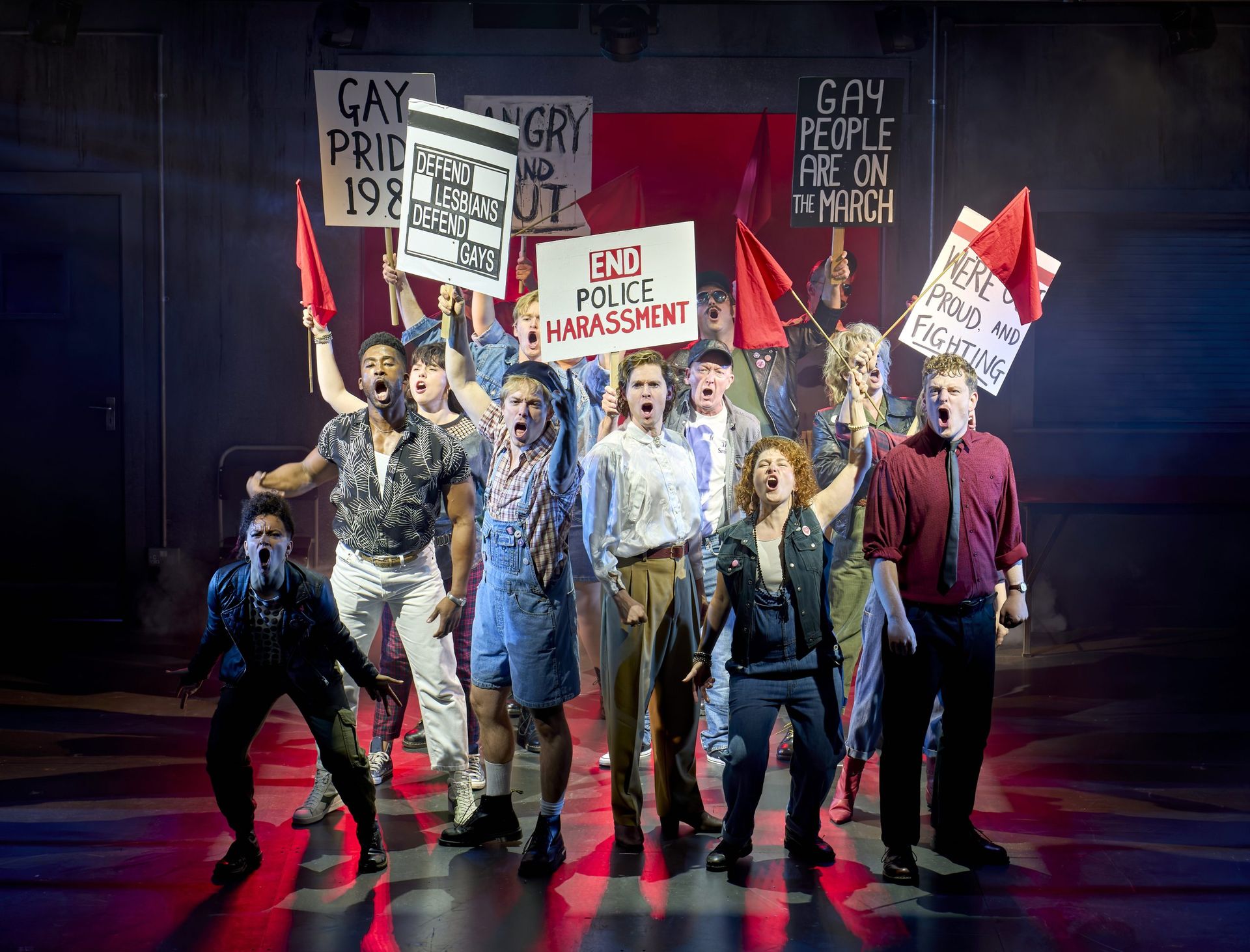
Director Matthew Warchus reunites with screenwriter Stephen Beresford, whose book adapts his own acclaimed screenplay, while Christopher Nightingale, Josh Cohen, and DJ Walde provide the music and lyrics. Together they’ve created something that retains everything audiences loved about the film while finding a thrilling theatrical identity of its own.
Before the cast have sung a note, the enormous word SHAME dominates the rear wall of the stage, hanging over the production like a cloud. It’s a stark reminder of the world these people inhabit and of the prejudice that shaped so many of their lives. By the end of the evening, that same wall bears a different word: PRIDE. It’s a simple but incredibly effective piece of visual bookending, charting not just the journey of the characters, but of a movement.
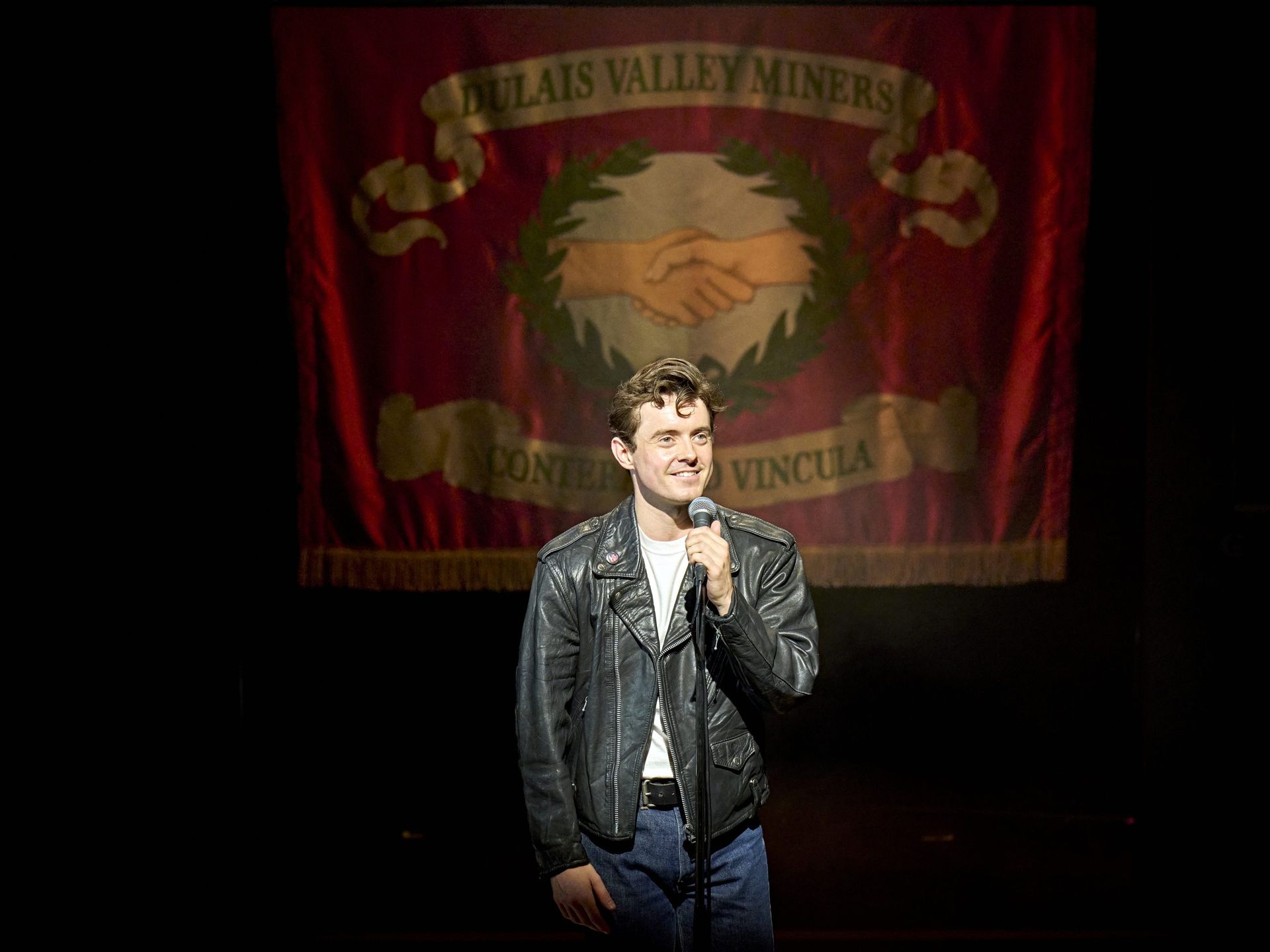
Mark Ashton, played with vigour and passion by Jhon Lumsden, provides the spark that ignites the story, but Pride is very much an ensemble piece. Rather than presenting one central hero, Beresford gives almost every character their own emotional journey, creating a production that feels rich, generous, and human.
Samuel Barnett is superb as the gloriously flamboyant Jonathan, balancing outrageous comedy with the very real fear of living through the AIDS epidemic. His refusal to “tone it down” after arriving in Wales becomes one of the show’s defining moments, a passionate rejection of the idea that anyone should have to make themselves smaller to make others feel comfortable.
Jordan Shaw brings warmth and vulnerability (not to mention beauty) to Reggie, while Lewis Cornay is instantly likeable as the young, closeted Bromley, whose coming-of-age story provides one of the show’s emotional anchors. Courtney Stapleton is equally impressive as Steph, delivering both some of the evening’s biggest laughs and one of its most heart-wrenching moments with the beautifully sung ‘Light Perpetual’.
Matthew Woodyatt gives the standout performance of the Welsh contingent as Dai Donovan, the miners’ representative who welcomes LGSM when many remain deeply sceptical. His powerful speech, transformed into the soaring ‘You Stood By Me’, is the emotional high point of the evening. As he sings, “What I thought I knew about you vanished when you stood by me,” Beresford’s central message of acceptance and solidarity couldn’t be clearer. It’s an intensely moving moment, delivered with warmth, dignity, and emotional power.
Sarah Pugh is equally affecting as Siân, whose moving rendition of ‘My Little Infidelity’ captures a woman yearning for a life beyond the one she believes she’s destined to live.
I’ve only mentioned a handful of performances here, but the entire company deserves enormous credit. This is a production where every character feels important, every performer has a chance to shine, and the strength of the ensemble becomes one of the production’s greatest assets.
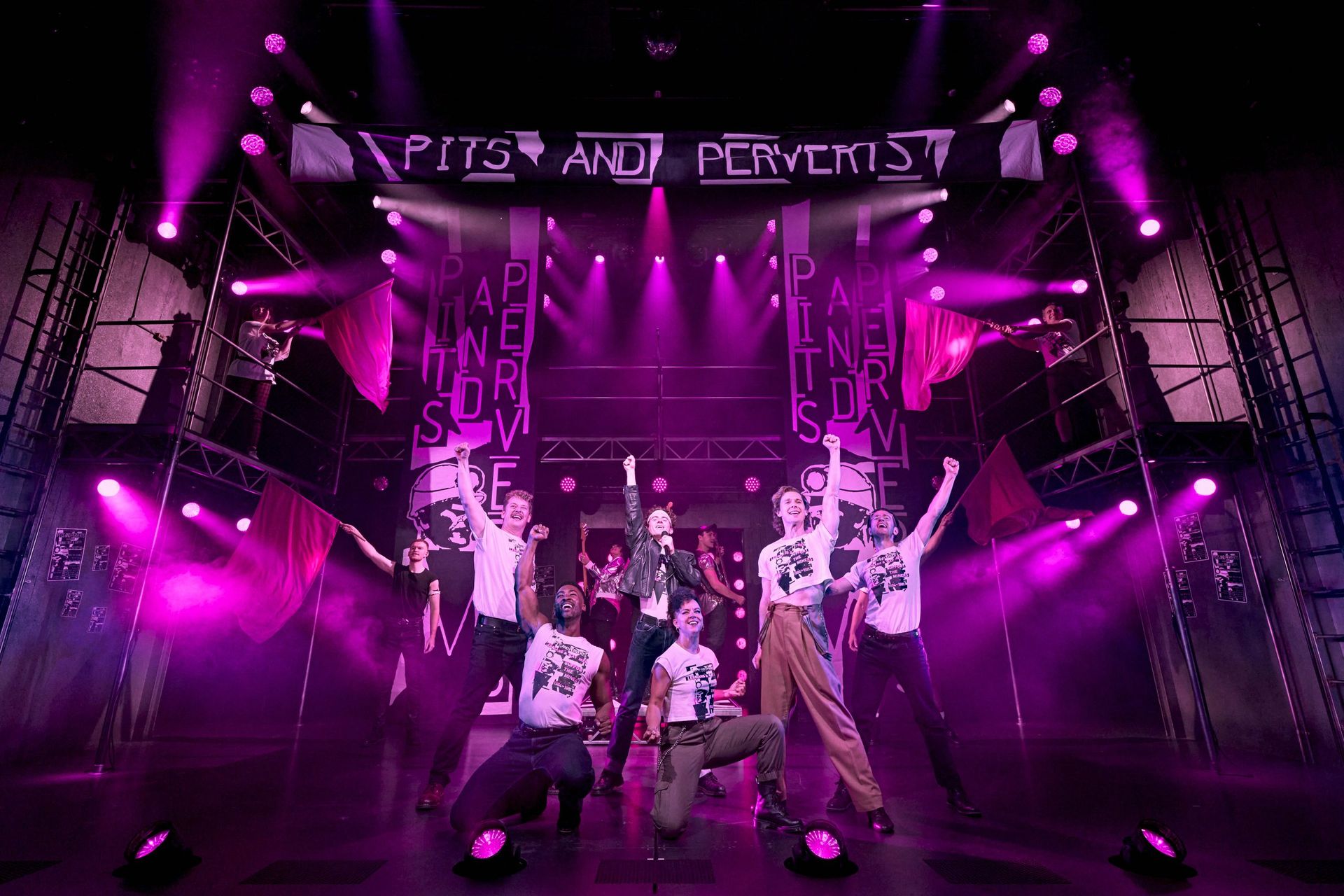
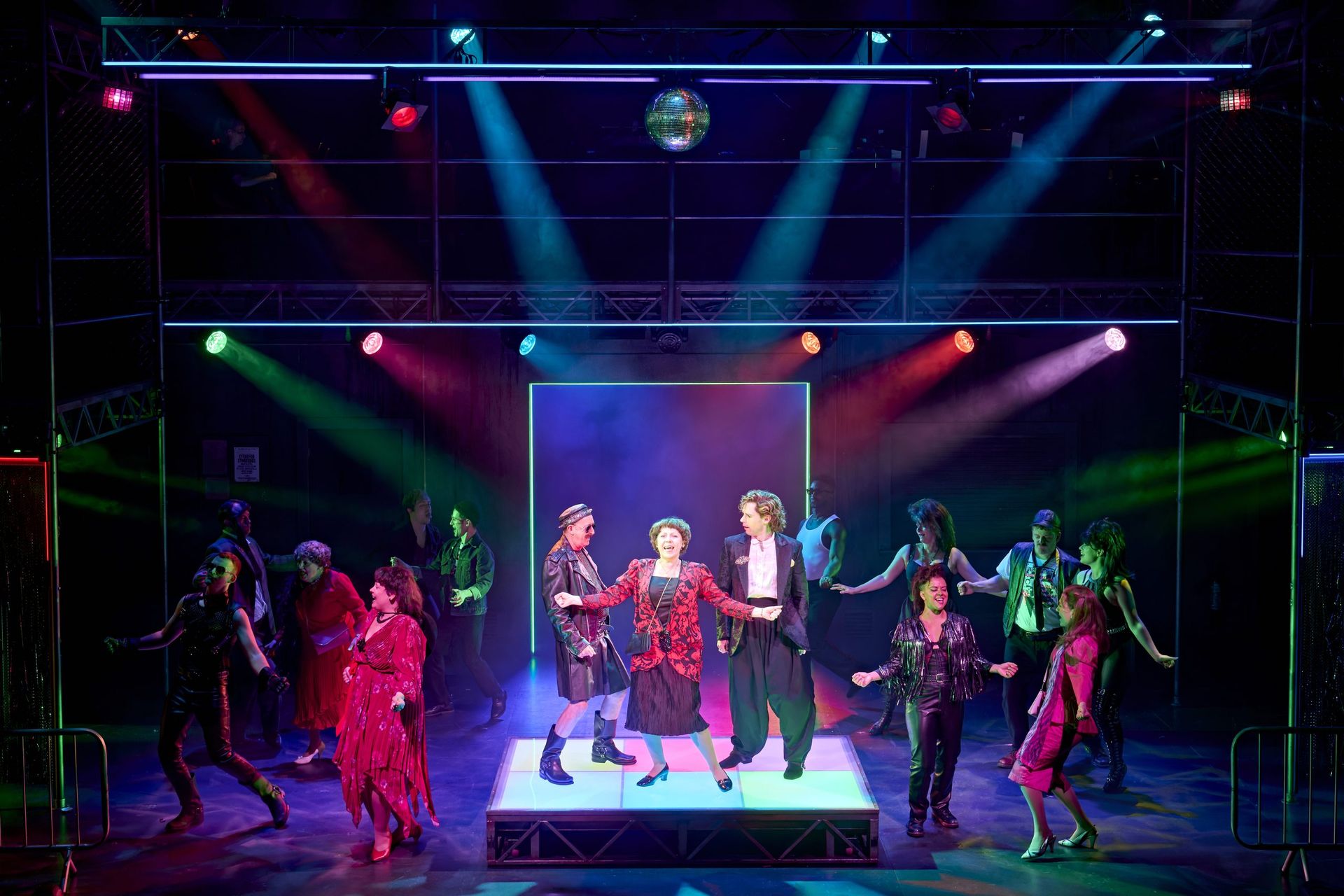
The score is stunning. I left the theatre desperately wanting to put the cast recording on, only to discover there isn’t one yet. Every song earns its place, whether it’s the stirring protest anthems, intimate ballads, or joyous celebration of solidarity at the legendary Pits and Perverts fundraiser.
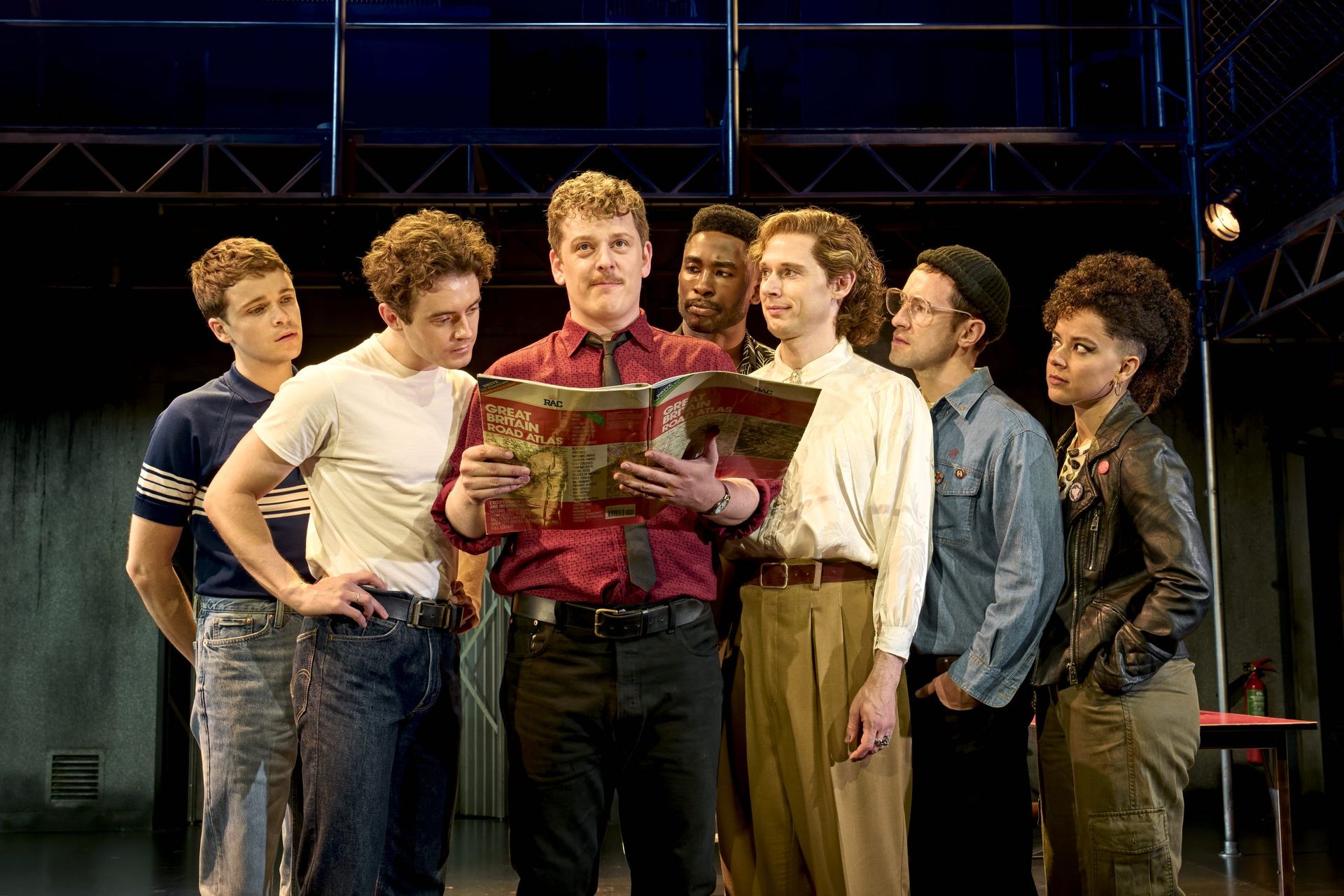
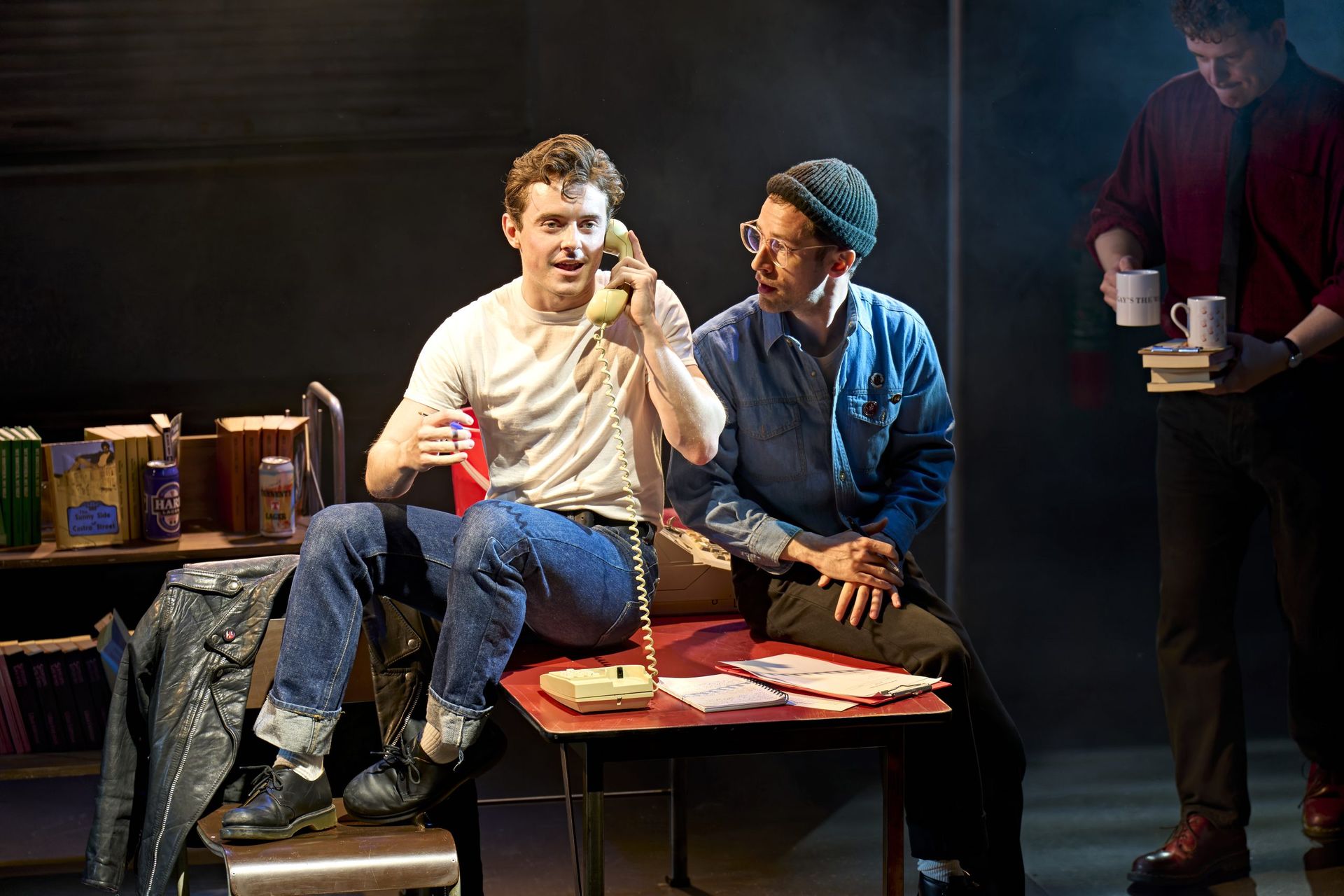
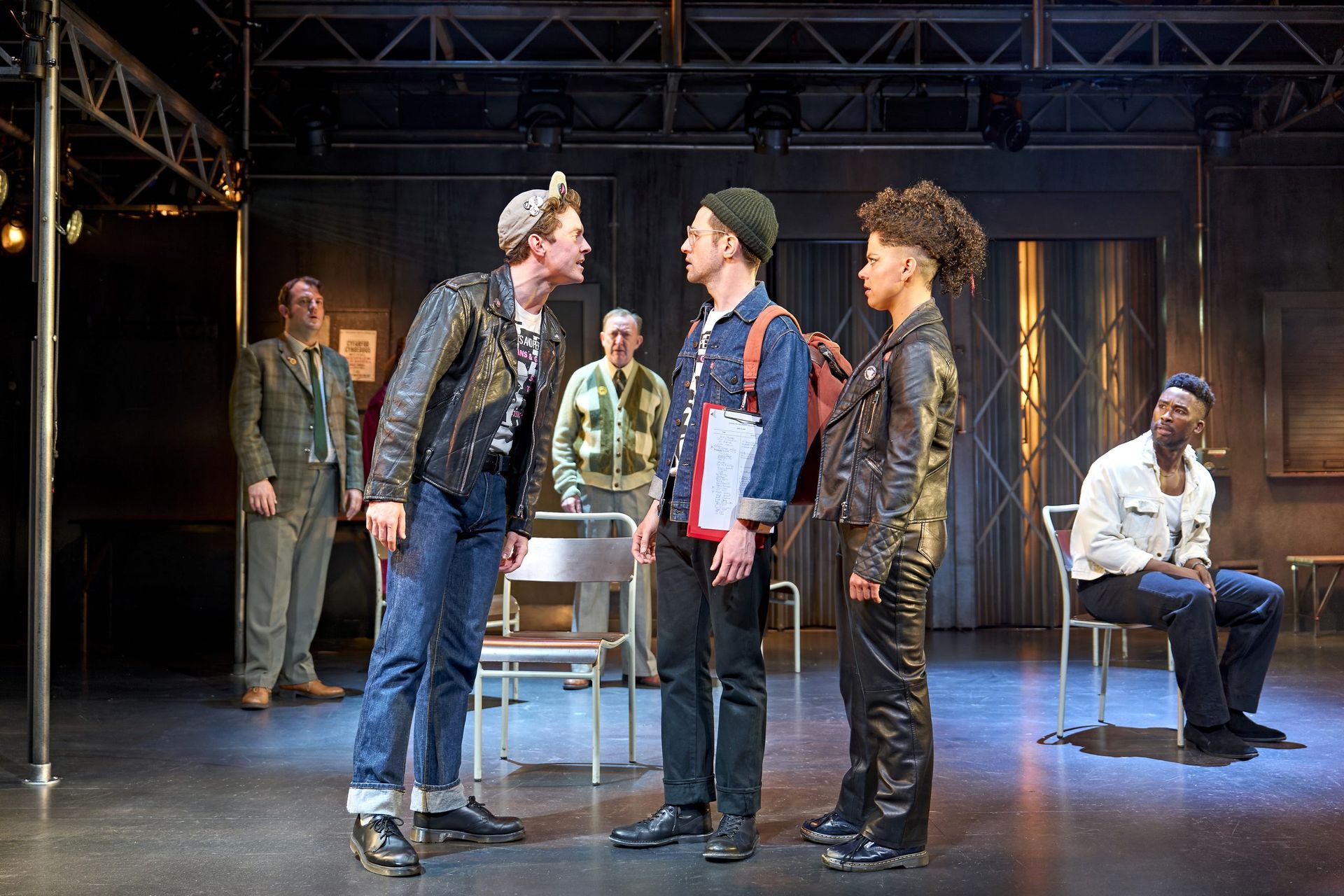
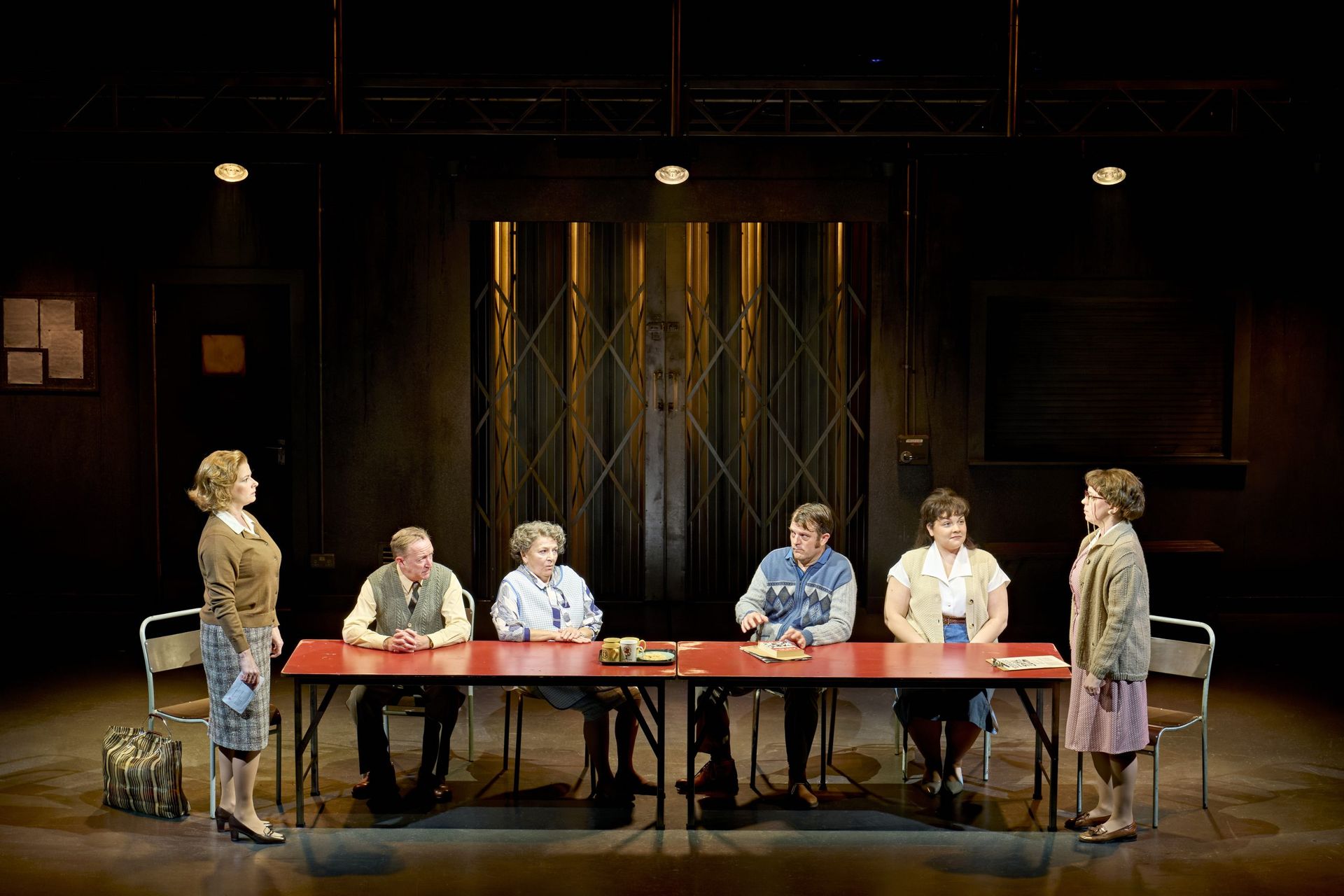
Bunny Christie’s simple but effective set keeps the focus firmly on the performances, while Hugh Vanstone’s lighting effortlessly shifts the mood between London, the Welsh valleys, and the euphoria of Pride. The costumes are equally impressive, perfectly evoking the fashions of mid-1980s Britain without ever feeling like caricature.
What kept hitting me wasn’t simply how uplifting the story is, but how relevant it is today.
The world has changed enormously since 1984. Marriage equality is now law, the age of consent has long since been equalised, and many young LGBTQIA+ people enjoy freedoms that earlier generations could barely imagine. Yet as I watched Pride, I couldn’t ignore the feeling that history has begun to move backwards in some respects. Once again, parts of the queer community are finding themselves at the centre of political arguments and media hostility. This musical reminds us that rights are never simply won once and kept forever. Every generation has to decide whether it will stand with those under attack or look the other way.
Above all else, Pride is a celebration of human connection. It’s about discovering that the people we assume are different from us often share the same fears, the same hopes and the same desire simply to be accepted. It made me laugh constantly, reduced me to tears more than once, and left me wanting to go back and see it again with everyone I know.
Although its run at The Dorfman Theatre is already sold out, I will be very surprised if Pride doesn’t get the West End transfer it so obviously deserves.
In a world that so often encourages us to retreat into opposing camps, Pride reminds us that sometimes the most radical thing we can do is stand together.
Pride is playing at The Dorfman Theatre @ The National Theatre until 12 September 2026.
For tickets (unlikely this run) and further info visit nationaltheatre.org.uk
Words Nick Barr
Photography Manuel Harlan