
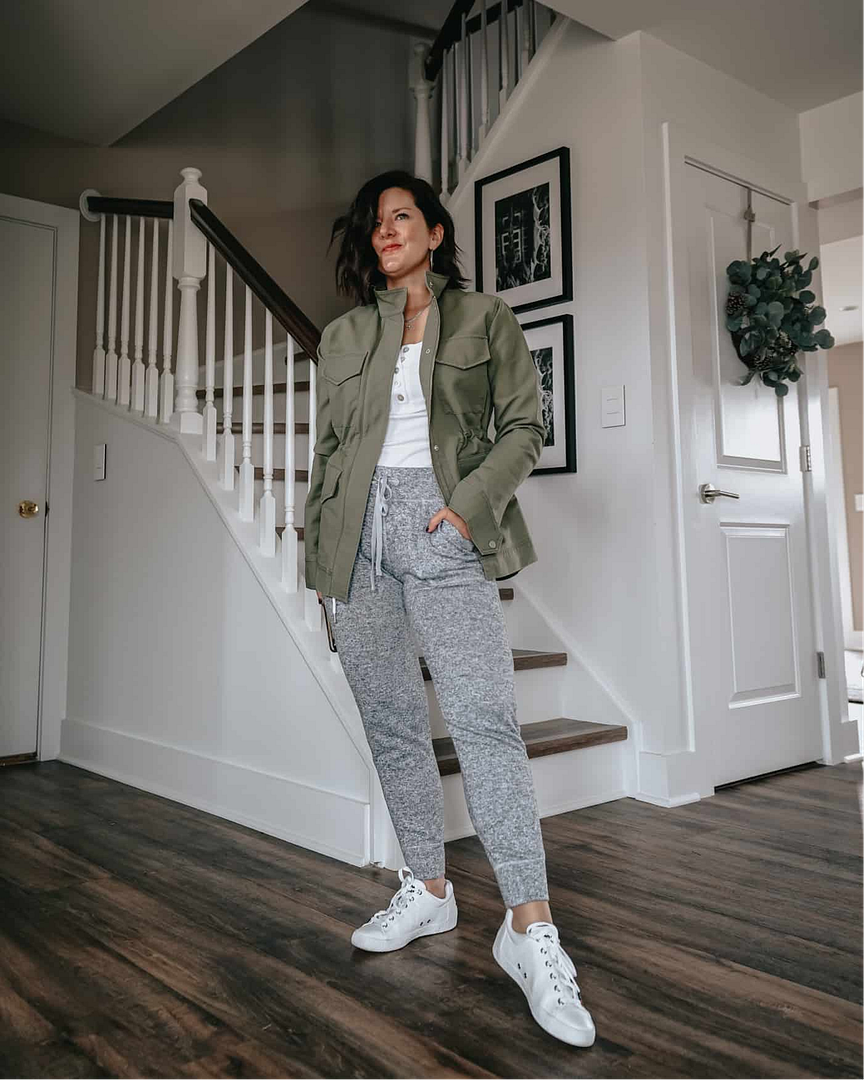
For decades, status in fashion meant visible logos, structured silhouettes, and clothing that often prioritized appearance over comfort. A tailored suit or a pair of designer heels signaled power, wealth, and social standing. But something fundamental has shifted. Today, the most coveted garments are cashmere sweatpants, minimalist sneakers, and oversized knits that cost as much as a formal gown. Comfortable clothing has quietly taken the throne as the ultimate marker of success, reshaping the fashion industry and the cultural values behind it.
How luxury brands pivoted toward ease
The transformation didn’t happen overnight. Athleisure brands like Lululemon and Alo Yoga started the conversation in the early 2010s by making performance wear socially acceptable outside the gym. But the real turning point came when legacy fashion houses followed suit. Balenciaga introduced oversized hoodies on the runway. Loro Piana built an empire around ultra-soft cashmere loungewear priced at thousands of dollars per piece. Brunello Cucinelli became synonymous with relaxed Italian elegance that felt as good as it looked.
What made this shift remarkable was not that comfortable clothing existed — it always had — but that it commanded luxury pricing and cultural prestige. A plain gray hoodie from a heritage brand could retail for over $2,000, and consumers paid willingly. The message was clear: true wealth no longer needed to announce itself through stiffness and formality. Instead, the ability to look effortlessly at ease became the new flex.
The cultural forces behind the comfort revolution
Several intersecting forces created the conditions for this transformation. Remote work culture eliminated the daily obligation to dress formally for millions of professionals. When the office moved to the living room, wardrobes adapted accordingly. People discovered that productivity didn’t require a blazer, and many never went back.
Social media also played a surprising role. Influencers and celebrities began showcasing “quiet luxury” — understated, comfortable clothing with no visible branding. The aesthetic celebrated knowing what quality felt like rather than showing what it looked like. This resonated deeply with audiences tired of conspicuous consumption and logo fatigue.
There is also a generational element at play. Younger consumers increasingly view purchases through the lens of well-being and sustainability rather than pure display. They ask whether clothing serves their lifestyle rather than whether it impresses strangers. Comfort, in this context, becomes an expression of self-awareness and intentional living.
| Factor | Old status symbol approach | New comfort-driven approach |
| Branding | Visible logos and monograms | Minimal or no external branding |
| Silhouette | Structured, tailored, rigid | Relaxed, oversized, ergonomic |
| Quality signal | Recognizable designer name | Fabric origin, construction, durability |
| Cultural message | “Look at what I can afford” | “I don’t need to prove anything” |
| Primary value | Appearance and display | Well-being and craftsmanship |
| Price driver | Brand prestige | Material quality and textile innovation |
When comfort meets craftsmanship
The rise of comfortable clothing as a status symbol hasn’t lowered the bar for quality — it has raised it. The difference between a $30 hoodie and a $1,500 one lies in fabric weight, fiber origin, construction technique, and durability. Consumers willing to invest in comfort demand superior craftsmanship, and brands have responded with remarkable innovation.
Fabrics like Japanese cotton, Mongolian cashmere, and merino wool blends now appear in garments designed for everyday wear. Seamless knitting technology, ergonomic cuts, and temperature-regulating textiles have turned basic wardrobe staples into feats of textile engineering. The result is clothing that feels invisible on the body while lasting for years — a stark contrast to fast fashion’s disposable approach.
This emphasis on material quality has created a fascinating parallel with other industries where understated excellence commands premium pricing. Much like how digital entertainment platforms invest heavily in seamless user experiences behind the scenes, fashion brands now compete on the invisible details that define comfort. Players exploring online entertainment spaces, for instance, can experience this principle firsthand through MrBet casino, where the emphasis on smooth, intuitive design mirrors the same philosophy of prioritizing user experience over flashy exteriors.
What comfort signals about modern success
The deeper significance of this trend lies in what it communicates about contemporary values. Wearing comfortable clothing as a status symbol signals several things simultaneously. It suggests financial security — the wearer doesn’t need to prove anything. It implies taste and discernment — they can identify quality without relying on logos. And it projects confidence, because choosing ease over formality requires a certain social freedom.
In professional settings, this shift has been equally telling. Tech executives famously adopted the uniform of premium basics years ago, but now professionals across industries embrace the same approach. The power suit hasn’t disappeared entirely, but it shares the stage with elevated casual wear in ways that would have been unthinkable a generation ago.
The quiet revolution in getting dressed
Fashion has always reflected the values of its era. The rise of comfortable clothing as a status symbol tells a story about a society rethinking what success looks like, what quality means, and how personal well-being fits into daily choices. It is not a rejection of luxury but a redefinition of it — one where the most prestigious garment in the room might be the softest one. In learning to value what feels good over what merely looks expensive, modern consumers have rewritten the rules of style with a simple, powerful premise: true status needs no discomfort.



