Food often reveals how a place actually functions: where people gather, what they eat between errands, and how traditions evolve without fanfare. The destinations below stand out because food isn’t set apart from daily life or saved for special occasions.
Markets, neighbourhood cafés, late-night stalls, and high-end kitchens operate side by side, each serving a different role. Every city or region opens up differently, shaped by its history, patterns of migration, and moments of experimentation.
This guide focuses on places where eating well comes naturally, informed by geography, culture, and habits formed over time, rather than by trends or spectacle.
Mediterranean Heritage and Artisanal Flavours in Sicily

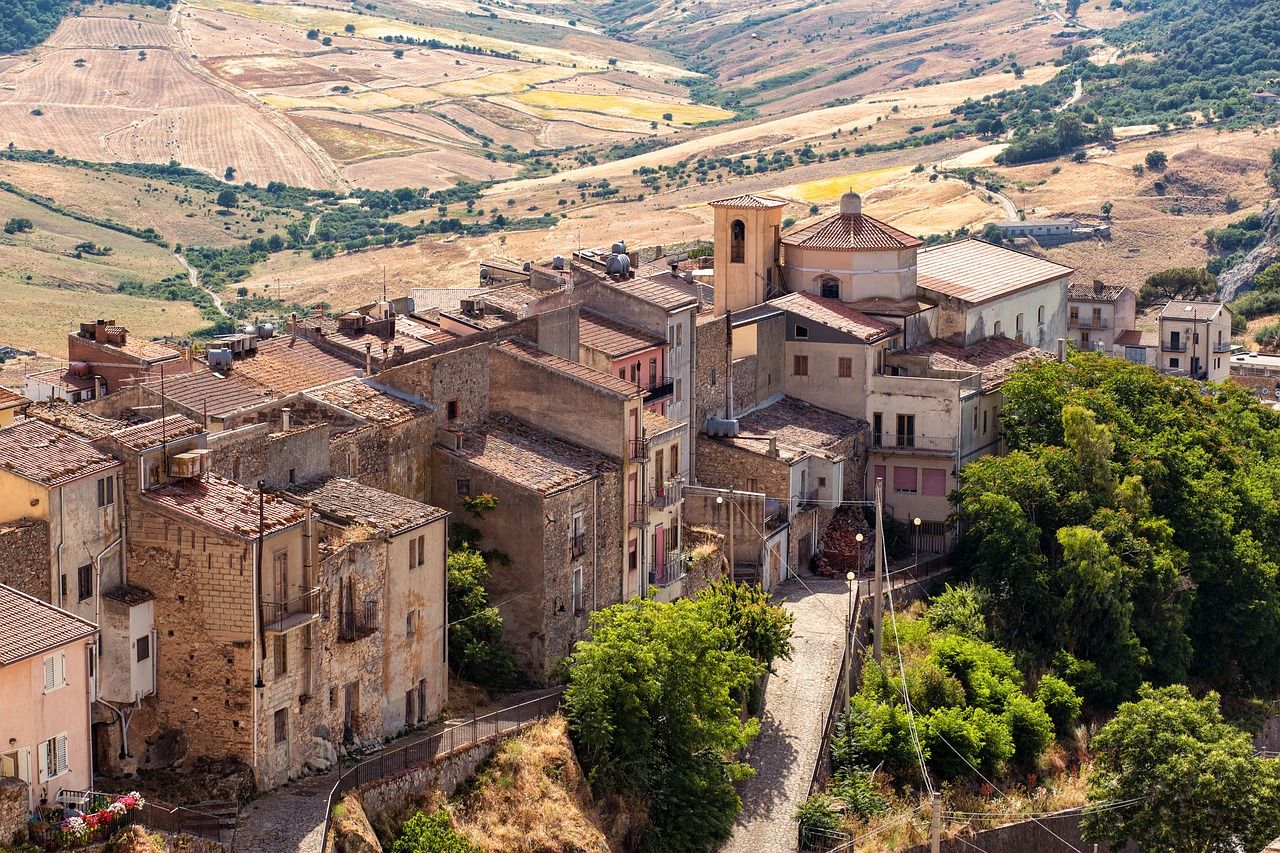
Sicily appeals to curious food-focused travellers who want to understand where food comes from and why it tastes the way it does. Markets in Palermo, such as Ballarò Market and Vucciria Market, are loud, crowded spaces where locals still shop daily. Fried panelle, arancini filled with ragù, and slices of sfincione are eaten standing up, often mid-conversation.
Inland, towns closer to Mount Etna rely more heavily on vegetables, pulses, and pistachios, shaped by volcanic soil and seasonal availability. Along the coast, anchovies, sardines, and swordfish dominate, usually grilled simply or lightly cured. Meals follow geography closely, and menus change noticeably depending on where you are on the island.
There’s also a growing interest in staying local, with many travellers opting for holiday rentals in Sicily, which provide easy access to village bakeries, small producers, and family-run trattorias rather than hotel dining rooms. Wineries on Etna’s northern slopes are straightforward to reach by car, particularly around Randazzo, and visits often include tastings paired with regional specialities. Sicilian food isn’t complicated to interpret. It reflects layers of Greek, Arab, and Spanish influence without turning history into a performance. You understand it directly through the food itself.
Neon Nights and Street Food Innovation in Seoul
Seoul is one of the easiest cities to eat well at almost any hour. Street food isn’t positioned as a tourist attraction. In places like Gwangjang Market, bindaetteok pancakes and mayak gimbap are prepared in the same way as they have been for decades. Late at night, pojangmacha tents line major roads, serving tteokbokki, fish cakes, and soju to office workers and students finishing their day. These stops are woven into everyday routines, especially after work or school.
What has evolved is how younger chefs build on that base. Neighbourhoods such as Seongsu and Ikseon-dong are home to small restaurants experimenting with fermentation, vegetable-led menus, and restrained reinterpretations of classic dishes.
Korean barbecue remains central, but many locals now favour specialist restaurants focused on a single cut or carefully aged beef. Traditional hanjeongsik meals are still easy to find, particularly around Insadong, but Seoul’s real strength lies in its range. From convenience store snacks to carefully paced tasting menus, everything connects back to how people actually eat and live in the city.
Artistic Precision and Riverside Dining in Basel
Basel often surprises visitors who expect Switzerland’s food scene to be limited. Set at the junction of Switzerland, France, and Germany, the city draws comfortably from all three. Bakeries display dense rye breads alongside delicate pastries, and local specialities such as Läckerli biscuits and Basler Mehlsuppe still appear at seasonal events, particularly during Fasnacht. Outside those moments, everyday dining reflects a quietly international mix.
The Rhine shapes how people eat and socialise. In warmer months, restaurants and wine bars along the river fill early, especially in Kleinbasel. Museums such as Kunstmuseum Basel and Fondation Beyeler anchor daytime itineraries, and meals are often planned around exhibitions rather than the other way round.
The city is also a good base for exploring the region, with great day tours from Basel heading into Alsace or the Black Forest, where food traditions shift noticeably within short distances. Basel’s food scene mirrors its art world: precise, confident, and less interested in showmanship than consistency.
Bold Traditions and Modern Fusion in Mexico City
Mexico City runs on food. Street stalls selling tacos al pastor, tamales, and quesadillas operate from early morning until well after midnight. Each neighbourhood operates on its own terms. In Condesa and Roma, cafés open early, focusing on specialty coffee and lighter breakfasts.
Downtown, around the Zócalo, food is more functional, shaped by long-established routines. Markets such as Mercado de San Juan serve both chefs and home cooks, offering everything from tropical fruit to specialty meats.
Alongside this everyday eating, a new generation of chefs is reworking Mexican cuisine without separating it from its roots. Restaurants like Pujol and Quintonil have drawn international attention, but they sit within a much broader ecosystem of bakeries, mezcalerías, and neighbourhood fondas.
Corn remains central, handled with care and respect, and even modern tasting menus often echo home cooking. Mexico City’s scale can feel overwhelming, but food provides a constant point of reference. You eat where you are, and that usually tells you enough about the city.
Coastal Freshness and New-Wave Gastronomy in Copenhagen
Copenhagen changed how many people think about Nordic food, but everyday eating here is more grounded than its reputation suggests. Smørrebrød remains a lunchtime constant, especially in long-established spots around the city centre. Fish markets and harbour-side smokehouses still supply much of what ends up on plates, particularly herring, cod, and shellfish. The emphasis on seasonal produce is shaped by climate and availability.
High-end and everyday dining often sit side by side. Restaurants influenced by New Nordic principles operate a short walk from bakeries selling cardamom buns and rye bread to commuters. Neighbourhoods like Nørrebro and Vesterbro are known for casual places that serve excellent food without reservations. Cycling between meals is part of daily life, and many visitors end up adopting the same pattern without really planning to.
Are you ready to embark on a journey that satiates both your soul and your palate?
Immersive food travel isn’t about chasing the most talked-about restaurant or ticking off dishes from a list. It’s about understanding how eating fits into daily life and why it looks different from one place to the next. Sicily, Seoul, Basel, Mexico City, and Copenhagen all offer that perspective in distinct ways. Markets, neighbourhoods, museums, and landscapes shape what ends up on the table.
For travellers who care about food as part of culture rather than a separate attraction, these destinations provide context, variety, and meals that stay memorable because they make sense where they are.