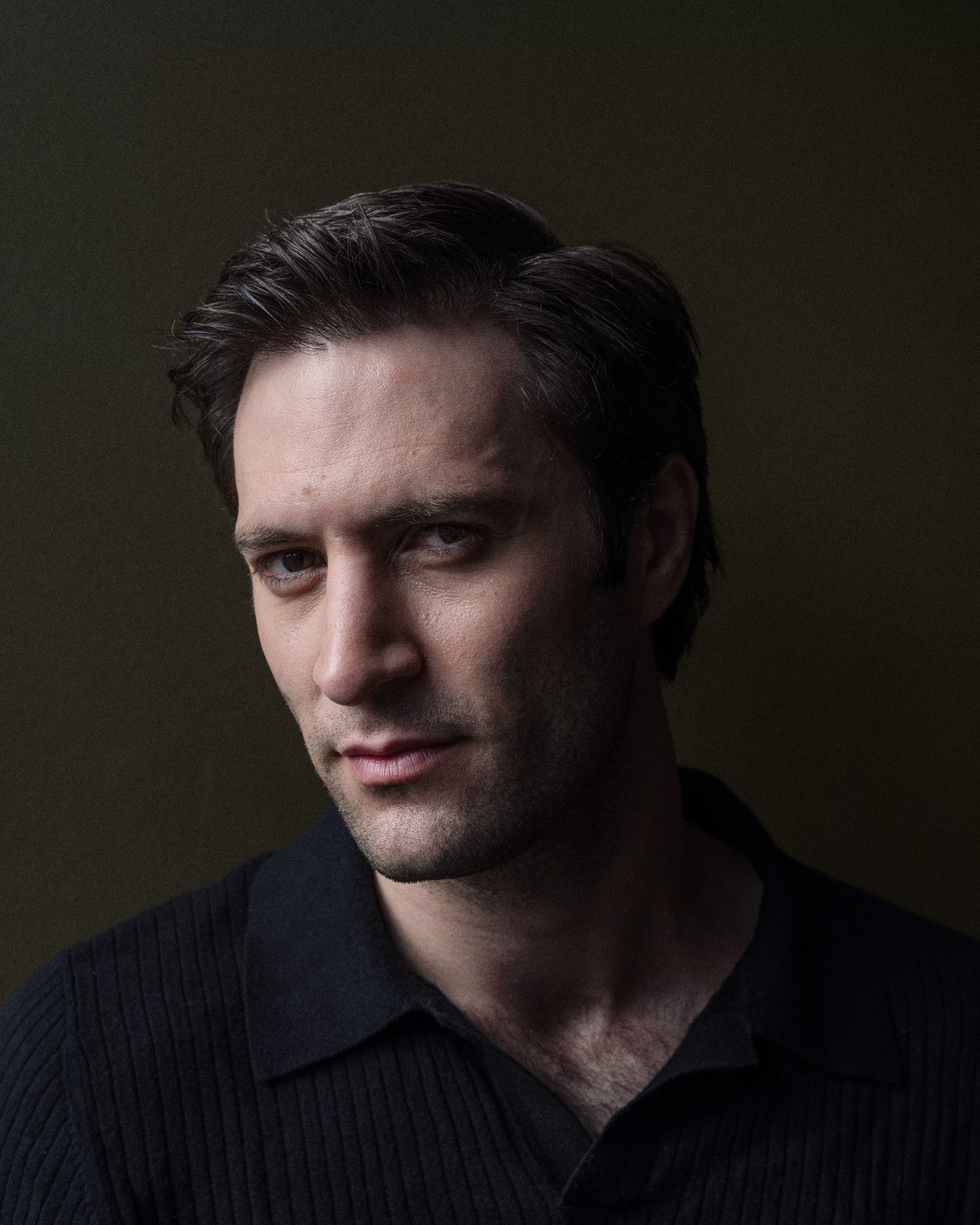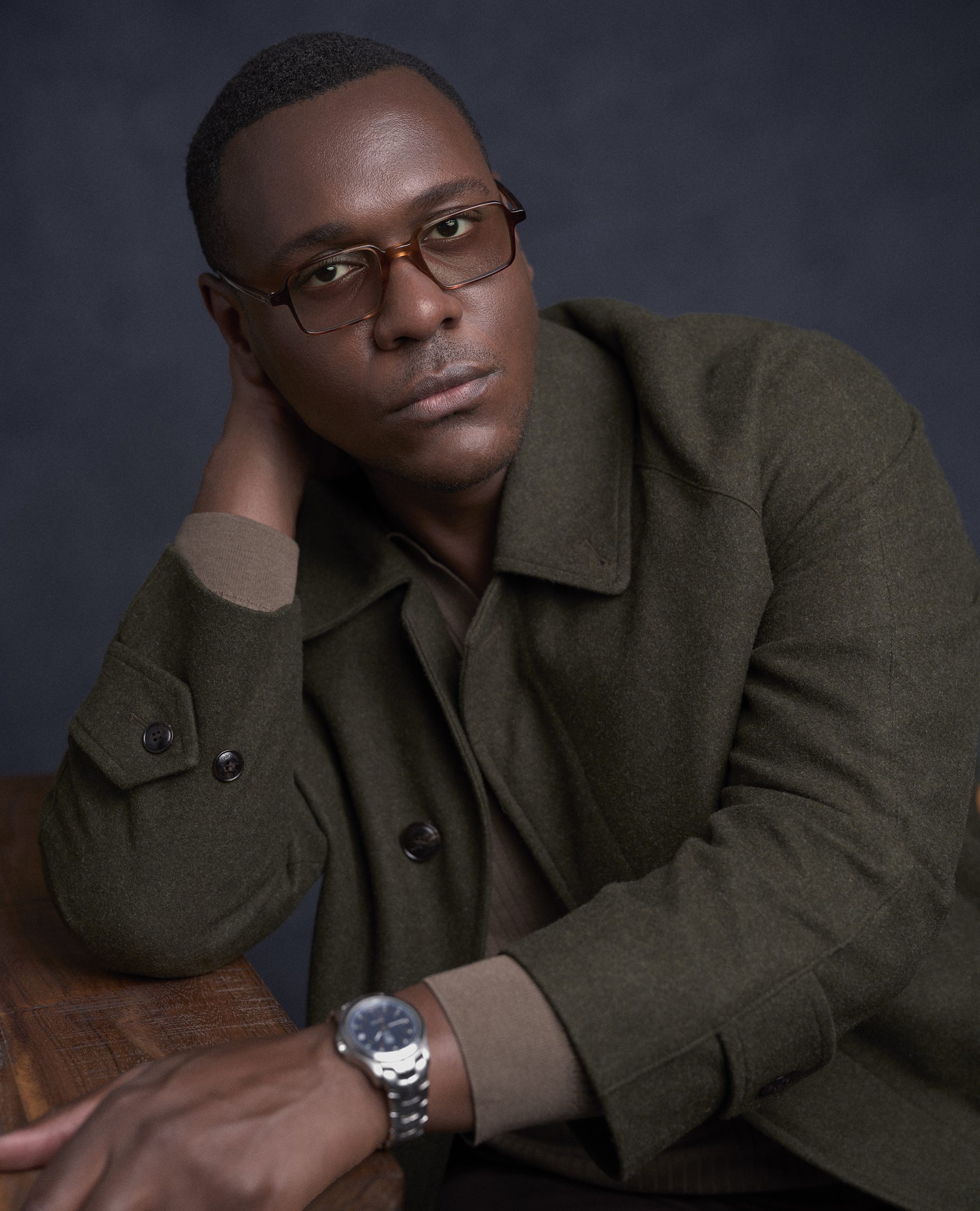
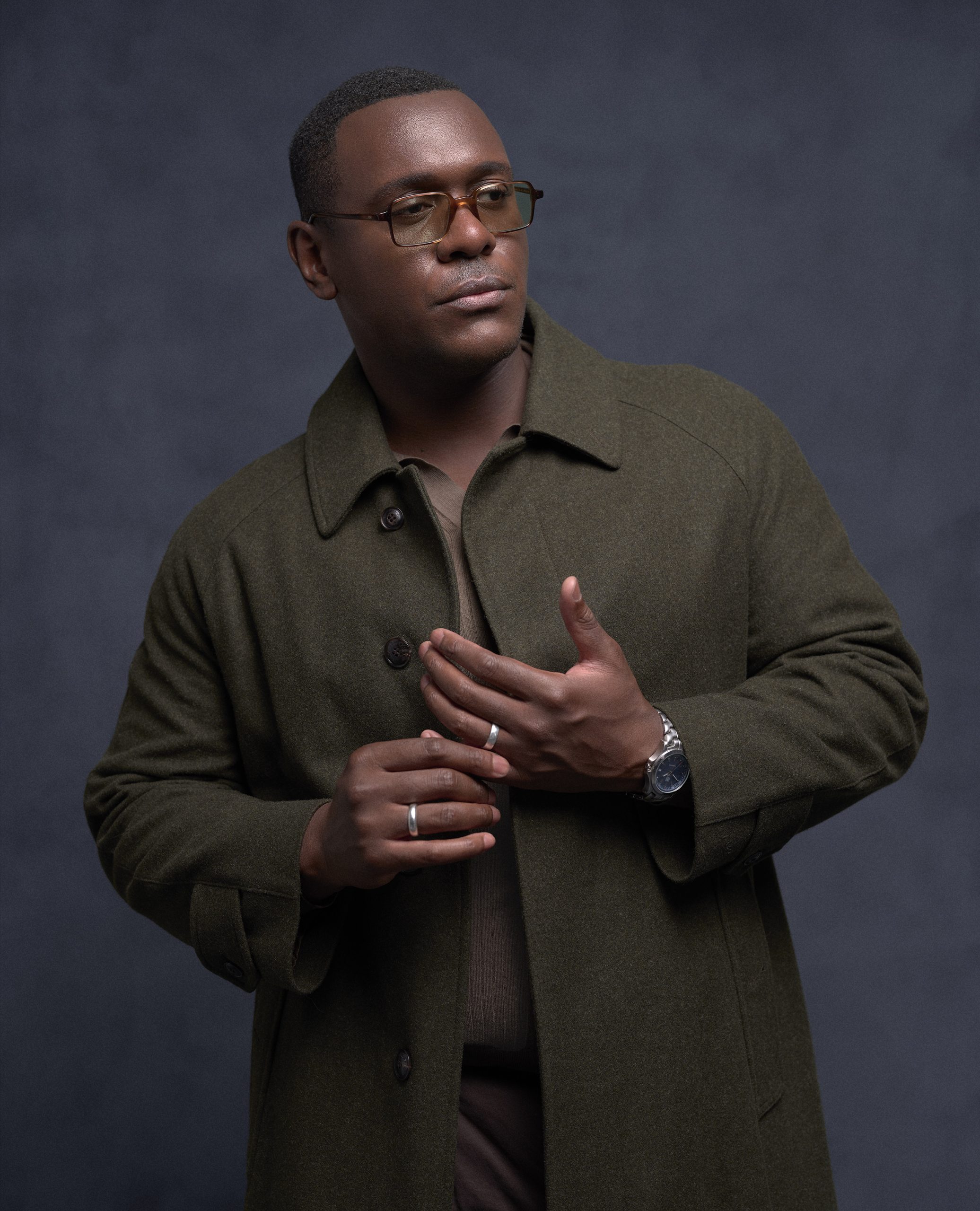
A father who embraces his family responsibilities while chasing the world of storytelling through various mediums. Whether it’s founding his own video game production company, Surgent Studios, voicing iconic characters like Bayek in Assassin’s Creed Origins, or starring in the HBO Max hit television series House of the Dragon as Alyn of Hull, actor Abubakar Salim is one of many talents. Still, more importantly, he is a man with a clear passion for creating a thread between his own life and the many layered characters he embodies throughout his career. 1883 sits down with Abubakar Salim to discuss his return to House of the Dragon season three, tracing his gaming background to acting, the father-son dynamic that continues to shape his identity, and how he sees Alyn’s fate with civil unrest lying ahead.
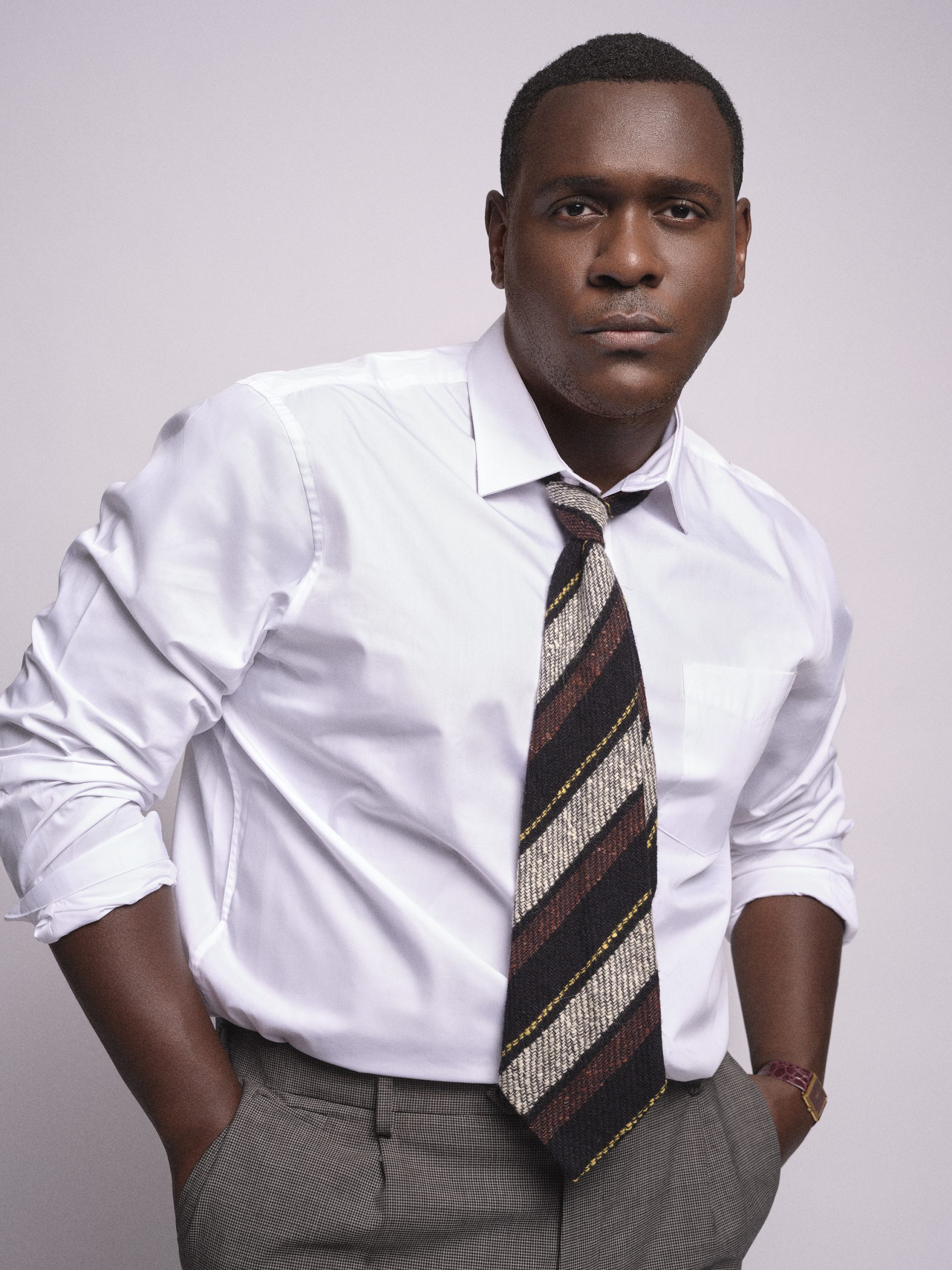
Who is Abubakar Salim?
Who am I? Oh, that’s a good question. I think I’m still trying to figure that out. One of the things that I’ve really learned as life goes on is that the role keeps changing. In my current phase, a big part of my job is being a good father and providing in that regard. That’s important. In the past, it was being a good storyteller, or being someone really knowledgeable. But right now it’s just being good for my kid. That’s the phase I’m in, and that will probably change and evolve and become its own thing. I don’t have an answer to that question. I think we’re still figuring that out.
“Kingdom Hearts” was your gateway into storytelling, and acting followed in unison with that. Since film and TV weren’t an entry point to the arts for you, how did that storytelling desire flourish, knowing that the gaming space is such a different creative world and medium from your work on House of the Dragon?
What I think the interactive space taught me is that you can have an active sort of power or punch to telling stories. I think that’s the one thing that I gained and took from it. These characters that I’m playing and exploring — I’m in their shoes, and I’m wearing their shoes as I’m adventuring through the choices that I make for every challenge that they face. So, I think that was really important to me. It’s remembering that you do have control over the stories that you can tell and play in. That was my way in. It wasn’t about telling or being a part of the story or playing in it — I mean, even though there is a lot of play, it was actively being in it and having a say, having control in a way, and exploring the agency of that. I think that’s what games really taught me as a performer and as an actor, as a storyteller. You have agency, and isn’t that great?
Your character Alyn in the show is someone whose agency is stripped away from him, whether it’s due to his father’s pressure to take on his mantle, the threat of civil war, or even Rhaenyra’s treacherous attitude towards his family. How are you trying to bring back agency to your character?
I think that’s a great observation, because Alyn is trying to find agency and control in a very chaotic and uncontrollable environment, and one of the things that I feel has been really fun to play with is how much Alyn has been taken out of his comfort zone, and everything is happening so fast. His father is accepting him; now he’s helping Rhaenyra, and all this stuff is coming at him at a hundred miles per hour, and in a sense, he’s gained a lot more freedom by being seen. There is that freedom of not necessarily having to hide anymore. However, there is real difficulty in that too.
Having read Fire and Blood, how does a historically driven book filled with lore differ in your preparation and research for a character compared to a standard fictional novel?
The beauty of history, and of approaching a story that’s written from a perspective, is that it weirdly gives you quite a lot of room for interpretation. Because it isn’t really written as fact — it’s written as stories here, there, and everywhere, which is really cool — I think you can play with what is true and what isn’t. What do you want to take on board, and what don’t you want to take? What can you play with? So, regarding the way that I approached this, it was very much with the mentality that it is history, and it is kind of fact, but it’s spoken from a perspective, and that’s where I’m coming from.
When you’re telling a story with a character that’s already established, pre-existing, especially one tied to historical lore that’s factually driven, it seems like a barrier you can’t really break through, because the agency is taken away from you. How do you try to get your head around that?
I think it really leans into the sense of, finally, it’s okay. I’m now leaning into my game-designer brain — what I really enjoy when it comes to making games, or even telling stories, is when you give me a limitation or a boundary. How can I flex and break that? How can I push against it and know when it’s too much or too little? I think that is where it’s really exciting, because then you can find some really cool creative elements and push and pull there. So, with the Fire and Blood book, especially with the sense of knowing there’s a lot there that is fact — and actually, even when you look at the fans and how they take this book, it is very much fact, and you have to follow it by the book — there is a sense of agency that even George has given you, because he’s put it down to a perspective.
He’s made it very clear that this is the voice of someone who has witnessed this from afar, and he’s also given you multiple perspectives on that front. So, where are the gaps there? Where are the limitations and boundaries that I can really play with and find agency in? That’s where you find the agency in the room to play. Even in theater, for example — when you’re doing these big plays, be it Henry V or Hamlet, or a Chekhov play like Cherry Orchard, or All My Sons. These are set on big sets, set outside, or set in the past, with big walls and all that — but the limitation is the box room that you’re actually in. So it’s then your responsibility as the actor, but also with sound, with lighting, as the director, with the stage and the set, to transport the audience to these big spaces and places. It doesn’t matter whether it’s a fifty-seater theater or a thousand people are watching — you’re still in the same environment and in the same place. That’s the limitation and boundary that you’re playing with. It’s the same in this show, when it comes to approaching a character like Alyn in the world of House of the Dragon or Fire and Blood.
You mention how these limitations give you a greater desire to break that barrier. How does that translate to you when you’re owning a gaming company, especially when you’re starting from the ground up or trying to enter that creative space?
It forces you to be inventive and innovative. This is what I try to tell the team. Games are a product-based market or business, right? When it comes to the consumer, to people and players, they all see the same product in the same way; of course, there is a difference between Mario and God of War. They’re different experiences, different products, but at the end of the day, they all serve the purpose of giving me a good time. So that’s essentially what you’re always going to be competing with. You’ve got to be chasing the fun. You’ve got to be chasing that sense of enjoyment and the love of gaming. If a game is soulless and just created for the sake of being cool, it doesn’t do anything. That’s always the issue and the pressure that you’re facing. I think the difference with games is that the boundaries of creation are really endless because it is literally code and talking to one another. With that in mind, when it comes to running an independent studio, we can’t compete with God of War, be it on marketing budget or even actual visual fidelity. We can’t compete with them, and we shouldn’t really be looking at them as competitors to a degree. We should focus on fun and building something players have never felt or done before. Whether it’s a mechanic or a story that links to the mechanic, I think that’s truly where the creativity comes from.
The boundaries and limitations you set for yourself are the same thing as budget and everything like that, but you need to find a way of designing something that just feels fun from the get-go. As soon as you’ve got that, you lean into it, and you lock into that, because the beauty of being an independent and flexible studio is that you can adapt and change quite quickly. One of the things that I’m really proud of with our studio and with the team is that we’ve gone from making a Metroidvania, which was a very side-scroller, action-based, classic traditional game, to making a horror game about Hollywood, then making a fun game about robots losing their heads. You don’t really see that level of flexibility with big studios, because they have one track and one thing that they go for — a brand that they have to follow — whereas we’re like, screw that, just chase what’s cool and fun to play.
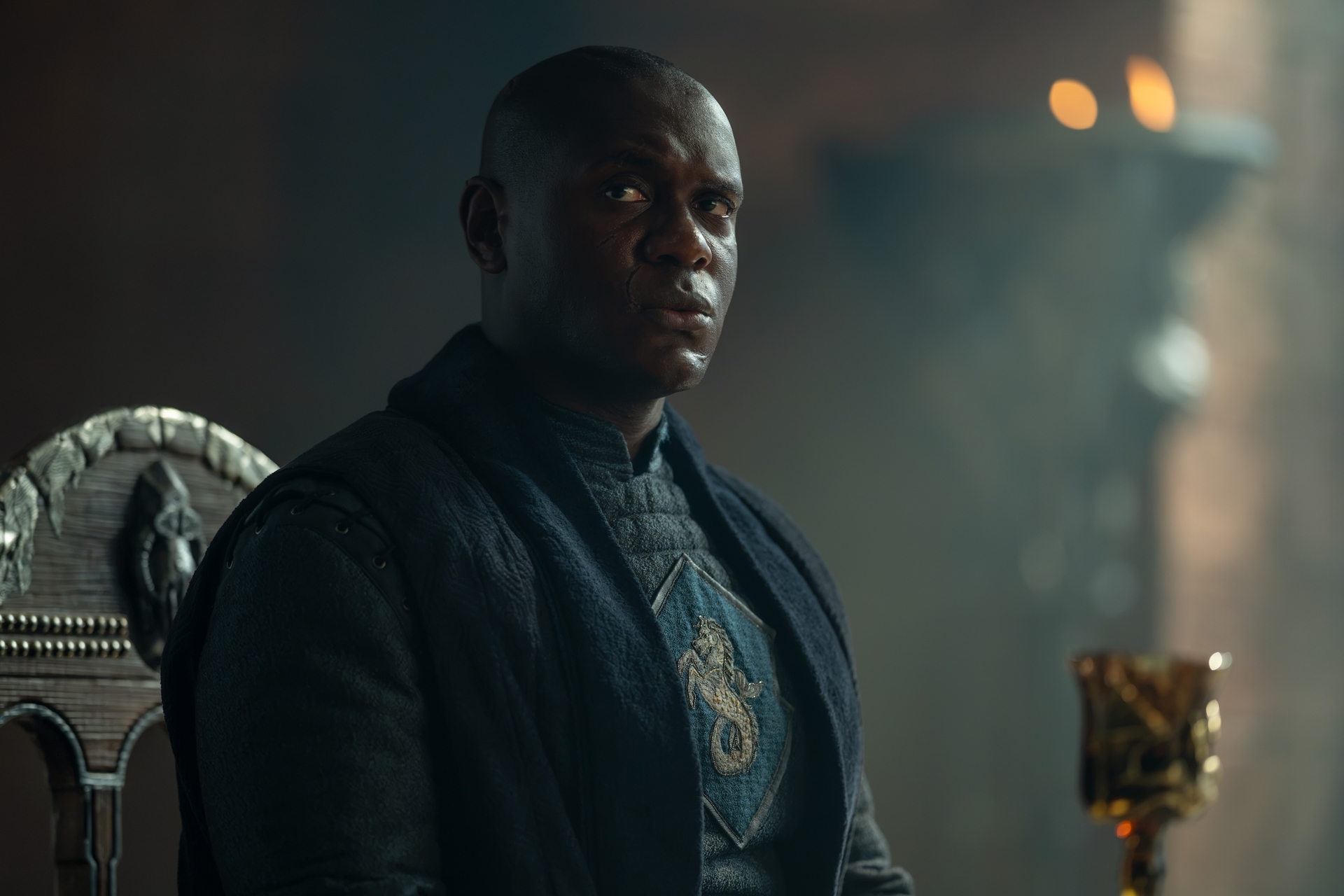
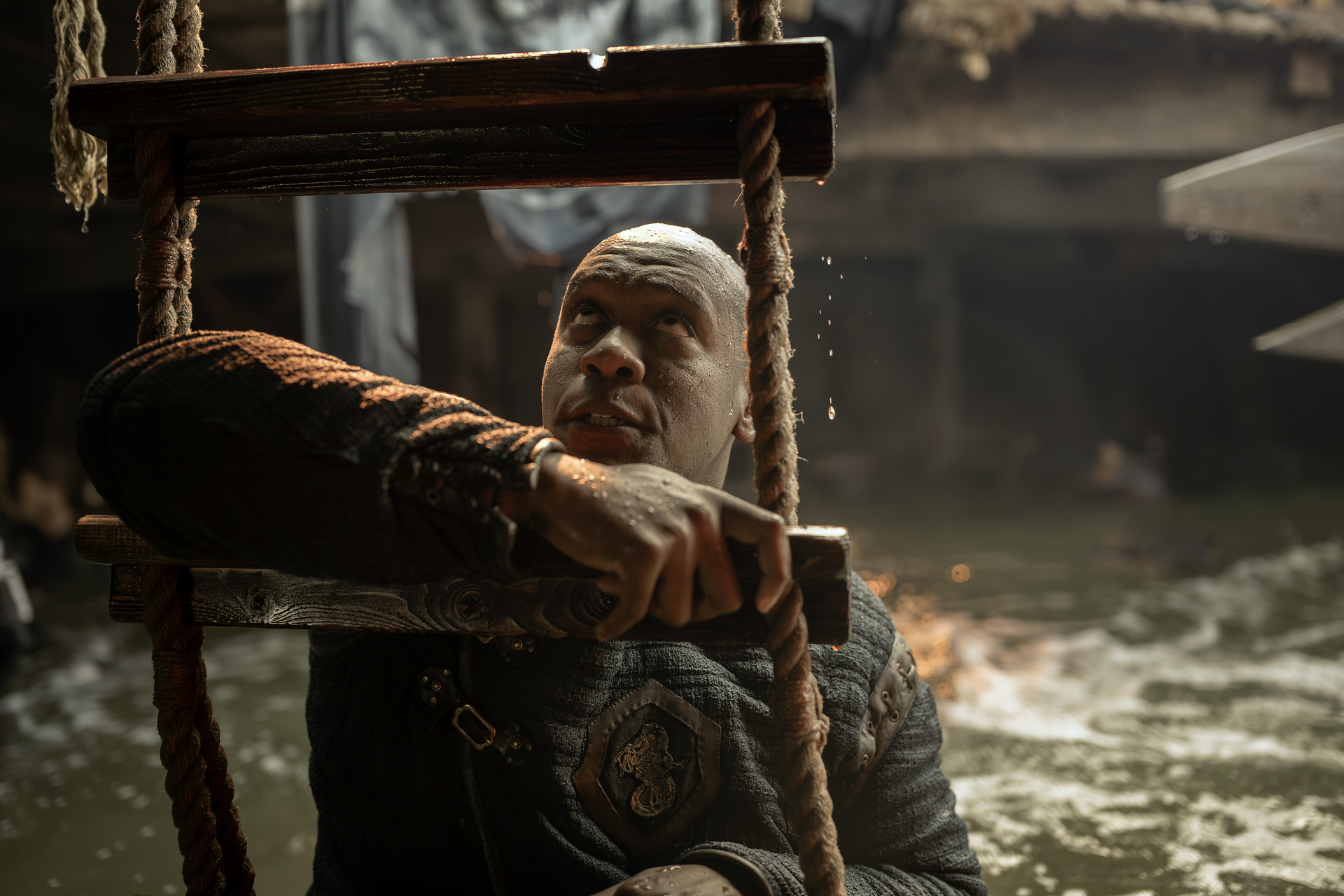
I couldn’t help but notice the BAFTA trophy in the back.
It’s so funny. I’ve been wrestling with showing this guy on screen because I’ve never felt like I’ve earned it. It’s been one of those weird ones where I’ve seen it, and Zau as a game, even though it was so close to my heart — it was about grief and about African mythology — and it got me that. There was so much, and also, externally around it, it almost felt criminal to be like, look at where we are? It’s been a real journey.
What do you like to do for fun in your own downtime to inspire some creativity?
Cooking is the one thing that I feel like I can do. It’s this weird thing of being prepared, but also being in the moment. It depends on what you’re cooking. I feel like when it comes to baking, treats or cakes or whatever, there’s a science to that, and you have to really focus on that — you have to get everything right. But with curries, rice dishes, or Asian dishes, it becomes free flow, and I learned that from my mum. My mum made a lot of Swahili food growing up, and she knew everything innately — how much salt, how much spice, no measuring, none of this teaspoon or tablespoon business. You pour the thing in, and you hope it goes well. There is a real state of free flow that I really enjoy about cooking, where it shuts me off. It’s the only thing that I can really be in the moment for and creatively express as well — getting a recipe, or a curry dish, and adding my own spice to it. My wife calls it “flavour vision,” which is really hilarious, but it kind of leans into that, so I think that’s my way. Going back to the question you had about who Abu is — beforehand, when I was younger, it was martial arts. It was jiu-jitsu, it was boxing, it was Muay Thai; that was my moment of free flow and being in the space. Then when you’re doing acting, a lot of the time you can’t really get punched in the face. So you have to find another way to output, and it’s been cooking for me.
Your entire career has been cooking.
Basically, I’m training myself to host a cooking show or be invited to one. I think that’d be pretty good.
What is your signature dish?
I end up doing this whole thing where I make the same dish over and over again. During COVID, it was a lemon and aubergine risotto. You’d roast an aubergine or eggplant, depending on where you’re from or what you call it. You’d gut it, mix it with lemon zest, and make a risotto with different stocks and cream. I’d make different types, and then take another eggplant or aubergine, slice it up, fry it, make it crunchy, put it in the oven, and put it on top as chips. If I were ever to throw a party, that’s the thing that I don’t even have to think about. But I make all sorts. Curries are my thing as well. I get that from my mum, who has made loads of curries — specifically coconut-based curries — and that’s something that I really pride myself on and enjoy doing, because it’s just a mix of all these different spices that you can conjure and find.
The relationship between Alyn and Corlys, the father-son dynamic, is present in the show and in the game you made. How did that father-son dynamic in the game help inform your understanding, and what challenges did you face in trying to develop that relationship on the show?
That’s a good question. It’s funny how my work and career have found me in these interesting spaces where I’m dealing with a lot of parent stuff and father stuff. Zau was all about the idea of the loss of a father — the absence of a father who was loved. Then the show deals with another type of absence of a father, one where they are there, but not really there. They both speak to one another, and I think that’s how they helped one another in my head. It showed that relationships with your parents are never as planned and as simple as they seem. Whether they’re dead or alive, you’re still trying to unpack something. It doesn’t end or fix itself once you think you’ve hit a barrier or a certain space. The one thing I learned from Zau, after making this game and exploring it, living and breathing it, was that I wasn’t necessarily expecting to be healed of my grief. But it made me realise that my relationship with my dad was still evolving. It was still growing and becoming this new thing. Now, when I reflect and relate that to House of the Dragon, I think what catches Alyn by surprise, and something that I wanted to play with, is that he thinks he’s resolved it, or knows where he stands with his dad. He has this idea of, this is where I am, these are my places — but actually, what ends up happening is that as soon as you say it’s one thing, it becomes another thing. That’s what catches him by surprise; that’s what he learns; that’s what changes. That was the lesson I took from making and working on the game, and I applied it to Dragons, then learned a different shade of what absence means in Dragons, and applied that back to the game. Steve plays Bomani in Zau. I didn’t even think about it, but Bomani’s character in Zau talks about the absence of a father — about him not being there for his child, and what happens to his child afterward. It just occurred to me now how similar they are.
Does that grief help create a sense of urgency through Alyn’s character and his frail relationship with his dad, who’s constantly feeling the pressure to pass something on to him? Does that grief carry that urgency?
Grief makes you do funny things. Not only that, it just rips open a lens that you’ve never seen through before, and I think that’s where I’m coming from with it. It’s this sense of Alyn seeing that Corlys is panicking. He doesn’t have anyone else, and he’s coming to him, and it’s a bit too late now. But I think at the same time, Alyn has also just lost his brother to this same cause, these same people, so if this is his only way of connecting and being with him, then he’s got to try and work with that. I feel like grief permeates everyone in this show, and the state of loss haunts everyone in their own way. We’re all just trying to wrestle with it and cope with it. That’s why, after the Gullet, when you see so much death, you cannot escape the fact that all these people were probably husbands, brothers, fathers, sons. What effect does that have? I think that’s why we see Alyn almost in this moment of, whatever the world throws at him now, embracing it with open arms. It could easily be snatched away from him just like that.
How do you think Alyn feels about the burden of the Valyrian Crown?
He hasn’t processed it yet. I don’t think he really thinks about it. It isn’t something that keeps him up at night, because he’s only just taking it on board. Everything is gone, so he only has the name. That’s all he cares about — being in a place where he’s seen his family, having not had much family growing up. So the burden of the crown, or that responsibility, is what it is, and he will learn to embrace it and work with it, but I don’t think there’s a fear about it.
Do you think he hasn’t processed everything yet — is he waiting for when his father passes on? Is that when suddenly the rush of everything starts to flow through, and he realises?
I don’t think so. He’s quite happy with the beauty of the fact that everything has been reset, and it is literally just the dynamic of what it is. Of course, there’s an element of the Valyrian name carrying importance and power in this space, but I think it’s just because of the way everything has gone. He only sees negativity in chasing the throne, the power of it, or being in that space. That’s what makes his advice so good. In episode four, when he advises getting cats — it’s so simple and basic. But it’s because there’s no sense of him giving some convoluted idea about forming a plan around the cats, getting rid of the rats, because of which they’ll spend X, Y, and Z. For Alyn, it’s literally just: live your life. Think simple. Think easy.
What would you name your dragon?
What would I name my dragon? I’ve come up with all sorts of different names. Let me think. You know what’s funny? The first thing that came to mind just now — my daughter has this huge giraffe toy which she’s always loved. Her auntie got it for her. I remember asking her, “What’s the giraffe’s name?” I remember thinking, what do you mean? Because of that, I think I’d call my dragon Jeffrey, in honour of my daughter.
There’s one line you’ve been recognised for in Assassin’s Creed Origins: “Will Siwa ever know peace?” So will Alyn ever know peace?
I don’t think so. I think if I’ve learned anything about life, and if I’ve learned anything about the journey of being an actor, and being whatever it is in this world, and especially within the House of the Dragon world — I don’t know. I think he’s going to have to keep asking himself that, as Bayek did.
Abubakar can currently be seen in House of the Dragon streaming now and CEO and Creative Director at Surgent Studios. Follow via @abubakarsalim.
Interview Zakariya Ahmed
Photography Pawel Pysz
House of the Dragon stills Ollie Upton/HBO