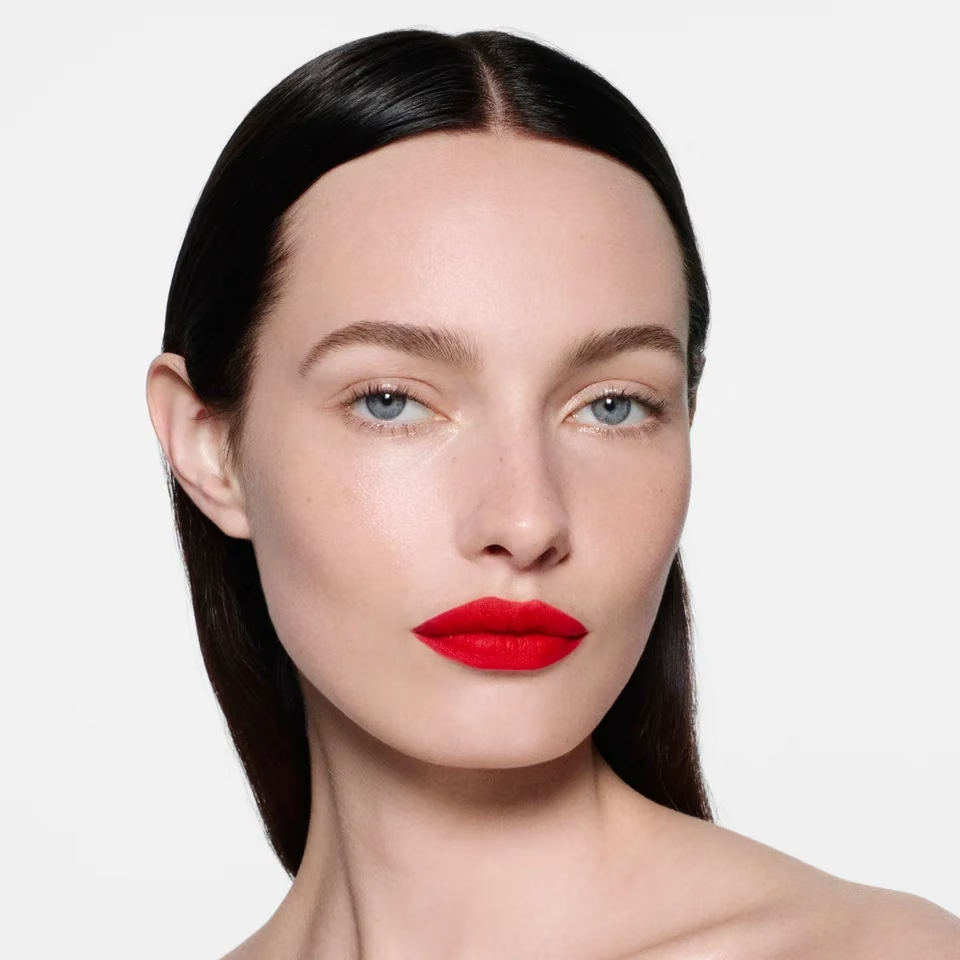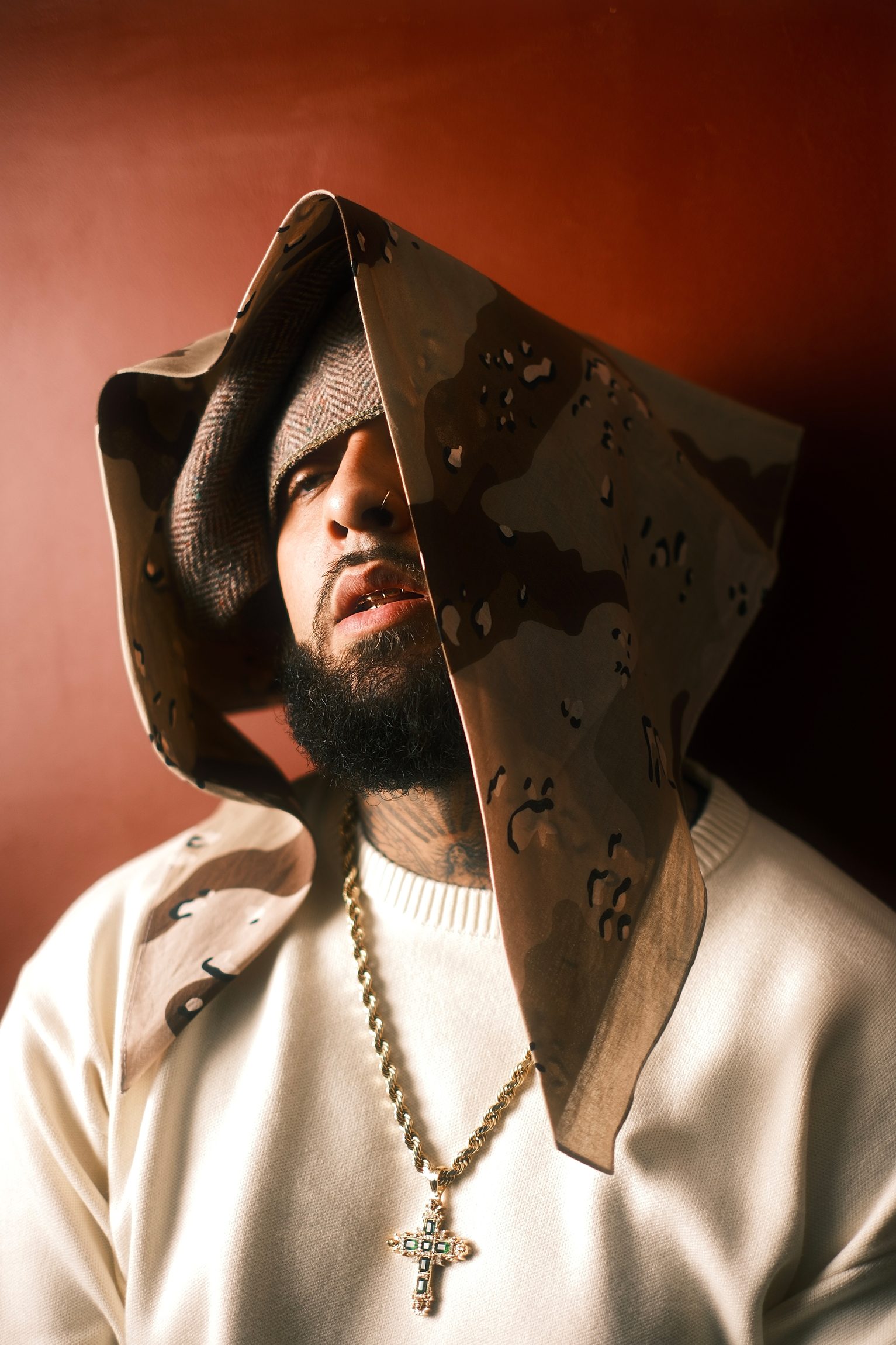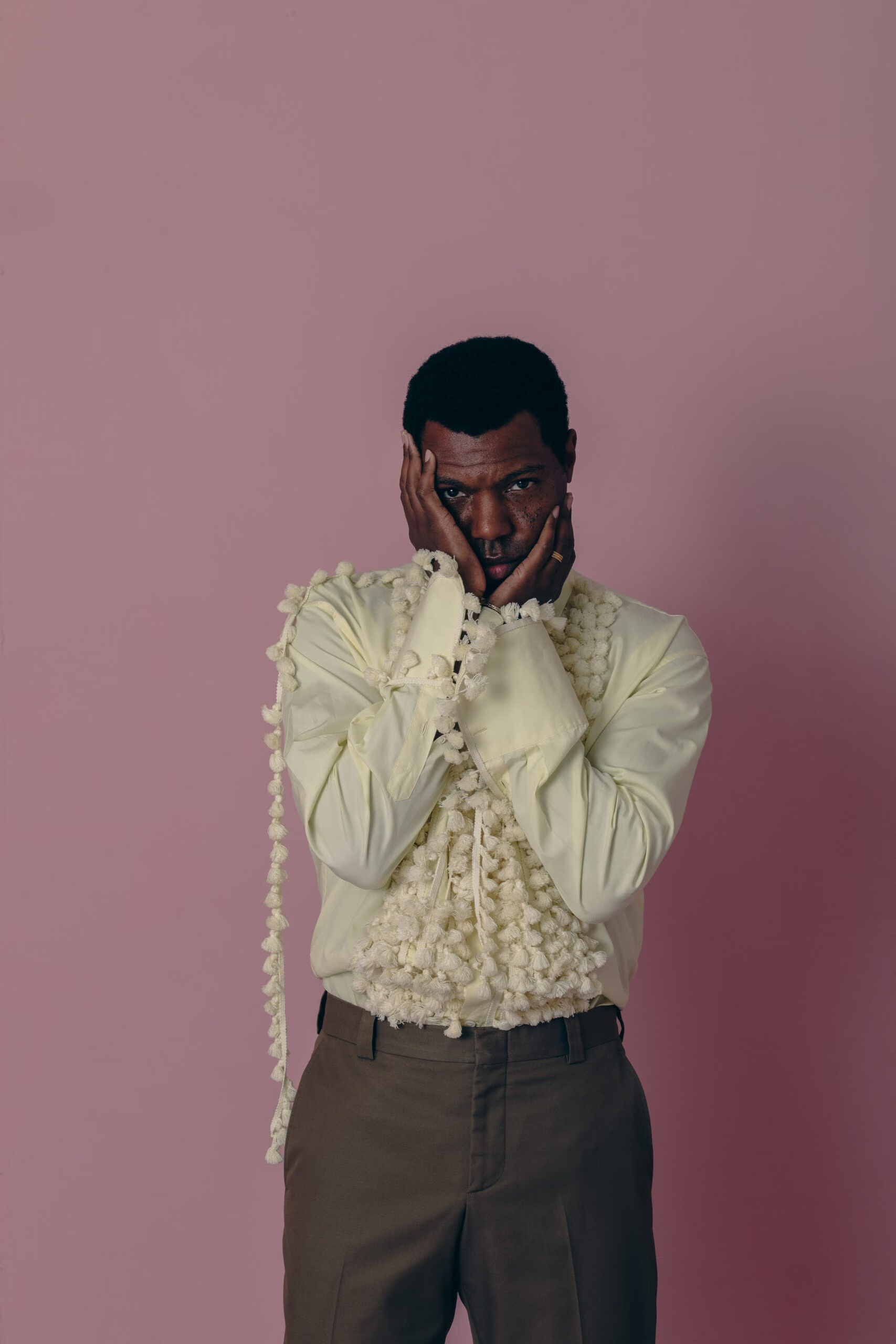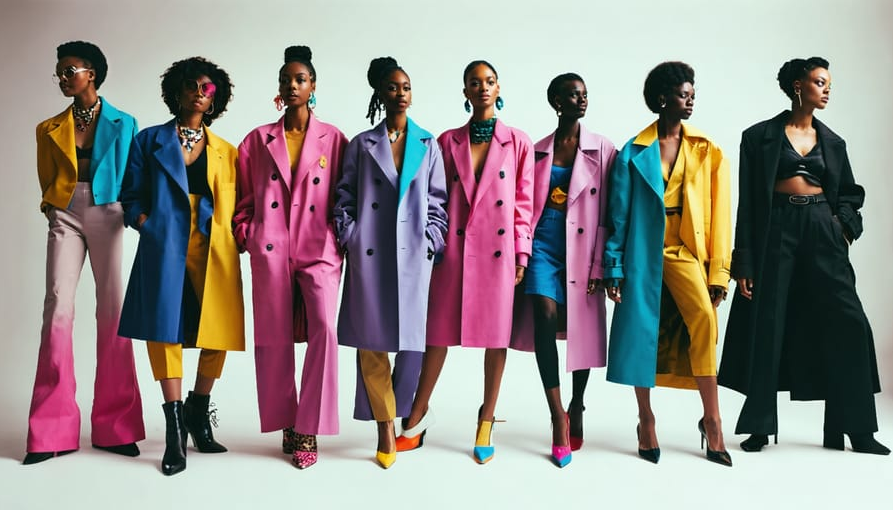
Fashion is always a reflection of the world around us. Whether it’s the defiant tailoring of the ’60s or the exaggerated proportions of today’s streetwear, clothes have been a means for generations to defy norms and assert identity. One of the most interesting style changes today is that of breaking away from the rigid concept of masculine and feminine clothing. Gender fluid fashion has moved beyond the underground and avant-garde runways. It’s a part of a bigger discussion about self-expression, self-assurance and the freedom to wear what you want, no matter the boundaries.
This movement is not a change of one set of rules for another. It’s about challenging why they’re there in the first place. Why can’t a certain color, shape or accessory be worn by both men and women? And why should personal style be limited by expectations that are no longer of the diversity of modern life?
Fashion is becoming more and more personal, and many are finding that the most interesting outfits are those that don’t fit into a category.
The Evolution of Masculinity in Fashion
Traditional men’s fashion has had a rather limited visual vocabulary for years. Familiar masculine dressing was created through structured jackets, straight leg trousers, neutral colours and functional shoes. These are all classics, but today’s designers and those who are fashion-forward are taking the concept of menswear to new heights.
The soft tailoring, sheer fabrics, pearl jewellery, cropped tops, flowing trousers and delicate accessories have all made their home in modern wardrobes. These elements aren’t necessarily giving up on traditional menswear. Rather, they add new proportions, textures and moods to the way that people dress making it more expressive.
It is especially noticeable in the attitude towards silhouettes. A custom-made suit could be teamed with a flowing skirt or a traditional man’s suit might be worn with a satin shirt, a thin necklace or an unexpected colour match. The contrast adds a touch of thoughtfulness to the ensemble, making it look more balanced.
This is also part of a wider re-thinking of masculinity. Balance and harmony between strength and elegance, confidence and softness, structure and fluidity. Clothing does not have to convey one quality and the wearer doesn’t have to fit a certain mold.
The Appeal of Soft Menswear
A trait of modern gender fluid fashion is the rise in the popularity of more feminine men’s clothing. It refers to clothing that transcends the rigid shapes and traditional male style of clothing, and embraces more fluid fabrics, relaxed construction, and more subtle details.
Consider trousers that fit the body and don’t look like they’re too tight, knitwear that drapes in an elegant way, shirts with longer collars, or jackets that shape the body without being too formal. These clothes present a new dynamic with clothing. They don’t just use sharp lines and formal proportions as a means of achieving the end, but make movement, comfort and texture the main elements of the whole.
Menswear is also very versatile when it comes to softness. A loose shirt with tailored trousers can be used for an evening event or with denim for a more casual daytime look. A fitted cardigan can lend a touch of elegance to an informal outfit, and a lightweight jacket can help define the outfit without making it too formal.
It’s all about balance. A light textile can be worn with solid boots, and a casual look can be enhanced with a well-fitting accessory. These combinations add interest to the image as they juxtapose elements that may not have been paired together in traditional styling.
Importantly, softness doesn’t necessarily mean extravagance. Sometimes, it’s as simple as swapping out the fabric for a fluid one or playing with a more relaxed cut that can make an otherwise familiar outfit feel new.
Gender Expression Through Everyday Clothing
Fashion weeks and designer collections are great ways to bring in new concepts, but the true meaning of gender-fluid fashion is in everyday clothing. Individuals are discovering methods to add expressive components to clothes they already have, so experimentation is attainable without the need to have a whole new wardrobe.
Often accessories are a good place to start. Rings, earrings, layered necklaces, scarves and strategically chosen bags can alter the look of an outfit. While a basic black T-shirt and fitted trousers can be a classic outfit, the use of jewellery or an unconventional belt can make it a more individualistic look.
Colour also provides the opportunities for exploration. Soft pastel colors, deep burgundy, lavender, light pink and neutral hues can add a new dimension to men’s fashion. Don’t rule out black, navy or grey. Rather, an unexpected hue can help to enrich a well-established color scheme.
Fit is also a crucial factor. Others like a larger size that gives a casual look and almost sculptural look, others like a fitted top or cropped jackets or trousers that emphasize the waist. Both of these methods are not more authentic than the other. The best option is the one that fits and feels like it’s meant for you.
Fashion forums on the internet have also enabled people to find out new fashion ideas. Digital spaces enable users to share outfit ideas, discover new trends and styles, and get inspiration from outside their social network. If you’re in the mood for alternative men’s wear and creative personal style, then communities and destinations like FemboyBox can be a part of that journey to finding out looks that are personal and never dictated by convention.
Why Personal Style Matters More Than Labels
The freedom of contemporary fashion is that it understands that garments don’t need to say a whole lot about an individual. A man can incorporate feminine elements into his style without compromising on other elements. Others might like to wear an androgyn outfit that is more masculine or feminine, depending on the setting.
Both methods do not need to have a set formula.
This is a flexibility that questions the notion that all clothing should convey a definite gender message. Rather, it provides opportunities for clothes to be means of creative expression. A skirt may be a silhouette, pearls may be an accessory, and a soft blouse may just be a garment that somebody enjoys wearing.
The difference is important because fashion can be the most interesting when it’s a reflection of the person wearing it. Individuals are not necessarily as straightforward and predictable as the labels that are given to them. The choices they make about their clothing can showcase that complexity in various ways, such as using different textures, mixing fabrics, and evolving tastes.
Social media has helped to speed up this change by providing emerging aesthetics with more visibility. Videos, fashion bloggers and online fashion communities enable people to observe how various clothing items look in the real world, not just in a perfect advertisement. They also prove that there’s no one-size-fits-all when it comes to gender-fluid fashion.
But with increased visibility, not everyone is experiencing the same level of acceptance. There are still some who are being criticized for their look, which is not in line with the traditional look. Therefore, personal style can be more than just looks. It can also be a sign of self-assurance and self-approval in making decisions according to personal taste.
Building a Wardrobe Without Boundaries
It doesn’t need to be following all the new trends to make a gender fluid wardrobe. A better way to do this is to create components that can be flexible and can be used in various combinations.
Some carefully selected staples can make for a great base. Tails that are tailored can be worn in a variety of directions, as can be a versatile blazer, a soft cardigan, a crisp shirt and comfortable boots. A flowing top, a piece of statement jewellery or trousers with a more dramatic silhouette add variety without detracting from the overall look.
Experimentation is best done if it is practical. A person new to this style may want to make a change to one aspect of their outfit, instead of changing their whole look. For instance, a man’s jacket and a woman’s shirt could be a good combination to play with contrast without going too far.
Fabric should be noticed, as well. The structure and everyday comfort of cotton and the movement and visual softness of satin, silk blends, fine knits and lightweight fabrics. Knowing the characteristics of fabrics can contribute to a more intentional look, especially when pairing different types of fabrics together.
Comfort should be the focus all along the way. Fashion can push people to try out something they wouldn’t normally do, but it shouldn’t add to the pressure. Don’t feel forced to go with a popular look or a certain community just because it’s popular or is linked to a community.
The best outfits come from a sense of curiosity, experimentation, and knowing what works for them.
The Future of Fashion Is More Personal
As more people become visible in gender fluid attire, it is clear that there is a shift in the attitude towards fashion. Many are seeing clothing as an open-ended creative language, instead of a system of gendered categories.
That doesn’t mean that traditional menswear will cease to exist. The traditional workwear, denim and sportswear will remain to shape people’s clothing. What is evolving is the openness to reinterpreting those well-known cornerstones and mixing them with what was once deemed “outside the box.
It’s a dynamic dialogue that is shaped by designers, stylists, independent labels and online communities. They can be seen in the diversity of cuts, the return of expressive accessories, and the embrace of softness as an expression of masculinity.
In the end, gender-fluid fashion is so alluring because it provides more freedom to the people to determine what they look like. It helps people think about how their clothes make them feel, what they want to say and what conventions they really want to follow.
It won’t be a specific silhouette or an all-inclusive dress code that will determine the future of style. It will be influenced by individuals who mix and match in unusual combinations, re-imagine traditional clothing, and feel comfortable wearing it as they see fit.
That’s possibly the most significant change. Fashion is more interesting when it doesn’t require people to fit into specific categories, it lets them make something that’s distinctly their own.