For many nature lovers, very few things are better than getting out into the wilderness for weekends away camping under the stars. Whether you are a camping pro or want to try something new, packing the right gear is crucial for a successful and enjoyable experience.
From selecting the right tent and sleeping bags to suit the climate and environment around you, to ensuring you have a well-stocked first aid kit, delicious and nutritious food, and plenty of water to stay properly hydrated, the right camping equipment can elevate your adventure to a brand new level.
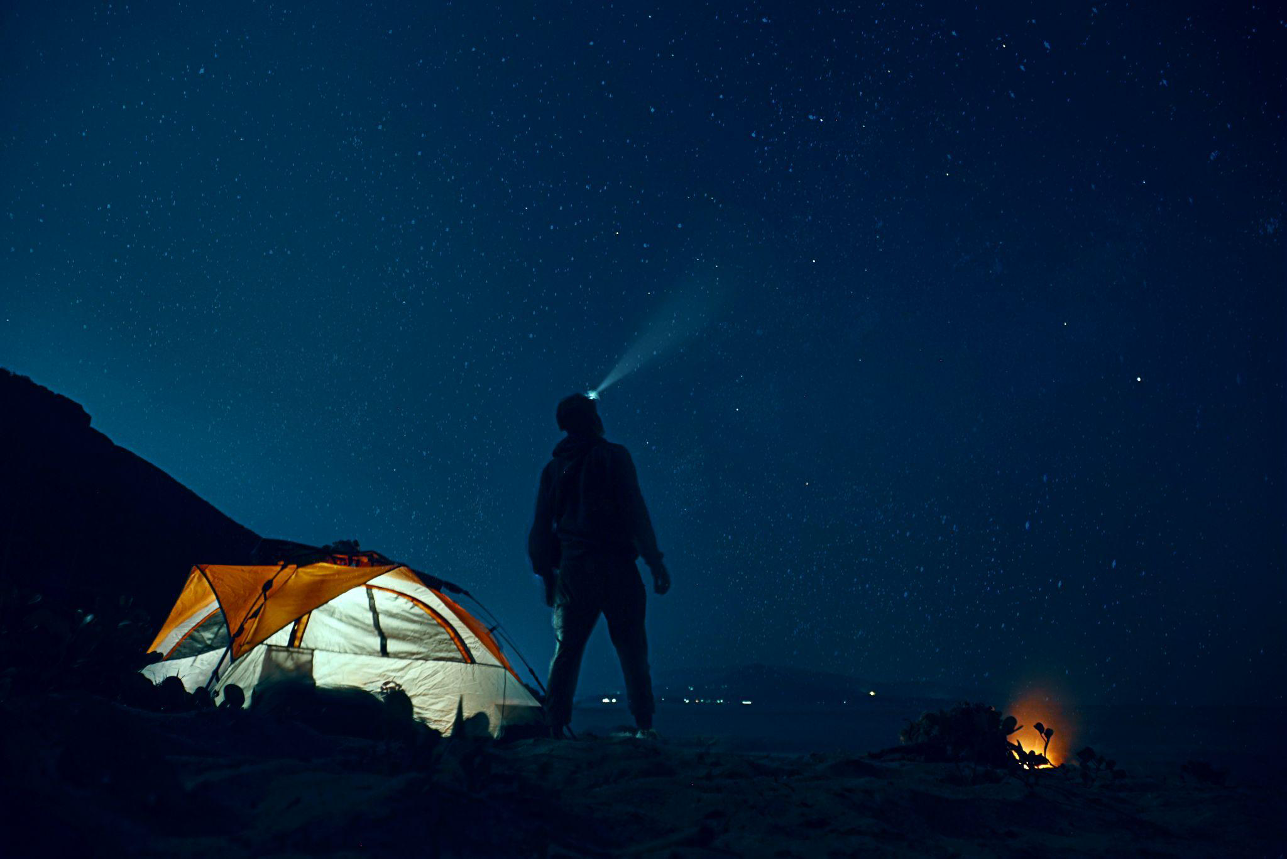
Tent & Tarp
Your tent is arguably one of the most important items you will pack for camping. As your home away from home in the wilderness, you will want an option that is incredibly sturdy and weather-resistant.
When purchasing a tent, you will also need to consider how many people or pets will be using it. In most cases, a tent will fit the exact number of people it is advertised for, so if you need additional space or comfort, it is worth sizing up. It is also crucial to consider ventilation options and decent airflow, especially if you are camping somewhere that is hot during the day and colder at night.
Additionally, investing in a waterproof tarp means investing in a highly versatile piece of camping gear. You can place it under a tent to protect against uncomfortable rocks or unwanted moisture; use it as a doormat outside your tent for shoes and gear; or place it over a cooking area to protect against adverse weather. If possible, pack two tarps for unexpected situations.
Sleeping Bags & Mattress
A sleeping bag is an obvious addition to your camping gear, but it is vital to invest in a high-quality sleeping bag suitable for the specific season you are camping in. Warmer weather calls for a lightweight bag, while colder seasons call for a thicker bag with adequate insulation to stay warm and comfortable.
For added comfort and insulation from the cold ground, consider including a sleeping pad or mattress. They come in various forms and weights, allowing you to find the perfect option for your specific needs.
First Aid Kit
Accidents can happen at any time, regardless of how careful you may be. This means that having a well-stocked first aid kit is an essential addition to your gear. Your kit should include basic supplies such as pain relief medication, bandages, antiseptic wipes, tweezers for splinters, and any other medication you regularly use.
For more remote locations, consider including additional items such as an emergency rain jacket, a snakebite kit, an emergency whistle, and any specific gear needed for your planned activities. If you are camping in wetlands or warmer climates, insects, particularly mosquitoes, can be a problem. A strong insect repellent with DEET or a natural alternative will do a fantastic job in keeping annoying pests away. You may also benefit from a lightweight, portable mosquito net for areas with heavy mosquito activity.
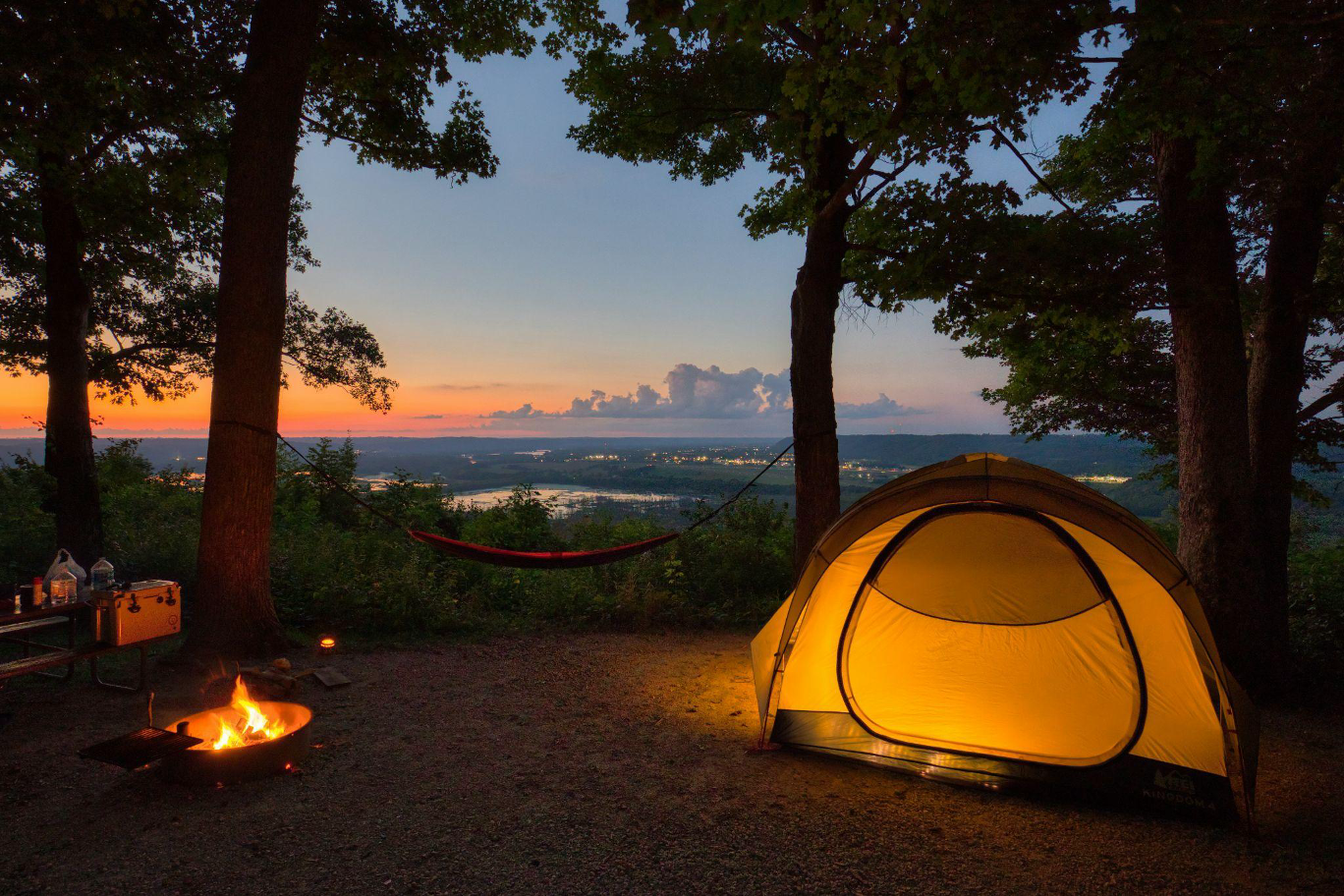
https://unsplash.com/photos/a-tent-set-up-in-the-woods-at-sunset-a3e7yEtQxJs
Lighting Options
Once the sun goes down, having a reliable lighting option is non-negotiable. Most experts recommend packing at least two different light sources, such as a headlamp and a lantern, to serve different purposes and ensure you have a backup should one fail.
Headlamps are ideal for hands-free use, such as setting up gear, cooking, taking a short nighttime walk, or using the bathroom. They shine a bright light exactly where you need them and take up minimal storage space.
Alternatively, for shared spaces like tents, picnic tables, or group hangouts, a lantern provides a wider, more powerful glow. For nighttime group hikes on easy or familiar terrain, they are fantastic for seeing your group members and the trail ahead.
Hygiene Products & Sun Protection
Keeping clean while camping is crucial for both health and comfort. When packing hygiene products for camping, you need to find items that work well but are also friendly to the environment. A small toiletries kit should include biodegradable soap, a quick-dry, compact towel, toothbrush, toothpaste, and wet wipes or hand sanitizer.
Additionally, you must ensure you have packed a high-SPF, water-resistant sunscreen, SPF-lip balm, UV-blocking sunglasses, and aftersun cream. Sunburns can quickly become serious, with both short- and long-term consequences. It is extremely important to properly protect your skin from harmful UV rays.
Food & Drink
If you are camping in warmer temperatures, you need to ensure your food stays chilled and fresh. Insulated bags, a high-quality cooler, or a small camping fridge supported by ice packs or ice blocks will help preserve fresh food. Don’t forget to include a rubbish bag to store all your trash, so you don’t leave any waste behind that can pollute your camping spot.
Staying properly hydrated is essential, especially when camping in warmer climates. But it may be unrealistic to carry large quantities of water in your pack. For shorter camping trips, a durable, refillable water bottle or hydration system will guarantee you have safe drinking water on hand. However, if you are traveling deep into the wilderness for an extended period of time, purification tablets or a water filter may be necessary for acquiring safe drinking water.
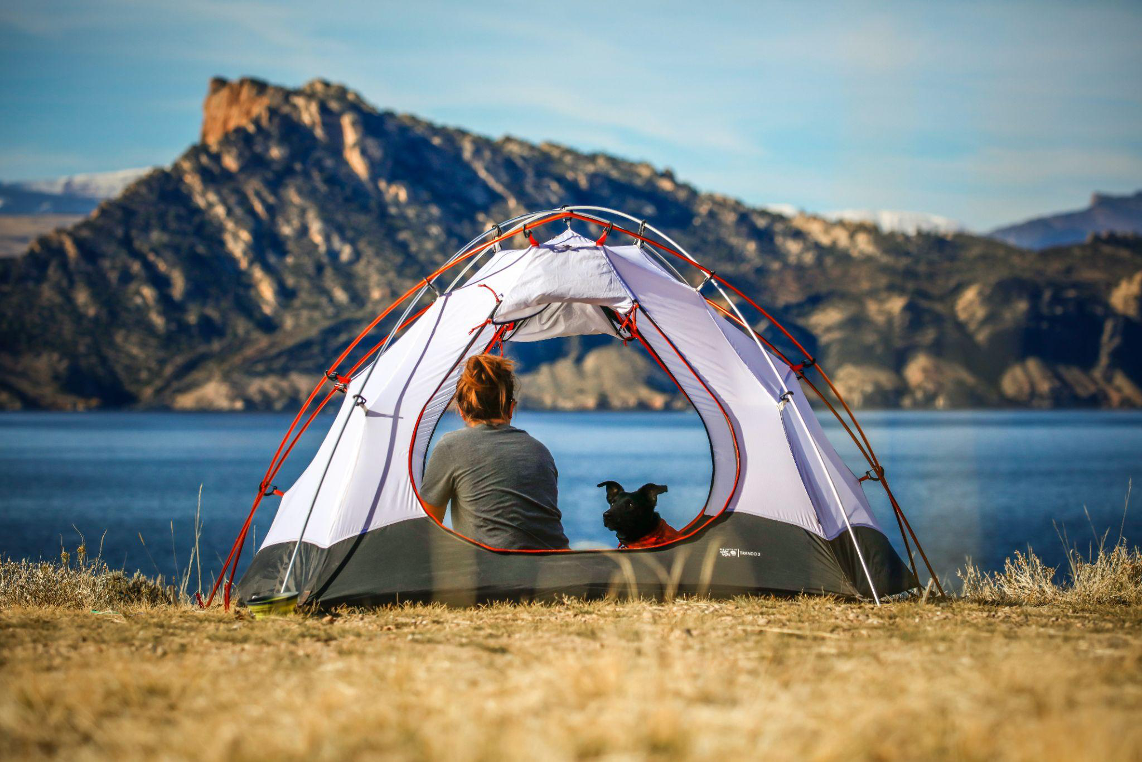
https://unsplash.com/photos/woman-and-a-dog-inside-outdoor-tent-near-body-of-water-eDgUyGu93Yw
Portable Power Station
If you plan to spend several days in remote, rural areas, a portable power station can be an absolute lifesaver. Compact battery stations can charge your devices and electronic gear, like cameras, USB-powered lights, phones, and GPS devices, when there is no way to find an electrical outlet.
A fantastic option to consider is the EcoFlow RIVER 2 Pro Portable Power Station. With a 768Wh capacity, 800W running output, and weighing just 7.8kg, it is a lightweight power station that packs a punch. It is also equipped with an X-Boost surge output, allowing it to run up to 1600W, enough to power a small appliance like a mini-fridge, if needed.