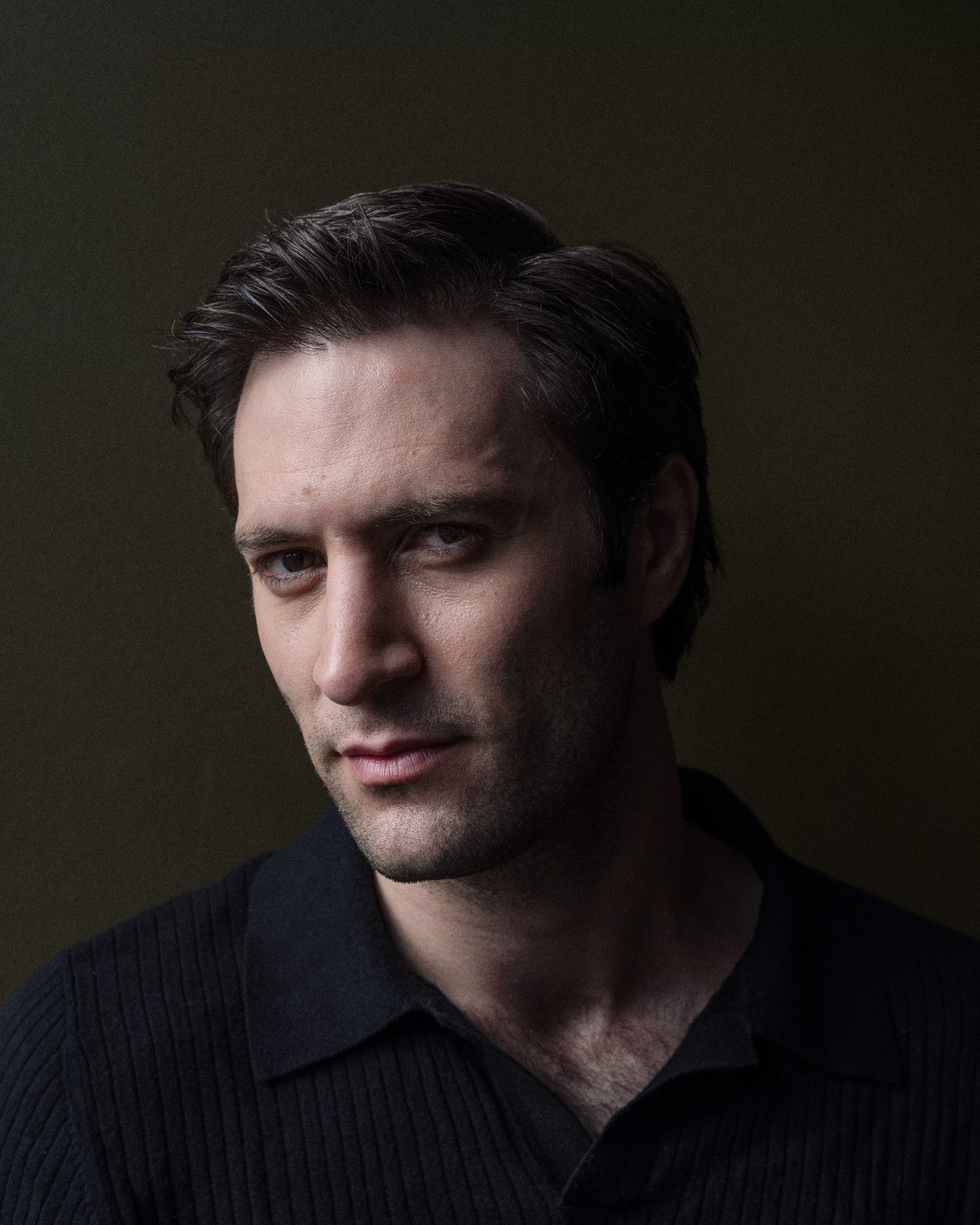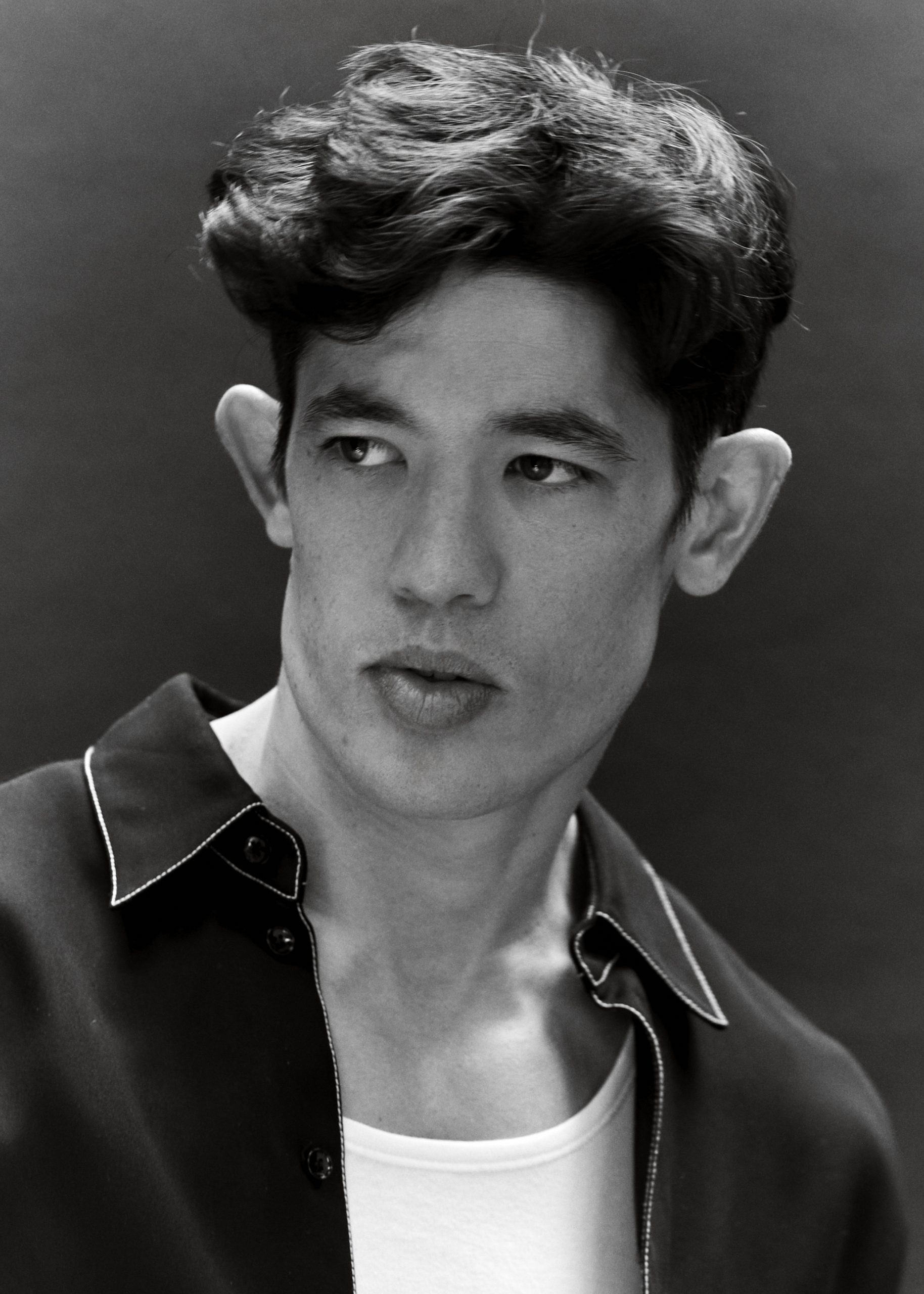
There’s a quiet, growing confidence that Australian actor Christopher Chung exudes, and it’s rightly deserved. Having started his acting career after first pursuing music, Chung has spent the last decade and a half as a hardworking, “jobbing” actor. From a tiny role in an episode of Neighbours to a move to the UK and a job as a personal trainer to pay the bills, he’s taken the long road to where he is today. Along the way have been stage roles, screen appearances, voice acting work, and years spent steadily honing his craft.
When Apple TV+’s hit spy thriller Slow Horses landed in 2022 with an ensemble cast including Gary Oldman, Kristin Scott Thomas, and Jonathan Pryce, Chung’s talents were introduced on a scale like never before. Many will now know him as the abrasive MI5 tech specialist Roddy Ho, a role that has not only elevated his profile but also earned him praise from fellow actor and former 1883 cover star Benedict Wong.
This opportunity didn’t simply land in Chung’s lap. It’s the result of years spent navigating the highs and lows of the industry, from audition callbacks and near misses to finding the people who believed in him. That confidence has been hard won, and it’s now carrying him into new territory as Harry Beecham in Netflix’s My Brilliant Career, an adaptation of Miles Franklin’s celebrated 1901 novel.
The series follows Sybylla, a young woman determined to become an author, and her romantic entanglement with the charming landowner Harry, a role famously played by the late Sam Neill in the 1979 film adaptation. It’s a significant step for Chung, placing him firmly in leading-man territory and suggesting that even bigger opportunities may still lie ahead.
In conversation with 1883 Magazine, Christopher Chung discusses stepping up for My Brilliant Career, the return of Slow Horses next month, texting Hugo Weaving, and much more.
Christopher, thanks for speaking with 1883. Let’s dive straight into Netflix’s My Brilliant Career. It’s the first time you’ve played a romantic lead. How did you approach the role of Harry and what did you learn from taking on something different compared to your other projects?
Well, it was a pretty huge undertaking, to be honest, becauseSam Neill originated the role in the 1979 film that Jillian Armstrong directed, so it holds such tremendous weight in Australia. Not just with him being so iconic in the role but also the title in and of itself. It’s such a notable piece of literature. So I felt quite a lot of weight to deliver it. I did a lot of research, because I guess the adaptation that we have in this version is different.
It’s six episodes. It’s not a film, so you have more time to spend with the character and the rest of the characters as well. Getting to do it in such an elongated process, you get to learn more about the character as well. I think for myself, it was really important to do a bit of a deep dive into the historical context of what it meant to be an Asian man within that time period, and the kind of prejudices that he would have faced and the kind of blocks that he would have come up against in society and what was expected of him.
I did a lot of research around those elements and brought them into my performance. Our director, Alyssa McClelland, we had a lot of discussions about playing this archetype of character, being a romantic lead. I guess one of the most poignant things that she said to me is that you don’t have to worry about any of that, because I’m going to light you beautifully, I’m going to frame you beautifully, you’re going to be dressed incredibly well, and you know your hair and makeup is going to be immaculate. So all of those things do a lot of that heavy lifting. As soon as she said that, and that was before the cameras started to roll, a huge amount of thought that I was giving to that just evaporated away.
So that was probably the greatest gift that she could have given to me [laughs], because whenever you’re playing a character within these worlds, as the character, they don’t know that they are that kind of archetype within the story. So if you start playing into it, then I think it just becomes much more 2-D because you’re trying to achieve something that real people don’t aspire to.
One of the things that I learned from it is that I don’t have to worry so much about what kind of archetype it’s trying to portray within the story, I don’t have to play towards that.
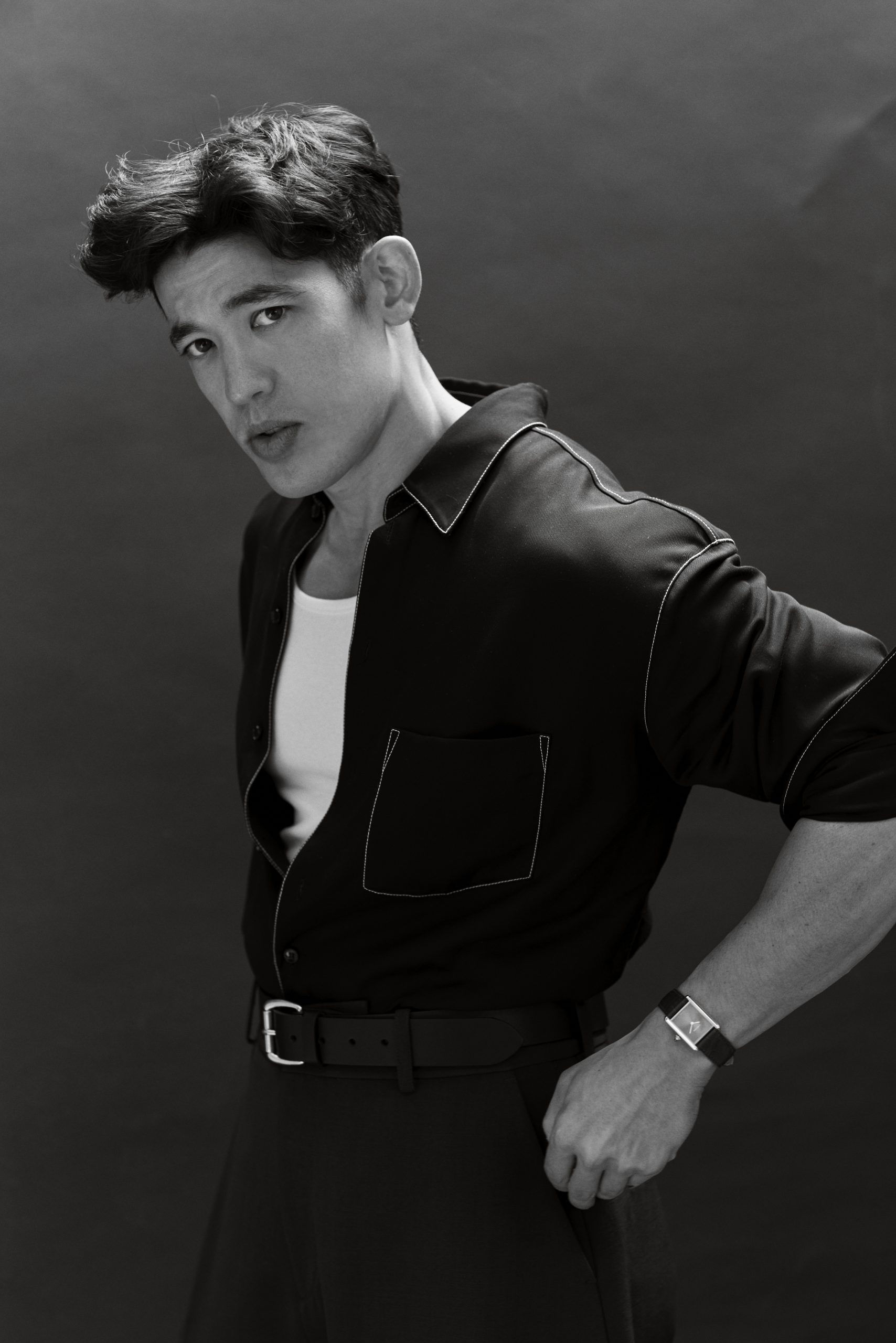
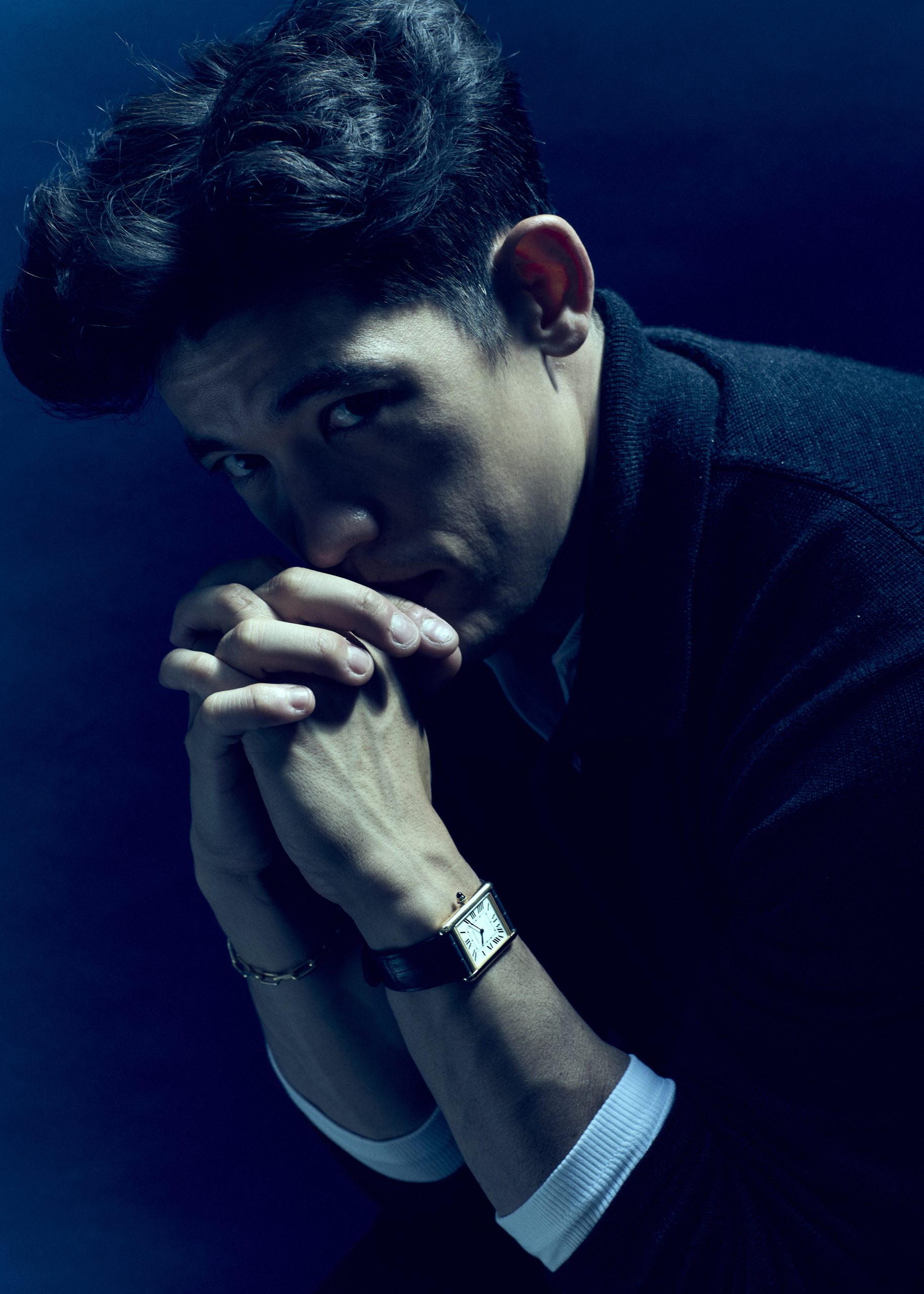
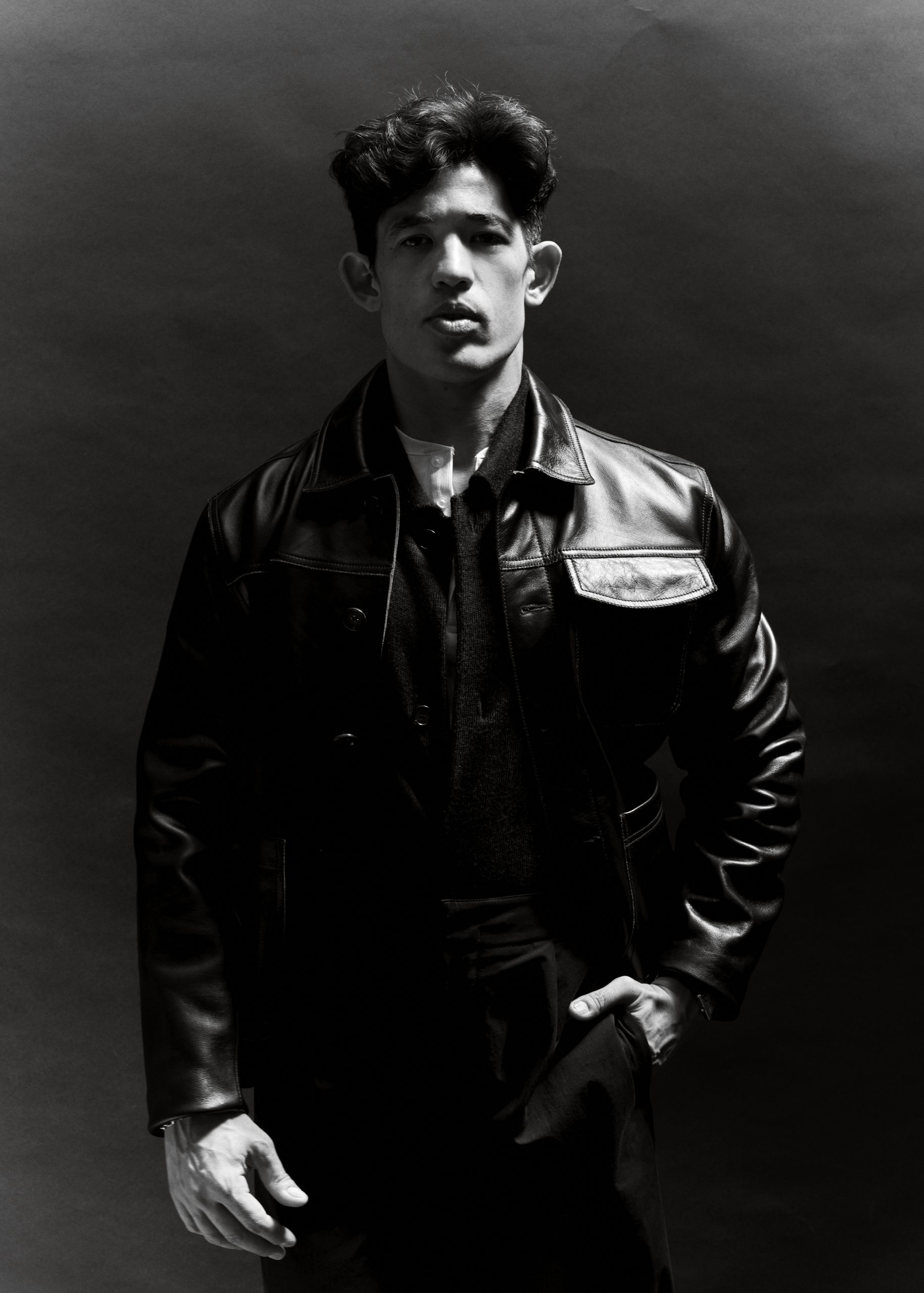
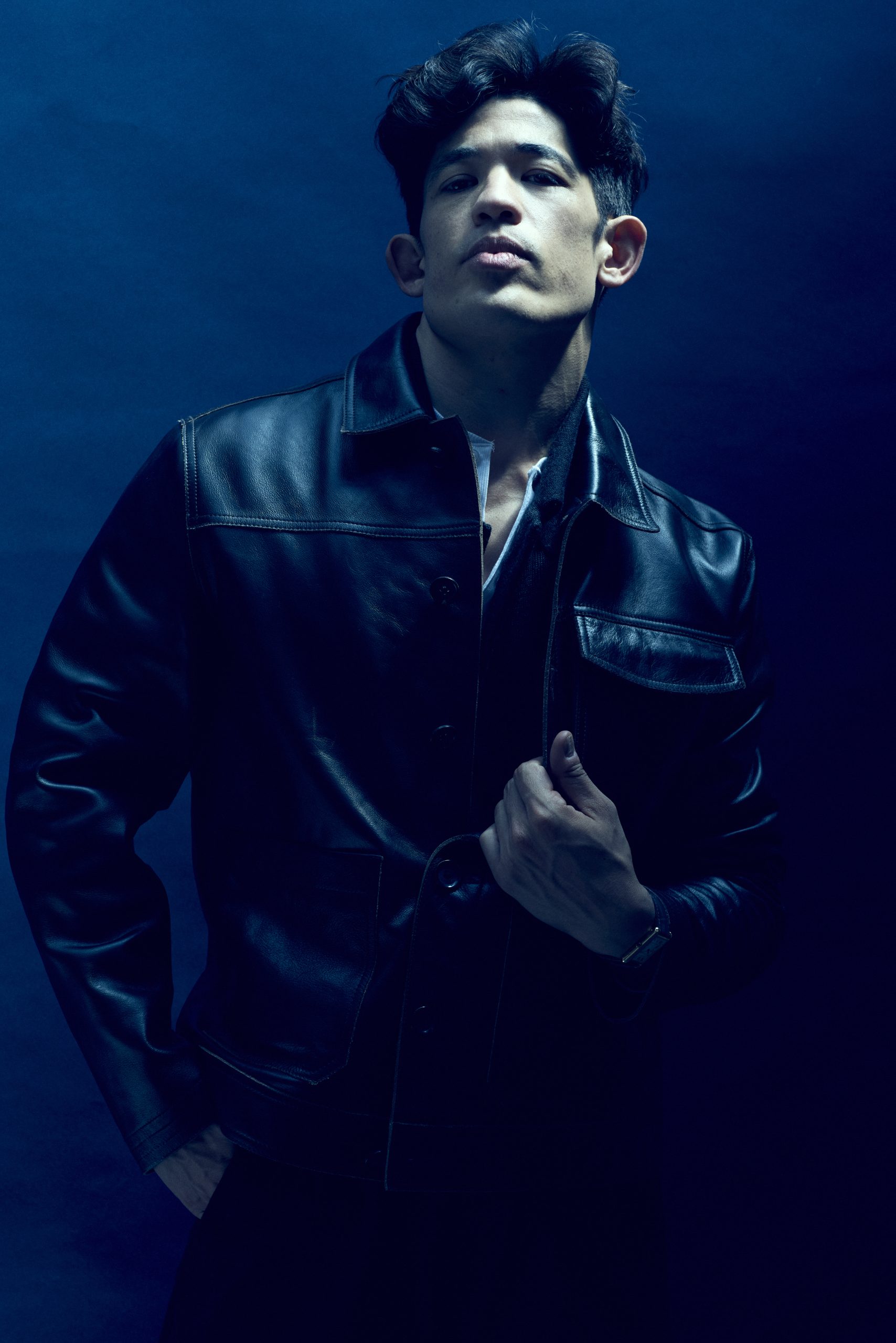
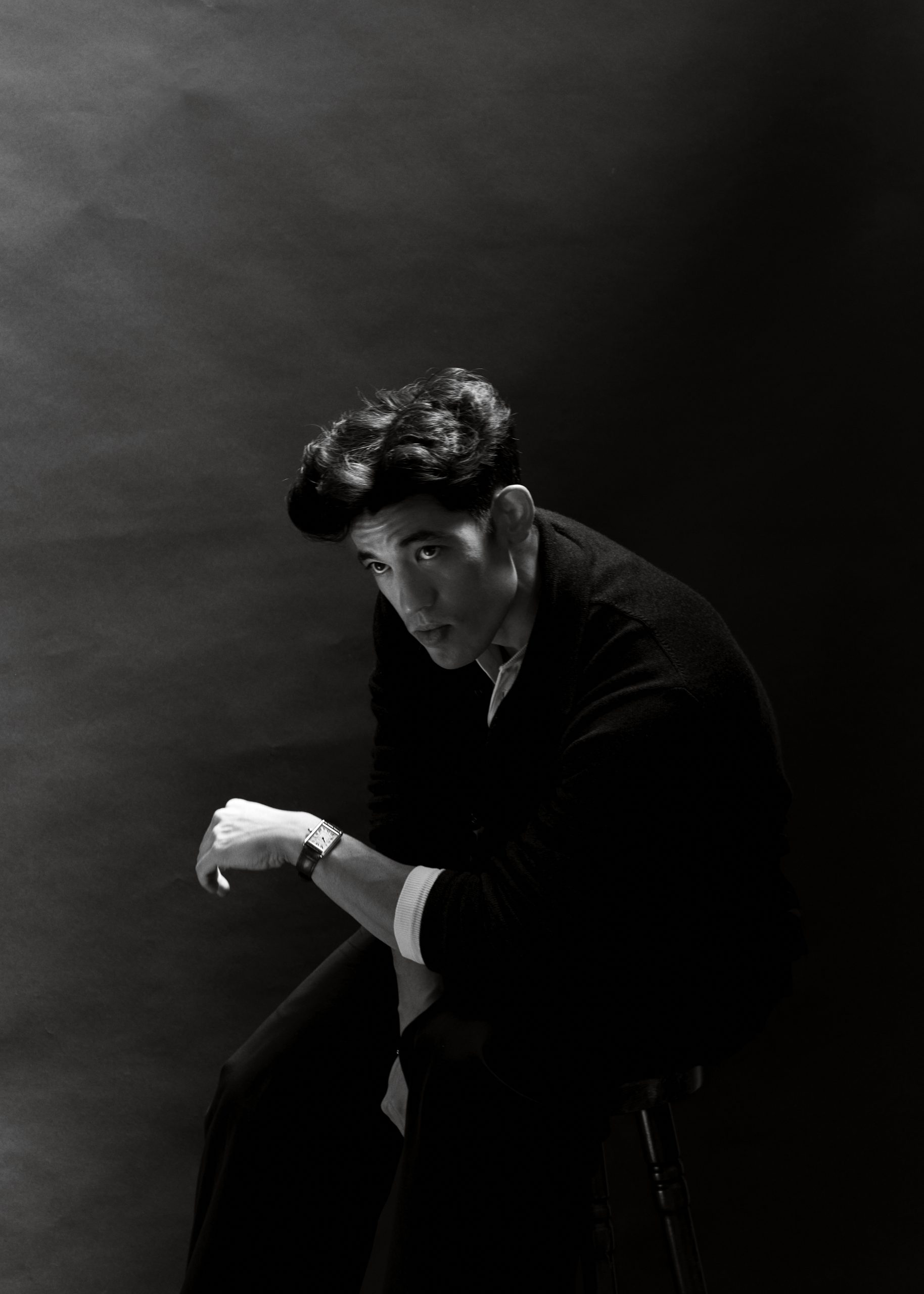
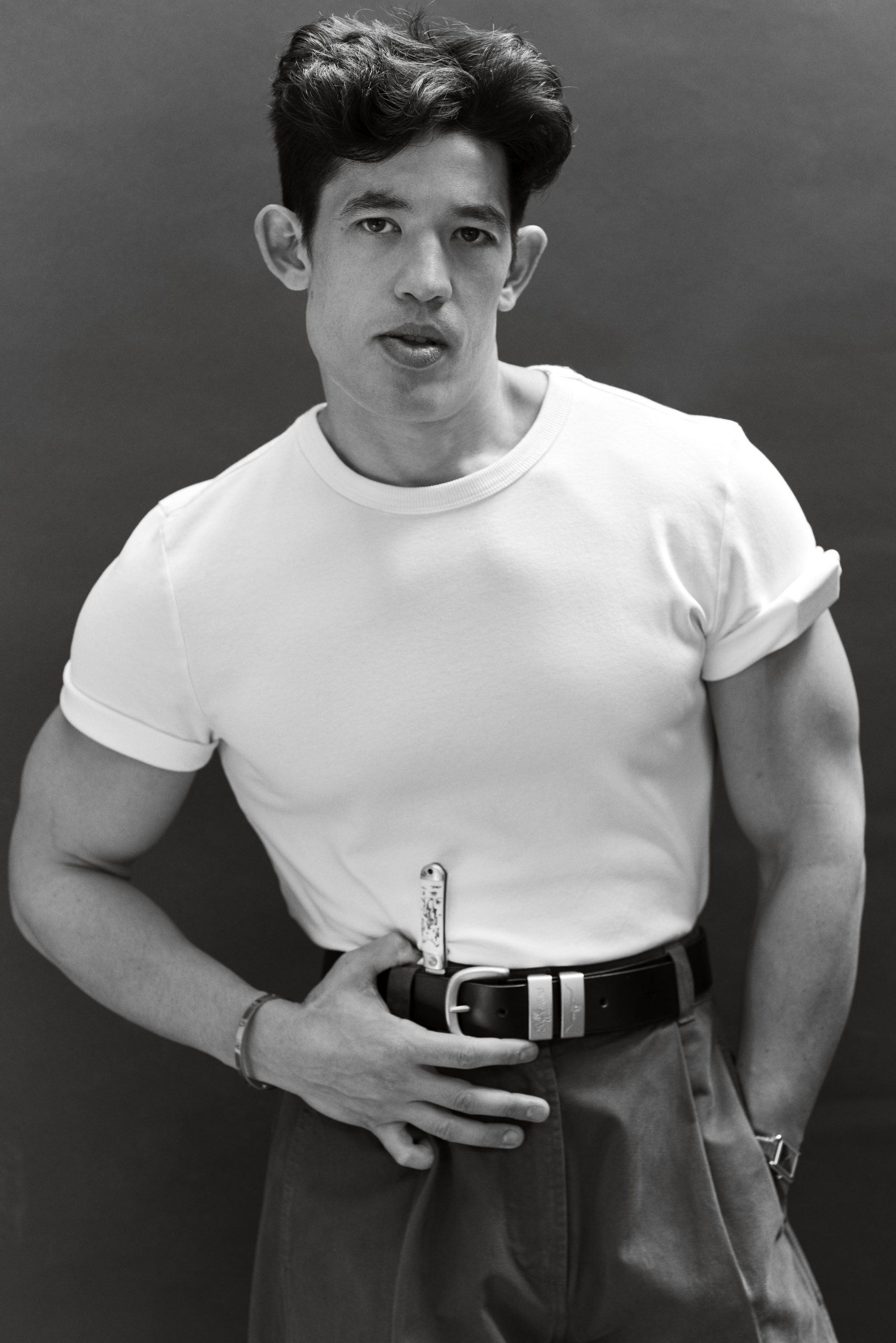
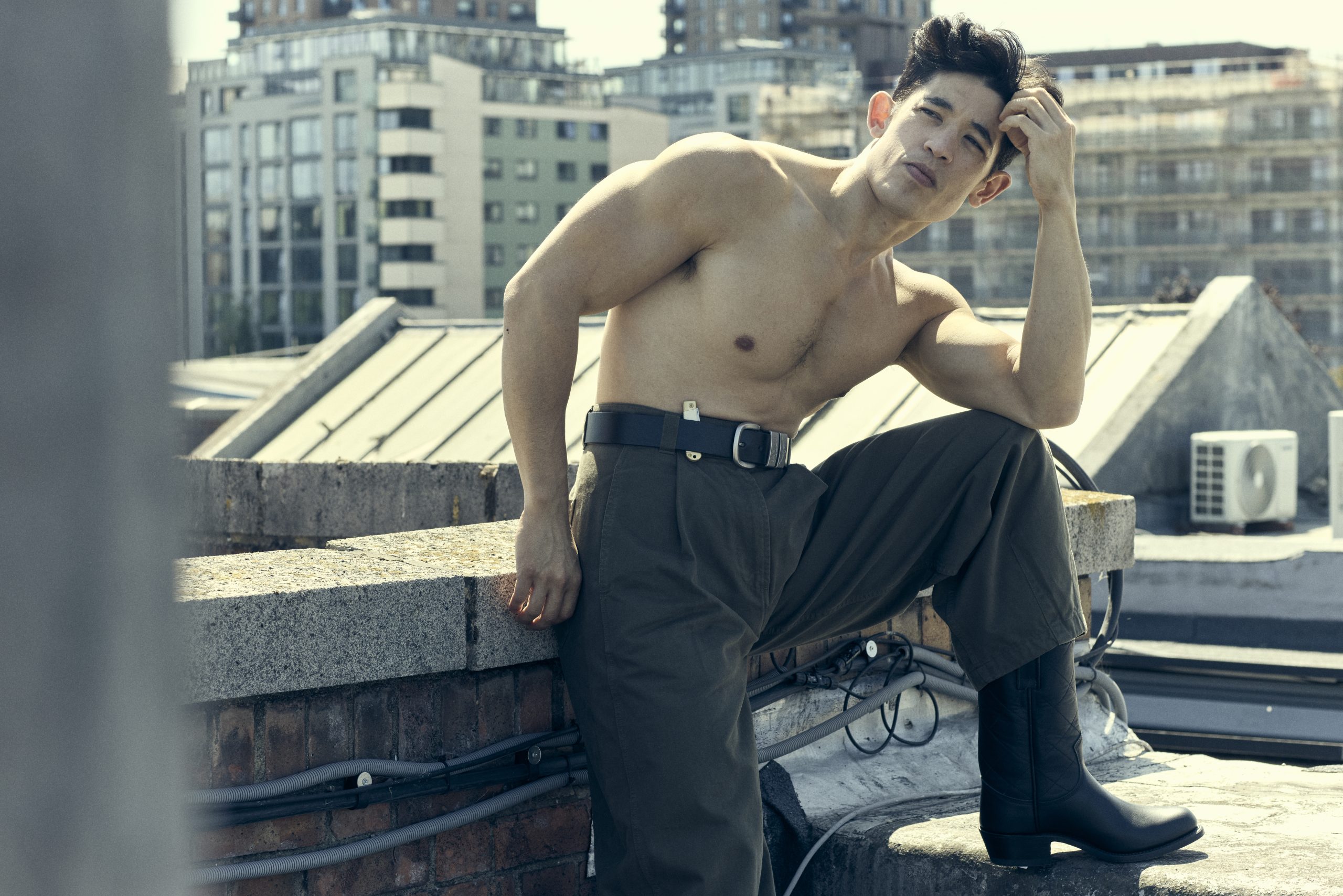
Before we go any further, I almost forgot to ask: how did you find your 1883 shoot with Lee? Sorry I couldn’t be there!
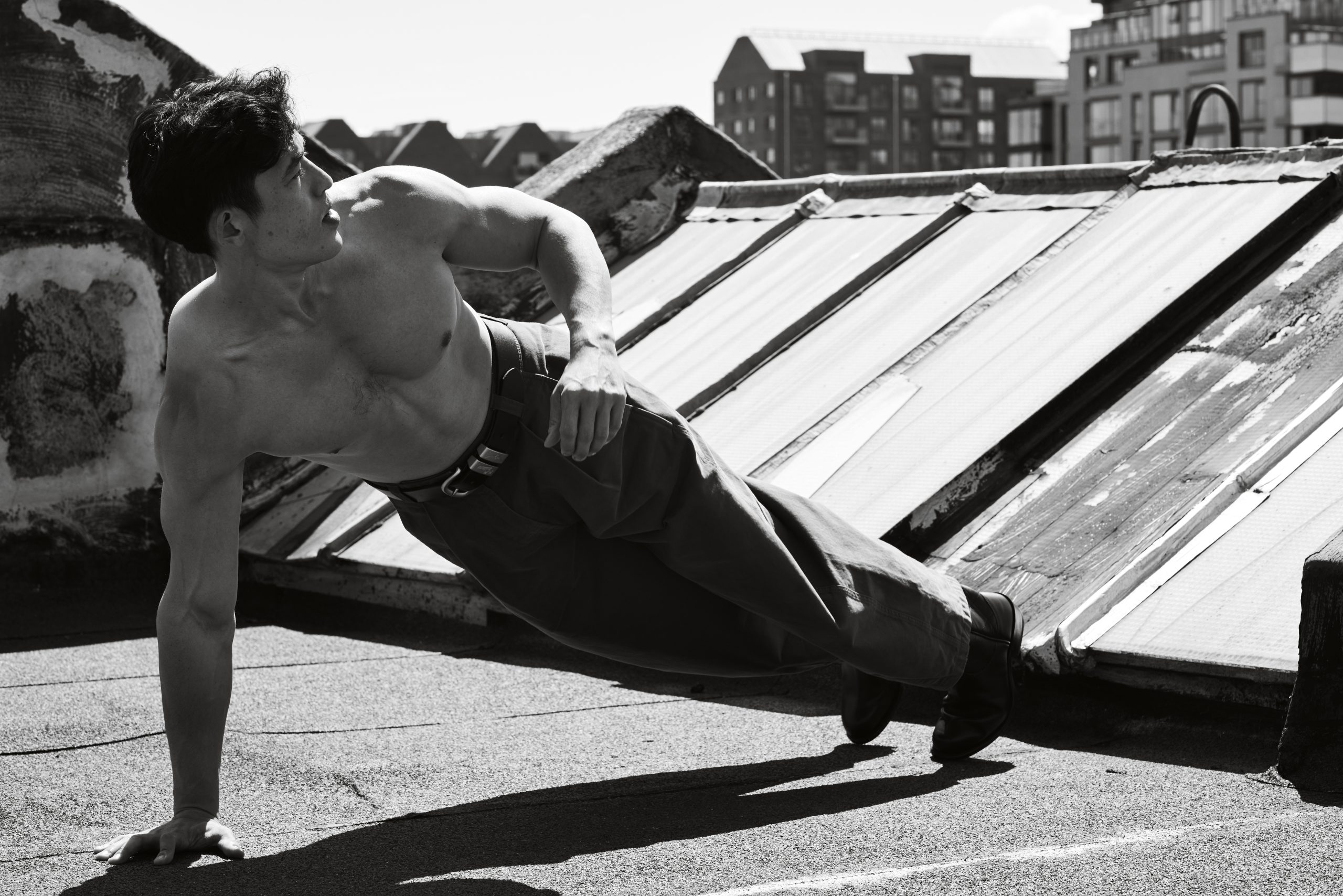
It was wonderful. It was so much fun. I got on a rooftop, got my top off, what more could you ask for? [laughs]. He is an incredible photographer; he is really great.
To follow the late, great Sam Neill, who played Harry in the 1979 adaptation, is quite a task. How did you navigate this, and how much did you pay attention to his take, if at all?
I watched the film. I guess when you’re trying to reimagine a character, there’s certain DNA within the character that you’re both going from, especially when it’s from an original text. There are elements that I think are universal between our Harrys, that they’re quite bound by integrity, society, and all of those kinds of elements. But I guess fundamentally, because of the changes and the things that we brought into the story, they’re very different.
So I didn’t have many touchpoints with Sam and the characterisation in that way, but in terms of the actual character DNA, it was universal between the two of us.
You’ve been living in the UK for quite some time now, so what was it like to go back home and shoot in Australia for the show?
I left Australia about 14 years ago with no money, one backpack, and a hope that there were better opportunities for me over in the UK. I was a jobbing actor until, I guess, Slow Horses came around, and that really gave me a steady platform to kind of build on and kind of get a bit more international recognition and profile.
I had always hoped that I could use that as currency to be able to come back to Australia and do some work that was of significance to me, because I really felt like that was a rite of passage to be able to work in my home country. So I was very excited at the prospect of being able to do this part. So I really fought for it. Once I had my meeting with Alyssa, who was the set-up director, I gave it about two weeks, and I just started messaging her directly to ask if they had cast it [laughs].
At the time, they were waiting to cast Sybylla, understandably so, but it got to the point where I was being courted by another project, also in Australia, and it was going to be a clash. So I think it kind of forced their hand to make me an offer.
So I actually got to do a couple of the chemistry reads with the Sybyllas they didn’t end up booking, and Pip [Philippa Northeast, who plays Syblla] is 100% and beyond the best casting, and we actually didn’t do any chemistry reads together. And I still had the best chemistry with her. So that was really great.
But I guess coming back for the four and a half months that I did do the shoot here, It’s the longest period of time that I’ve spent in Australia since I left in 2012. I couldn’t have come back for a better job. There’s been other things that have floated around in the last kind of five years that have been options to possibly come back and do, but nothing as iconic as My Brilliant Career.
So I’m absolutely gassed that this was the one that I got to really take as my second Australian screen credit, the first being a really, really tiny bit part in Neighbours [laughs].
Did you see any family when back home?
Yeah, so luckily, I had a couple of the shoot periods off. I was in quite a lot on this shoot, so I managed to get back to Melbourne. We shot in Adelaide, and it’s about an hour’s flight back to Melbourne. So I managed to get home maybe two or three times. I brought my parents out to the set. And it was the first time my dad’s been on a filming set. My mom’s come to the UK, so she’s seen me film Slow Horses out there. But that was a really full-circle moment for me to have them come and be a part of that with me.
They’ve been privy to all the phone calls, all the times of me having no money. And so to be able to show them what it was all in service for was really fantastic. Being able to get back to Melbourne for those few months that I did in between was really wonderful, because my grandmother, she passed away at the end of last year, but I managed to spend quite a bit of time with her before she passed. So that was really, really special. I kind of felt like it was this serendipitous thing that happened.
I’m sorry for your loss; it’s never easy losing a loved one. But it’s wonderful you got to do all that. Just quickly then, what did your dad make of his first set visit?
Do you know it’s really interesting, I think people walk around with so much purpose on a film set, and I guess when you bring people that are not there every day doing that job, they’re just there to observe and to be a part of what you’re doing. But they don’t really have a place. So I think he was trying really hard to stay out of the way of people, and in doing so, was getting in the way of everybody.
But it was very sweet, I mean he was so excited, wanted to take photos with everything. I gave him a clapboard to do the claps. So he was having a great old time and thrilled with the catering was beside himself that I get fed on set, you know, people bring coffee and all these kinds of things. So I think he really enjoyed it.
My parents did go back to the trailer and have a nap after a while. Dad was like, ‘oh you, you do this one bit all day?’ Pretty much [laughs].
You’ve been acting professionally on stage and screen for well over 15 years now. If you could go back and meet the Christopher Chung who was just starting out, what do you think would surprise him most about where you are today?
That I did it and I got to where…I was thinking about this the other day, actually. I think when you’re younger, and you’re aspiring to something, for me anyway, and I can only relate it to, I guess, my experience in London, because that’s where all of my career has been.
I remember when I was working pretty much full-time as PT and really budgeting out every single pound and penny that I had, and all excess money that I had from doing an acting job went into my savings so that I could support myself even more when I was out of work.
In the back of my mind, I was always thinking, ‘it’s just going to take that one job to come in’, this elusive one job that I think every actor has in their mind that’s really going to flip their career on a dime. It’s a dreamer’s way of thinking, and I think a lot of actors come into the profession, and that is the dream that there’s going to be this one big break.
It’s kind of like, when people go on those X Factor shows, someone’s going to see me, notice me, and then it’s straight to the moon, but it doesn’t happen like that. A lot of people think that that’s what happened with Slow Horses, but there was ten years of work that came before that.
So I think the younger version of me, thinking about where he wanted to be, actually ended up in so many ways exactly where I want to be at this period of my life. And having had all those experiences to be able to navigate this period of my life, if it had come any sooner, I don’t know if I would be as capable as I am now. I think he would be very proud of himself, and I think he would be like, ‘yeah, man, you fucking did it’.
People don’t understand it takes years of graft to become ‘an overnight success’. People don’t understand an actor might have got cast because someone saw them in a play many years ago, it’s all these things that add up. So much work goes into it.
There are so many things that have to fall in your favour for it to happen. You know? I mean, the first being Nina Gold, who casts Slow Horses, had been seeing me for many, many projects before that. But I guess the kind of hint that you get throughout that process is knowing that she’s asking you to retake for different projects all the time, so she sees something in you.
So even if you’re not getting the job, it is a step in the right direction if it’s like a kind of recurring casting director asking for you. When Slow Horses came around, she had asked me to tape for it, the part was right for me. But also in such a huge production, normally. For that size of part, it would have to be some kind of name.
But we already had Gary Oldman attached, and then we had Kristin Scott Thomas, attached, and then we had Jack [Lowden] attached. So they had a bit more freedom to be able to cast, you know, technically an unknown in that way. Everybody in the industry is looking to find someone that hasn’t really had a moment yet. But all of those things have to be in place for you to be able to get that opportunity.
And luckily as well, Roddy was very specific in casting too. So being able to use that and fashion that again, as even more currency to take out into the marketplace and be able to be like, ‘hey, I’ve done my due diligence here, and oh maybe now I can go and lead something’, like My Brilliant Career. If Slow Horses hadn’t happened, would this have happened? I don’t know.

Going on a bit of a tangent here, but I get it. When you are starting out, in any industry, no one is going to back yourself as much as you will.
100%. You are your business, you know yourself inside and out. Agents, managers, all the people that are around you, they’re trying to service your career and push you forward. But you are the constant in your career. Those things change. I’ve had five agents throughout my career to land where I am.
I’ve been very happy, but it’s taken five relationships to get to that point. But the thing that is constant is myself, and what I’ve done. So I bring my CV with me, I bring my experience with me wherever I go. But that’s the thing I have; you have to continue to back yourself throughout.
A few years back when I first spoke with Benedict Wong for an 1883 cover, I asked if there were any ESEA actors he wanted to shout out who deserve more acknowledgement for their work. You were one of the names he brought up. How does it feel to have such support from renowned actors such as Benedict?
I was just talking to Benny yesterday actually, that is so funny [laughs], I mean, the fact that I can say that is bananas. Last year, when we were in Adelaide, filming My Brilliant Career, Jonathan Pryce was actually out in Adelaide at the same time, filming a movie, and he was staying at one of the places that the rest of the cast were staying in.
It was my birthday, and I said, ‘Oh, I’m hosting a lunch for my birthday; if you want, please come along’. So Jonathan came along, and Anna Chancellor was there, and they had worked together previously on a film, so they were having a catch-up. It’s the wildest thing to have the people in my phone book, to be able to message them
To be able to message Hugo Weaving because he was really interested to know about how my horse riding was going, because I caught up with him when I was in Sydney, learning to horse ride for My Brilliant Career. Not just to have them in my phone book, to know that they’re actively supporting me in such a brilliant way…they’re so gracious, and they’re such champions; nothing is just face value with them.
So it’s really humbling, it’s very special to me, and it’s never taken for granted. I think as much as a younger version of me was dreaming of this kind of moment in my career, I never dreamt of having friendships with actors that I absolutely admired and adored, so it’s incredible.
Slow Horses returns next month for season six. Roddy finally took more of a central role last season. How would you describe his arc this time round?
Every season of Slow Horses manages to slightly shift the spotlight to each horse in some way or another. I would say season four was very much based around Jack’s character and his relationship with his father. Season three was very much about what happened to Standish being kidnapped. And season two has quite an incredible storyline for Louisa.
It manages to shift the spotlight every season, just slightly enough that some of the characters can take a little bit more prominence. But ultimately the show is just an ensemble piece, and everyone supports each other’s storyline. Personally. I don’t feel like I had much less to do in that, in that sense. In terms of driving story, and what happens within it, not so much. I would say that most of season six is based a little bit more around Kristen’s character Taverner, but also because for season six, we combined two books together.
So, cracking the story for that to make sure that there were enough elements from both books that they were touchstones for the hardcore fans that really are invested in that element of the show, there was enough for them to grasp on to. I would say that in that sense, the rest of the horses kind of function as the supportive ensemble.
Undoubtedly, Slow Horses has been one of the biggest roles of your career so far, and you’ve spent the last couple of years working closely with co-stars Gary Oldman, Olivia Cooke, Jack Lowden, Rosalind, Aimee, and more. What would you like to say about working with these castmates and what this project has done for your career?
Working with Gary, working with Kristen, Jonathan, all of these iconic British actors that are staples in pretty much everybody’s home, has probably been the greatest gift that I’ll ever receive in my career. Not only because of I’ve gotten to become friendly with them, and work opposite them, but also to be able to learn from them by osmosis.
You see the way that they carry themselves on set, and how I would like to kind of present myself, when I go into larger roles, and one day be a number one on the call sheet. Gary really holds that set in the palm of his hands, because he leads from such a place of creativity and wanting the best for the show, but also for us as a cast.
At the end of the day, it’s all of our work, and the thing that we put out into the world is for everyone to watch. So there’s no ego attached to anything that he does. It’s very much in service of the show, so that is something that I took on board as I went into My Brilliant Career and made sure that I was the leading man that I have seen presented to me in such a brilliant way. I think It’s given me such great tools to have been able to navigate a larger role in My Brilliant Career. And I’ve learned not to be quiet. I think I spent a lot of my younger years as an actor, trying to appease everybody and trying to be a lot of things that I thought that people wanted.
I thought that my opinion was the wrong opinion, or actually wouldn’t fit into their vision. But watching Gary and Kristin, Saskia [Reeves], fight so hard for their point of view really instilled in me the value of using your voice, knowing what you want to get out of the scene and seeing how you can navigate that with your fellow actors and director and DOP [director of photography].
If you have a difference of opinion, that’s okay; there is a happy medium that you can get to without butting heads, without becoming a diva about things. So I think in that sense, working with them allowed me to have a voice because they valued my voice.
It’s lovely that you and your wife, Frances, are both in the same industry. What’s it like navigating it together with your nearest and dearest?
It’s really interesting having a partner that’s also a creative. It’s brilliant, and it can be difficult, but I would err on the side of it being more brilliant than anything, because the way that you understand the ups and downs of this industry is so deep and specific. I actually don’t know how if I had someone who worked a nine-to-five job could understand as wholly as Frankie does with me, and as I do with her.
When you’re watching a piece, they can sit back and be way more objective than you can be, but still in a creative sense, understand where you’re coming from, and be honest with you. When I was doing my tape for Slow Horses, the first time I auditioned for it, I think I did two takes and because I wanted the job so badly, I was like, ‘no, we need to go again’. She knew the second tape was the one we would send.
She was like ‘that one, send that in and you will get a recall for it at least’, and she was right. So they can see things because they have such a trained eye as well. Not only because they’re creatives, they watch with you, they watch with a critical eye, but they also know where your strengths are.
It’s the same with me for her. We’re not competitive with each other in any way. And it’s been really lovely because Frankie’s career is mostly on stage. She does a lot of musicals, she’s a leading lady in the West End, and in the last few years, we’ve had a very similar rise in profile and the calibre of work we’ve got to do. So to be able to experience that with her has been really wonderful.
It’s just meant that we’ve been able to navigate this period of our careers that seem very similar but different in many ways, in a very unique way, that I think that if my partner wasn’t in the creative industry, it would be very hard.
I’m proud to be the 725th view on your 16-year-old YouTube cover of Sam Sparro’s ‘Black and Gold’. You’ve always been musical, would you ever consider releasing an original music project even just for fun?
[laughs], I need to take that down. You’re the second journalist to bring that up with me. But do you know what, Cameron? I think there’s part of me that kind of loves it being up there because it really does show a journey.
So originally, my first dream, when I was 15/16 was to be a musician, was to be a singer. But I had no capacity to write music.
That was around the period of time when all those pop stars and Australian Idol and X Factor were around, so I did all of those shows from the ages of 15 and 16.
I then tried again when I was 21 to do X Factor. II don’t know why, I thought that was going to be my thing. But at around 21 was when I really started taking my acting super seriously. But having said that, my passion project with music is alive.
I have actually written a short film that has a lot to do with music. It’s about a musician, and the aspects of mental health that industry has on men. I don’t think there’s really a kind of piece out there, that does the thing that my short film does. So I’m in the middle of financing and producing that, which I’ll direct and star in. So that is the next kind of frontier.
I have a couple of projects that I’m attached to, to executive produce on as well. I’m looking to take more of a hand in the creative side of putting a project together and having more of a voice in the room before all we actually go onto set, but also to star in as a vehicle for me.
I’m quite excited about that new string to my bow because it’s something that I never really envisioned for myself, but these opportunities have started to come my way, and I’m just going to take them and see if I can do them.
If I’m shit at them, I’ll just go back to saying words on the page.
It’s nice to see throughout your career you’ve done some voice acting work on video game work, and I feel there has been a real shift for actors as they’re seeing how cinematic and story-driven a good game can be. Would you consider more gaming opportunities in the future?
Yeah. A friend of mine was just nominated for a gaming BAFTA for her voice work, that’s really exciting. I think that’s quite a new element in the industry, which obviously should be recognised from day one; it’s a performance. The majority of video games that I’ve done haven’t been quite triple-A games, but I’ve always enjoyed doing them. They’re really taxing. They’re very taxing on your voice. A lot of my video game experience I did when I was doing musicals.
So it’s not brilliant to do before a two-show day, because you’re screaming in a booth, and then you’re going to sing on stage; that can kind of wreak havoc on you. But I’ve always enjoyed that kind of performance element where you have to get a whole performance across only using your voice.
More recently, I’ve been doing more animation, so I voice a cartoon character on the CBBC series called Mojo Swoptops, which has done super well; we’re doing the second season at the moment. And I was also in a Disney cartoon called Dragon Slayer, which I recorded over a few years, which just came out, and I really like that kind of voice performance.
You get put into such crazy scenarios, but you also have, like, a doppelganger of yourself in some way, in some shape, and you’re giving it a voice. So I really like that element of voice performance.
What should book fans of My Brilliant Career expect from this adaptation?
They should expect a bigger world than what Miles Franklin had put down on the page, an expansion of her original ideas and thoughts. I actually did some interviews with Pip yesterday, and we were talking about this. We were discussing how, Miles wrote the novel when she was a teenager, and it was pretty much semi-autobiographical, and she really wrote the world that she could see in front of her.
So it wasn’t fully realised and fully formed. In the kind of ways that we now understand society to have been back then. So I think you might see more of a fleshed-out world from Miles’ original idea, which is quite exciting, because you get all different kinds of elements that the original text doesn’t give you and adds a lot of colour and texture to the world, that the film also doesn’t cover.
It’s just an expansion of what’s on the page, really
Finally, what would you like to manifest for yourself next when it comes to your personal life or career?
I would like one of these projects that I’m exec’ing on to go into production, but I’d also like to lead a film next. It’s interesting how your dreams change as you grow older, because it was definitely a period of contraction for them with me. I think that was happening around the time that Slow Horses happened, but at that period of time, I was thinking about stepping away from the industry for a while, because it wasn’t really getting to where I wanted to be or thought that I would be at that stage.
I was like, maybe it’s okay just to go from job to job to job, and the biggest my dreams ever were, really in my career, was to be a good supporting part. But I never had any great ambition to be a leading man or a leading role, because I didn’t know if I had the facility to do that. And now that I’ve done it in a way with My Brilliant Career, it’s made me hungry to go to that next challenge.
My acting teacher was always a great believer, of if it scares you, you should absolutely do it. And I think I’m definitely at the stage now. In my career where I want to be terrified.
Well, I’m very glad you didn’t stop acting. It’s nice to see a hard worker succeed. On a different note, I’m very particular about who I interview, as I’ve got a full-time job outside of this. But it’s always a pleasure to speak to really genuine and talented people from time to time. So thanks for spending the time, Chris.
Awh cheers man, I appreciate that. You asked some quite thoughtful questions in a way that others have not.
So that, as someone being interviewed, is really helpful, as it makes you engage more. It’s very easy sometimes on a circuit to give the same answer, so you got some shit I didn’t give to anyone else [laughs].
My Brilliant Career is streaming on Netflix now.
Interview Cameron Poole
Photography Lee Malone
Styling Andrew Burling
Grooming Mary Ann Barrett