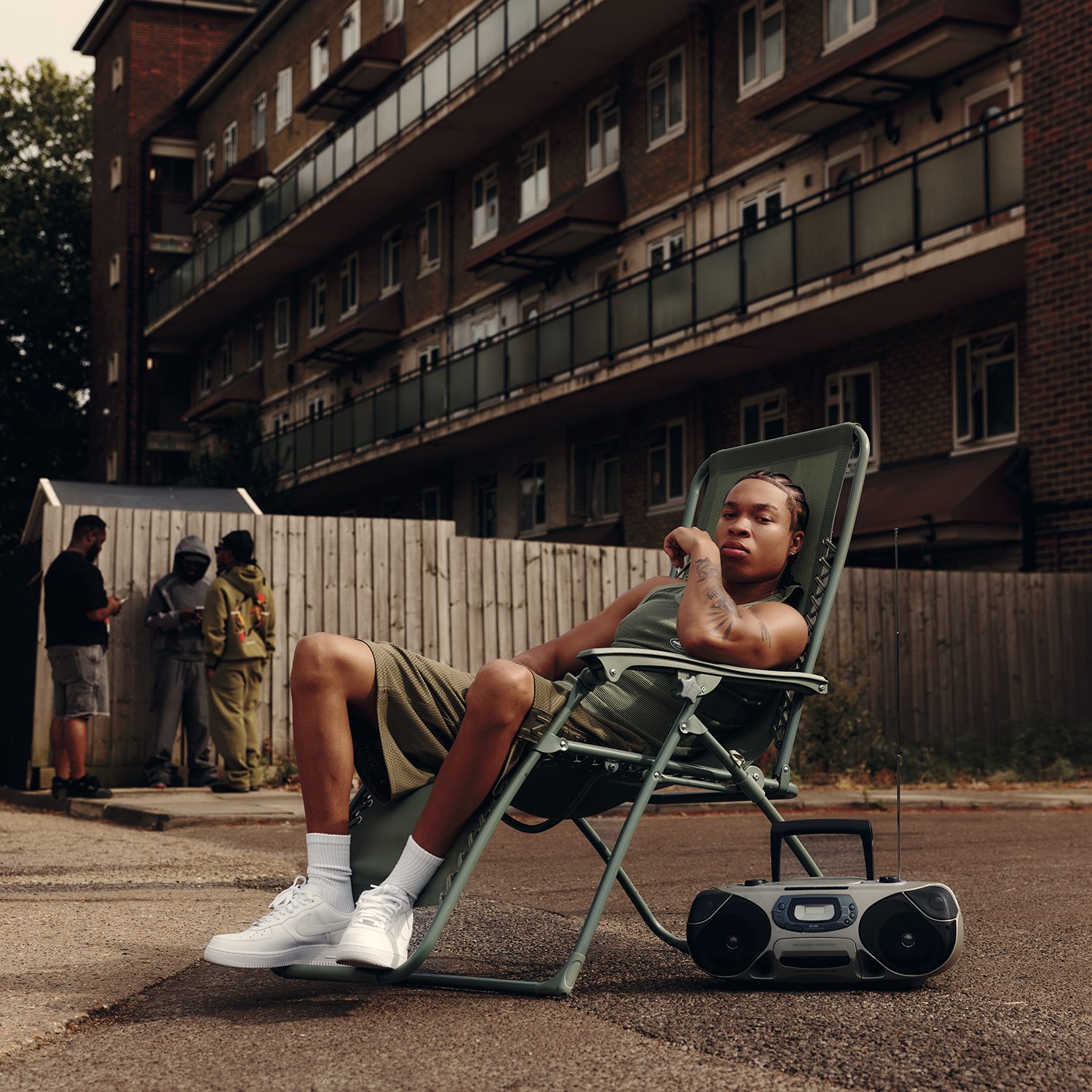
Leisure used to be easier to name. You went to the cinema. You bought a record. You booked a table. You met friends somewhere loud enough to make the night feel bigger than it was. Entertainment had locations, tickets, closing times, and a fairly clear beginning and end. Now, much of that same instinct happens through a screen.
A playlist can set the mood before a night out. A streaming series can define a group chat for a week. A game can become the place friends meet when nobody has the energy to leave the house. Online entertainment is no longer the backup plan. It is part of the plan. That is not a bad thing. But it has changed the question. The issue is no longer whether digital leisure belongs in modern culture. The better question is how people choose well when there is almost too much to choose from.
Leisure Has Become Curated
People are more selective than they used to be, even if it does not always look that way. The average person is not just “going online.” They are moving through a set of carefully shaped spaces: a Spotify playlist, a Netflix queue, a TikTok feed, a gaming lobby, a creator’s page, a group chat, a travel recommendation, a fashion mood board. It all blends together. Taste has become portable. The same person who cares about where they eat, what they wear, what they listen to, and what city they visit next is also likely to care about where they spend time online. Digital entertainment has become another part of personal style.
Interactive platforms have moved closer to the centre of modern cultural life. That feels right. Entertainment is no longer something people simply watch. Increasingly, it is something they enter, shape, and return to. The problem is that curation is harder when the options never stop.
Why Discovery Now Matters
More choice sounds good until it starts wasting your time. Anyone who has spent 40 minutes scrolling through a streaming app understands the problem. There is plenty to watch, but somehow nothing feels obvious. The same thing happens with music, games, travel sites, online communities, and digital entertainment platforms. The abundance is real. So is the fatigue. That is why discovery has become valuable.
A good recommendation does not just point you toward something popular. It reduces friction. It gives you context. It helps you understand whether something is worth your attention before you hand over your evening to it. That is where a platform like PlayCompass fits into the modern entertainment routine. It belongs to a wider move toward guided digital leisure, where users want more than a long list of options. They want a clearer way to compare, understand, and choose. It is not about removing choice. It is about making choice feel less messy.
Trust Is Part of the Experience
Digital trust used to be treated as a technical issue. Now it is a lifestyle issue too. People do not only ask whether a platform works. They ask whether it feels clear. Whether the information is easy to understand. Whether the site respects their time. Whether the experience feels clean or cluttered. Whether they are being helped or pushed. Those questions matter because leisure is personal. Nobody wants to spend their downtime decoding vague terms, chasing missing information, or wondering whether they have landed in the wrong corner of the internet.
This is why the best digital discovery tools do not feel like directories. They feel like filters. They help users move past the noise and toward something more relevant. A 2026 Digital Media Trends report points to how entertainment habits now overlap across categories such as TV, gaming, sports, music, creators, and brands, with consumers increasingly behaving as fans across multiple spaces. That overlap makes discovery more important, not less. The more fragmented entertainment becomes, the more useful it is to have better ways to navigate it.
Digital Taste Is Still Taste
There is sometimes a strange snobbery around digital leisure, as if time spent online is automatically less considered than time spent offline. That does not really hold up anymore. A person can be just as intentional about an online game, a playlist, a livestream, or a digital platform as they are about a gallery visit or a restaurant booking. The medium has changed, but the instinct is familiar. People are still choosing atmosphere, mood, community, pace, and identity.
A well-designed digital experience can feel social. It can feel stylish. It can feel calm, fast, private, loud, competitive, or cinematic. Those are not minor details. They are the experience. This is especially true for younger audiences who do not separate culture into neat boxes. Music bleeds into fashion. Fashion bleeds into gaming. Gaming bleeds into streaming. Streaming bleeds into social media. A platform is not just a utility. It becomes part of the wider aesthetic of how someone spends their time. Digital taste is still taste.
The New Luxury Is Less Noise
Luxury online is not always about price. Often, it is about relief. A clean interface. A helpful comparison. Fewer dead ends. Less confusion. Better context before you commit. These things sound small until you realize how much of modern life is spent trying to make decisions between similar-looking options. The real premium experience is not endless choice. It is confidence.
That is why curation is becoming one of the quiet luxuries of digital life. People want variety, but they also want the sense that someone has done some of the sorting. They want freedom without chaos. They want discovery without the feeling of being dropped into a warehouse with the lights off. The strongest entertainment platforms in the next few years will understand this. They will not only compete on volume. They will compete on clarity.
The Future Belongs to Better Filters
Digital leisure is not becoming less personal. If anything, it is becoming more intentional. People know their time is limited. They know their attention is being competed for. They know that not every platform deserves a place in their routine. So they are becoming sharper about what they choose and quicker to leave what does not feel right.