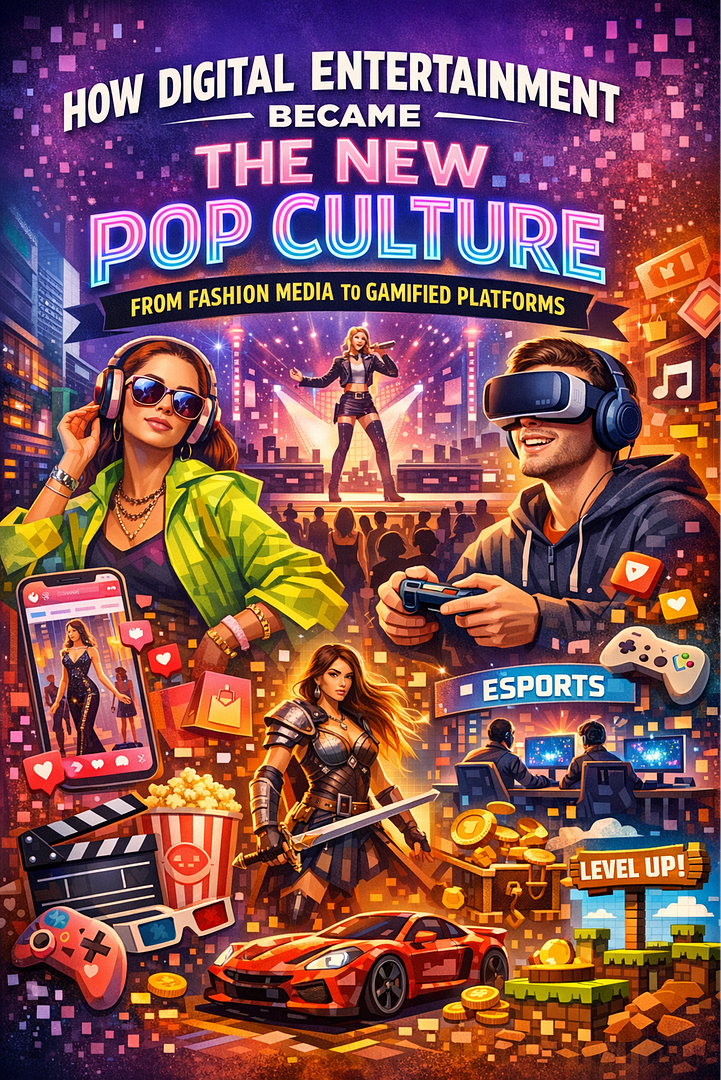
Pop culture used to move in a straight line. A magazine published a cover. A TV channel aired a show. A label dropped a track. The audience watched from the other side of the glass.
That model is weaker now.
Today, culture moves in a loop. People still read interviews, watch trailers, and follow editorials. But they also tap, swipe, react, bet, rank, unlock, and share. They do not just consume a scene. They step into it.
This shift did not happen by accident. It came from the way digital products learned from media. A good fashion magazine knows how to build desire. It frames a face, a mood, a moment. A good gamified platform does something close. It builds rhythm. It gives the user a path. It creates tension, reward, and return. One sells the feeling of being close to culture. The other lets the user touch the controls.
That is why digital entertainment now sits inside pop culture, not outside it. It uses the same raw material: attention, identity, taste, status, and ritual. The difference is physical. Old media asked for eyes. New entertainment asks for hands.
In that sense, the feed, the live room, the bonus drop, and the editorial spread now compete on the same shelf. They all fight for the same scarce thing: a repeat visit.
Fashion Media Taught Digital Platforms How To Stage Desire
Fashion media never sold clothes alone. It sold a scene. A jacket came with a face, a room, a light, a posture, and a mood. The reader did not just see an item. The reader saw a life arranged around it.
Digital entertainment learned that lesson well.
The strongest platforms do not feel like cold tools. They feel like spaces with heat. They use motion, timing, sound, and reward the way a magazine uses layout, cover lines, and image sequencing. Each click works like a page turn. Each prompt acts like a headline. Each return visit feels like the next issue landing at the door.
This is where gamified systems became culturally fluent. They stopped acting like back-end products and started acting like media brands. They built tone. They built atmosphere. They built habits. A live interface now does what a glossy spread once did: it holds the eye long enough to create want.
That logic also explains why platforms tied to crypto and interactive play gained traction with digital-first users. A guide such as Cybet Crypto Casino does more than explain features. It frames a full user journey around speed, access, game flow, and platform trust. In plain terms, it shows how the product wants to be experienced, not just used.
This matters because modern audiences read design as meaning. They judge a platform the way they judge a cover shoot. Is it sharp? Is it current? Does it feel smooth in the hand? Does it make them want to stay?
Pop culture now rewards products that can answer yes.
Interactivity Turned Audiences Into Participants
The key change is simple. Digital entertainment stopped treating people like viewers. It started treating them like players.
That shift changed the feel of culture. Old media often asked for attention in one block. Sit down. Read this. Watch that. Listen through. New entertainment breaks attention into beats. Tap here. Choose now. React fast. Come back tomorrow. The experience moves like a hand on a game controller, not like a finger running down a printed column.
This is why gamified platforms fit so easily into pop culture. They match how people already move through the day. A person checks a feed while walking. Joins a live stream on the train. Opens a platform between messages. Culture now lives in short bursts, not long ceremonies.
That change brought four clear effects:
- Speed became part of the appeal. Fast actions feel alive.
- Choice made users feel present, not distant.
- Reward loops turned return visits into habit.
- Live feedback gave entertainment the heat of a real room.
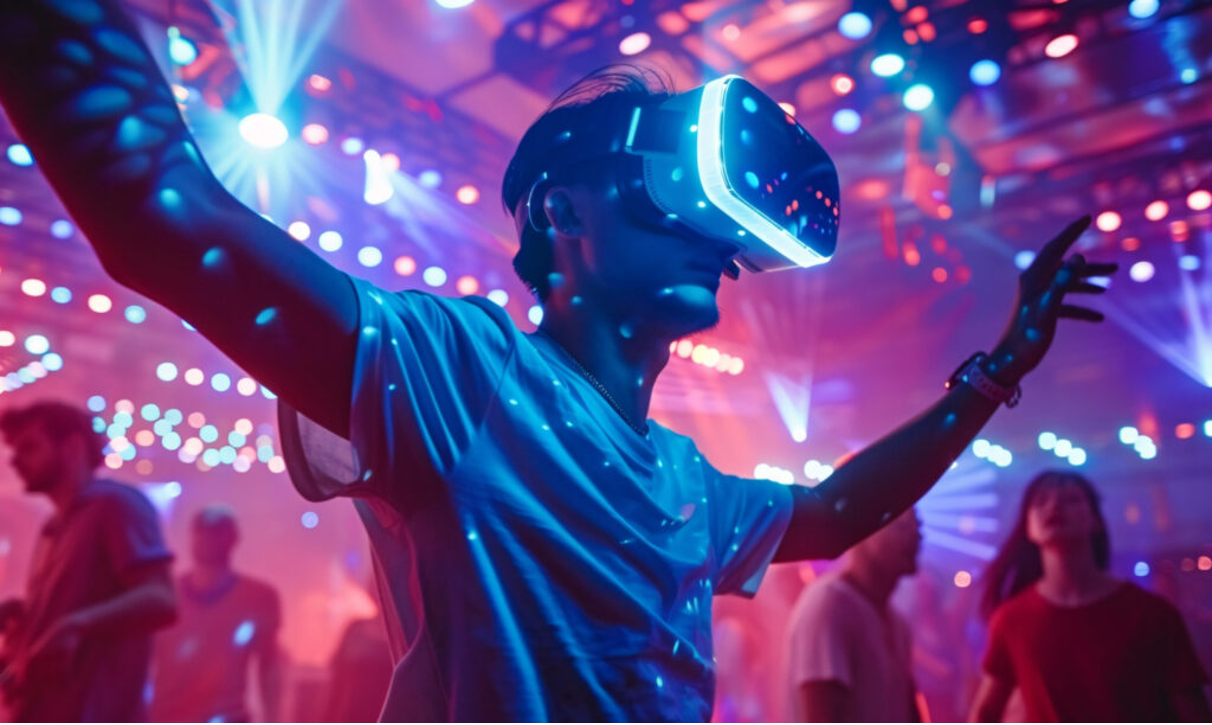
A good analogy is a nightclub versus a gallery. In a gallery, you look. In a club, you respond. You move, adjust, and read the room. Digital entertainment borrowed that second model. It made culture feel less like observation and more like contact.
This does not mean long-form media lost value. It means long-form now sits beside systems built for motion. An interview can still shape taste. A film can still define a season. But platforms with interaction add something print and broadcast could not offer with the same force: immediate agency.
That is a big reason digital entertainment became part of pop culture’s core. It did not replace media. It gave media a pulse you could press with your thumb.
Why Gamified Platforms Feel Native To Modern Culture
Gamified platforms fit modern culture because they speak its native language. They are fast. They are layered. They reward return. They turn idle moments into active ones.
That makes them feel familiar from the first touch. A user already knows the pattern. Open the app. Scan the cues. Make a choice. Get a result. Repeat. This is not far from how people move through social feeds, music drops, ticket releases, or live digital events.
The difference lies in structure. Traditional media usually delivers meaning in a line. It starts, unfolds, and ends. Gamified platforms work in cycles. They build momentum through repetition. Each action sets up the next. That design keeps attention warm.
The contrast is clear:
| Format | Main User Role | Core Rhythm | What Keeps Attention |
| Print Magazine | Reader | Linear | Story, image, sequence |
| Streaming Video | Viewer | Timed flow | Plot, suspense, release |
| Social Feed | Scroller | Endless refresh | Novelty, reaction, speed |
| Gamified Platform | Participant | Repeating loop | Choice, feedback, reward |
This table shows the deeper point. Gamified platforms did not appear from nowhere. They rose from habits people had already learned elsewhere. They took the speed of feeds, the suspense of entertainment, and the polish of lifestyle media. Then they fused them into one system.
That fusion matters because pop culture now rewards formats that feel easy to enter and hard to leave. The strongest products do not ask the user to stand still. They give the user a surface that moves under the hand, like a dance floor lit one square at a time.
That is why gamified entertainment no longer sits at the edge of culture. It fits the shape of daily life too well. It meets the user where attention already lives: in motion, under pressure, inside the loop.
Trust Became Part Of The Entertainment Experience
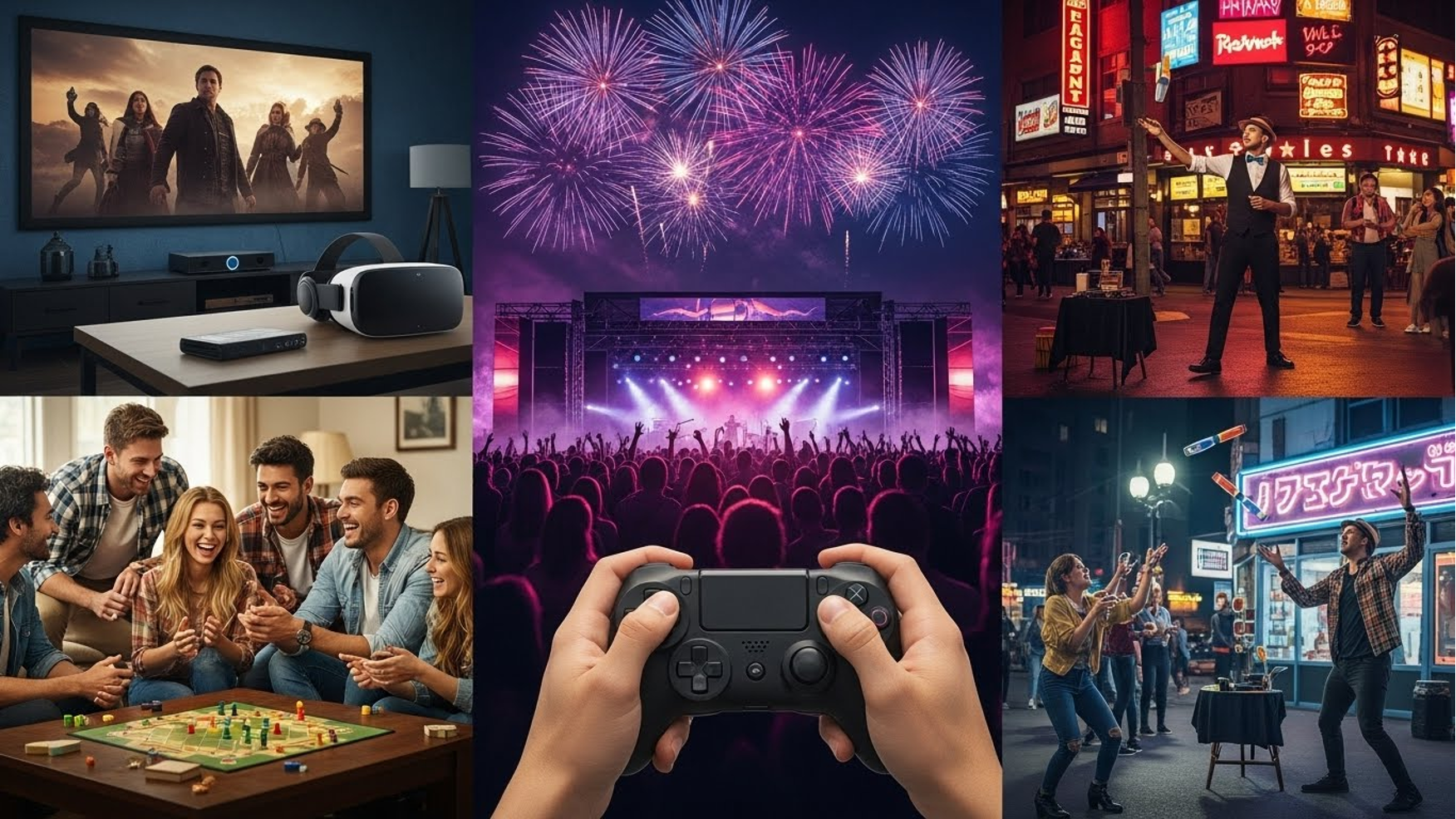
As digital entertainment grew more complex, trust stopped being a back-office issue. It moved to the front of the stage.
A user now reads a platform the way a traveler reads a bridge. The question is not only, “Does it look good?” The question is, “Will it hold my weight?” In interactive systems, that feeling matters at once. A slow payment, a vague rule, or a broken flow can kill the mood faster than a bad headline kills a feature.
This is why trust now works as part of the product itself. Clear rules, visible histories, fast confirmations, and simple account controls do more than reduce risk. They shape the user’s emotional state. They lower friction. They make action feel clean.
One line captures the shift well: “People return to digital spaces that feel solid under the hand.” That is not just a technical point. It is a cultural one. In modern entertainment, reliability feels like stagecraft. When the system responds on time, the illusion stays intact.
This helps explain why guide-driven platforms matter. They do not only explain features. They reduce fog. They tell the user where the doors are, how the room works, and what happens after each step. In a gamified setting, that clarity is not secondary. It is part of the pleasure.
Pop culture used to separate glamour from infrastructure. Digital entertainment erased that line. Now the wiring shows through the walls, and users judge it. A polished experience must not only shine. It must hold steady.
Media, Gaming, And Lifestyle Now Share The Same Stage
The old borders are hard to see now. Media, gaming, and lifestyle once stood in separate rooms. Today, they stand under the same light.
A music release is not just a song. It is a teaser, a visual world, a live chat, a merch drop, and a chain of reactions. A fashion story is not just a shoot. It is a mood board, a short clip, a comment stream, and a set of signals about taste. A platform guide can play the same role. A strong casino guide does not just explain buttons and rules. It helps frame the full experience, from entry to flow to return.
This overlap grew because audiences no longer separate content by old industry labels. They sort by feeling and function. They ask simple questions. Does this hold my attention? Does it give me status? Does it let me act? Does it give me a reason to come back?
That shared logic now links several formats:
- Editorial media builds image, tone, and desire.
- Streaming culture builds immediacy and shared time.
- Gamified platforms build action, rhythm, and return.
- Lifestyle branding turns use into identity.
Put together, these formats create a single cultural surface. The user moves across it without friction. One minute they read an interview. The next they join a live event. Then they enter a platform that offers choice, pace, and feedback. The hand performs different actions, but the deeper pattern stays the same.
This is why digital entertainment became more than a category. It became a habit of culture. It absorbed the language of media, the tempo of games, and the polish of lifestyle brands. Once that happened, pop culture did not need to make space for it. It was already in the room.
Pop Culture Now Lives In Systems, Not Just Stories
Digital entertainment became part of pop culture because it changed the user’s role. The audience no longer stands outside the frame. It steps inside, presses buttons, makes choices, and feels the result at once.
That shift links fashion media, streaming culture, and gamified platforms. All three build desire. All three shape identity. All three compete for repeat attention. The difference is mechanical. Editorial media presents a world. Interactive platforms let the user move through it.
That is the core change.
Pop culture once relied on images, headlines, and broadcast moments. It still uses them. But now it also runs on loops, prompts, rewards, live signals, and system trust. In simple terms, culture no longer lives only in what people watch. It lives in what they do.
This is why gamified platforms feel natural, not strange, inside the modern media landscape. They match the pace of digital life. They turn idle seconds into action. They make attention physical. They give users not just a mood, but a role.
And that may be the clearest way to see the new order. Pop culture is no longer just a stage. It is a responsive space. The lights still matter. The styling still matters. The story still matters. But now the floor answers back.