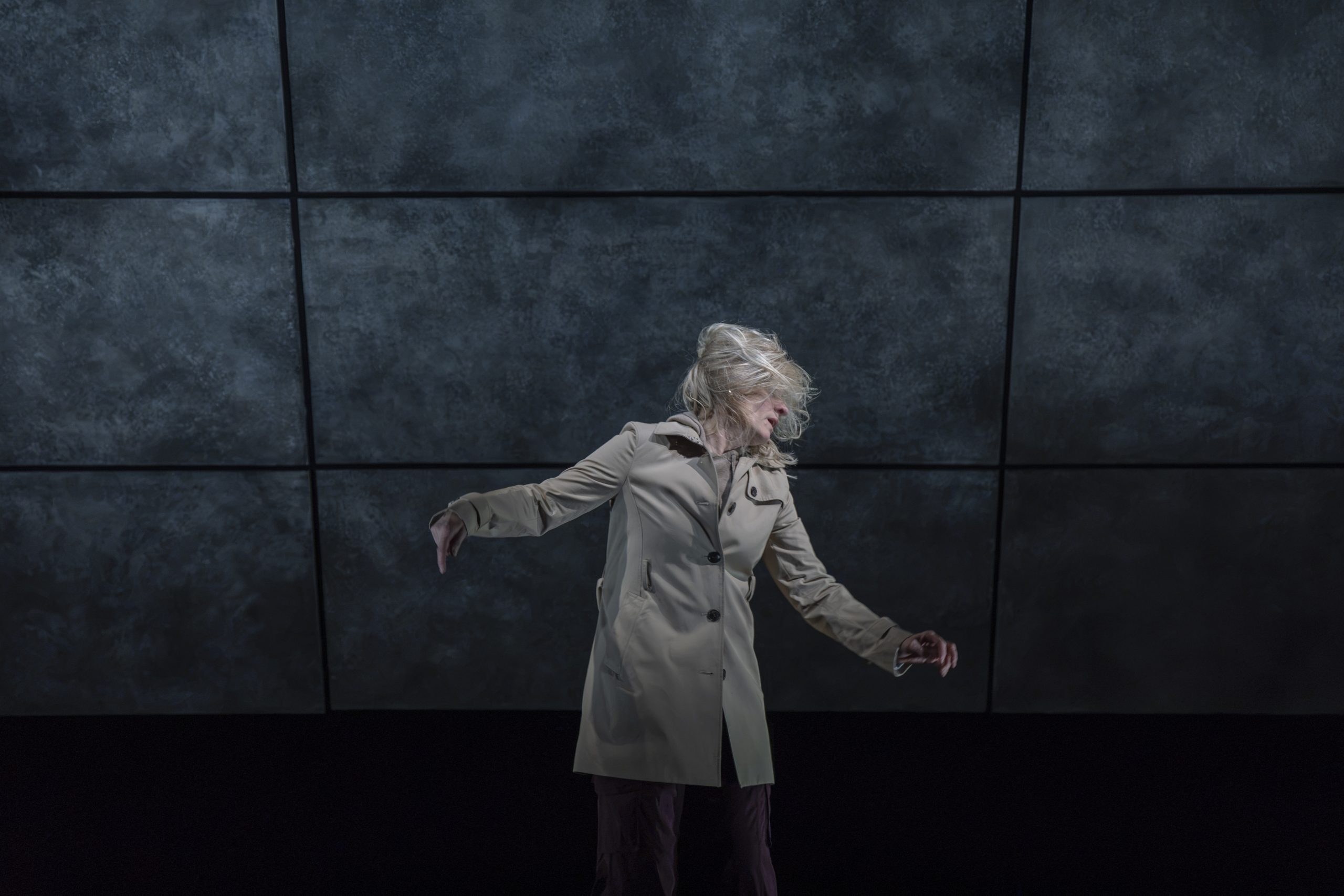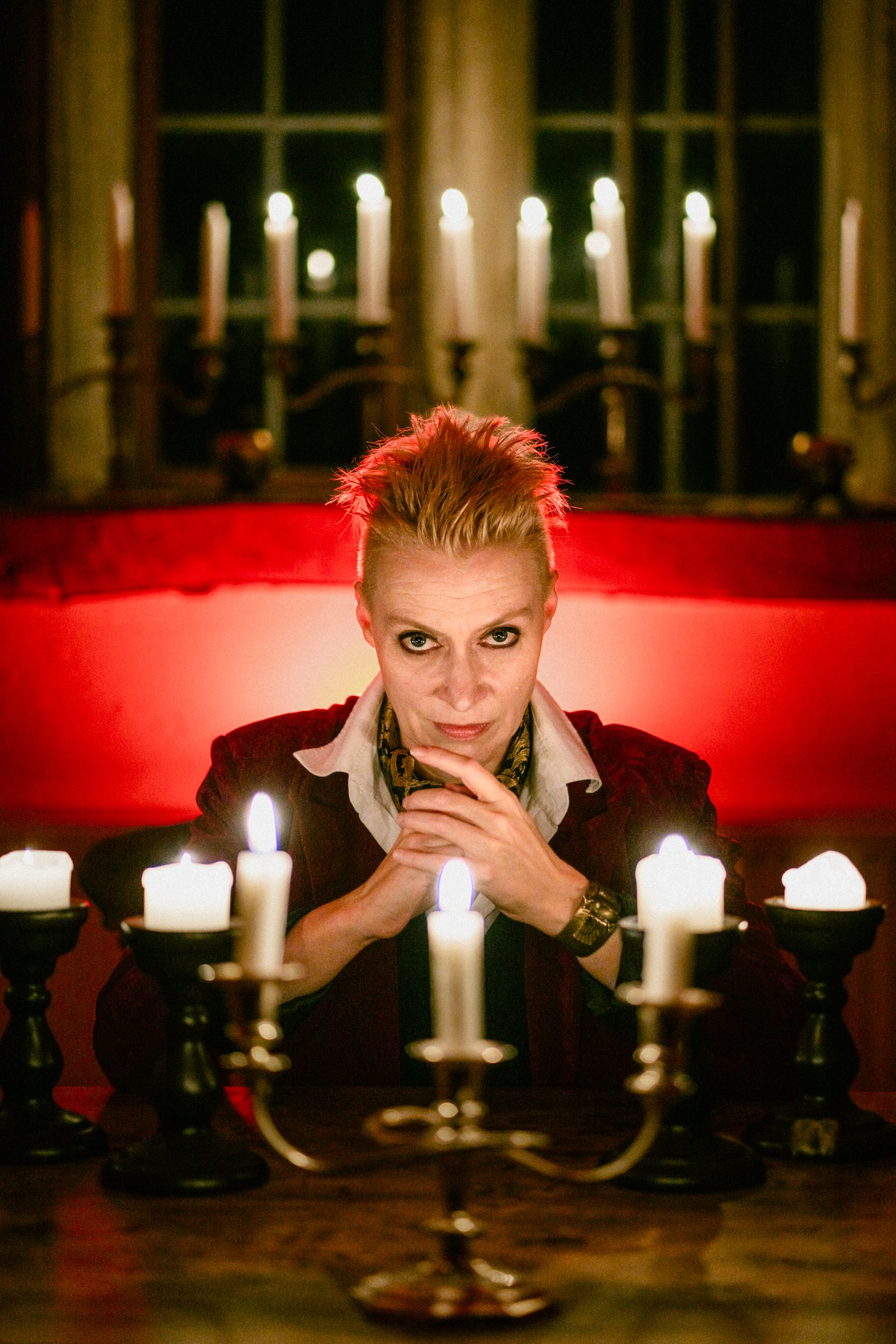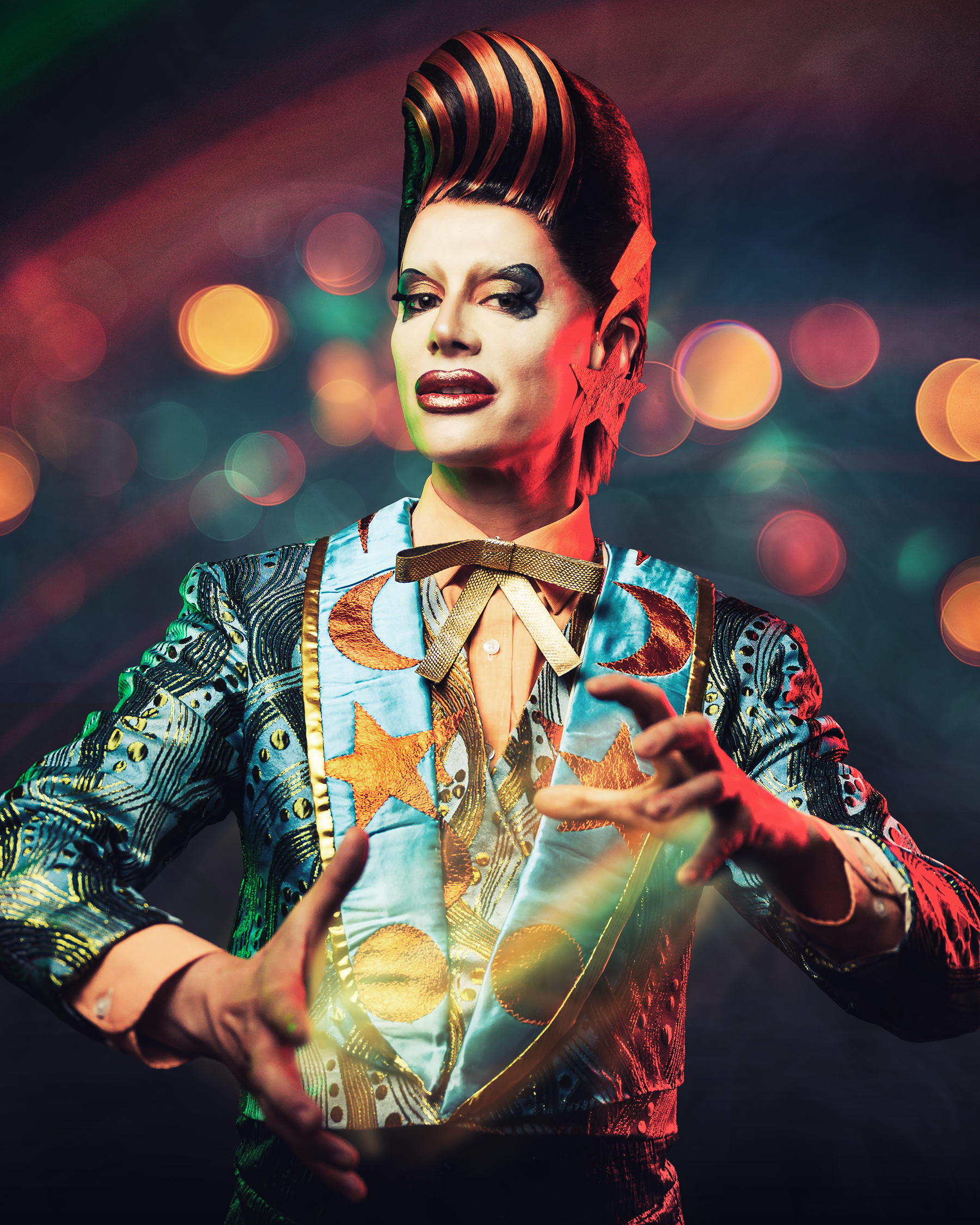
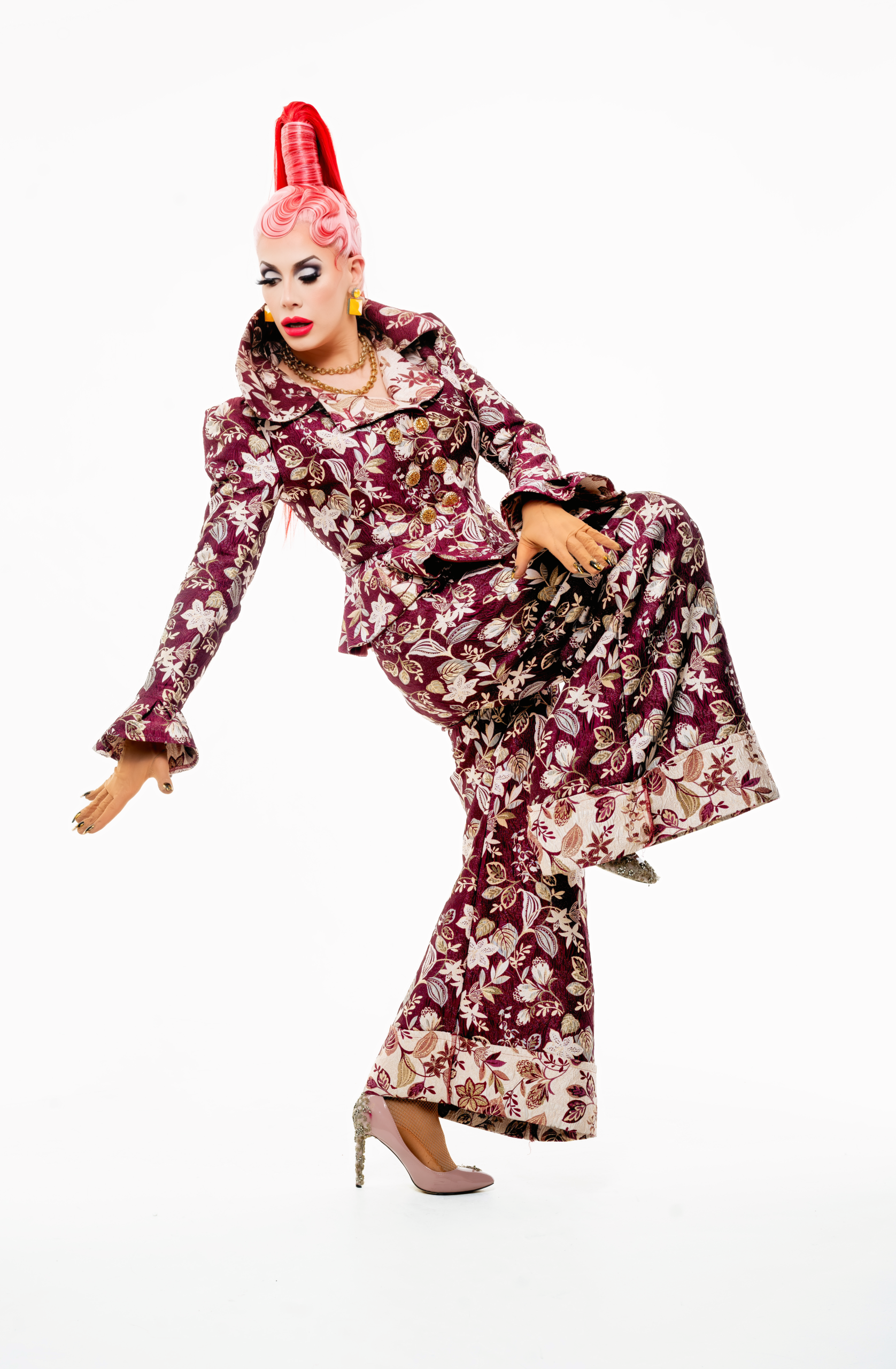
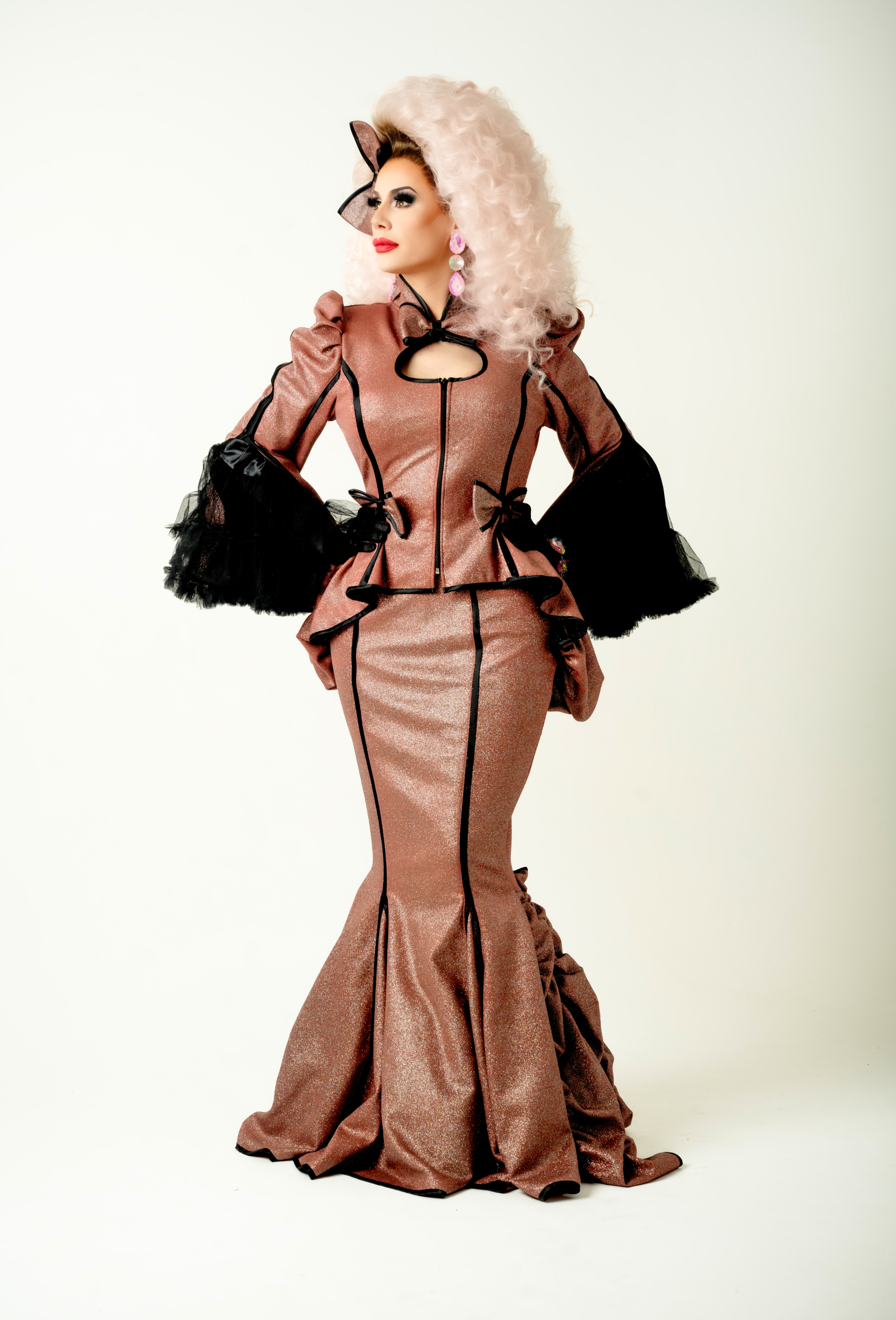
On paper, Divina De Campo’s casting as the first drag artist to play The Amazing Karnak in Ride the Cyclone appears to represent a growing shift in British musical theatre. Alongside performers such as Jinkx Monsoon, River Medway, La Voix, and Danny Beard, another familiar face from RuPaul’s Drag Race is stepping beyond the cabaret stage and into a substantial theatrical role.
The reality, as Divina is quick to point out, is rather less straightforward. Long before television introduced her to a wider audience, she had spent two decades making theatre, teaching dance and drama, and creating work across contemporary performance, cabaret, and theatre in education. Rather than moving from drag into acting, Divina has been drawing on both disciplines throughout her career. Her arrival in Ride the Cyclone is not the beginning of a theatrical reinvention, but the latest point at which those strands have come together.
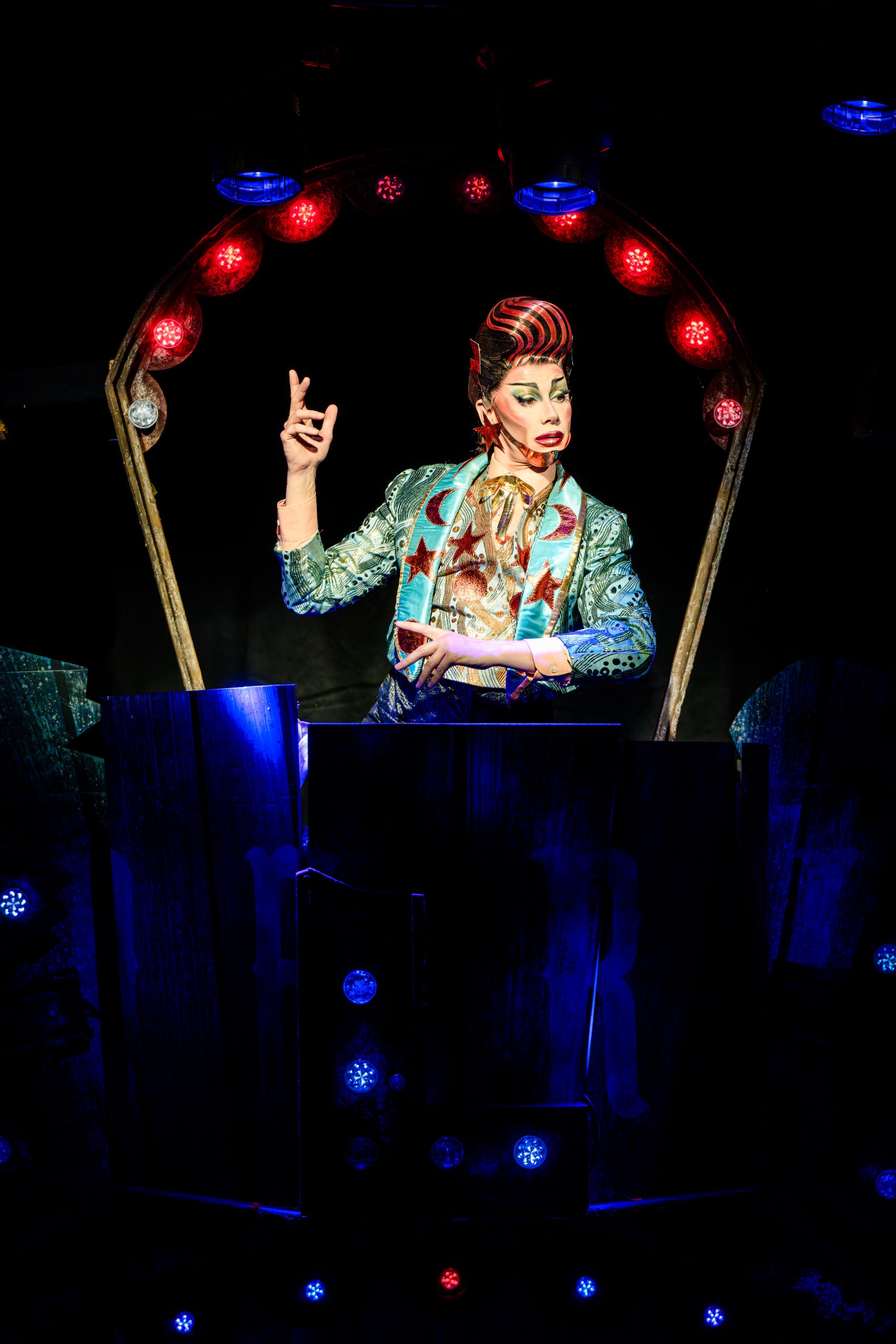
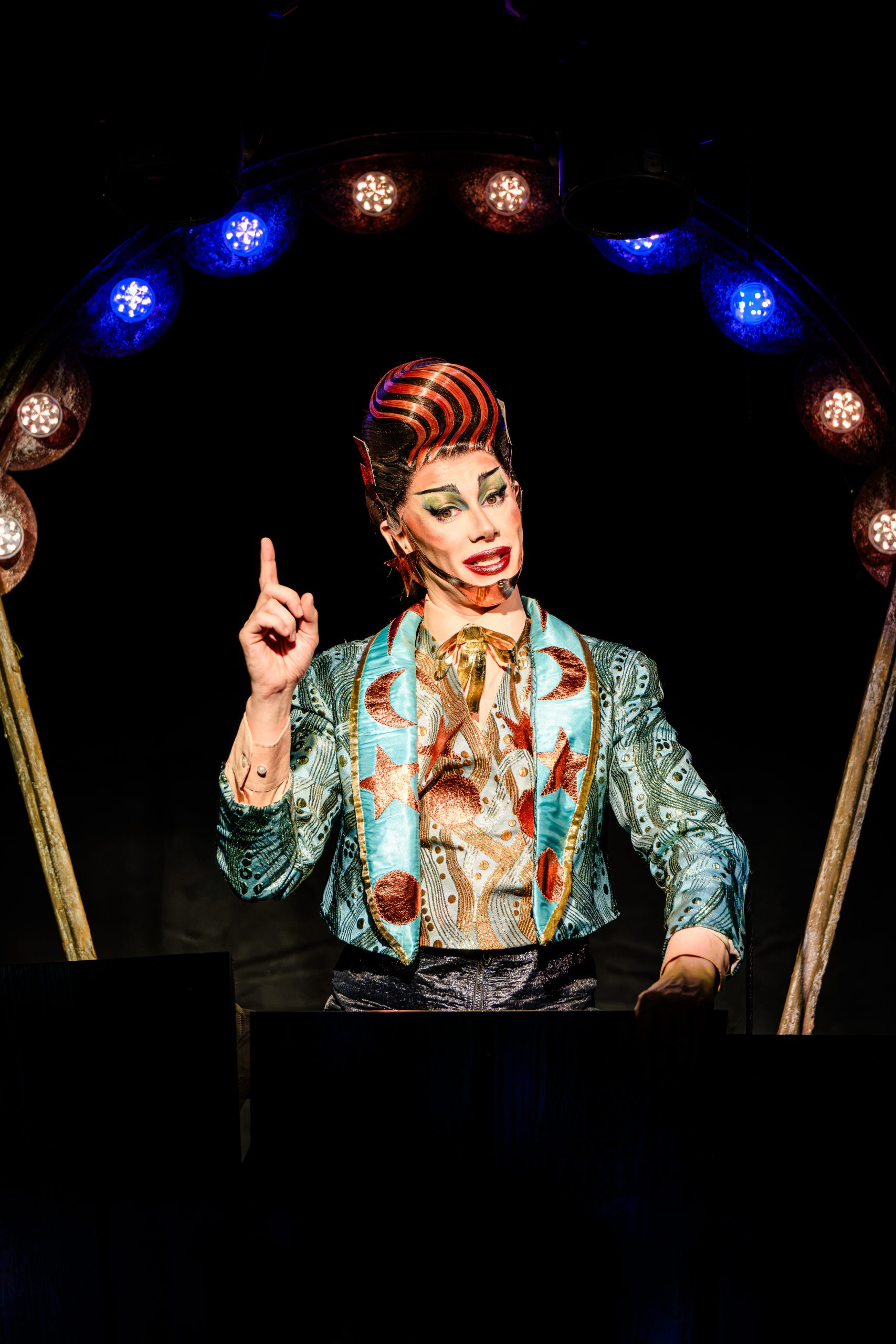
The cult musical follows six members of a Canadian school choir who are killed in a rollercoaster accident and find themselves competing for a single chance to return to life. Presiding over their strange, funny, and unexpectedly moving contest is Karnak, a mechanised fortune teller who knows how every life will end, including his own. Divina may be playing a machine, but her interpretation gradually reveals the sadness, frustration, and compassion beneath Karnak’s authority.
Speaking with 1883, Divina discusses finding the humanity inside a mechanical fortune teller, the lessons drag has taught her about character and connecting with an audience, and the advice that transformed the way she performs. She also reflects on the assumptions surrounding her theatrical career, questions whether drag casting is changing quite as quickly as it appears, and explains why Ride the Cyclone ultimately reminds us that every life, however strange, difficult, or brief, is miraculous.
You are the first drag artist to play The Amazing Karnak in Ride the Cyclone. When you were offered the role, did that distinction immediately feel significant to you?
Honestly, I don’t know. I treat every role as its own separate entity. Unless I’m doing panto, where a bit of Divina might creep in because that is almost required, I’m trying to bring as much of the character that is in the script to the role as I can.
Of course, as an actor, you always bring yourself. This is my voice, my face, and my body. There are things my body will do that feel right, but would feel strange if somebody else did them. You have to find who that character is within yourself.
Hugh Grant is always Hugh Grant, whatever role he’s playing. Sometimes he’s posh Hugh Grant and sometimes he’s another version of Hugh Grant, but a lot of roles are written with him in mind because he brings more of himself to the character. I approach it from the other end. I’m trying to find Karnak, rather than bring Divina to Karnak.
Lizzi Gee, our director and choreographer, and Eva Sampson, the associate director, have been fantastic. They’ve really allowed me to explore that line between being a machine and being a humanoid robot.
For anyone who doesn’t know Ride the Cyclone, who is Karnak, and what exactly is this rather alarming game he is running?
Karnak is a mechanised fortune teller. If you’ve seen Big, it’s that sort of fortune-teller-in-a-box vibe. But Karnak is different. We’re in this limbo space, and he is almost running a game show.
There are six teenagers who have died while riding the Cyclone rollercoaster. We meet the first five at the beginning, and then the sixth appears slightly later as the mystery contestant. The show is about them talking through their lives and trying to win another chance at life. Karnak can bring just one of them back, and they have to reach a unanimous decision about who that will be.
It’s incredibly high-stakes, but also incredibly fun. The music is fantastic too. The cast and I have all been trying to decide whether we have a favourite song, but they are all bangers. There isn’t a track that would make me think, ‘Oh, skip this one.’ Every character gets something brilliant, and they are all so different sonically.
It’s also found the perfect home at Southwark Playhouse Elephant. It’s such a wonderful space for this show. The room is small, so you’re close to the action wherever you sit. The show has this huge cult following, and some people have known the music for more than a decade, but have never seen it live. Our audiences have been joyful.
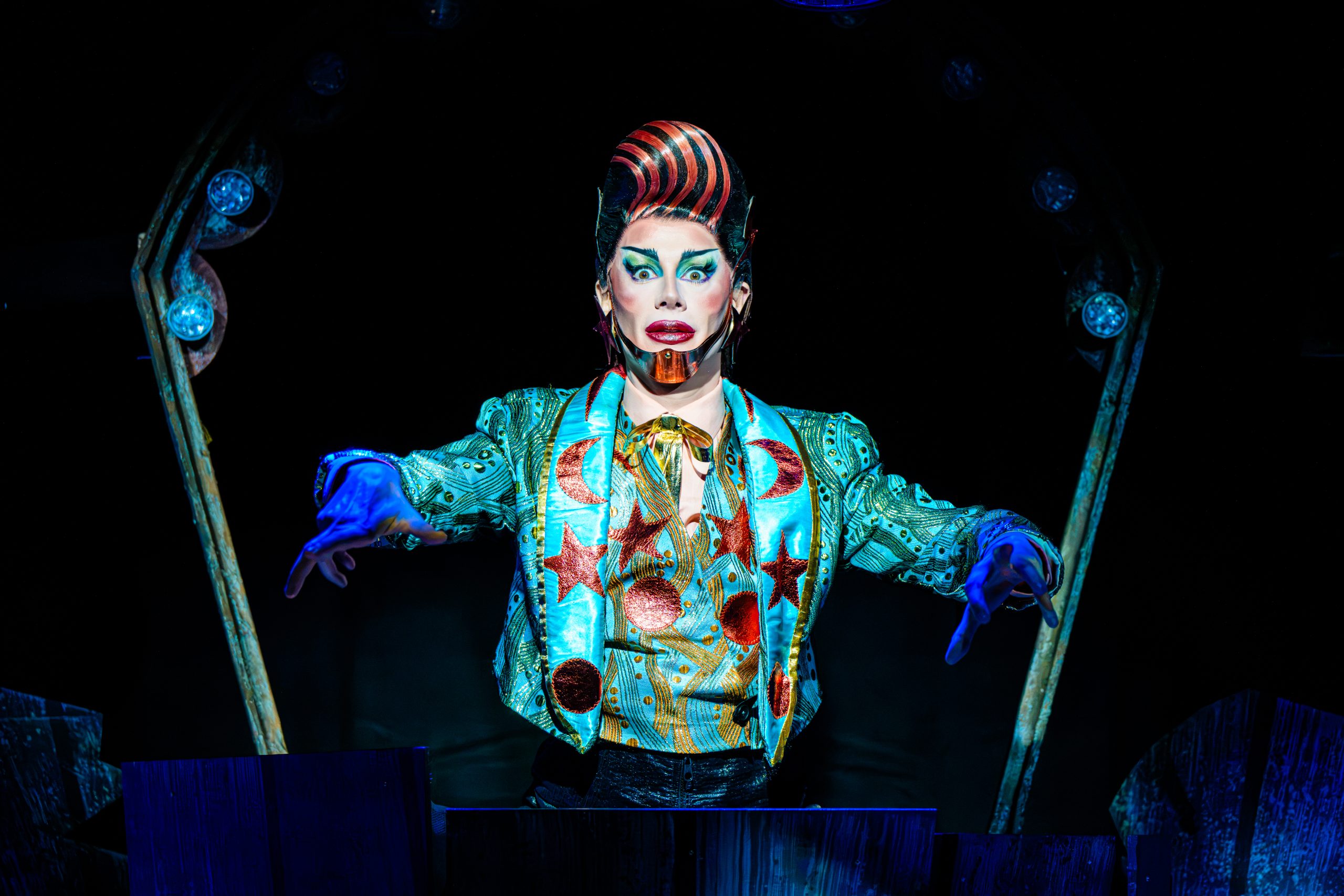
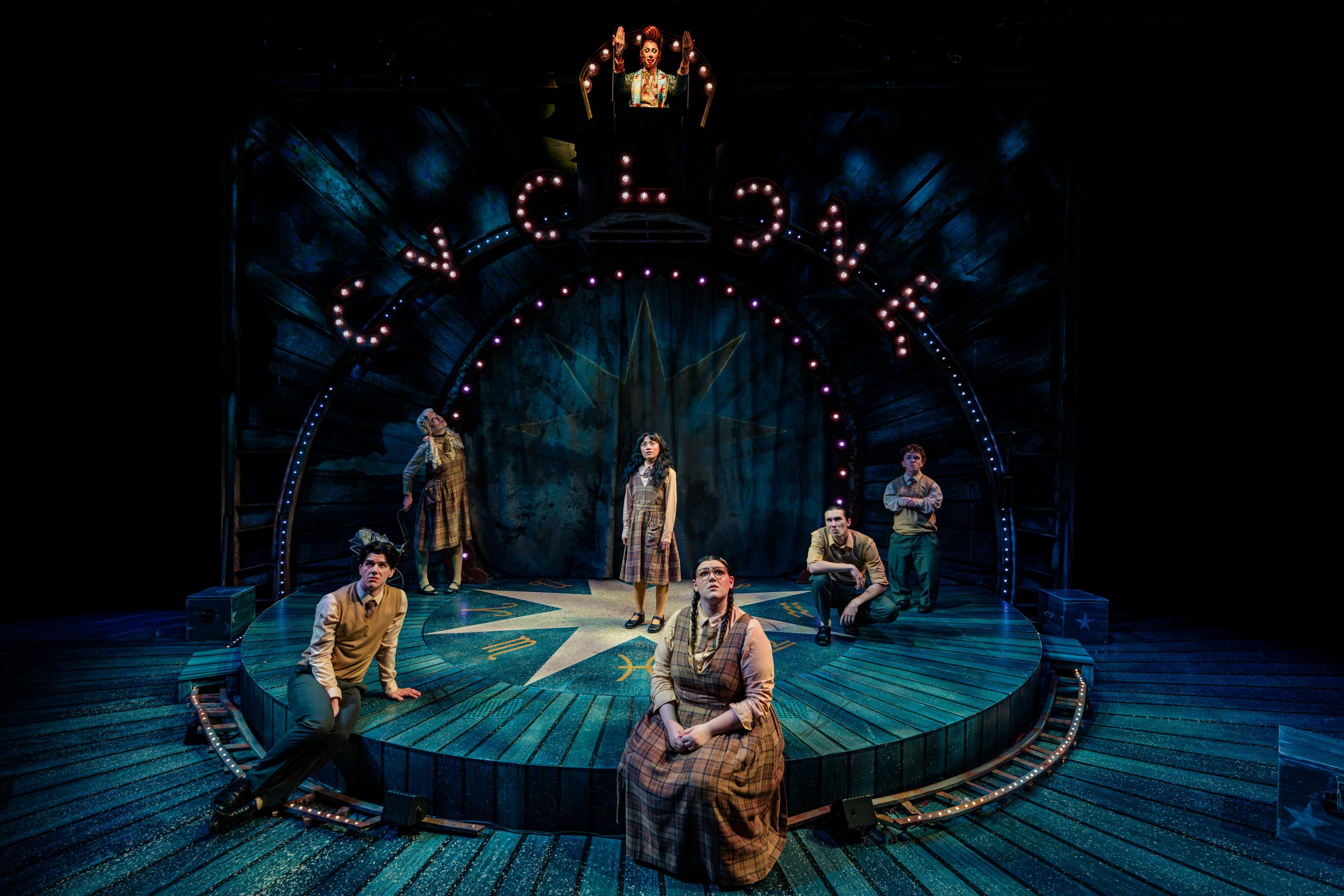
Karnak is a machine, a fortune teller, a master of ceremonies, and the person controlling the game. What interested you most about the vulnerability beneath all that authority?
The vulnerability was what I really wanted to dig into. There are only a few points where you can highlight that there is a sadness to this character. He can only bring one of them back, and near the beginning he says, ‘I felt their hopes, thoughts, and dreams.’ Not ‘I know them’ or ‘I read them’. He felt all of that internally. There is a sadness in Karnak because he doesn’t have the ability to save everybody.
He is also looking at his own demise. A rat is chewing through his power cable, and he knows he only has a little over an hour left. He has spent his entire existence knowing everything. He’s omniscient. He can see everybody’s future, right up until the moment when he no longer knows anything.
Those moments make Karnak far more interesting than simply being a little machine that says things. He genuinely feels. There are emotions, frustrations, and sadness in there, and Lizzi and Eva gave me the freedom to find those places.
How much humanity do you see inside the machine?
He cares about the outcome for these kids, but he is also directing them towards where they need to get to so that they can be at peace with whatever happens next. It’s almost like a therapy session for each of them.
Some take much longer than others to reach that point. You’re watching the journey each character makes before they can stop being completely wrapped up in themselves and begin thinking about one another, their lives, and what they have all been through. Their first instinct is naturally to protect themselves, and Karnak is helping them move beyond that.
What elements of your experience as a drag performer have proved particularly useful in creating Karnak?
Characterisation is a big one. I used to do lots of mime. I’m an older queen, so we called it mime rather than lip-syncing! You have to find the character within a number very quickly. The very best queens can move their mouths and make you believe that voice is coming out of them, whether it’s Liza Minnelli, Barbra Streisand, Sinéad O’Connor, or Whitney Houston.
For me, it was about listening to the breath, how much aspiration somebody uses, and how clean the tone is, then recreating it muscularly yourself. That translates to the audience, and suddenly they’re wondering whether you’re really singing. Vanity Case is fantastic at that. Armani Divine can walk onstage and instantly become Tina Turner or Shirley Bassey. Every little nuance is there.
The other thing drag and cabaret taught me is how to build a relationship with an audience very quickly. In theatre, you usually have a fourth wall, and the audience are voyeurs rather than part of the action. In cabaret, everybody in the room has to become part of the show. You have to pull them into what is happening.
I came from a contemporary arts background, where everything was blank and neutral, and you didn’t acknowledge the audience. I had to shed that very quickly when I began working in drag, otherwise I had no ability to work a room.
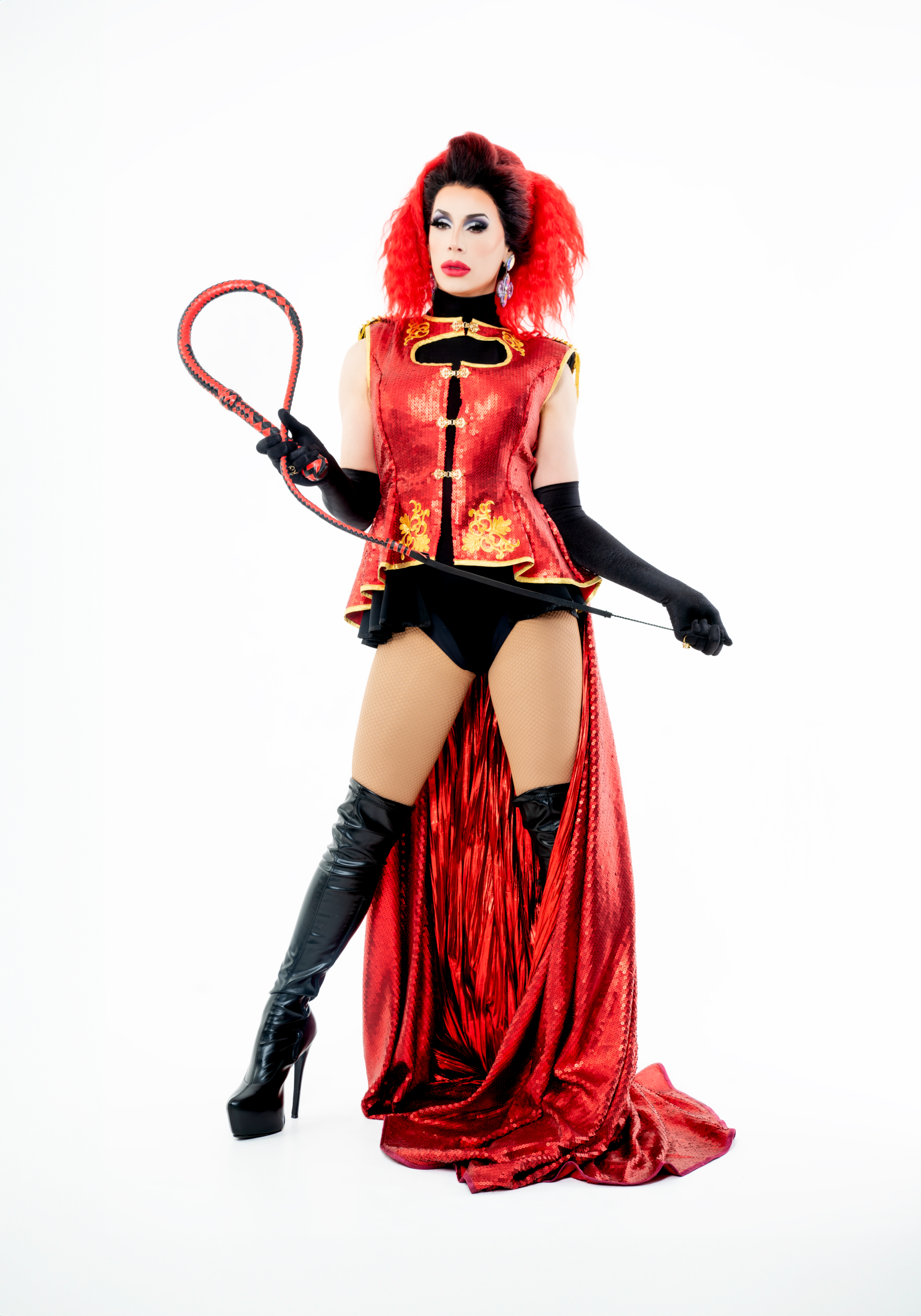
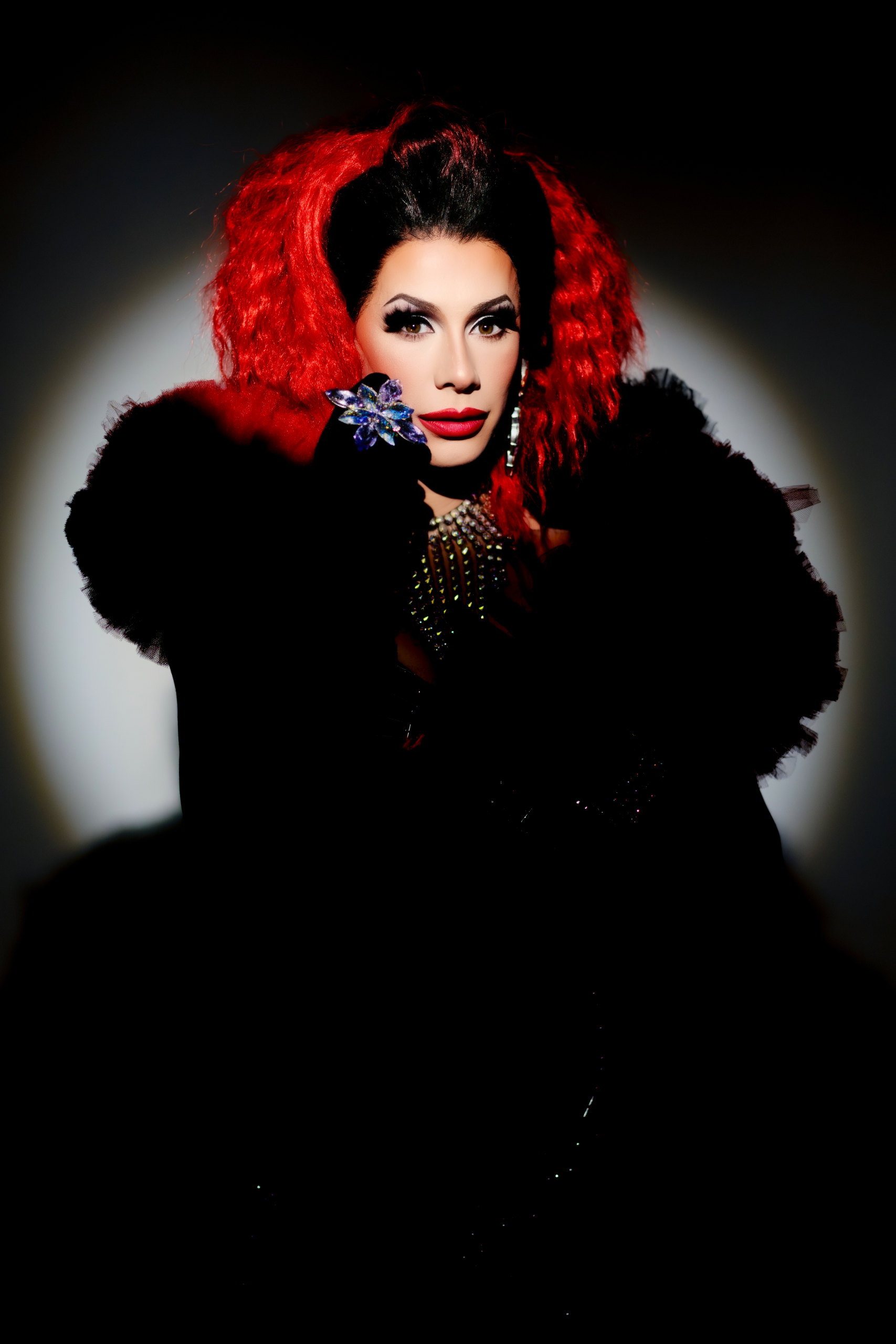
You once received a piece of advice from Son of a Tutu that changed the way you performed. What did she tell you?
I entered Drag Idol, partly to be seen in different venues. At a heat in Halfway to Heaven, Son of a Tutu gave me the best advice any queen has ever given me: ‘It’s not enough to beat people around the head with your talent. You have to make them love you.’
That was a lightbulb moment. It wasn’t enough for me simply to be great onstage. I had to be a human being, genuinely love all of those people in front of me, and be open to them so that they could do the same for me. That is how you really bring an audience in.
Because Karnak is a machine, none of that can be there at the beginning. I introduce it slowly, allowing the audience into his world over the course of the show. Learning to work a stage, and to be open and vulnerable, has been incredibly useful. That openness creates the relationship between performer and audience.
You had already been making theatre for 20 years before RuPaul’s Drag Race UK. Is it frustrating when people assume you only moved into theatre after drag?
It’s funny because, as I said, I come from a contemporary arts background. I was rolling around naked in jam, making weird sounds with my voice, dancing in sand, and doing all of that sort of thing! But I’ve had such varied experiences, and I’ve been incredibly lucky.
I was the dance development officer for Anglesey, working throughout North Wales, and I learnt Welsh so that I could teach in Welsh. I then became a dance facilitator in a school, teaching GCSE and A level students. I set up a boys’ dance company, and they performed in the Christmas show, which had never happened there before.
I later worked in theatre in education, using dance and drama to discuss subjects such as drugs and sexual health. Sometimes it was easier for young people to ask questions of somebody outside their usual orbit than to approach the adults already in their lives.
Then I spent two years in Ibiza performing in a dance show, came back to teach dance and drama, and continued making theatre and cabaret work. Looking back, I don’t know how I did all of it.
I get assumptions from both sides. Some people in theatre think, ‘She’s only here because she was on television.’ Others think, ‘She never got a job in theatre, so she started doing drag.’ In reality, ideas around gender performativity ran through my degree and training. I’ve been making theatre for 20 years. All these pieces of string are tied together, and people keep asking me to do things. Luckily, I can.
Why do you think theatre has sometimes been slow to recognise drag’s transferable performance skills?
Honestly, I don’t think it has. The issue is that drag itself fell out of favour during the late 1990s and early 2000s. There wasn’t much drag on television beyond Lily Savage, whereas before that it was everywhere. Drag was always part of comedy, variety, British theatre, and British culture.
When Julian Clary said something rather naughty about Norman Lamont at an awards show, I think that may have contributed to drag being seen as too dangerous for mainstream television. Julian isn’t a drag artist, but he is drag-adjacent. You can see a shift in how safe drag was considered for mainstream entertainment.
There were also valid conversations about roles traditionally played by men in drag being given back to women. My understanding is that there was once discussion about casting men as the witches in The Wizard of Oz, before somebody pointed out that there are already far too few roles for women over 30.
Creating more space for women, particularly older women, is incredibly important. The lives women lead bring so many experiences and pressures to a role. Men get it easy. We just do.
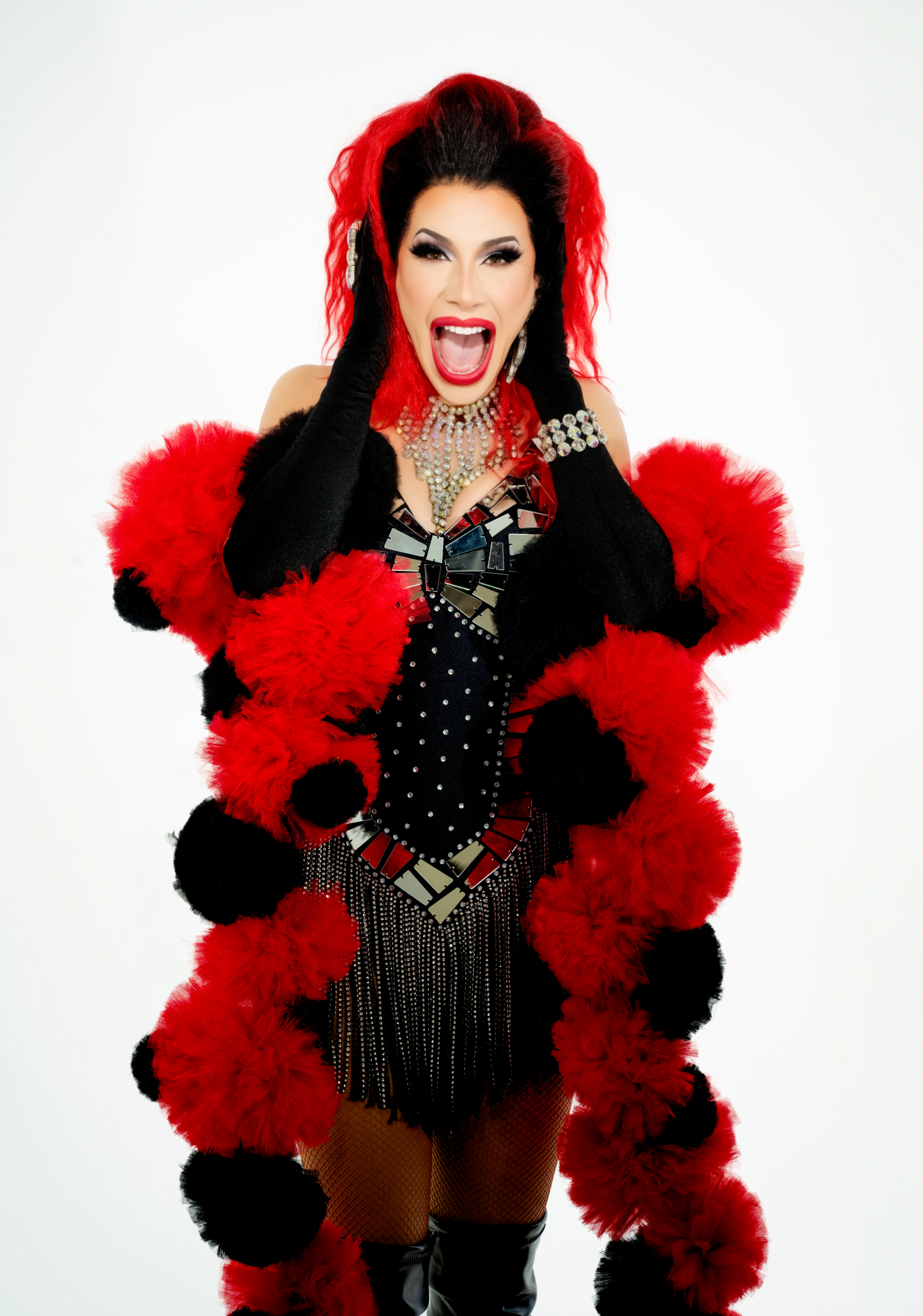
We’re now seeing drag performers in increasingly substantial musical theatre roles, including Jinkx Monsoon as Judy Garland in End of The Rainbow (my review here), River Medway in Here & Now and Unfortunate, and La Voix as Miss Hannigan in Annie. Does it feel like a genuine shift?
I’m not sure it is as significant a shift as it might appear. In some ways, the same thing is still happening: people with public recognition are given opportunities they might not have received before. Theatre and television have always asked, ‘Who has name recognition? Who will put bums on seats?’ That person can then help create space for other performers.
But fantastic artists without that level of television recognition are also being seen. Mary Mac has appeared in Everybody’s Talking About Jamie and La Cage aux Folles. She trained at a conservatoire, has worked on the cabaret circuit for 20 years, and is now feeding back into theatre. Myra DuBois is going into Titaníque, and Danny Beard is doing the Lily Savage story. Plenty is shifting, but more slowly than it may seem.
Drag artists are often used to being responsible for every element of their own work. Do you think bringing that all-round creative instinct into a production ever be a double-edged sword for a director?
Drag artists are in charge of everything they do. They are the director, choreographer, sound engineer, lighting designer, costumer, wig stylist, make-up artist, and the entire glam team. They understand every part of the process.
That can mean I have to remind myself, ‘NMP: not my problem.’ It is somebody else’s job, and I need to be quiet unless they ask for my opinion!
At the same time, a drag artist brings that broader view into the room. As well as being an actor, singer, or dancer, you think about how the whole thing is presented. Even a solo entertainment show needs an arc. Where do I build and hype the audience? How do I hold them there? Where is the release? How do I build to the climax?
My current Pride show takes everybody to school to earn a BTEC or an ‘NVQ’, which stands for ‘Not Very Qualified’. There is a storyline and a throughline. Drag artists bring those directorial instincts with them. Also, you probably aren’t employing a drag queen unless you want a little make-up craziness!
I’m still performing some of those Pride dates during the run, and the wonderful Nathaniel Purnell stands in for me. He’s our super swing, covering all three male roles and Karnak, and he has even covered Ocean. The amount of information he keeps in his head is mind-blowing. I struggle to say my own lines, and I only have one track!
Would you like to reach a point where a drag performer being cast as Karnak is completely unremarkable?
I’m a firm believer that anybody can play anything. Just because you’re six foot two doesn’t mean you can’t play Seymour Krelborn. There are preconceived ideas that you must look a certain way to play a character, but that isn’t how humans work. You can be a great big, hulking, hairy man and also be incredibly shy. Those people exist.
Don’t put somebody in a box because you don’t immediately see them as the role. Let them into the room. Let them show you what else they can be. That is what actors do.
Musical theatre has some of the most exceptional actors, singers, and dancers in the world. They deliver every night while finding something new enough to keep it alive. Every conversation and thought must feel as though it is happening for the first time.
Were you aware of the show’s cult following before you joined, and did that create an extra sense of responsibility?
Honestly, I didn’t know it. When I was asked to audition, I watched clips, did a lot of reading, and listened to the soundtrack. I immediately thought, ‘I have to audition for this.’ It’s bonkers, funny, heartfelt, and emotional. The whole show is a rollercoaster.
Once I saw how people interacted with it online, I understood how special it was. People have a visceral emotional connection to this show. Many have known it for ten or 15 years, know the music inside out, and have watched clips online, but have never seen it live.
Lizzi and Eva gave me freedom, so this Karnak is very different from previous interpretations. That is a risk with a cult show because people have a fixed idea of who he is. Thankfully, audiences have found something new and fresh in this version.
I didn’t see anything negative about the casting, although I don’t read reviews until I’ve finished a show, and I avoid reading too much online. People arrive with their own ideas, and you have to let them. Nobody knows what anybody is capable of until they do it.
When audiences leave Ride the Cyclone, what do you hope they are thinking about Karnak, the six young people, and the value of a life?
I hope they take away exactly that – the value of a life. We’re on this piece of rock covered in water, flying at thousands of miles an hour through space, in the middle of the Milky Way, which is among billions of other galaxies. We don’t know whether there is any other intelligent life out there. In terms of how much there is to know about the universe, we know almost nothing.
Life itself is a miracle. The parameters that allow it are so infinitesimally small that the fact we are here at all is extraordinary. Humans are such an interesting, weird, and bizarre species. We do such strange things. We are amazing, bonkers, awful, and wonderful. We are all of these complicated juxtapositions, and that is what makes us so interesting.
It is a genuine miracle that we are even here. I hope people leave the theatre valuing just how crazy, bonkers, difficult, and wonderful life really is.
Ride the Cyclone is playing at Southwark Playhouse Elephant until 22 August 2026.
Book tickets at southwarkplayhouse.co.uk
Words by Nick Barr
Production photography by Charlie Flint