Scalp care has officially become skincare. There are exfoliating acids for your roots, serums promising to rebalance the scalp barrier, pre-shampoo treatments, clarifying washes, masks and increasingly elaborate rituals all designed to give the skin beneath our hair the same attention we’ve been giving our faces for years.
Then there is the word detox. It’s an appealing proposition, particularly if your routine involves a steady rotation of dry shampoo, styling cream, hairspray and the slicked-back bun that has seemingly refused to disappear. But does your scalp actually accumulate enough “toxins” to require a reset or has beauty simply found another part of the body to over-treat? The experts, it turns out, are far less excitable about it than the marketing.
Your scalp isn’t full of toxins
“‘Scalp detox’ isn’t a medical term,” explains Kate Holden, clinical trichologist and founder of the Kate Holden Clinic “From a trichology perspective, it generally means removing excess oil, dead skin cells, product residue and environmental build-up from the scalp to keep it clean and comfortable.”
In other words, there is nothing mysterious being expelled from your follicles. What we’ve started calling detoxing is essentially thorough scalp cleansing.
Anabel Kingsley, Brand President and Lead Trichologist at Philip Kingsley, agrees.
“Scalp detoxing isn’t a specific trichological treatment. In reality, it’s about keeping the scalp clean, balanced and healthy by regularly removing excess oil, sweat, dead skin cells and product build-up.”
The principle itself makes sense. The scalp is skin, after all — albeit skin covered by rather more hair than the rest of our faces. “Your scalp is living tissue,” Kingsley says. “It produces oil, sweats and sheds skin cells, so it needs regular cleansing in much the same way as the skin on your face.”
So what is building up on your scalp?
Quite a lot, potentially.
Sebum produced by the scalp mixes with dead skin cells, sweat and whatever we apply to our hair. Add dry shampoo, styling waxes, oils, leave-ins and pollution into the equation and it isn’t difficult to see how residue can accumulate.
Kingsley points to greasy roots, flakes, itching, odour and the sense that something is simply sitting on the scalp. Holden describes much the same picture. “Build-up can come from sebum, dead skin cells, dry shampoo, styling products, sweat and pollution,” she says. “Signs can include a greasy or coated feeling, visible flakes or residue, itching and sometimes an unpleasant, sebum-like odour.”
Not every itchy or flaky scalp calls for a clarifying shampoo, though. Persistent flaking, inflammation or irritation can also indicate conditions such as dandruff or seborrhoeic dermatitis, which require a more targeted approach — and aggressively scrubbing at the problem may make things worse.
The slick-back era has a lot to answer for
The beauty uniform of the past few years hasn’t exactly encouraged restraint when it comes to root-level product.
Slick-back buns and ponytails often involve gels, waxes, oils, creams or hairsprays applied directly around the hairline and scalp. Combine that with several days of dry shampoo and suddenly the case for a thorough wash becomes rather convincing.
“Frequent dry shampoo and heavy styling products can contribute to build-up and irritation if they aren’t properly removed,” says Holden.
Dry shampoo earns its place. The trouble starts when it becomes a substitute for shampoo rather than something that buys you an extra day between washes. “Dry shampoo isn’t necessarily bad for your scalp, but it shouldn’t replace washing your hair,” Kingsley says. “It absorbs excess oil and can be useful as an occasional quick fix, but leaving it on the scalp can contribute to product build-up and potentially worsen dandruff or other scalp issues.”
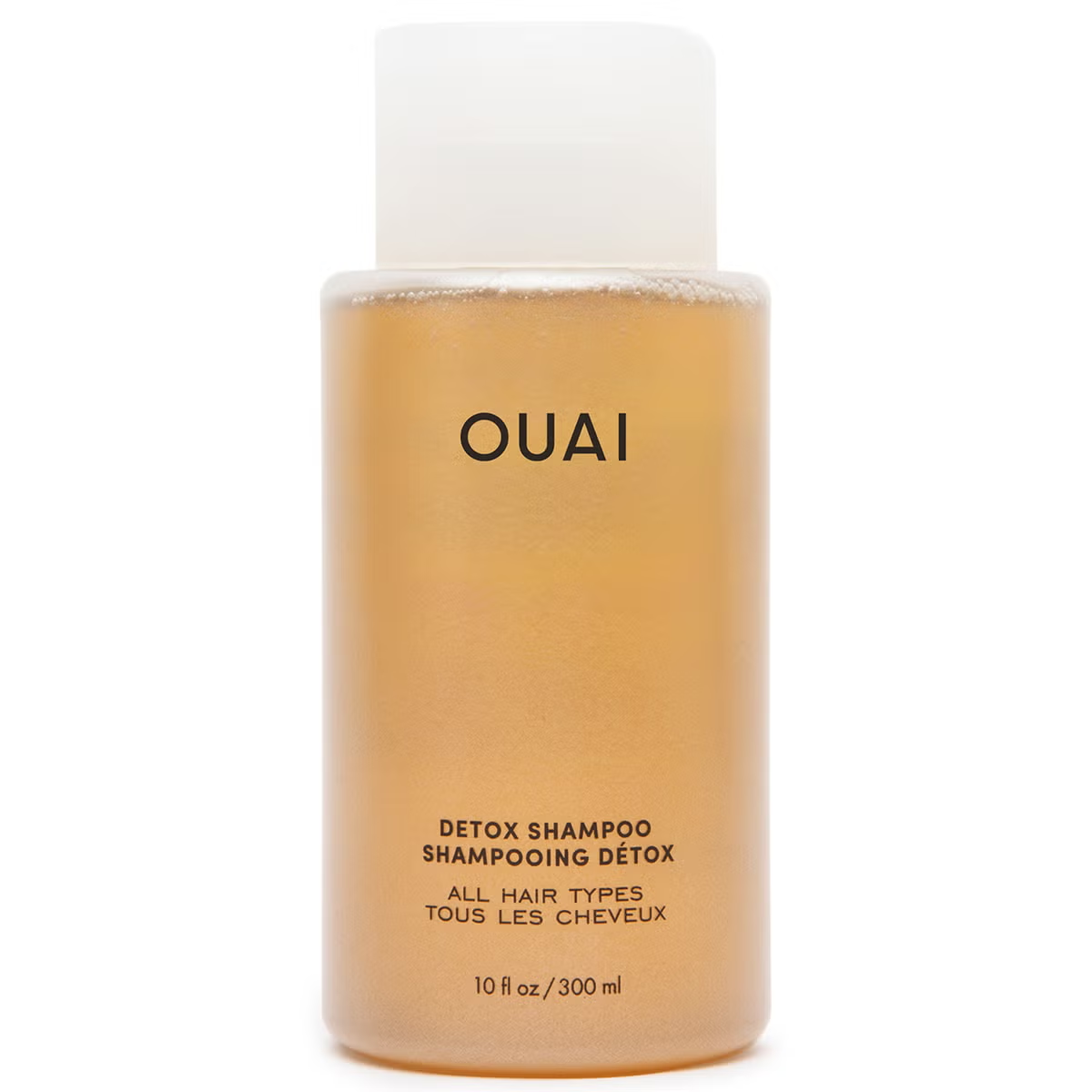
When three days of dry shampoo and a week of styling gel finally catch up with you, this is the moment for a proper reset rather than another layer. OUAI Detox Shampoo is built for precisely that scenario, using apple cider vinegar and chelating agents to lift product residue and hard water deposits. Once a week is plenty; it’s noticeably fragranced, so it isn’t the one for an already irritated scalp.
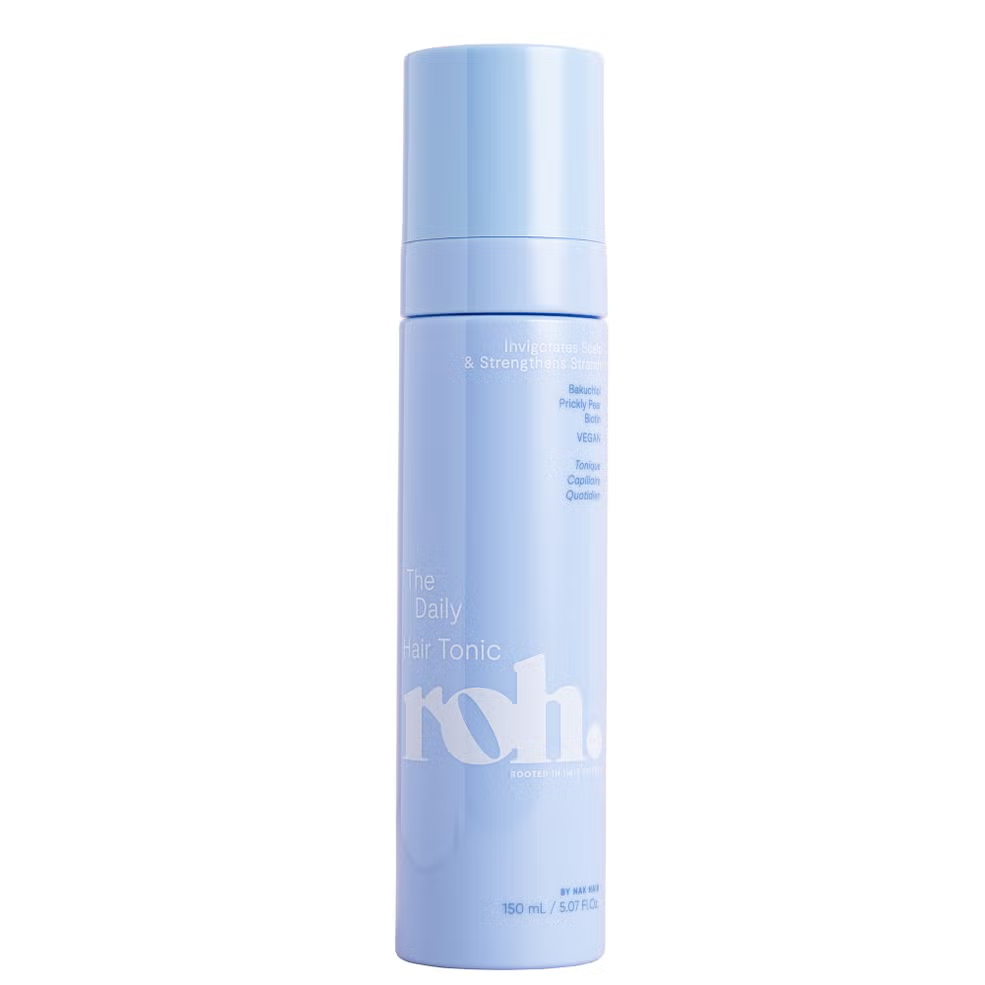
Between washes, a lightweight water-based mist does considerably more for a scalp than another dose of powder. ROH Daily Hair Tonic works well in that gap niacinamide, glycerin and bakuchiol in a spray you comb through from roots to ends.
There’s another problem with the very tight ponytail, too. “Tight slick-back styles can cause scalp tension and can lead to traction-related hair loss and breakage over time,” Holden explains.
So while washing out three days’ worth of styling gel might solve the build-up issue, constantly pulling the hair tightly from the roots presents an entirely different problem.
The case against the scalp scrub
This is where the increasingly complicated world of scalp care starts to unravel. Most people don’t need one.
Kingsley describes regular shampooing as “the foundation of any healthy scalp routine”, and Holden agrees that for the majority of us, “regular shampooing is enough”. Clarifying shampoos can be helpful where there is noticeable product or oil build-up, while exfoliating treatments may be useful for excess flaking, but neither needs to become an automatic part of everyone’s routine.
Where exfoliation is warranted, both experts lean towards gentler chemical exfoliants rather than gritty physical scrubs. Ingredients such as salicylic acid can help loosen excess oil and scale, while lactic acid offers gentle exfoliation. For dandruff-prone scalps, Holden and Kingsley both highlight piroctone olamine, an anti-microbial ingredient commonly used to help address the yeast associated with dandruff.
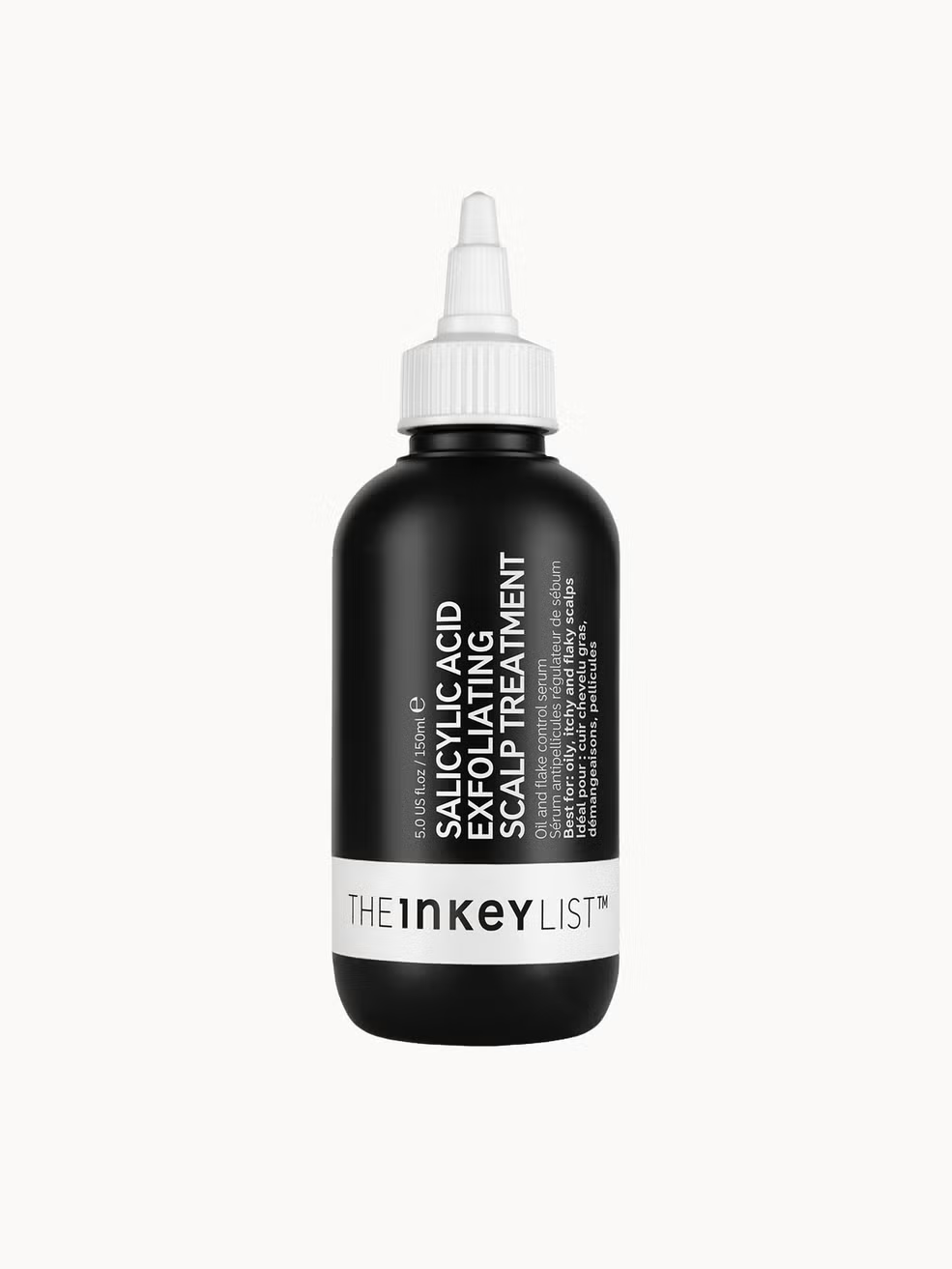
If your issue is oiliness and congestion rather than flakes, The INKEY List Salicylic Acid Exfoliating Scalp Treatment is the plainest way to put that advice into practice: 2% salicylic acid with panthenol, fragrance-free and alcohol-free, applied to the scalp before you shampoo.
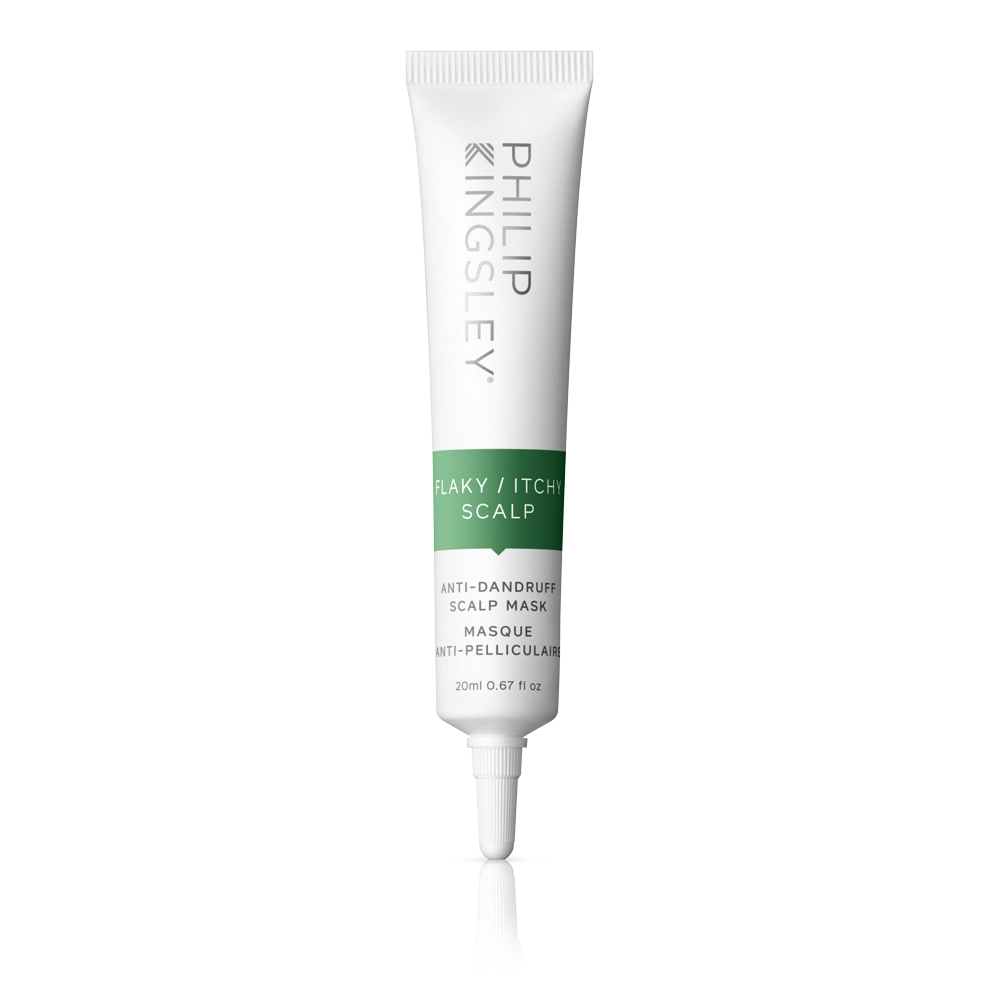
For flaking specifically, Philip Kingsley Flaky/Itchy Scalp Mask is one of the few products that gathers most of the above into a single formula, combining piroctone olamine with salicylic acid, lactic acid and glycerin — no granules involved. Worth noting that Anabel Kingsley, quoted here, is the brand’s president.
Physical scrubs require more caution. “I would avoid harsh physical scrubs and aggressive exfoliation,” says Kingsley, particularly products containing large or abrasive particles. Holden agrees that physical scalp scrubs “can be quite abrasive if used too frequently.”
At what point did we decide our scalps needed sanding?
The scalp barrier is still a skin barrier
The skincare industry’s obsession with repairing the barrier after years spent enthusiastically destroying it with acids should perhaps serve as a warning. The scalp has a barrier too.
“Over-exfoliating can irritate the scalp and disrupt the skin barrier, potentially causing dryness, sensitivity, itching and inflammation,” Holden says. “More treatment isn’t necessarily better.”
It is an important distinction in a beauty culture where feeling something working — tingling, cooling, scrubbing — is often mistaken for efficacy. A scalp that already feels tight, irritated or dry is unlikely to benefit from another aggressive exfoliating acid.
Instead, look for familiar skin-supporting ingredients. Holden recommends glycerin, panthenol, allantoin and ceramides for dry or sensitive scalps, alongside gentle cleansing ingredients. Kingsley also points towards hydrating and soothing ingredients including hyaluronic acid and aloe vera.
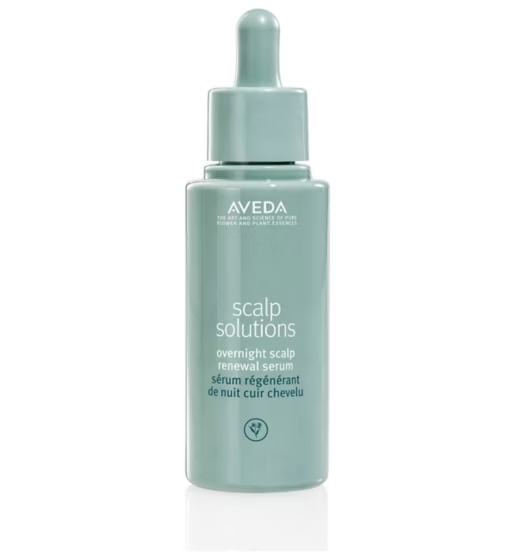
Aveda Scalp Solutions Overnight Renewal Serum is a useful example of what that looks like in practice: hyaluronic acid, glycerin, centella and ectoin, with no exfoliating acid anywhere in the formula. Worked into the scalp before bed, it asks nothing of skin that has already had enough.
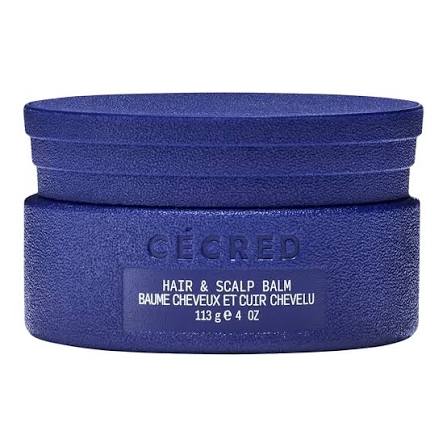
There is one exception to the general rule about oil, and it’s a specific one: a genuinely dry, tight scalp underneath a protective style. Cécred Hair & Scalp Balm is designed for exactly that, melting from balm to oil and leaning on ceramides and honey rather than heavy occlusives. It’s intended to sit on the scalp beneath braids, twists and extensions — not to be layered onto a scalp that already runs oily. It’s also fragranced and contains peppermint, rosemary and eucalyptus oils, so approach with caution if yours is easily provoked.
And there are ingredients worth approaching with more caution. Holden advises being careful with “strong exfoliating acids, high concentrations of alcohol, heavily fragranced products and essential oils”, particularly on an already sensitised scalp.
Kingsley also recommends avoiding the temptation to coat the scalp in oil simply because the rest of your hair appreciates it. “Every hair follicle already has an oil gland producing sebum, so adding additional oil isn’t necessary and can contribute to build-up and potentially exacerbate dandruff,” she explains.
Your dry ends may love an oil. Your scalp is already making its own.
How often should you ‘detox’?
There is no universal scalp reset requirement.
Holden suggests that for many people, shampooing around two to three times per week and using a clarifying cleanser approximately every couple of weeks can be a reasonable framework. But frequency should depend on scalp type, styling habits and how much product is being used. Someone applying dry shampoo daily, exercising frequently and layering styling products at the roots is likely to have very different cleansing needs from someone who applies little more than shampoo and conditioner.
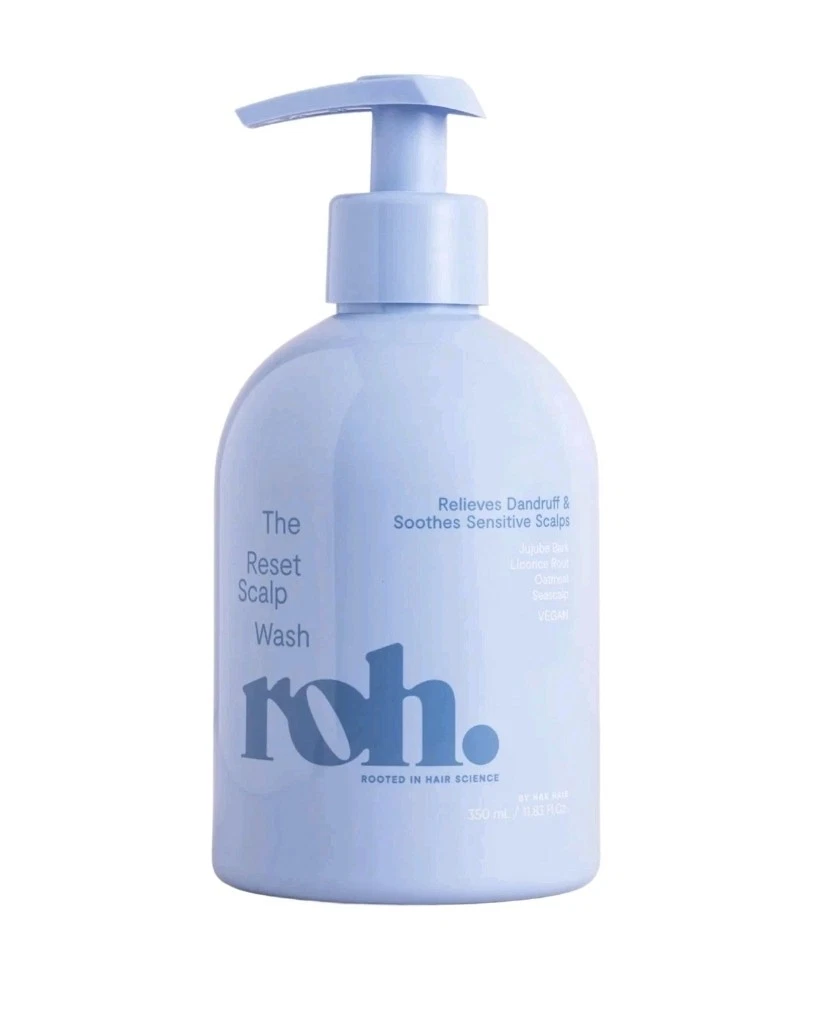
Which is really an argument for a good everyday shampoo rather than a dramatic one. ROH Reset Scalp Wash is a sensible version of that: jujube bark, licorice root and oatmeal to calm irritation, niacinamide, and a mild surfactant base that cleans properly without stripping.
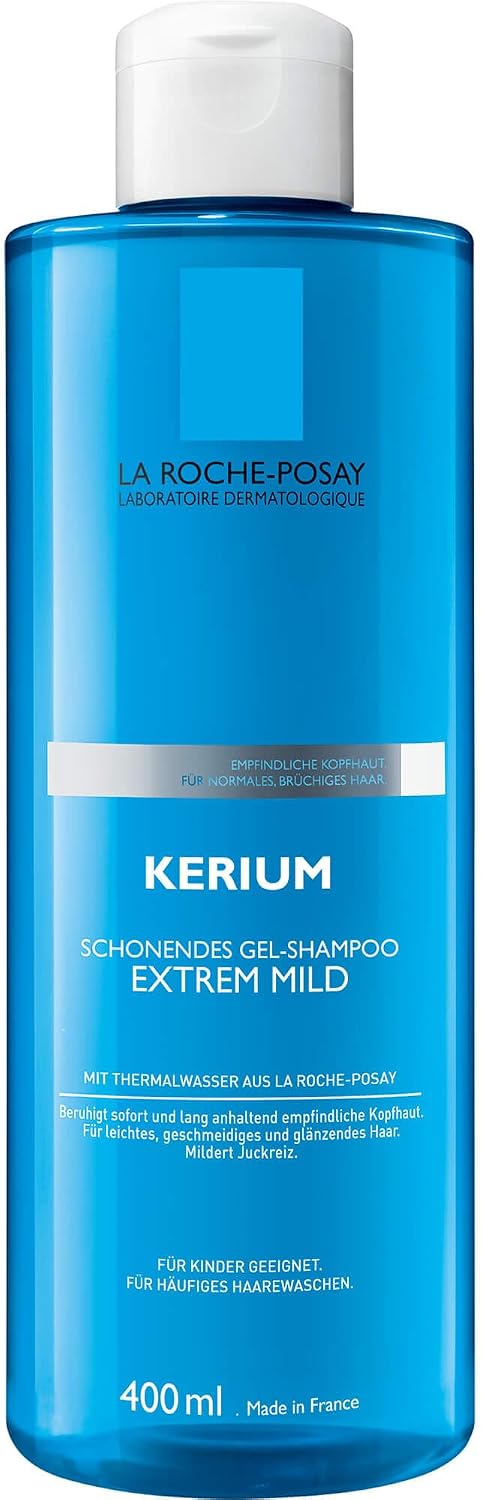
La Roche-Posay Kerium Extra Gentle Shampoo does much the same job from the pharmacy aisle, formulated around the brand’s thermal spring water and designed for frequent use on sensitive scalps. It’s a soothing everyday wash rather than a treatment, which is rather the point.
Kingsley favours regular washing and argues that you shouldn’t need a periodic detox at all if the scalp is being cleansed properly in the first place. “You don’t need to periodically ‘detox’ your scalp if you are cleansing it properly and regularly,” she says.
Equally, a person experiencing persistent dandruff, itching or inflammation shouldn’t automatically respond by increasing exfoliation. “If products and a consistent routine aren’t resolving persistent scalp issues, I’d recommend seeing a trichologist,” Kingsley adds
So, does your scalp actually need a detox?
Not really, at least not in the way the word detox suggests.
There are no mysterious impurities waiting to be purged from the roots. There is simply skin doing what skin does: producing oil, sweating, shedding cells and accumulating whatever we apply on top of it.
For some of us, particularly enthusiastic dry-shampoo users or anyone partial to a product-heavy slick-back, an occasional clarifying cleanse can make sense. Certain scalp conditions may benefit from carefully chosen exfoliating or anti-microbial ingredients. And keeping the scalp comfortably clean is an important part of maintaining healthy hair.
The irony of the scalp-care boom is that in trying to treat the skin beneath our hair as carefully as the skin on our faces, we may be repeating exactly the same mistake we made with skincare: assuming that if a little exfoliation is good, more must be better.
Kingsley puts it more plainly. “Consistency is much more important than an occasional deep cleanse.”