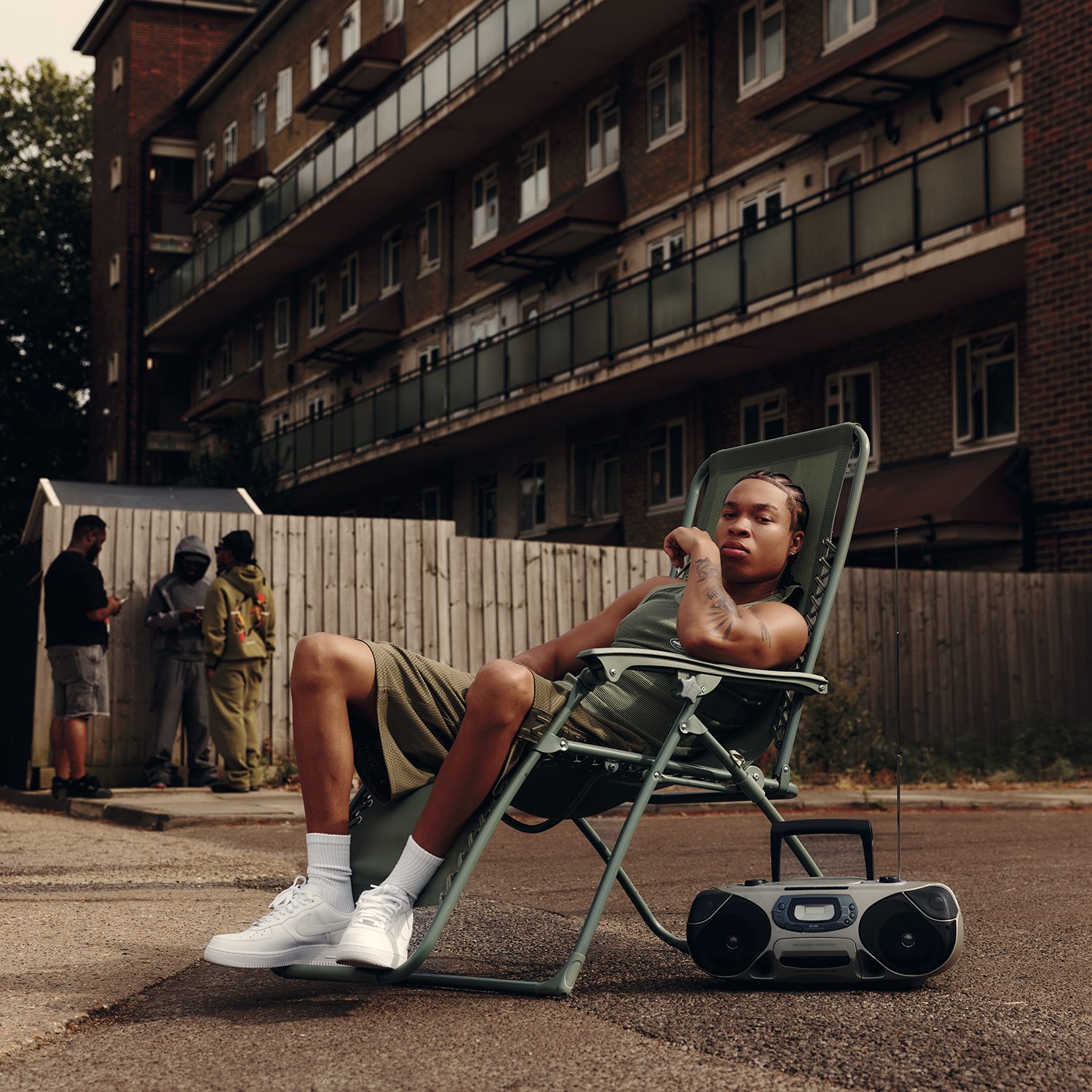
Relocation is often described as a physical shift, but its most striking effects are personal and subtle. New streets and new routines quietly influence behavior. Fashion reacts almost instantly. Before a place feels familiar, clothing begins to change, testing comfort, signaling adjustment, and reflecting emotion. What people wear during a move becomes more than fabric and fit. It becomes a language of transition.
The familiar as a fashion safety net
The initial days of the relocation are prone to look stereotypic. The outfits are repeated, and this is not because of a lack of imagination but because familiarity seems grounding. Such clothes serve as emotional anchors. They carry confidence from a previous life and offer stability when surroundings feel uncertain.
Still, even in this phase, fashion starts responding. A coat feels unnecessary. Shoes feel impractical. Colors behave differently under unfamiliar light. The environment offers constant feedback, and wardrobes adjust without conscious planning. By the time routines form, style has already begun its quiet evolution.
This kind of adaptation mirrors how logistics work behind the scenes. Just as restaurant equipment movers ensure businesses transition smoothly without disrupting daily operations, wardrobes shift efficiently, supporting new lifestyles while keeping change almost invisible.
Geography as an unofficial stylist
Every location has its own physical logic. Climate, architecture, and movement patterns shape what feels natural to wear. Cold environments reward layers and structure. Warm regions encourage flow and breathability. Wind, humidity, and sunlight influence fabric choices more than trends ever could.
Geography also dictates movement. Long commutes, walkable neighborhoods, or quiet streets all leave marks on personal style. Footwear changes first. Silhouettes follow. Fashion learns the landscape quickly, adjusting to make daily life easier rather than louder.
The closet learns to let go
Relocation forces editing. Space changes, storage shrinks or expands, and not every item earns a place in the next chapter. Some clothes are left behind because they belong to a different rhythm of life. Others survive because they adapt easily.
This process often leads to a smaller but stronger wardrobe. Each piece becomes multifunctional and intentional. Style sharpens as excess disappears. What remains reflects a clearer sense of identity, less about collecting and more about choosing.
Cultural signals woven into clothing
Fashion absorbs culture faster than language. Without formal rules, clothing choices begin to reflect local norms. What feels relaxed? What feels polished. What feels unnecessary. Observation becomes the guide.
Rather than copying local style, relocated individuals tend to blend influences. Old preferences mix with new discoveries, creating hybrid looks shaped by experience. These styles rarely feel trendy, but they feel right. They belong to a movement rather than a location.
Relocation often reshapes fashion by:
- Replacing trend-focused outfits with practical essentials
- Encouraging versatile pieces that work across settings
- Blending familiar styles with local influences
- Simplifying wardrobes while strengthening self-expression
Dressing through emotional stages
Clothing also mirrors emotional shifts during relocation. First, fashion protects. Familiar outfits act as armor against uncertainty. As confidence grows, curiosity appears. New colors, textures, or cuts signal openness and exploration.
Eventually, style relaxes. Need to impress or defend fades. Outfits feel natural and unforced. Fashion stops negotiating with the environment and starts belonging within it.
Fashion as a quiet archive
Over time, a relocated wardrobe becomes a record of adaptation. Certain pieces mark early uncertainty. Others represent confidence and comfort. Looking back, these clothes tell a story of adjustment without words.
Fashion does not announce relocation, but it documents it faithfully. Each outfit carries traces of change, showing how identity evolves through movement.
Conclusion
Fashion and relocation are linked in a subtle and unending change. Moving does not dramatically reinvent style, but rather it does so by daily adaptations directed by place, culture, and emotion. Clothes become companions in the process of change, which serves to balance familiarity and discovery. Ultimately, fashion shows that by changing location, identity is not lost; it is perfected, and the style can evolve as life finds its new rhythm.