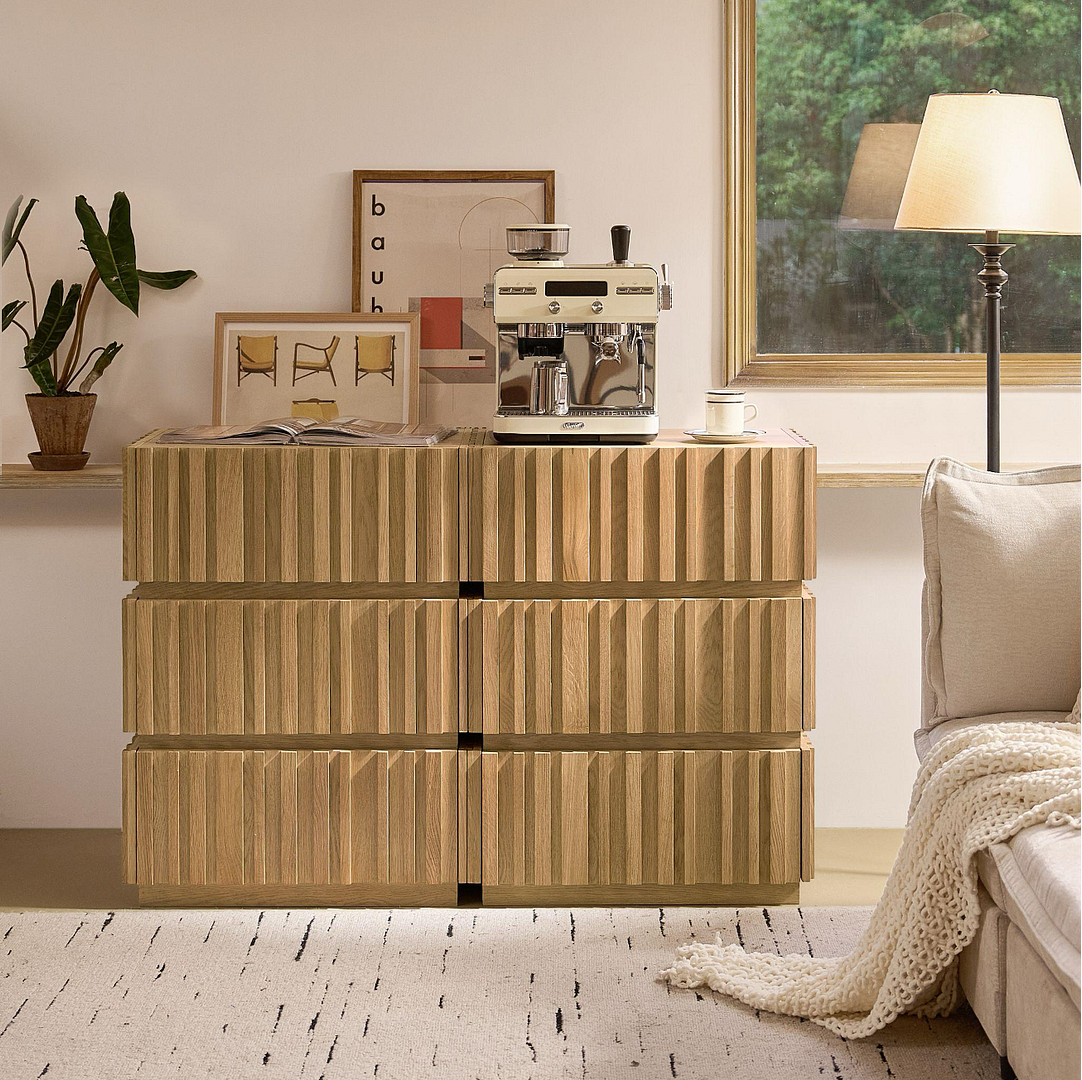
Most furniture is designed for a life that stays still. A fixed wardrobe for a fixed bedroom. A bookcase for a wall that will always be that wall. A storage unit built around the assumption that the room will always serve the same purpose, the household will always be the same size, and the things that need storing will always be roughly the same things.
British life does not work like that, and neither do British homes.
In many British homes, rooms rarely keep the same purpose for long. A spare bedroom becomes a nursery, then a child’s room, later a home office or guest room. Dining spaces double as workspaces, and living rooms quietly absorb whatever daily life demands. Yet the furniture inside them is often expected to remain unchanged, even as everything around it evolves.
The Furniture That Finally Makes Small Spaces Work
The problem with most storage solutions in small UK homes is not that they fail immediately. It is that they fail gradually. They work well enough at first, then become slightly wrong, then quite wrong, then a source of low-level frustration that is never quite significant enough to address directly but persistent enough to make the room feel slightly off.
Modular storage addresses this at the root. Instead of buying a product and hoping it continues to fit the room as the room evolves, you invest in a system that can be reconfigured as the room’s needs change. Units added. Arrangements shifted. Sections opened or closed depending on what is being stored and how the room is currently being used.
The Hulala Home modular cabinet system is built around this principle. It is not a fixed product. It is a flexible framework that adapts to the home it is in.
Stylish Storage for Small UK Homes
There is a widespread assumption that practical storage and attractive storage are different things. That if you want storage that actually works, you accept that it will look like storage. Functional. Necessary. Present.
This assumption is worth questioning. In a small UK home, where the storage is always visible and always part of the room, storage that looks like storage is storage that makes the room feel like a storage room. That is not a small thing. It affects how the room feels to be in, how it looks at the end of the working day when work is done and the room is supposed to be home again.
The Hulala Home modular cabinet collection was designed with this in mind. Open sections for the books, plants, and objects that make a room feel lived in and personal. Closed sections for everything else. Finishes and proportions that read as domestic furniture rather than storage equipment. The overall effect, when a configuration has been chosen with care for a specific room, is of a space that feels considered and calm.
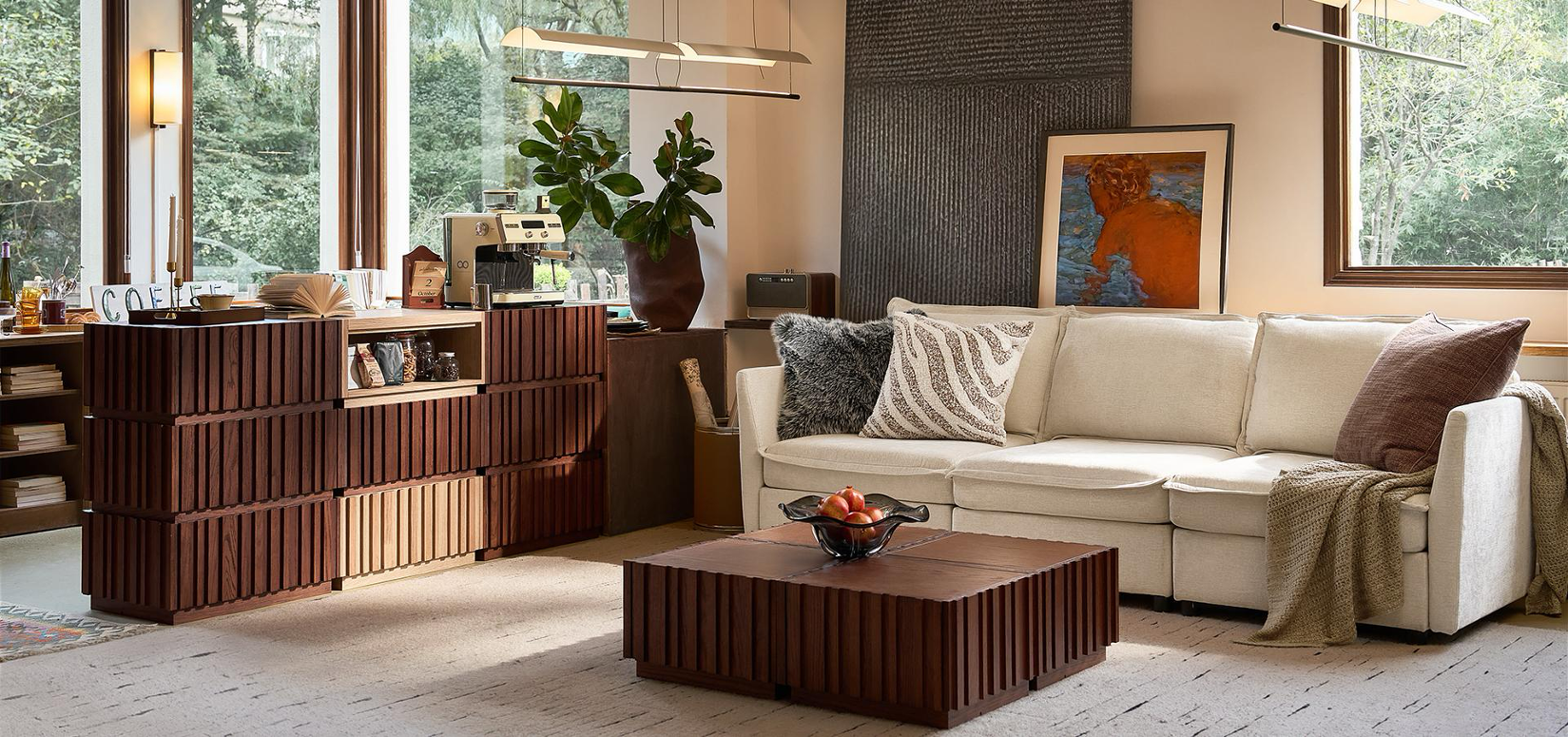
The Life-Stage Dimension
One of the clearest ways to understand the value of modular storage is to think through the life stages a typical British household passes through in the years a piece of furniture might realistically last.
A couple in their first home together. A growing family in a terraced house. Children getting older and needing more space. A return to a smaller home once they have left. A home office that appears and evolves as work patterns change. Each of these stages places different demands on storage. A fixed configuration cannot meet all of them. A modular system can.
This is not just a practical argument. It is also an economic and environmental one. Furniture that adapts as life changes is furniture that does not need to be replaced every time life changes. In a country where furniture disposal is a significant and growing environmental concern, the ability to reconfigure rather than replace is genuinely meaningful.
A Home That Finally Fits
The feeling of a home that works is not dramatic. It does not arrive with a single purchase or a single change. It accumulates quietly as things fall into place. As the storage becomes right. As the rooms begin to feel like they were thought about rather than assembled from whatever was available.
That feeling is available in a British home. It requires furniture that was designed for the homes British people live in, the lives British people lead, and the changes that are always around the corner.
Find out more at Hulala Home UK.