In a world of fashion so dominated by individuality and artistic expression, Anatra Clothing can be seen as a breath of fresh air, one that does not look at garments as their satin-coated counterparts but instead as canvas onto which imagination can be applied. With its headquarters in Chicago, the label has established a unique niche by working with independent artists in the attempt to create original artwork in the form of striking wearable items. Featuring graphic-intensive hoodies, statement tees and articulate street wear staples, the brand encourages their wearers to carry the art with them wherever they are. The core of this philosophy is a strong belief in creativity, community, and pure artistic cooperation. Learn about the vision of the brand at Anatra Clothing.
Art has always been involved in a close relationship with fashion. History has seen designers seek inspiration in painters, sculptors and movements of culture. However what seems to be of particular interest in the modern-day competitive fashion industry is the fact that Anatra chooses to involve artists in the design process themselves. Instead of only mentioning the artistic styles, the brand collaborates with independent artists, and their work is kept in the focus of every design. The outcome is a clothing that is alive, full of story, perspective and uniqueness.
A Chicago born Brand with Creative Energy.
Chicago has been regarded as a city of extravagant innovation. The city lives on artistic diversity, with its colorful street art, famous galleries and music culture. In this atmosphere, the Chicago-based brand Anatra could find the most suitable background to develop. The brand embodies the gritty creativity and vibrant cultural ideas of the city and puts them into a design that is in the moment and expressive. Learners of the history behind the label can check out how the Chicago-based brand, Anatra, is formed and the influence that the city has on forming its identity.
As opposed to most fashion brands that often start with a designer and personal aesthetic, Anatra began with a wider concept: to create a platform where the aspects of art and fashion merge harmoniously. The founders identified the fact that there are many amazing artists who could create amazing work but did not have access to big audiences or business platforms. In his association with these artists and printing their work onto clothing, Anatra discovered a way to give more voice to artistic voices and at the same time redefine the design of streetwear.
The influence of Chicago can be seen not only in the origin story of the brand but also in the visual style. A lot of the collections bear the riskiness of urban murals and modern graphic art. The city has a stratified cultural background at places where buildings, music, street culture, and fine art collide; this is naturally transferred to the layered, visually dynamic clothing in the brand.
When Artists Become Designers
The collaboration philosophy is what truly makes Anatra stand out of the other traditional fashion brands. Every line is the result of collaborations with independent artists who introduce their visual vocabulary, theme, and narration methods. The brand also considers artists as the focus of the design process, rather than as an outsourced element to the design process.
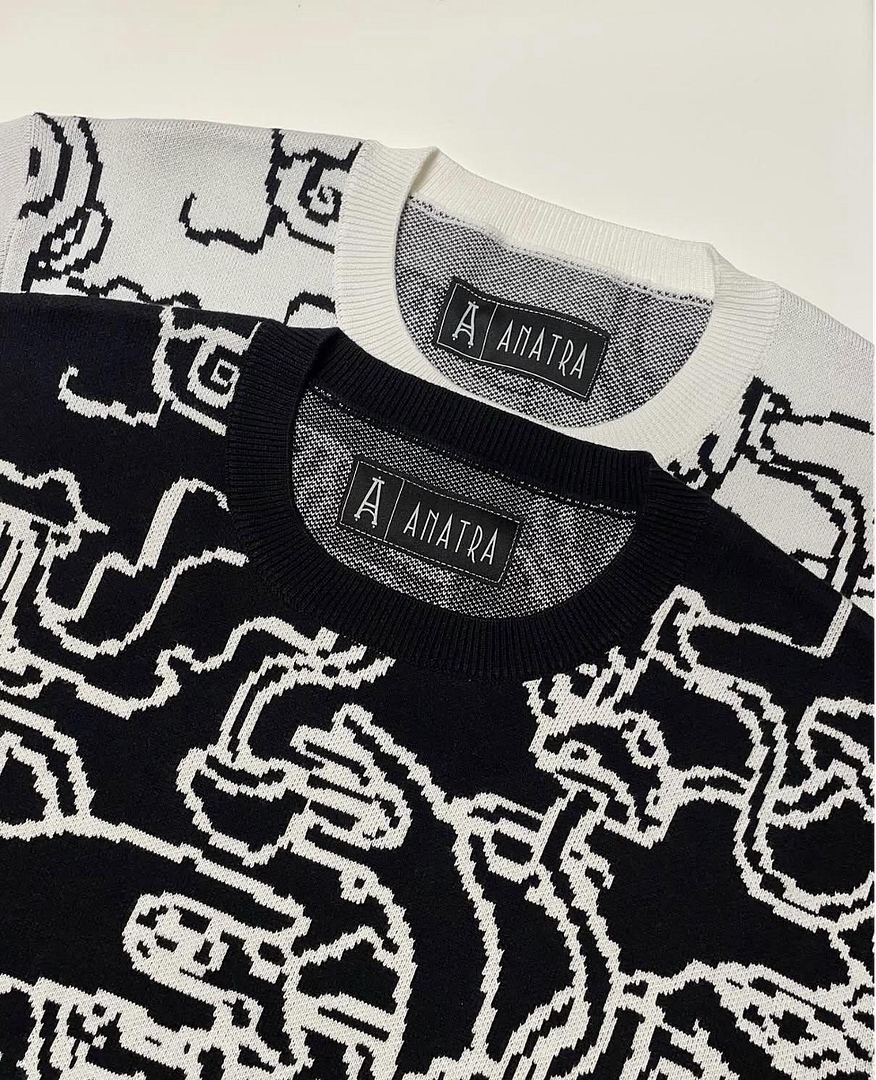
This strategy changes the clothing to something more than merchandise. Every design is a representation of the artist who did it. In other cases, the art work is characterized by surreal drawings or a flashy typography. At other occasions it may involve abstract works, pop-art, or social comment. The works are authentic regardless of the style and appeal to the current generation, who want to find a sense in what they wear.
In the case of the involved artists, such collaborations can provide another type of valuable thing, which is visibility. Artists are able to connect with people who might never see the traditional gallery through the platform of the brand. This makes fashion a very unforeseen yet a potent platform of artistic exposure.
The Emergence of Art-Inspired Streetwear
The fashion of street wear has changed significantly in the last ten years. It was characterized mainly by the influences of skate culture and casual sportswear, but currently it crosses to the high fashion, contemporary art, and cultural narration. Anatra is well positioned in this dynamic flow, as it is a sign of a new generation of labels that merge the disciplines.
Art inspired clothing is very much close to the streetwear ethos in most aspects. Art and street culture both emphasize originality, experimentation, and self-expression. A combination of the two can be shocking, as the clothing can speak volumes before the first word has been uttered.
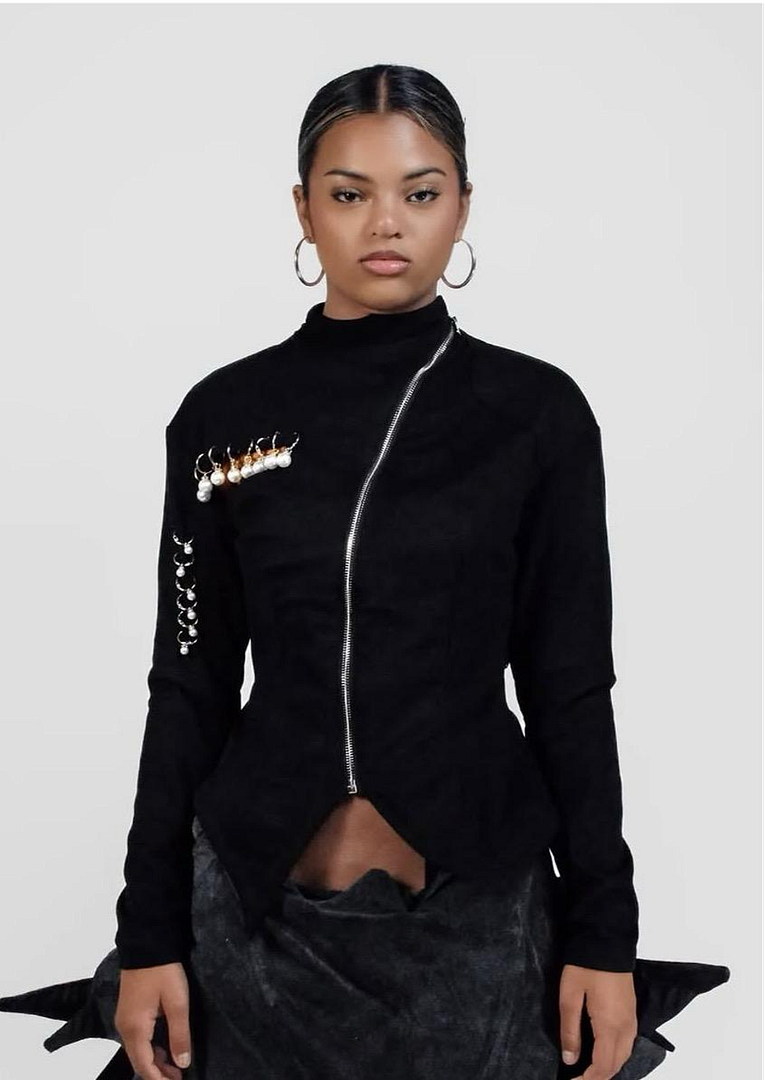
This is reflected in the collections of Anatra. One artwork can feature a vivid drawing or provocative image that can bring up a discussion. The designs are more toward bold visuals that cannot be overlooked as opposed to subtle branding or minimalism. However, even being expressive, the clothes are wearable and can be applied to just any wardrobe.
This harmony between aesthetic and functionality is needed. The brand is not focused on producing museum works that are to be displayed only. Rather, it creates apparel that is made to travel with everyday life, on the streets of cities, in creative studios, during concerts or where people assemble to express themselves.
The Collective Spirit Behind the Brand
The idea of community is at the heart of the brand philosophy. The collaborative network of the company, also known as the Anatra Collective, is a developing community of artists, the work of which finds its way into the visual image of the clothes. Every artist brings something new on every occasion, a constantly changing aesthetic landscape.
The concept of a collective is more profound in creative industries. A collective focuses on a shared inspiration and collaborative development rather than placing one designer in the role of the only creative force. In the case of Anatra, this implies that each new collaboration will introduce new visual vitality into the brand.
The evolving network of contributors can be explored by those interested in the creatives behind the artwork, where the stories and the perspective of the participating artists become a reality through Anatra artist collaborations.
The collaborative model allows Anatra to create clothes, as well as cultivate a cultural ecosystem. Artists also encourage each other, exchange ideas and create a common creative platform that goes beyond fashion.
Wearing Art as Identity
Fashion has always been a strong means of identification. Since uniforms imply profession and personal style implies personality, clothes convey minor messages of who we are. Fashion inspired by art reinforces this concept and adds to it the layers of meanings and interpretation.
When one wears a graphic work of art that is created in an artist collaboration, then he or she is wearing a story. The art can display subjects of urbanity, self-discovery, nostalgia, or abstract emotion. Every design is open to interpretation making the clothing an invitation to a conversation.
In this regard, Anatra works can be considered portable galleries. The piece of artwork goes with the wearer, as it will be seen in normal places much further than the walls of the museum or the gallery. This concept is quite alluring to most art enthusiasts, as they get a chance to incorporate creativity into their day-to-day lives.
A Different Approach to Fashion Culture
The fashion world can be a race to the top in terms of speed due to the fast cycles of trends and the need to reinvent the seasons constantly. Art inspired brands are more likely to be grounded on storytelling and expression, rather than short lived trends.
Anatra is indicative of this more deliberate style. The brand focuses its collections on partnerships with artists, a move that helps to make the brand switch the discussion to not about seasonality but rather long-term creative value. Every collaboration is a time-piece – a mirror of the vision of an artist and the surrounding culture.
This philosophy appeals to contemporary consumers who are finding more and more demand on the products that they endorse in terms of authenticity and meaning. Rather than following the trend, most shoppers are seeking labels that reflect values, creativity and cultural attachments.
The Future of Creative Collaboration in Fashion
Since fashion keeps changing in the digital era, it is becoming increasingly common to have artists and brands collaborate with one another. However, the success of such alliances is pegged on genuineness. Consumers are able to get the vibe of a genuine artistic collaboration and when it is strictly commercialized.
This is precisely the idea behind the approach by Anatra since the artists are still at the heart of the creative process. The clothing is defined in their work and is not just imposed on it through decoration. This focus on the authenticity can probably be the future of fashion that is supported by art.
The opportunities are promising in the future. New technologies, including platforms of digital art, augmented reality and online creative communities, might increase the possibilities of artists in collaboration with fashion brands. To businesses whose foundation is on artistic relationships, this development provides infinite possibilities.
In the case of Anatra, the way ahead is probably to keep on finding new voices, experimenting with new visual aesthetics and seeing what art-inspired clothing can become.
Where Art and Fashion Continue to Meet
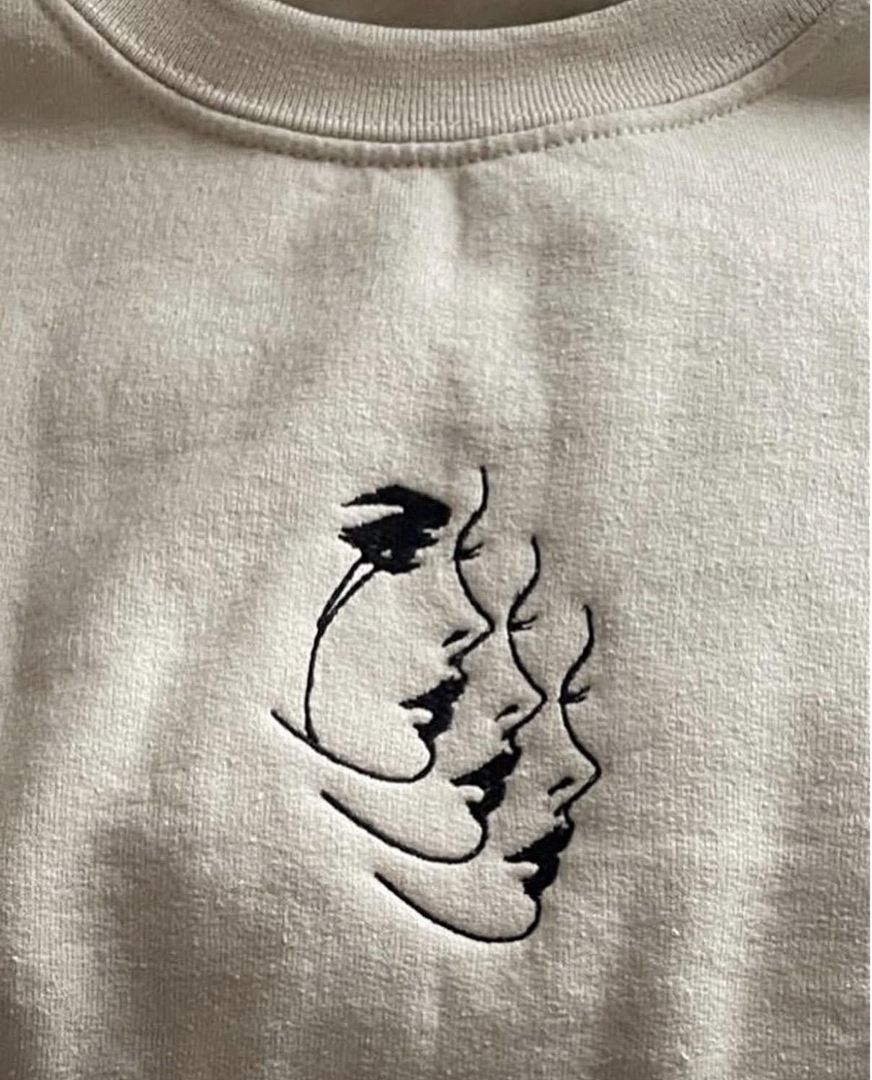
In its core, Anatra Clothing is not just a fashion brand, it is a point of convergence of two creative worlds. Introducing independent artists into the core of its design philosophy, the brand praises the strength of cooperation and the beauty of diversity of the artwork.
In a world where fashion has become mass-centric and highly trend-driven, Anatra is a refreshing deviation away: clothes that are personal and expressive and tightly tied to the creative world. Every work makes them remember that art does not always need to exist only in galleries or studios. It may even be embedded in the commonality of life, woven and worn in the streets of cities; and traded through fashion.
And maybe the most persuasive concept of the brand is that creativity is everywhere, even the clothes we wear.