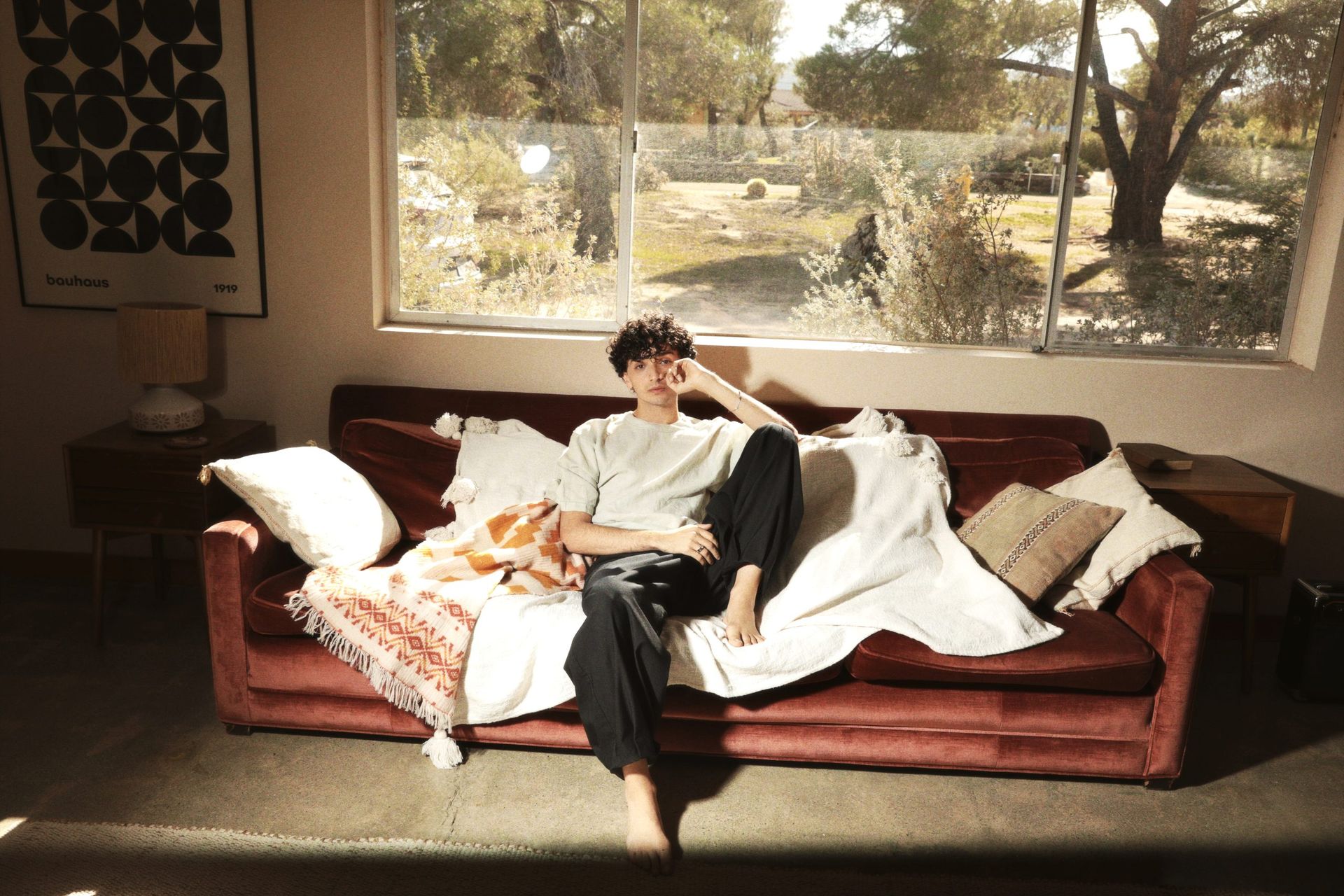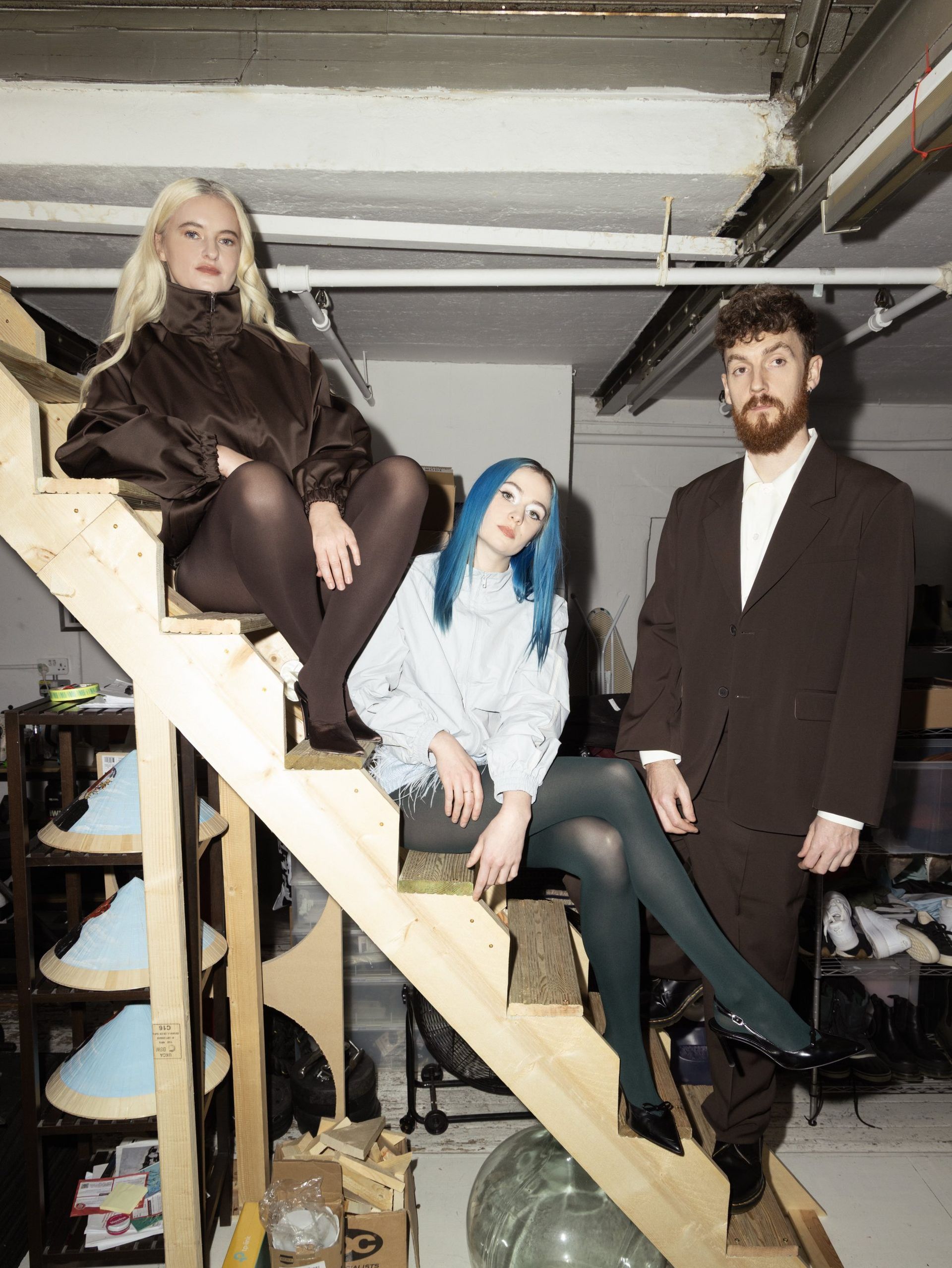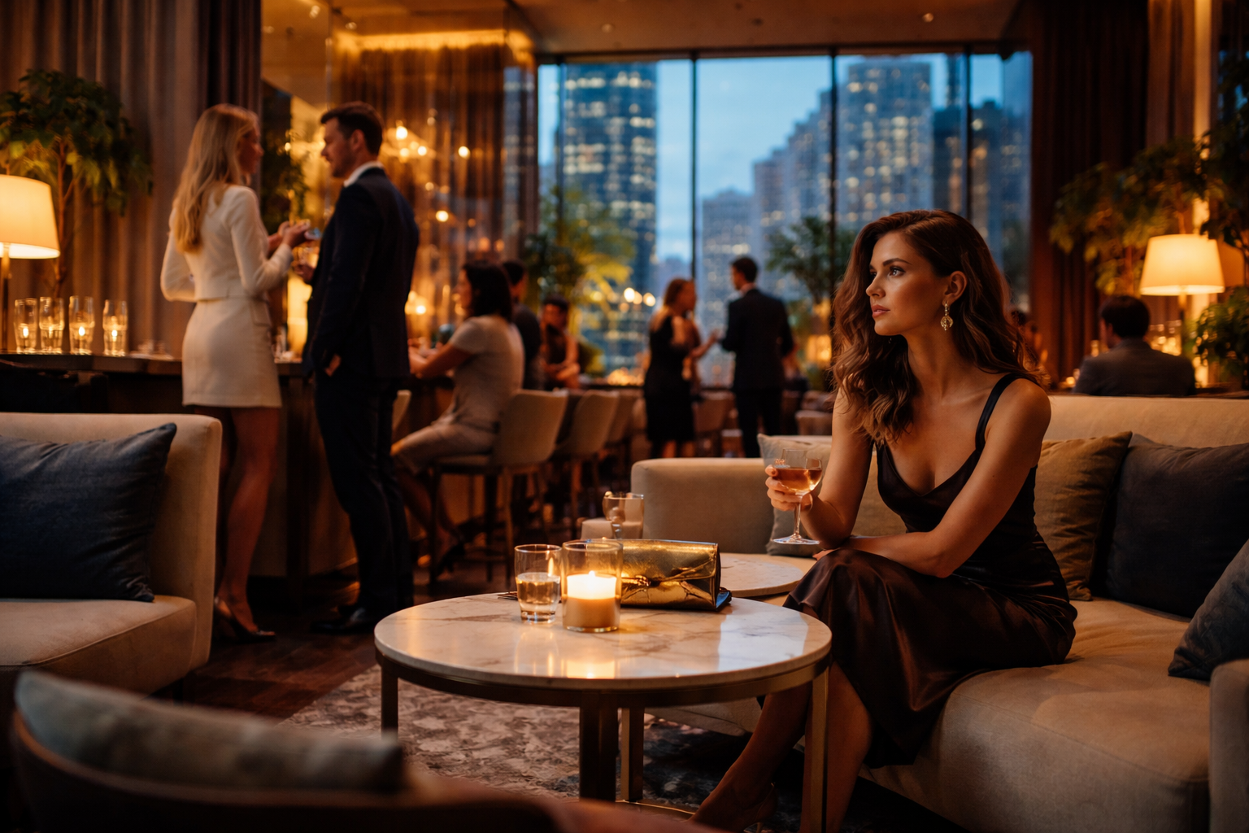
Canadian fashion spaces now do more than frame clothes. They shape posture, colour choices, and social rhythm through architecture, lighting, and circulation. In cities across Canada, a gallery hall, hotel lounge, or private room can change how a look is read within seconds. Style is now judged through setting as much as through garments.
That cultural link suits 1883 well, since the publication covers fashion, culture, and art alongside music, film, and creative talent. Canada also has strong visual institutions behind this shift. The National Gallery of Canada was established in 1880 and holds more than 87,000 works, while the Art Gallery of Ontario was founded in 1900. Together, these institutions shape public taste for proportion, restraint, and visual identity.
Canadian Style Spaces And New Visual Codes
In Toronto, clean tailoring often fits the city’s sharper pace. Large cultural spaces, hotel bars, and private venues reward coats with clear lines, narrow bags, and controlled contrast. A look that feels slightly too soft in one room can feel exact in another because the setting changes the full visual reading. This is why fashion in Canadian cities now depends on context more than before.
Montreal often moves in another direction. Art-led spaces support softer layering, tactile fabrics, and looks that sit between gallery dressing and evening wear. As a result, texture often carries more power there than sharp structure alone. Vancouver adds another code through climate and pace, which often pushes style toward lighter outerwear, practical shoes, and fabrics that hold shape in wet weather.
Social Rituals, Dress Signals, And Casino Influence
Some leisure spaces still rely on strict visual order, even without a printed dress rule. One dark jacket, polished shoes, and a clean watch often read better than several competing statements. The same principle appears in bonus pages, where common bonus pitfalls can hide behind neat layout, short copy, and bright buttons. That is why visual polish should never replace careful reading.
CasinosAnalyzer gives this issue real weight because it tracks terms people often miss on a first read. Wagering rules, payout caps, eligible games, and expiry windows can all change the value of a headline offer. In that sense, casino bonuses belong in a wider talk about presentation, visual trust, and fast judgment. Even outside gambling-led media, this link between appearance and substance remains relevant.
Some fashion-led leisure settings borrow from the same logic. They rely on atmosphere, controlled access, and a strong first impression. However, the better spaces support that impression with substance, not only with image. That contrast keeps the casino element present without pulling focus from fashion and visual identity.
Why Interiors Shape Personal Style In Canadian Cities
Interiors shape style through clear physical details. Light changes how black, navy, cream, and metallic finishes sit against skin. Seating distance also affects bag size, heel height, and coat length. That is why many Canadian fashion spaces teach editing before display.
This effect becomes clearer in cultural settings where movement slows, and visual attention rises. A visitor moving through the National Gallery of Canada can see how spacing, framing, and light direct the eye before any label is read. The same principle shapes public style in social spaces, where room design often decides whether a look feels precise, heavy, or unfinished. In this way, interiors can guide clothing choices before a person checks a mirror.
A few practical details show this more clearly. Small design choices can change how an outfit performs in public. They may seem minor at first, yet they often decide whether a look feels balanced or out of place:
- Low amber light usually favours deeper shades and cleaner silhouettes.
- Reflective tables make jewellery and satin reflect faster across a room.
- Narrow aisles work better with compact bags and shorter outerwear.
- Longer standing time often pushes people toward lower heels and softer fabrics.
These details explain why one outfit can work at an opening and fail at an after-hours lounge. They also show why online casino interfaces borrow from hospitality design so often. Both settings rely on quick reading, visual confidence, and controlled first contact. The lesson is simple: people react to structure before detail.
Toronto, Montreal, And Vancouver After Dark
Toronto often reads through structure. Straight trousers, dark leather, and precise shoulders fit restaurants, hotel bars, and gallery events. The city rewards looks that stay composed from early dinner to late drinks. Therefore, clothing that holds form over several hours often performs best there.
Montreal often leaves more room for texture and mood. Vintage tailoring, softened shirting, and tonal dressing sit well near gallery-led social circuits. The city values visual personality, but it still responds best when that personality is edited with care. Vancouver, by contrast, pulls style toward function without losing polish, which makes climate part of the aesthetic.
Art Direction, Image Culture, And Public Presence
Canadian cultural spaces give strong examples of visual discipline. A room with measured light, controlled spacing, and a clear focal point can make restrained dressing feel stronger. Likewise, a person entering that kind of space often adjusts posture, pace, and styling almost immediately. Public presence now depends less on volume and more on selection, spacing, and timing.
The same logic appears in editorial dressing across Toronto and Montreal. A wool coat in charcoal, one silver cuff, and a polished boot can hold more authority than five styled additions. This is also why some references to casino bonuses or online casino design can fit inside a culture-led piece when they support a point about visual persuasion. The focus stays on how presentation shapes judgment.
What Fashion Brands Can Learn From Leisure Spaces
Fashion brands can learn from these settings. Strong rooms rarely depend on many ideas at once. More often, they repeat three or four signals across colour, material, sound, and movement. That repetition helps people remember a place and connect it to the clothes seen within it.
Several cues stand out in Canadian fashion and leisure spaces. They show why setting now matters almost as much as styling.
- Repeat one material or tone at least twice in the room.
- Keep one focal point stronger than every supporting detail.
- Use lighting that does not flatten skin tone or fabric texture.
- Give guests a clear visual path within the first 10 seconds.
- Remove one styling element before final images are taken.
These cues matter because identity now depends on context as much as clothing. Canada’s major art spaces show how architecture, curatorial order, and public rhythm shape visual reading. When fashion spaces apply the same discipline, leisure turns into visual identity with greater force.