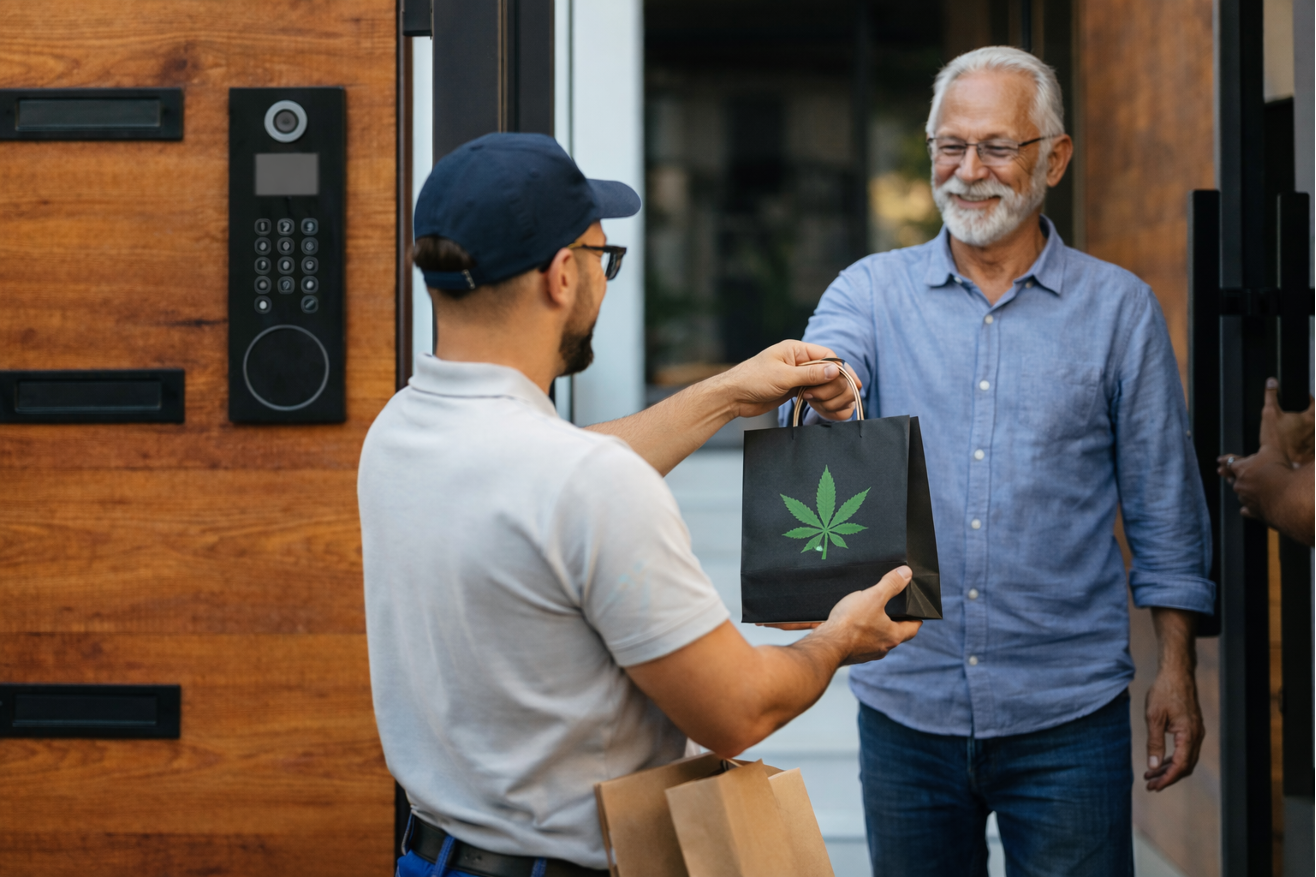
Source: IMAGE
The transformation of cannabis retail over the past decade mirrors a larger shift in how consumers interact with regulated goods. Purchasing is no longer confined to storefronts or limited to in-person transactions. Structured digital systems, regulated access, and predictable fulfillment have reshaped expectations around how cannabis is obtained and integrated into daily life.
Industry reports have noted an increased reliance on online ordering models in mature legal markets. While purchasing patterns vary by region, the broader trend reflects a preference for clarity, consistency, and streamlined transactions. The result is a category that operates less like a niche market and more like a modern retail sector shaped by routine and reliability.
Cannabis is increasingly evaluated not just on availability but also on how seamlessly it fits within established consumer habits.
Cannabis Within Contemporary Lifestyle Culture
A decade ago, cannabis was often framed as an occasional purchase. Today, it is more commonly positioned alongside other lifestyle goods selected with intention.
Consumers frequently incorporate cannabis into structured settings such as:
- Personal wind-down rituals
- Small, private gatherings
- Creative work sessions
- Planned leisure time
- Social hosting environments
This integration reflects predictability in access and clarity in regulation. When purchasing becomes straightforward and transparent, the category itself becomes easier to normalize. Rather than an impulsive acquisition, cannabis often becomes part of a planned experience.
Across the Greater Sacramento region, these patterns are visible at the local level. Within Sacramento County, dispensary weed delivery Galt illustrates how regulated access now aligns with everyday scheduling and consumer planning, reflecting a broader movement toward structured purchasing rather than spontaneous acquisition.
From Spontaneous Purchase to Considered Selection
Structured retail systems influence behavior. When product information is clearly presented, and transactions occur through regulated channels, consumers tend to approach purchasing with more deliberation.
Digital menus typically provide labeled cannabinoid content, format descriptions, and standardized packaging information. This visibility encourages:
- Product comparison before purchase
- Review of labeled potency information
- Selection based on context or setting
- Repeat purchases based on familiarity
A consumer planning a quiet evening or small dinner gathering may review available options beforehand and select a product suited to the occasion. The decision is contextual rather than reactive.
This shift reflects broader retail behavior seen across regulated industries where predictability supports intentional use.
Expectations in a Convenience-Driven Economy
Modern retail is shaped by efficiency. Consumers increasingly expect transparent information, secure transactions, and clear communication.
As cannabis retail adopted structured ordering systems and regulated fulfillment processes, it began operating under the same expectations as other consumer goods. Purchasers now commonly anticipate:
- Accurate product descriptions
- Standardized labeling
- Secure payment processes
- Clear fulfillment windows
- Professional interaction
When a category functions within established retail norms, it becomes part of the wider consumer framework. In regulated markets, cannabis increasingly reflects that integration.
Regulatory Structure and Consumer Confidence
Legal oversight remains central to how cannabis is perceived and accessed.
In California, cannabis retail and distribution fall under the authority of the Department of Cannabis Control. Adult-use purchases are restricted to individuals 21 years of age or older. Medical cannabis may be purchased by individuals 18 years of age or older with valid physician documentation.
Licensed retailers must verify government-issued identification before completing a sale. Retail operations are subject to state licensing, inventory tracking requirements, and regulated sales hours between 6:00 a.m. and 10:00 p.m.
These frameworks establish operational accountability. Clear legal parameters contribute to consumer confidence and distinguish regulated retail from informal distribution.
Information Transparency and Retail Maturity
Transparency plays a defining role in modern consumer markets.
Within regulated cannabis systems, standardized labeling and inventory controls allow consumers to review cannabinoid content and product format before purchase. While individual preferences differ, access to consistent product information can support more informed decision-making.
Structured retail environments tend to reduce ambiguity. As cannabis retail matured, clearer documentation and operational standards became part of the overall experience.
Cultural Adjustment and Social Context
Cultural attitudes toward cannabis have evolved alongside regulatory clarity.
In many communities, cannabis now appears within private gatherings, creative collaborations, and leisure settings where moderation and context guide use. The framing has shifted from novelty toward normalization, influenced by legal oversight and structured access.
Consumer behavior reflects that change. When a product category is regulated, documented, and predictably available, it becomes easier to incorporate into everyday planning without drawing the same attention it once did.
FAQ
What is the legal age for purchasing cannabis in California?
Under California law, adult-use cannabis may be purchased by individuals 21 years of age or older. Medical cannabis may be purchased by individuals 18 years of age or older with valid physician documentation or a medical marijuana identification card.
Is identification required when purchasing cannabis?
Yes. Licensed cannabis retailers in California must verify customers’ age and identity using valid government-issued photo identification before completing a sale.
Are cannabis retailers regulated in California?
Yes. Cannabis retailers, including delivery operators, are regulated by the California Department of Cannabis Control and must comply with state licensing and operational requirements.
Can cannabis be sold at any time of day in California?
No. Retail cannabis sales are permitted only between 6:00 a.m. and 10:00 p.m. under California regulations.
Is cannabis legal throughout California?
Cannabis is legal for adult use under California state law. However, local jurisdictions may impose additional restrictions on retail activity within their boundaries.
Conclusion
Cannabis delivery did more than modify logistics. It altered expectations. Structured access, documented regulation, and digital purchasing systems reshaped how consumers approach the category. In regulated markets, cannabis now operates within the same framework of predictability and accountability that defines modern retail, reflecting a shift from occasional transactions toan integrated consumer experience.