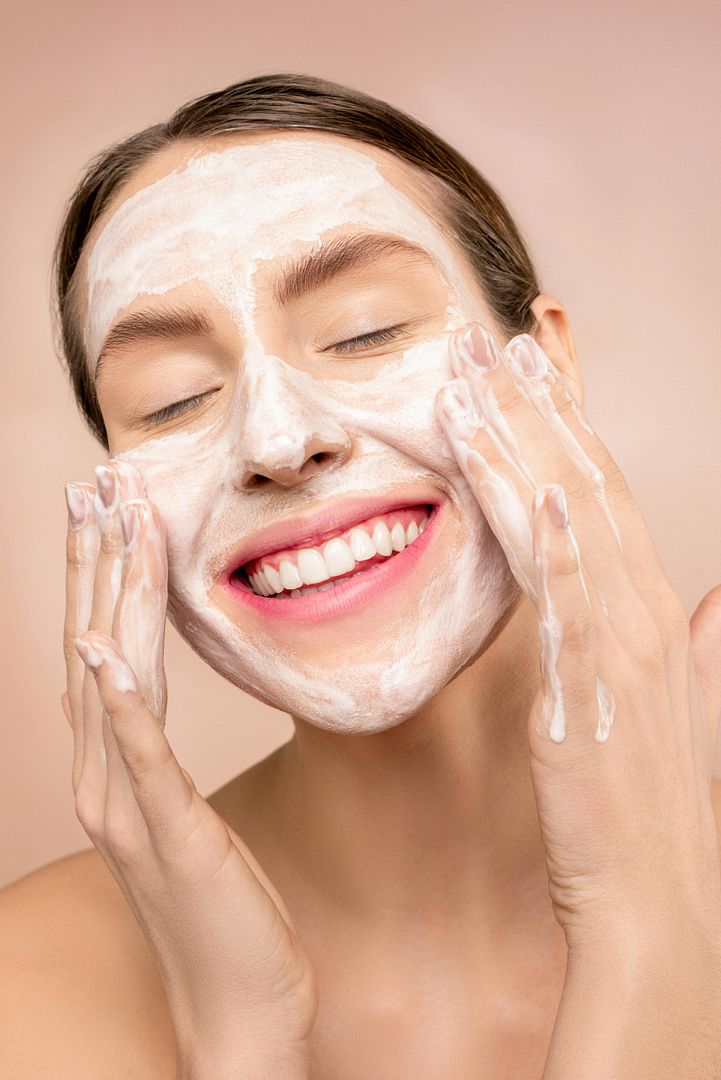
There was a time when a skincare routine felt like a competitive sport. Ten steps, layered acids and targeted serums for every perceived flaw. If you were serious about beauty, you were expected to commit. But that has changed in the last couple of years. Now the aesthetic is much quieter, the focus is calmer and the approach is simpler.
Skinimalism isn’t about doing less for the sake of it. It’s about doing what matters. Instead of chasing aggressive results, more people are choosing barrier support, clean formulas and steady hydration.
Why simplicity feels more relevant now
The return to simplicity in skincare isn’t happening on its own. It mirrors broader lifestyle changes. Wellness culture has matured, sustainability is no longer a niche concern and knowledge about ingredients has improved. You are more likely to read the back of a bottle than you were five years ago.
Complex routines often promised transformation, but they also created confusion. Layering multiple actives can compromise the skin barrier, leading to sensitivity, dehydration and irritation. When your skin feels tight or reactive, adding another exfoliant rarely solves the problem.
Instead, many people are turning toward YukaFace organic skincare products that prioritize ingredient transparency and gentler formulations. The appeal is not only about what is included, but what is left out. Fewer synthetic additives, less harsh treatments and more focus on balance.
Understanding your skin barrier
In the middle of this movement is the skin barrier. This is essentially your skin’s protective shield. It keeps moisture in and environmental stressors out. When it is compromised, you might notice dryness, redness or breakouts that seem to appear without warning.
A stripped-back routine will usually start to restore this barrier. That means stepping away from constant resurfacing and instead choosing ingredients that support hydration and resilience.
This is when clean, organic formulations have gained attention. Many organic skincare products emphasize botanical oils, plant extracts and soothing components that work with the skin rather than forcing rapid change. The goal is not to shock your skin into submission; it is to help it function well on its own. If you have been cycling through products without seeing stability, your barrier might be asking for less interference.
Hydrating vs moisturizing
Hydration is an important part of skin health. But it’s often confused with moisturization. Understanding the difference can change how you build your routine.
Hydrating ingredients increase the water content in your skin. They draw water into the upper layers, helping your skin feel plump and supple.
Moisturizing ingredients, on the other hand, help seal that water in. They create a protective layer that reduces water loss.
Both are important, but the order and balance matter. If your skin feels dehydrated, applying a heavy cream without hydrating ingredients underneath might not address the root issue. At the same time, using only lightweight hydrators without sealing them in can leave your skin vulnerable to moisture loss.
A simplified routine can look like:
- A gentle cleanser that doesn’t strip natural oils
- A hydrating serum or essence
- A moisturizer that supports the barrier
- Daily sunscreen
That’s it. No unnecessary layers or conflicting actives.
How to hydrate skin without overcomplicating it
When you search for how to hydrate skin, you will find endless product recommendations. What often gets overlooked is technique and consistency.
Hydration starts with small adjustments:
- Apply hydrating products to slightly damp skin to help lock in water
- Avoid over-cleansing, especially with foaming formulas that leave skin tight
- Use lukewarm water instead of hot water
- Support hydration internally with adequate fluid intake
You don’t need a shelf full of products. You need the right combination used correctly.
If you are building a routine around how to hydrate skin, focus on ingredients known for attracting and retaining water. Look for humectants in your serums and creams. Then follow with a moisturizer that helps prevent water from evaporating.
The aesthetics of healthy skin
This shift is also happening visually. The hyper-matte, filtered complexion is giving way to something much softer. Skin with visible texture, subtle sheen and natural variation feels more current. Hydrated skin reflects light differently; it looks more alive.
This aesthetic aligns with the philosophy of skinimalism. When your skin is supported rather than stripped, makeup becomes optional rather than corrective. You might find yourself reaching for lighter coverage or skipping foundation entirely.
That doesn’t mean perfection; it means comfort. The return to organic skincare products fits into this aesthetic because the focus is not only on instant resurfacing but on gradual improvement. Consistency replaces intensity.
Conscious consumption and ingredient awareness
Another reason simplicity resonates is environmental awareness. Large, multi-step routines generate waste. Packaging accumulates and half-used bottles expire.
A pared-back routine feels more intentional. Choosing a few well-formulated organic skincare products can reduce both clutter and confusion. It encourages you to finish what you buy. It invites you to think about sourcing, formulation and long-term use.
This shift is less about trends and more about alignment. Your skincare routine becomes an extension of your broader values. If you prioritize clean eating, mindful consumption and sustainability, it makes sense that your beauty choices would follow.
Letting go of FOMO
One of the hardest parts of simplifying is ignoring constant launches. The beauty industry thrives on novelty like new acids, new delivery systems and new miracle claims.
Skinimalism makes you stop and ask yourself what your skin actually needs. If your barrier is healthy and your hydration levels are stable, you might not need to add anything. The idea that more products equal better skin has lost some of its power.
This is where understanding hydrating vs moisturizing becomes extremely helpful. When you know the function of each product, you can change up your skincare with confidence. And you stop layering similar formulas out of habit.
Building a routine that feels sustainable
A simplified approach doesn’t mean rigid minimalism. It means clarity. Your routine should feel sustainable on busy mornings and late nights.
A good rule of thumb is to ask yourself:
- Does this product serve a clear purpose?
- Does my skin feel balanced after using it?
- Am I layering out of necessity or anxiety?
The answers can guide you toward a routine that’s built on hydration, protection and gentle support.
If you are starting from scratch, try to focus on the basics. Learn how to hydrate your skin effectively. Understand the difference between hydrating and moisturizing. Choose organic skincare products that align with your comfort level and values. Just make sure you’re giving your skin time to respond.