
The mobile payment process allows for grocery shopping, booking a ticket to a football game, or paying a bill all within minutes. Banking and digital wallet applications allow shoppers to shop faster and with ease while providing businesses with faster transaction processes and better tracking of finances. How are everyday digital tools such as those listed above aiding in the transition of entire economies from using physical cash?
Why Mobile Payments Are Becoming Part of Everyday Spending
Many people are in such a rush that anything that will save them time is appreciated. The mobile payment process allows consumers to shop from the comfort of their own homes and to purchase items (like coffee, groceries, etc.) by simply tapping their phone. Sports betting fans can also download Melbet (Arabic: دانلود Melbet) to access mobile betting and convenient digital payment options. This makes placing bets on upcoming matches faster and easier without visiting physical betting shops. Once the consumer purchases an item, they are notified of the purchase and are therefore able to see how much money was spent.
There are many benefits for businesses to adopt digital payments. It helps employees quickly serve customers because there is less work involved in handling cash. Each transaction leaves a record, so it is easy for accountants to prepare financial reports and provide refunds. Business owners can view their daily sales without having to count large stacks of money.
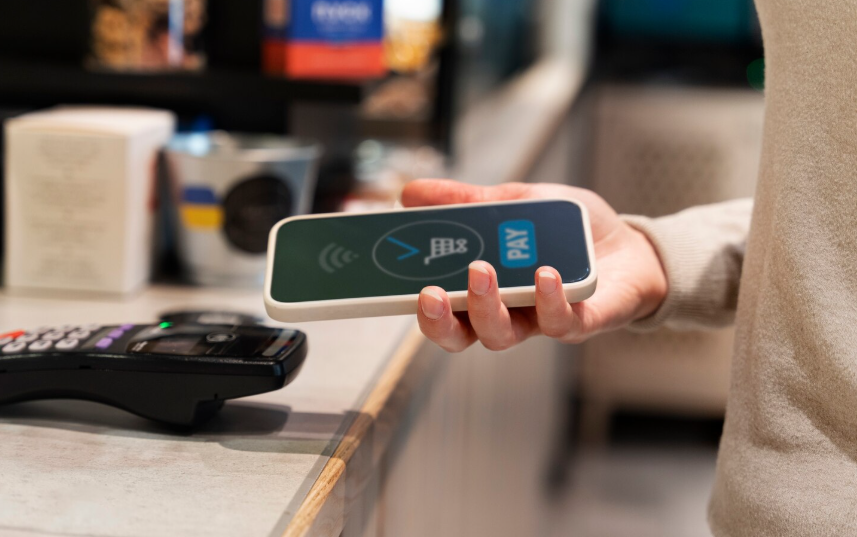
Key Technologies Making Cashless Transactions Possible
Using your phone to pay is easy, but there are multiple technologies involved.
Depending on how and where you shop, you can use either payment terminals directly with your smartphone or through a banking app. Each technology has its advantages.
Common payment technologies are:
- NFC payments: Simply press your phone on the accepted payment terminal, and you’re paid in seconds
- QR codes: Scan the QR code using your phone and approve the payment using your banking app
- Digital wallets: Using Google Wallet or Apple Pay, you can pay without needing to carry a physical card
- Instant transfers: Using certain banking systems, this can be transferred almost instantly, even outside of banking hours
Using these various payment methods allows companies to accommodate all customers based on their preferred payment methods. For example, people might prefer to use NFC in a supermarket or QR codes in a smaller business. Those who need to pay immediately can use instant transfers instead. Who wants to wait until Monday to pay on Friday?
How Digital Payments Support Economic Growth
Mobile payments do more than make shopping easier. They help businesses receive money faster, track sales, and manage daily expenses. A (Arabic: برنامه شرط بندی) also uses mobile payments to let sports betting fans deposit funds and manage their accounts. This makes placing bets more convenient and helps users track their betting expenses. Small businesses benefit the most because digital payments save time and reduce paperwork. However, affordable internet and reliable banking services are essential for making these benefits available to everyone.
Helping Small Businesses Manage Payments More Efficiently
Running a small business means handling dozens of tasks every day. Mobile payments make things easier by recording transactions automatically and reducing cash handling. Digital reports also help owners understand when customers spend the most. A café near a football stadium, for example, can track matchday sales and plan stock accordingly. Employees spend less time counting money and more time serving customers.
Mobile payments also help market sellers, delivery drivers, and freelancers accept money anywhere. Customers can pay through smartphones or payment links without carrying cash. However, business owners should compare transaction fees, payment speed, and refund conditions before choosing a provider. Some services look affordable until additional charges start appearing. The right payment system should save both time and money.
Expanding Financial Access Through Mobile Banking
Some individuals may not have easy access to mobile banking because they do not live close to a bank. Mobile banking allows individuals to handle their finances even if they are far from a bank. In some cases, individuals can have mobile money even without being affiliated with a bank.
To make daily handling of finances easier, individuals can use the following:
- Small transfers: This allows individuals to give their family members cash without actually giving them cash, such as for bus fare, groceries, or emergencies
- Bill payments: Individuals can pay their bills (water, electricity, etc.) using their mobile devices
- Payment histories: This allows individuals to see how they spend their money or how their entire family spends their money to better handle their budget
Overall, this would be helpful for individuals in areas where there is very little available banking. Individuals could get their allowances or their family allowances without having to go to a bank. However, having a good cell phone with connection is essential to using a banking application – what good is it if you are unable to connect to the network?
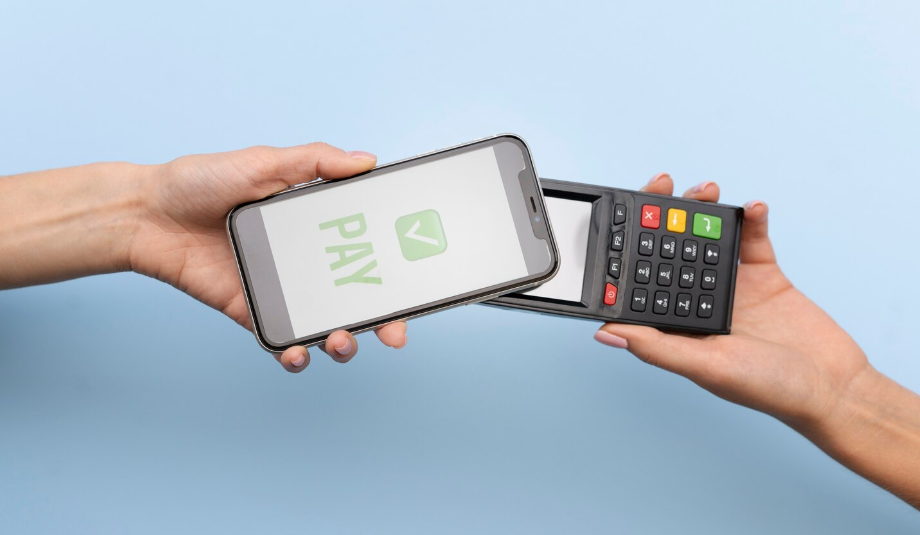
Mobile Payments Compared With Traditional Cash Transactions
Cash and mobile payments both have advantages, depending on the situation. Smartphones offer speed and automatic records, while cash works without internet access. Understanding these differences helps customers choose the most practical option.
| Feature | Mobile payments | Cash |
| Payment speed | Usually quick | Depends on handling change |
| Spending records | Saved automatically | Often tracked manually |
| Online shopping | Easy to use | Usually unavailable |
| Internet access | Sometimes required | Not required |
| Main risks | Scams and account theft | Loss and physical theft |
| Business costs | Processing fees | Cash handling costs |
Mobile payments make shopping faster, simplify accounting, and allow businesses to accept money remotely. However, cash remains useful when internet connections fail or phones run out of battery. Offering both options gives customers more flexibility and helps businesses avoid losing sales.
Security Measures That Build Trust in Digital Payments
Most people don’t want other people using their money for them. This is the reason that most mobile payments utilize encryption, fingerprint scanning, or facial recognition in order to safely protect account information. Also, instant transaction alerts allow consumers to immediately identify potentially fraudulent transactions when they occur.
In spite of this, fraudsters continue to send out phony sites and communications with the intent of obtaining an individual’s funds. As a result, it is critical for users to carefully verify the request made from a payment source, to protect access to verification codes associated with a bank account, and to consistently update applications used by banks. In addition, businesses are required to ensure security on payment terminals as well to ensure that customer transaction activity is protected.
What the Next Stage of Cashless Payments Could Look Like
Mobile payments are expected to be made easier with improvements in banking technology. Improved technology is going to make faster bank transfers possible along with more user-friendly online banking options; this could improve many people’s ability to effectively manage their financial resources. Businesses may have less expensive options for managing their own business as well as more effective ways of connecting different payment processing systems. Cash will still be an option for those who require its use.