
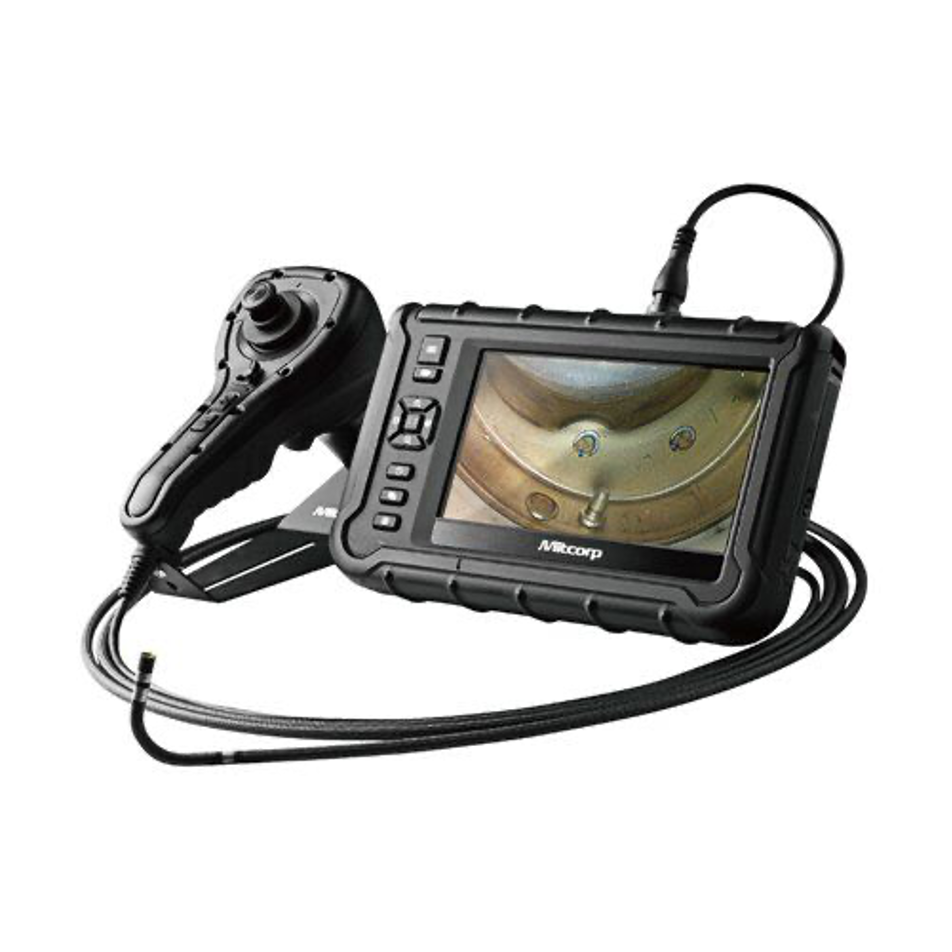
Is it possible to inspect a helicopter engine without taking it apart? For maintenance teams responsible for keeping helicopters airworthy, this question is at the heart of every inspection cycle. Even a small crack in a turbine blade or a piece of debris in the gearbox can lead to catastrophic engine failure if not addressed early.
A significant percentage of in-flight incidents are caused by mechanical issues that could have been detected during routine maintenance. This is why engine inspections have become more advanced and more efficient over the years — and why modern borescope cameras have become indispensable tools for maintenance professionals.
Modern borescope cameras allow technicians to see inside engines, gearboxes, and other hard-to-reach areas without disassembling components unnecessarily. They combine precision articulation, high-quality image capture, and portability to make inspections faster, more thorough, and more cost-effective.
This article will discuss how these cameras are changing the way helicopter engines are inspected, focusing on their key features, benefits, and applications.
Why Borescope Inspections Are Essential for Helicopter Engines
Helicopter engines operate under extreme conditions. Turbine blades are exposed to intense heat, rotating at thousands of RPMs, while gearboxes endure continuous stress. Over time, wear and tear are inevitable. Detecting:
- Surface cracks before they grow
- Foreign object damage from debris sucked into the engine
- Corrosion or pitting that can weaken components
- Misalignment or improper assembly
… is critical for preventing expensive repairs and avoiding safety hazards.
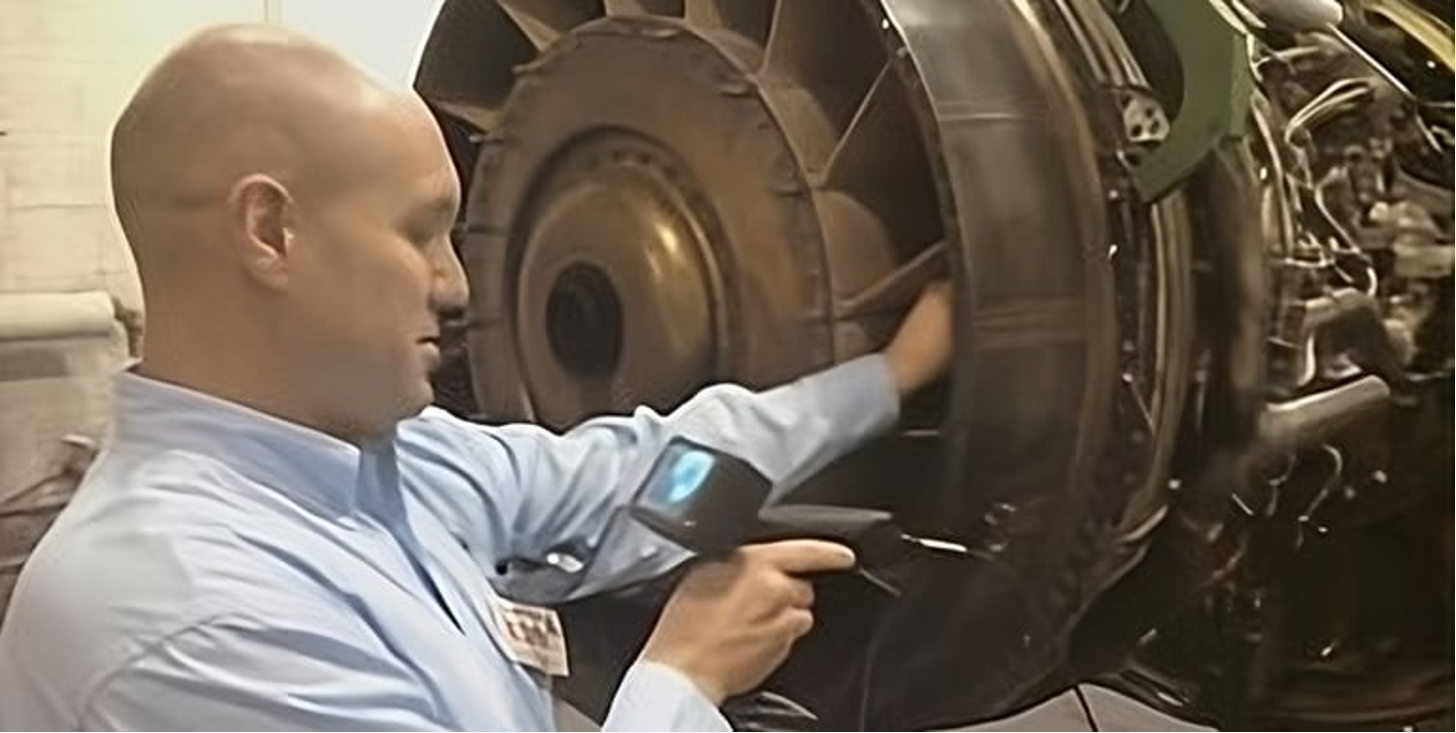
Traditional inspection methods often required partial engine teardown, consuming hours of labor and grounding the aircraft. Borescope inspections minimize this downtime. A technician can perform a thorough engine borescope inspection in a fraction of the time, providing clear visual confirmation of component condition without full disassembly.
Key Features of Modern Borescope Cameras
Modern borescope cameras are not just simple tubes with lenses — they are highly specialized tools designed for aviation applications. Three features stand out as major improvements in helicopter engine maintenance: articulation, image capture, and portability.
1. Articulation for Precise Inspection
Articulation refers to the ability of the borescope tip to bend in multiple directions. This is essential for inspecting turbine blades and gearboxes because:
- It allows technicians to direct the camera tip around bends and corners.
- They can inspect each blade root and leading edge up close.
- Gearbox teeth can be examined from multiple angles to check for wear.
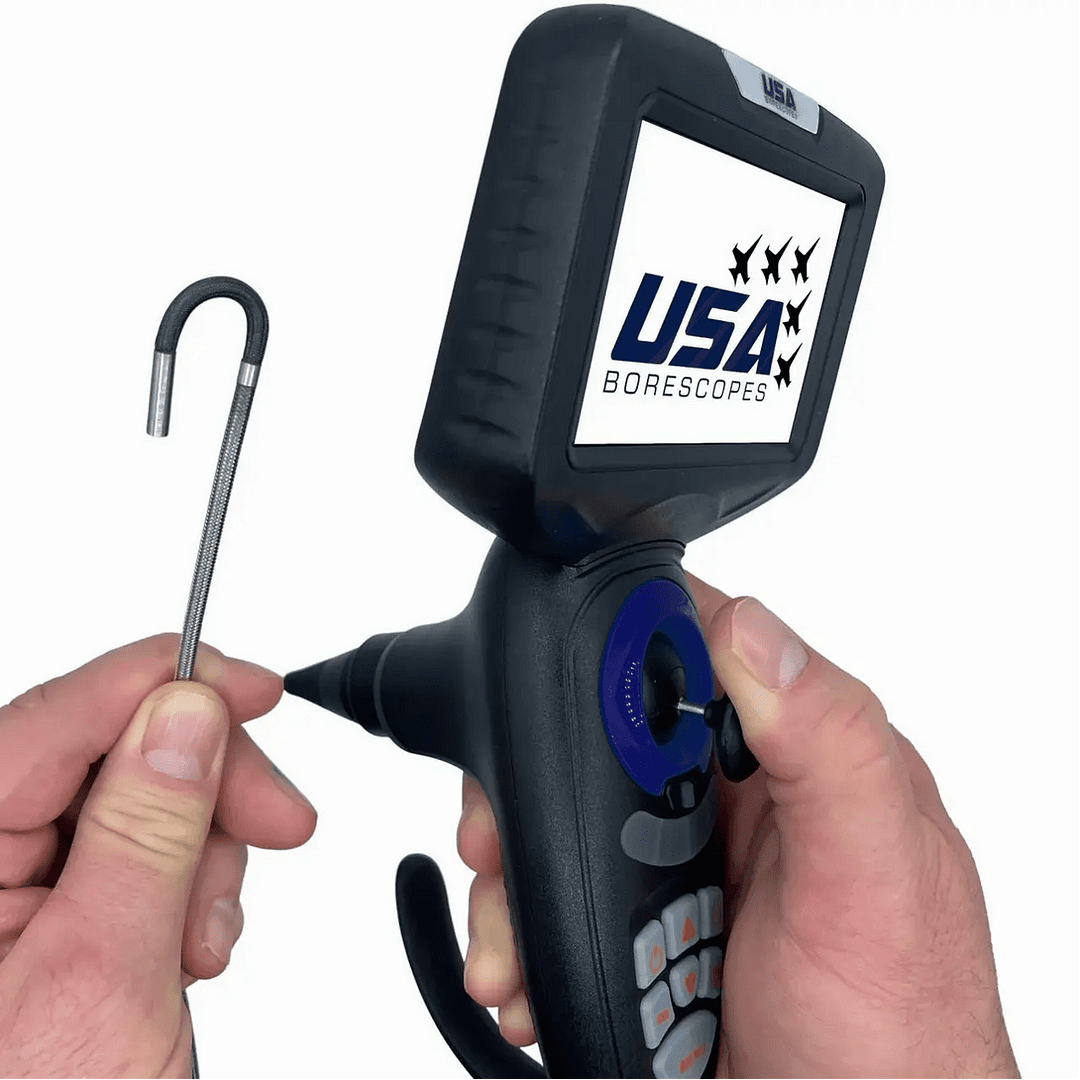
Modern systems often feature four-way articulation, controlled by a joystick or dial, which provides superior maneuverability compared to older, fixed borescopes.
2. High-Resolution Image and Video Capture
Today’s portable video borescopes offer crystal-clear imaging. This matters because small surface defects can be hard to spot. With HD image capture, maintenance professionals can:
- Take still images for documentation.
- Record inspection videos to share with supervisors or manufacturers.
- Create a reference library for future inspections, making it easier to monitor wear over time.
Being able to store and review footage means inspections are no longer one-time visual checks — they become part of a continuous maintenance record.
3. Portability for On-Site Inspections
Portability is another major advantage. Modern systems are lightweight and battery-powered, allowing technicians to carry them directly to the aircraft on the flight line or in the hangar. A portable borescope cameracan be deployed quickly, even for unscheduled inspections, without delaying flight operations.
Applications in Helicopter Engine Maintenance
The true value of a borescope inspection tool lies in its versatility. Maintenance professionals can use a single system across multiple inspection points, including:
- Turbine Section – Inspecting blades, vanes, and combustion chambers for heat damage and cracks.
- Gearboxes – Examining gear teeth for pitting, scoring, or misalignment.
- Bearings and Shafts – Checking for excessive wear or lubrication issues.
- Airframe Components – Looking inside hydraulic lines or structural cavities if needed.
For teams that service multiple aircraft, having a portable video borescope means they can move between jobs efficiently without sacrificing inspection quality.
Benefits Beyond Maintenance Efficiency
While faster inspections are an obvious benefit, modern borescope cameras also contribute to:
- Reduced Maintenance Costs: Avoiding unnecessary engine teardown saves both labor hours and replacement parts.
- Improved Safety: Early detection of defects prevents failures that could lead to costly accidents.
- Regulatory Compliance: Clear image capture helps document inspections for FAA requirements.
- Fleet Readiness: Helicopters spend less time grounded, ensuring they are available for missions when needed.
Choosing the Right Inspection Camera
When deciding to buy portable video borescope equipment, maintenance professionals should consider:
- Diameter and Length: Helicopter engines often require 4mm diameter probes with 1.5m working length.
- Articulation Capability: Four-way articulation is preferred for maximum coverage.
- Durability: The camera must withstand repeated use in tough maintenance environments.
- Compatibility: Make sure to find borescope accessories online that match the chosen system, such as replacement tips or additional probes.
- Specialty Features: Some applications may benefit from UV inspection capability, so the option to buy UV borescopes can be valuable.
Having the right equipment ensures that every inspection delivers accurate results, helping maintenance teams avoid costly oversights.
Making
Making Helicopter Maintenance Smarter
What if every inspection could be faster, more accurate, and better documented? That is exactly what modern borescope technology offers. Whether inspecting turbine blades for cracks or checking gearbox teeth for wear, today’s systems provide technicians with the visibility they need to make informed decisions — without tearing down an engine unnecessarily.
For helicopter maintenance teams looking to improve their inspection process, USA Borescopes offers a wide selection of inspection cameras, including options for those who want to buy micro borescopes, portable video borescope systems, and even specialized UV models. They also make it simple to find borescope accessories online to keep existing equipment performing at its best. With repair and rental services available throughout the continental U.S., they help aviation professionals stay on schedule and maintain aircraft reliability.
Contact USA Borescopes today to discuss your needs and get the right inspection tools for your operation. Their expert team can recommend the best solution for your engine borescope inspection requirements and ensure you have reliable equipment when you need it most.
Author Bio
Michael F. Turner is an aviation technology writer with over a decade of experience covering aircraft maintenance and inspection innovations. He specializes in creating content for aerospace professionals, focusing on tools and techniques that improve safety and efficiency in the hangar.