The body has always known what the mind is only now catching up to: movement is not a punishment. It is a practice.
Something changed in how people talk about their bodies.
Not quietly or gradually but with a kind of collective exhale, as though a generation had been holding its breath waiting for permission to do things differently. The culture around health and movement has shed its harder edges. The punishing regimes, the before-and-after framing, the language of discipline and deprivation are losing ground to something far more interesting.
Wellness, in its most evolved form, is not about achieving a body. It is about inhabiting one fully.
This shift has touched fashion, design, community and the way people structure their days. It has produced a new kind of aesthetic sensibility, one that prizes comfort without abandoning style, function without forfeiting beauty. And it has expanded the definition of who wellness culture belongs to in ways that feel genuinely significant.
Movement as a Lifestyle
Pilates studios are fully booked weeks in advance in every major city.
Yoga has moved off the mat and into the cultural mainstream, its language and its logic appearing in conversations about work, creativity and mental health far beyond any studio wall. Cold plunges and breath work have joined the vocabulary of people who would never have called themselves wellness enthusiasts five years ago.
What is happening is not a trend in the conventional sense.
It is a restructuring of how people understand rest, productivity and the body’s role in both. Movement is no longer sequenced into a gym session and then forgotten. It is woven through the day, into the morning routine and the lunch break and the way a weekend is shaped.
This integration has changed what people expect from the things they wear and carry into that movement.
Function and aesthetics are no longer in tension. They are being designed together, deliberately and with sophistication. As the broader conversation around gym fashion has shown, the line between activewear and everyday dressing has dissolved so thoroughly that it barely exists anymore.
The cultural appetite for movement that is both disciplined and joyful, structured and personal, has produced a style vocabulary that is unmistakably its own.
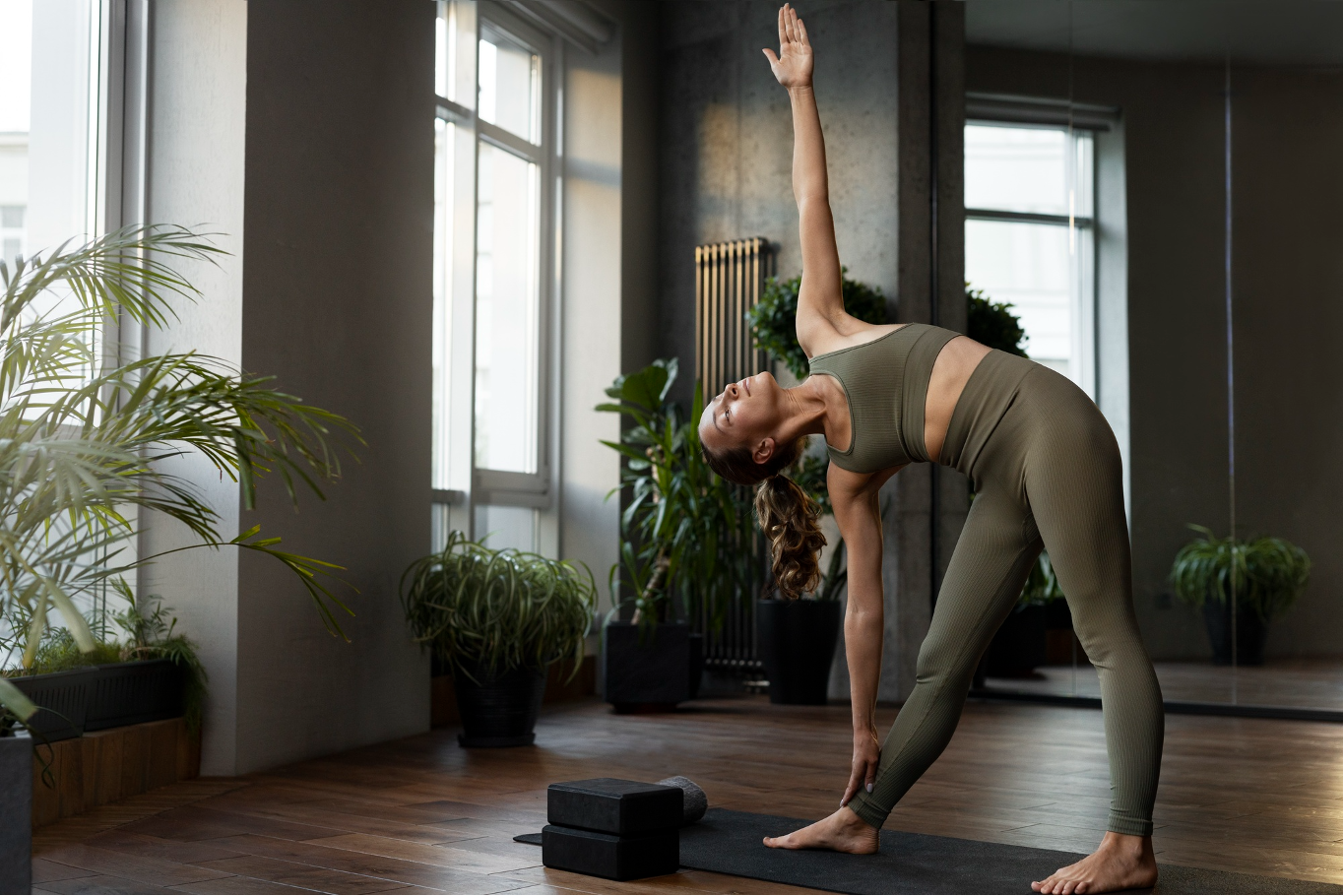
Functional Fashion for Modern Wellness
The smallest details in a movement practice are rarely as small as they appear.
Grip socks are a case in point. In pilates and yoga studios across the world, the sock has become as deliberate a choice as the legging or the sports bra. It is the point of contact between the body and the surface, and in a practice built around precision of movement and stability of form, that contact matters enormously.
The right pair reduces slip. It supports correct alignment. It communicates, in its own quiet way, that the person wearing it has given thought to their practice at every level.
This is the logic of functional fashion operating at its most honest: not decoration layered over utility, but the two collapsed into a single considered object.
For those building a movement wardrobe with this kind of intention, the option to shop pilates socks online opens a range of grip sock styles designed specifically for studio practice, from low-cut designs suited to reformer work to full-foot options that provide coverage and stability across mat-based disciplines.
The details are small. The thought behind it is not.
This is the hallmark of how wellness culture has changed the way people approach what they wear in motion. Everything is evaluated for how it serves the practice. Everything earns its place or it does not.
Beyond socks and leggings, this thinking extends to bags carried to and from studios, water vessels chosen for their capacity to maintain temperature across long sessions and layers designed to transition seamlessly from studio to street.
The wellness wardrobe is a considered thing. It is built piece by piece with the same intentionality that goes into the practice itself.
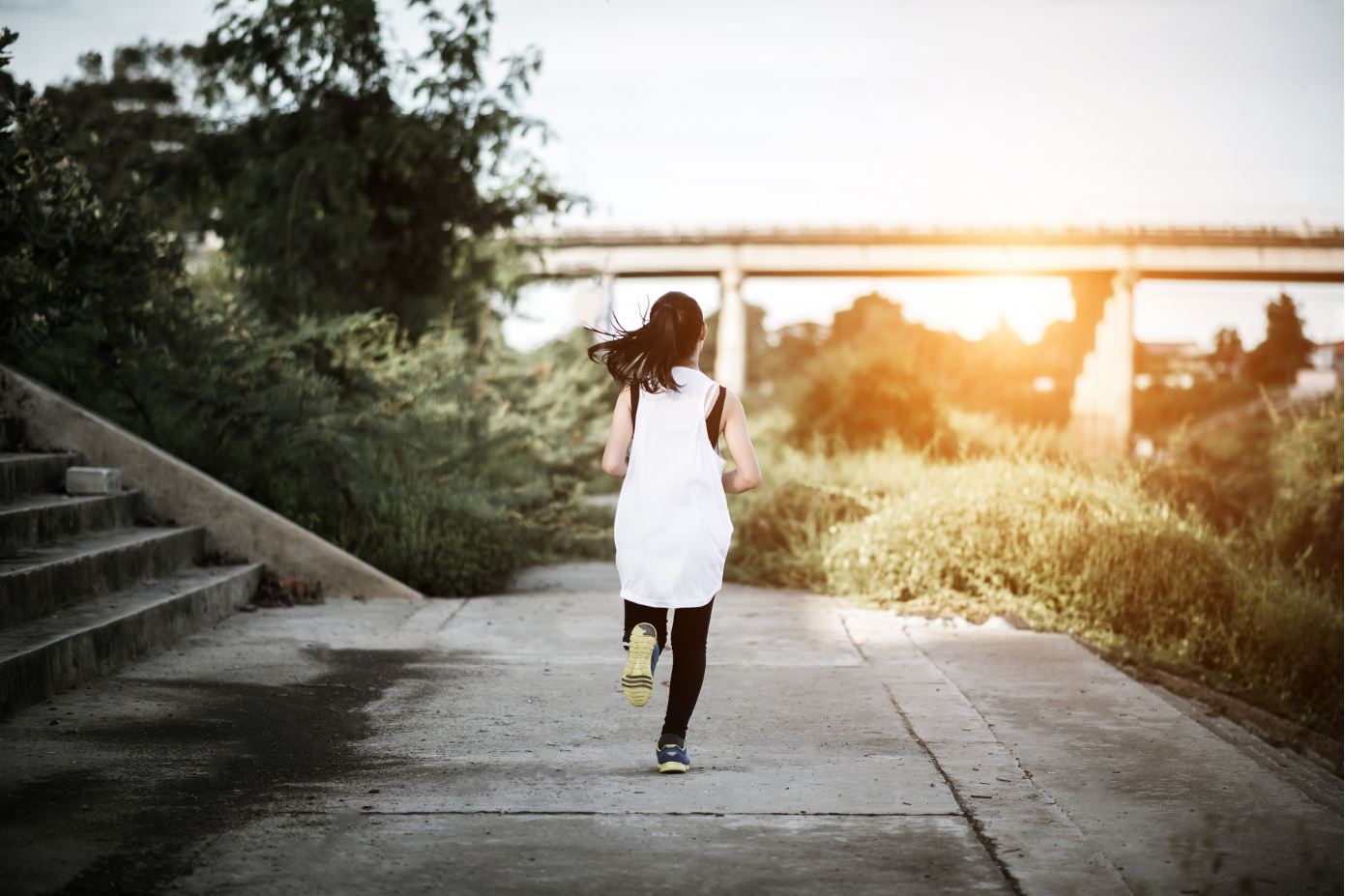
Inclusive Design and Accessibility in Lifestyle
Wellness culture at its most honest recognises something that its glossier iterations sometimes obscure.
Movement is not a privilege available only to the young, the able-bodied or those with access to expensive studios. At its core, the impulse to move well through the world belongs to everyone. The conversation around how to support that impulse across a full spectrum of bodies and needs is one of the most important ones happening in design right now.
Inclusive design is not a compromise. It is an elevation.
When the needs of people who navigate the world differently are centred in the design process, the resulting objects tend to be better for everyone. More thoughtful. More considered. Built with a deeper understanding of what it actually means to support a body in motion across the full complexity of a real life.
Mobility aids sit at the intersection of this design conversation in a way that deserves more cultural attention than they typically receive.
A walking aid that is designed with both function and dignity in mind is not a medical device to be apologised for. It is a precision tool, built to extend independence and support the kind of active engagement with the world that wellness culture champions for everyone.
The aesthetic dimension of this matters. Objects people use daily become part of how they move through public space and how they feel while doing it.
For those navigating mobility needs or supporting someone who is, the range of mobility walking aids available reflects a growing commitment to this kind of thoughtful design, encompassing a spectrum of support options that prioritise both practical performance and user dignity.
This is wellness as a genuinely inclusive practice.
Not a curated studio class accessible only to those who can afford it, but a commitment to supporting movement in all its forms, for all bodies, across every stage of life.
The cultural shift toward wholeness rather than performance is what makes this possible. When wellness stops being about an aesthetic ideal and starts being about the lived experience of moving through the world on one’s own terms, the conversation expands in exactly the right direction.
The Future of Wellness and Style
Design is catching up to what people have always known about their bodies.
The most interesting wellness products emerging now are those that refuse to separate function from beauty, accessibility from aspiration or movement from meaning. They are built with the understanding that the body deserves to be supported well at every stage of life and in every context, from the reformer bed to the footpath, from the studio to the supermarket.
Fashion is following the same trajectory.
The distinctions between activewear and ready-to-wear, between performance fabrics and everyday textiles, are dissolving into something more fluid. The result is a wardrobe culture that serves movement rather than constraining it, one that asks of every piece: does this help the person wearing it inhabit their body more fully?
When that question becomes the primary one, style improves. Comfort improves. The relationship between a person and the things they wear improves.
Moving Well
The wellness movement, at its best, is not about any single practice or product.
It is about a fundamental reorientation toward the body as something worth caring for with consistency, with intention and with joy rather than obligation.
Fashion, design and accessibility are all part of that reorientation.
Each in its own way is asking the same question: how do we support people in moving through the world on their own terms?
The answer, increasingly, is: with everything we have.