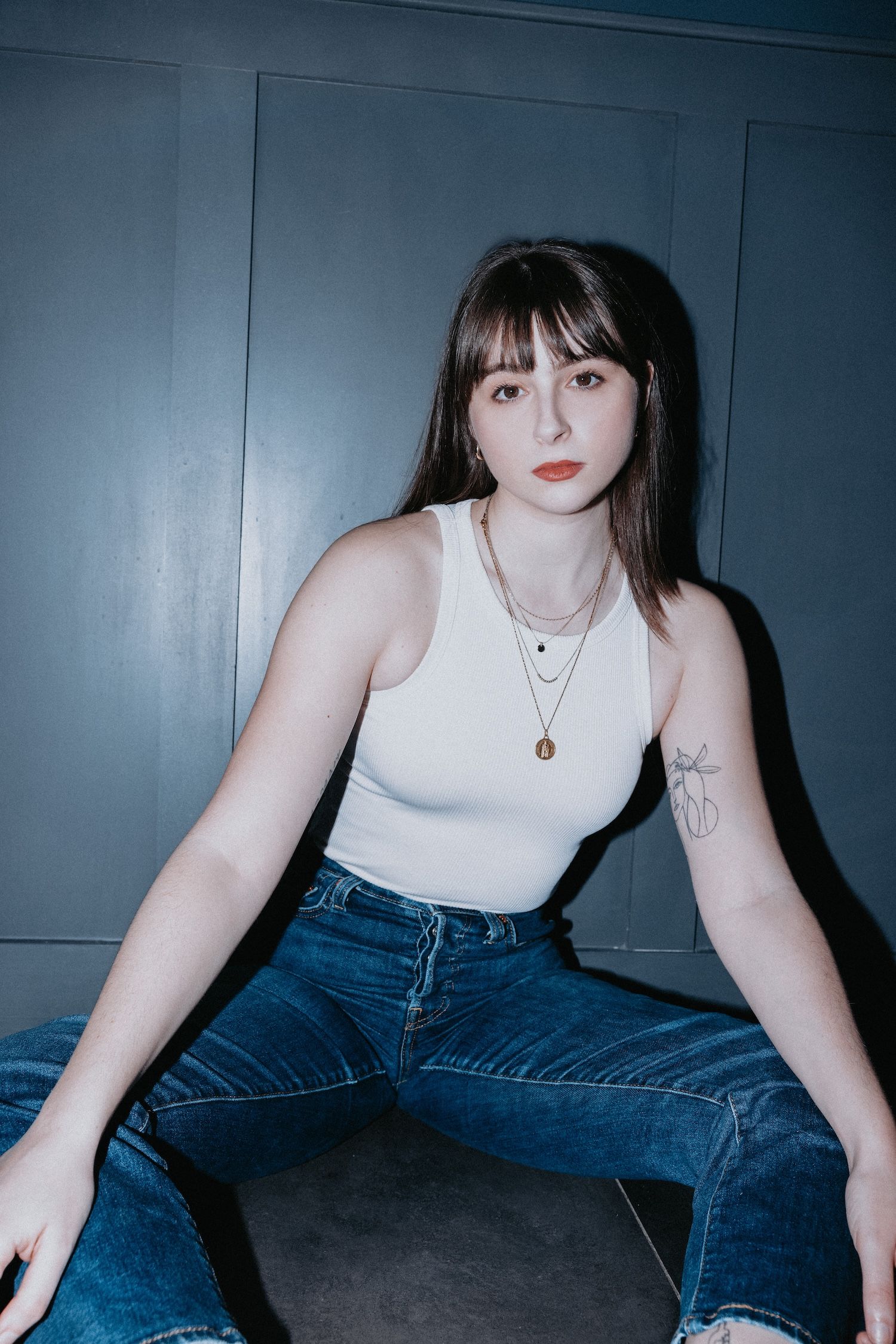
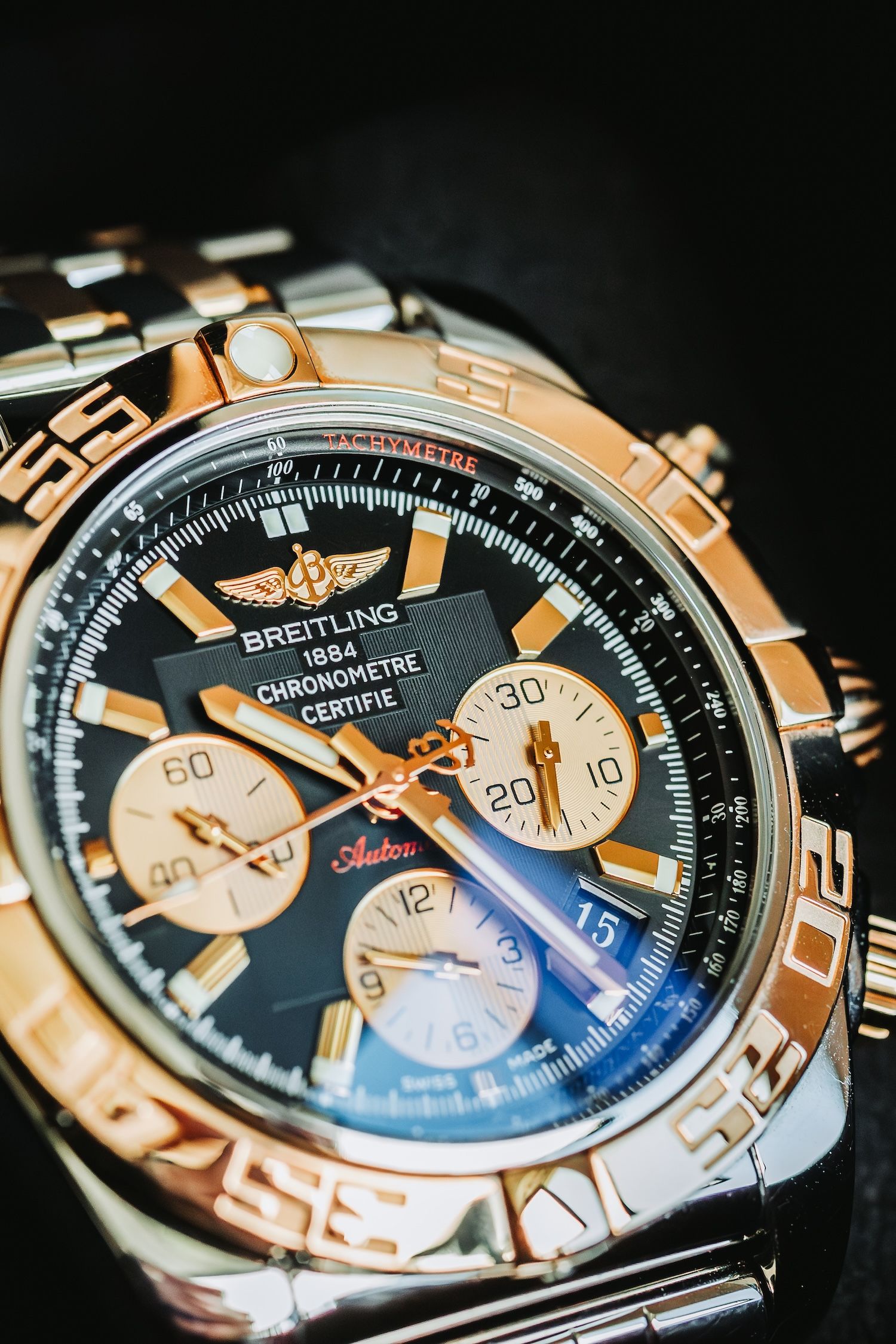
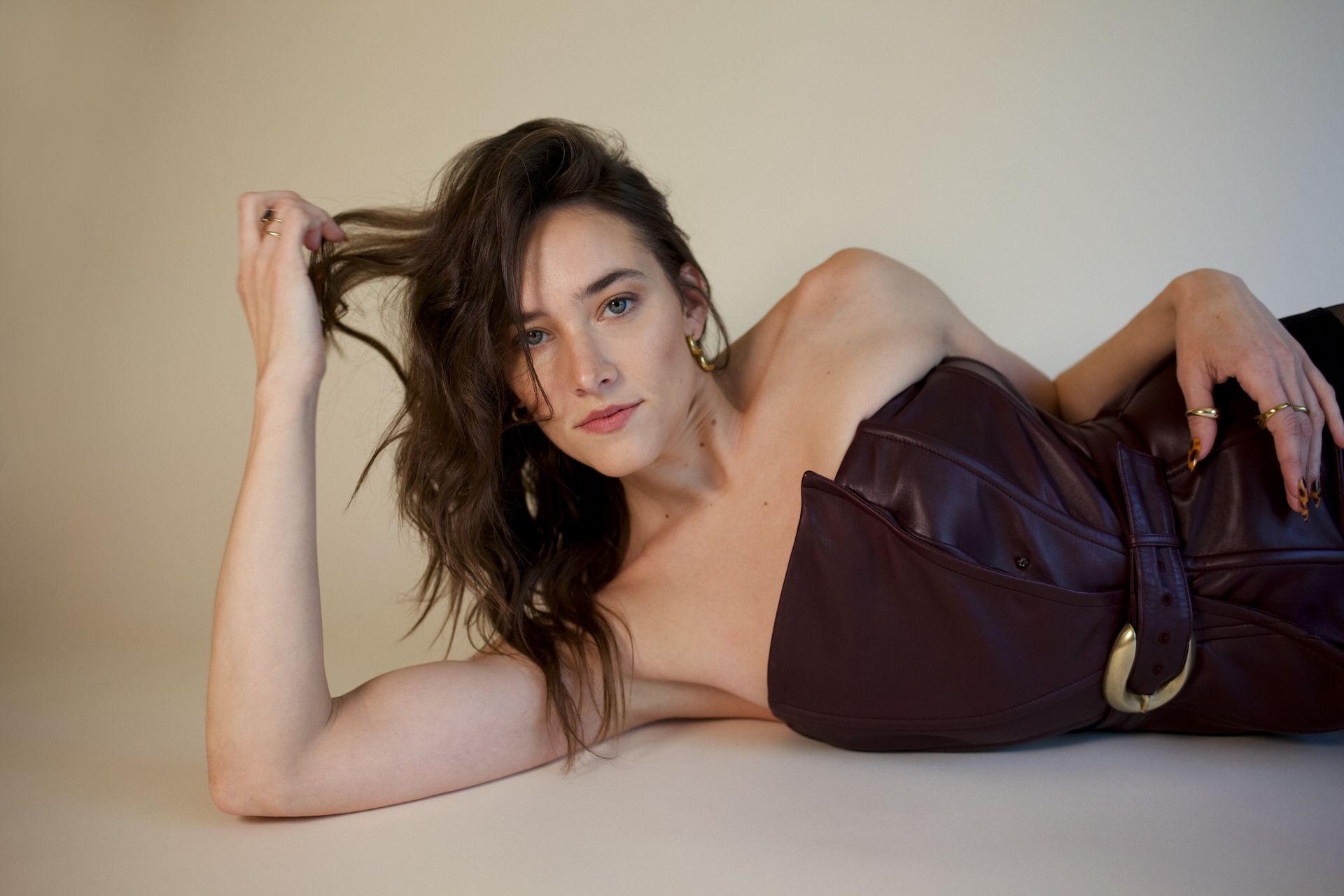
It has never really been about the outfit.
Strip a look back to its bare bones and something interesting happens.
The dress without the necklace becomes anonymous. The blazer without the bag loses its story. The most considered outfits in fashion history are rarely remembered for their garments alone. They are remembered for what accompanied them: the earrings, the scarf, the ring worn on the wrong finger on purpose.
Accessories have quietly staged a takeover. What was once considered a finishing touch is now the starting point, the detail from which an entire identity radiates outward. The question is no longer what to wear. It is what to carry, what to clasp, what to let catch the light.
The Power of Accessories in Personal Style
There is a particular kind of confidence that comes from knowing exactly which piece completes a look.
It is not the confidence of someone who has spent a fortune. It is the confidence of someone who understands that proportion, texture and intention matter more than price tags.
Accessories operate on a different register to clothing. A coat can signal a mood. A necklace can signal a self.
This is the shift that has been building quietly across fashion for the past decade. As wardrobe culture has moved toward investment pieces and considered dressing, accessories have become the primary vehicle for self-expression. They are the element that can be rotated daily, layered with abandon or reduced to a single considered statement depending on the day.
The result is a generation of dressers who build outfits from the detail outward rather than the silhouette inward.
Bridal Elegance and Timeless Details
Nowhere does an accessory carry more weight than at a wedding.
The bridal look is, by its very nature, a complete act of curation. Every element has been chosen, considered and revisited. And within that careful construction, the jewellery is always the punctuation mark.
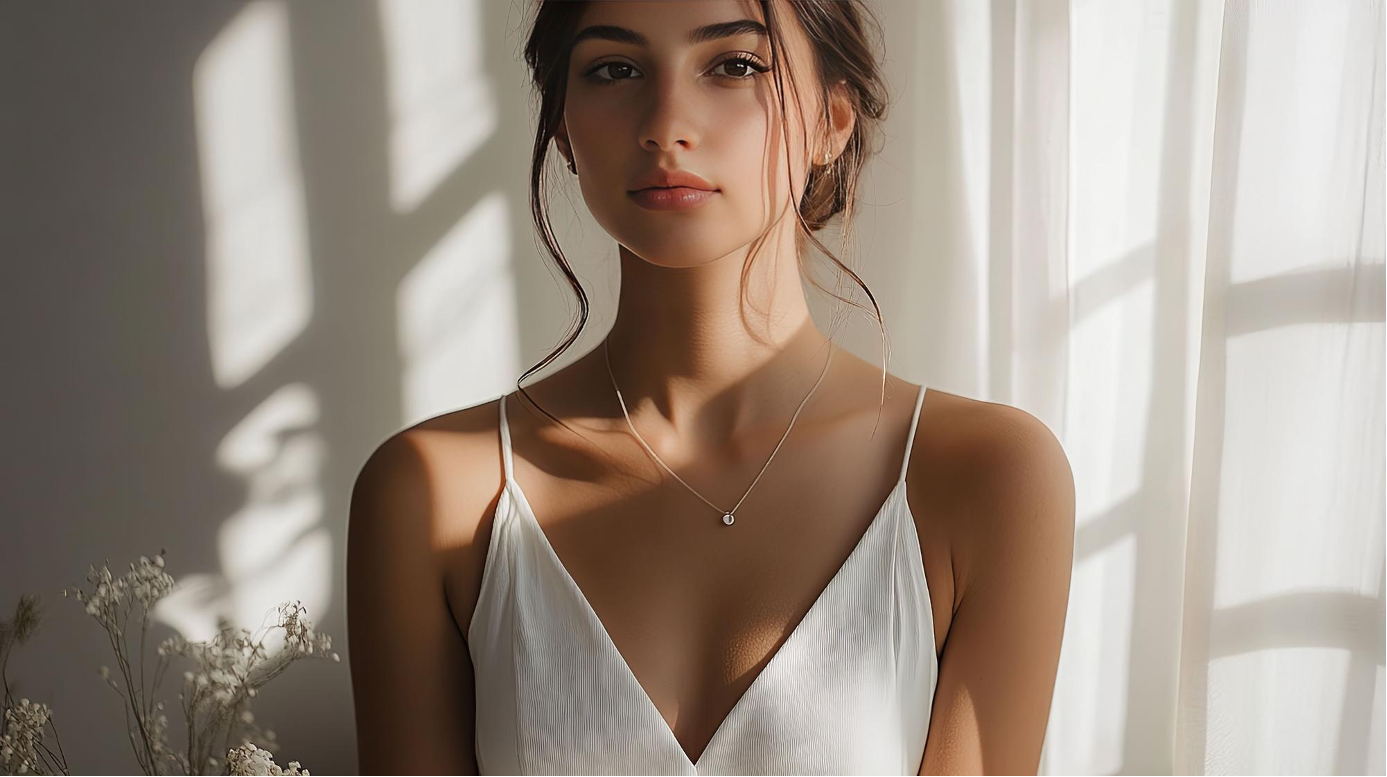
A well-chosen necklace does something a dress alone cannot. It frames the face, it draws the eye upward and it creates a visual focal point that photographs remember long after the day itself has faded into memory. This is why bridal necklaces occupy such a particular place in jewellery culture. They are not merely decorative. They are architectural.
The range of what is considered bridal has expanded considerably. Pearl strands sit beside delicate diamond pendants, layered gold chains and bold statement pieces that would read as editorial fashion in any other context. The modern bride is not choosing between traditional and contemporary. She is choosing between versions of herself.
For those navigating that choice, the opportunity to explore beautiful bridal necklaces reveals just how wide the field has become, from whisper-fine chains that barely touch the collarbone to intricate statement collars that transform a simple neckline into something that belongs on a runway. The decision, ultimately, comes down to the same thing it always does: what feels true.
This idea of truth in accessories extends well beyond the wedding. The bridal sensibility, that instinct to choose pieces with real intention and emotional weight, is bleeding into how people dress every day. The lesson the bridal world teaches is worth carrying forward into ordinary Tuesdays.
As explored in writing on statement accessories, the most powerful pieces are those chosen with conviction rather than convention. That principle applies whether the occasion is a ceremony or a coffee run.
The way bridal culture has influenced mainstream fashion is more than just a trickle-down trend. It has shifted the entire cultural appetite for jewellery as something meaningful rather than incidental.
Pieces are being kept longer. Heirlooms are being repaired and reworn rather than retired. The idea that jewellery should carry history rather than simply follow trends has taken hold in a way that feels genuinely new.
Everyday Fashion and Functional Style
Outside of the ceremony, fashion continues its quieter work.
Everyday dressing is where personal style actually lives. Not in the curated moments captured for photographs but in the daily choices made between one meeting and the next, between the market and the studio, between who you are and who you are still becoming.
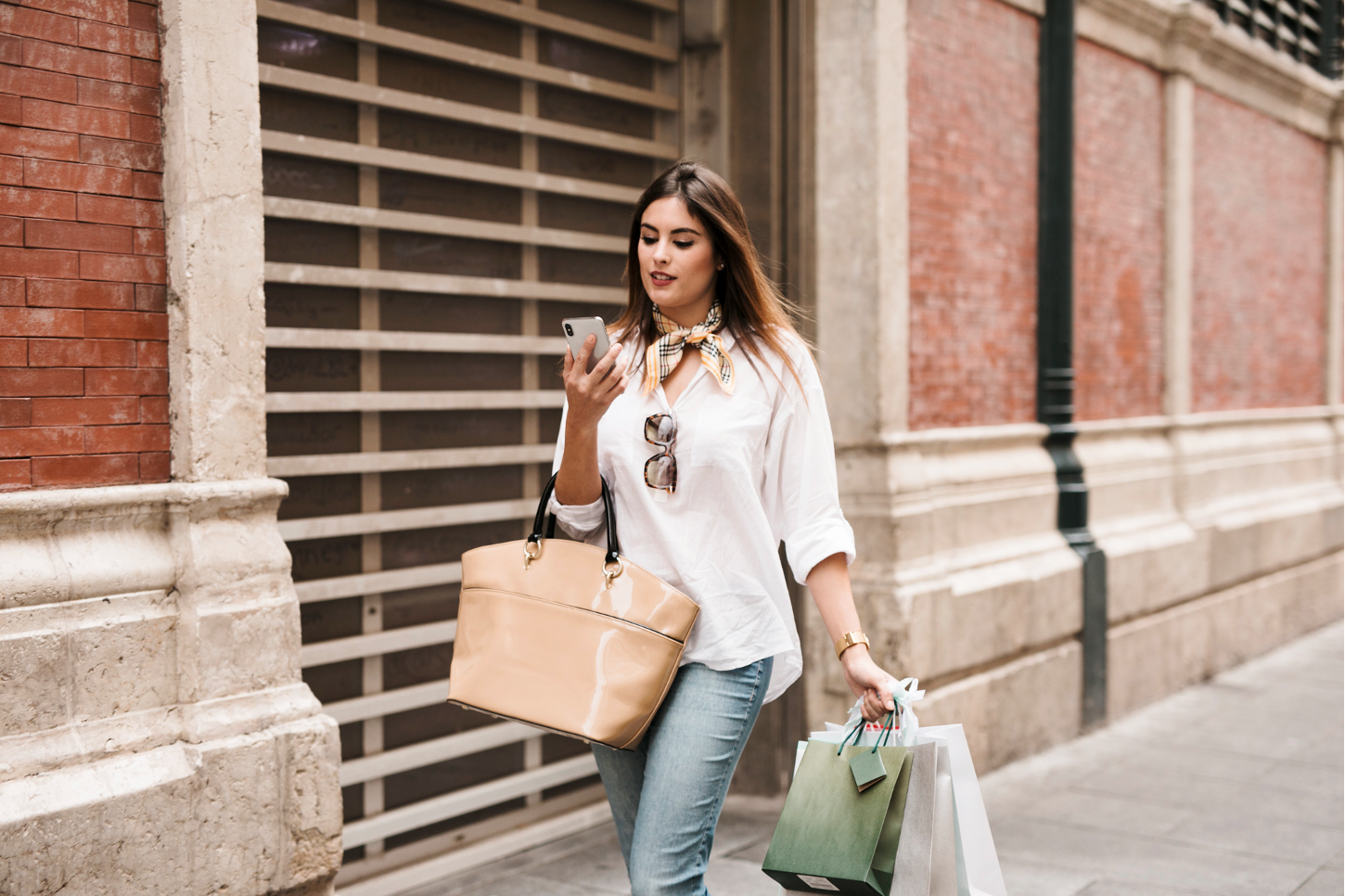
The bag is where this plays out most visibly.
There is no accessory more utilitarian and yet more revealing than the one you carry through the world every day. It holds your essentials, yes. But it also holds your aesthetic position. The structured leather tote speaks differently to the world than the canvas shopper or the mini crossbody. Each is a declaration.
What has shifted in recent years is the embrace of customisation within functional accessories. The tote bag, in particular, has evolved from a simple carrier into a canvas for personal expression. Colour, text, graphic and material are all being used to make the most practical of accessories into something that communicates distinctly.
Brands offering custom tote bags have tapped into this appetite directly, allowing individuals and collectives alike to carry something that is genuinely theirs rather than simply off the shelf.
This is not a niche trend. It is a reflection of the broader cultural shift toward fashion that feels personal in origin rather than mass-produced. When something is made with a specific intention, even if that intention is as simple as a colour choice or a printed word, it carries a different energy than something generic.
The functional accessory, once the most overlooked corner of the wardrobe, has become one of the most interesting sites of personal expression in contemporary fashion.
The Intersection of Style and Identity
Fashion has always been a form of communication. Accessories are its most direct sentence.
They require no particular body type to work. They do not demand a specific age or aesthetic history. A necklace that has been passed down carries meaning before it is even fastened. A bag chosen for its colour rather than its label carries confidence before it is even lifted from the shelf.
What connects the bridal necklace to the custom tote is not occasion but intention.
Both are chosen deliberately. Both communicate something specific about the person wearing or carrying them. Both demonstrate that fashion is not simply a matter of covering the body but of extending the self outward into the visible world.
This is why accessories have moved to the centre of the conversation.
Not because clothing has become less important but because the desire for expression has outgrown what garments alone can hold.
The Language That Lasts
Style, at its best, is autobiographical.
The most interesting wardrobes are not the most expensive or the most trend-forward. They are the ones where every detail has earned its place through some combination of sentiment, instinct and genuine personal relevance.
Accessories are where that story is most honestly told.
A necklace chosen for a wedding. A bag made to carry exactly the life you are currently living. A ring worn because it catches the light in a way that makes you feel, for a moment, completely yourself.
These are not small decisions.
They are, in the end, the whole point.