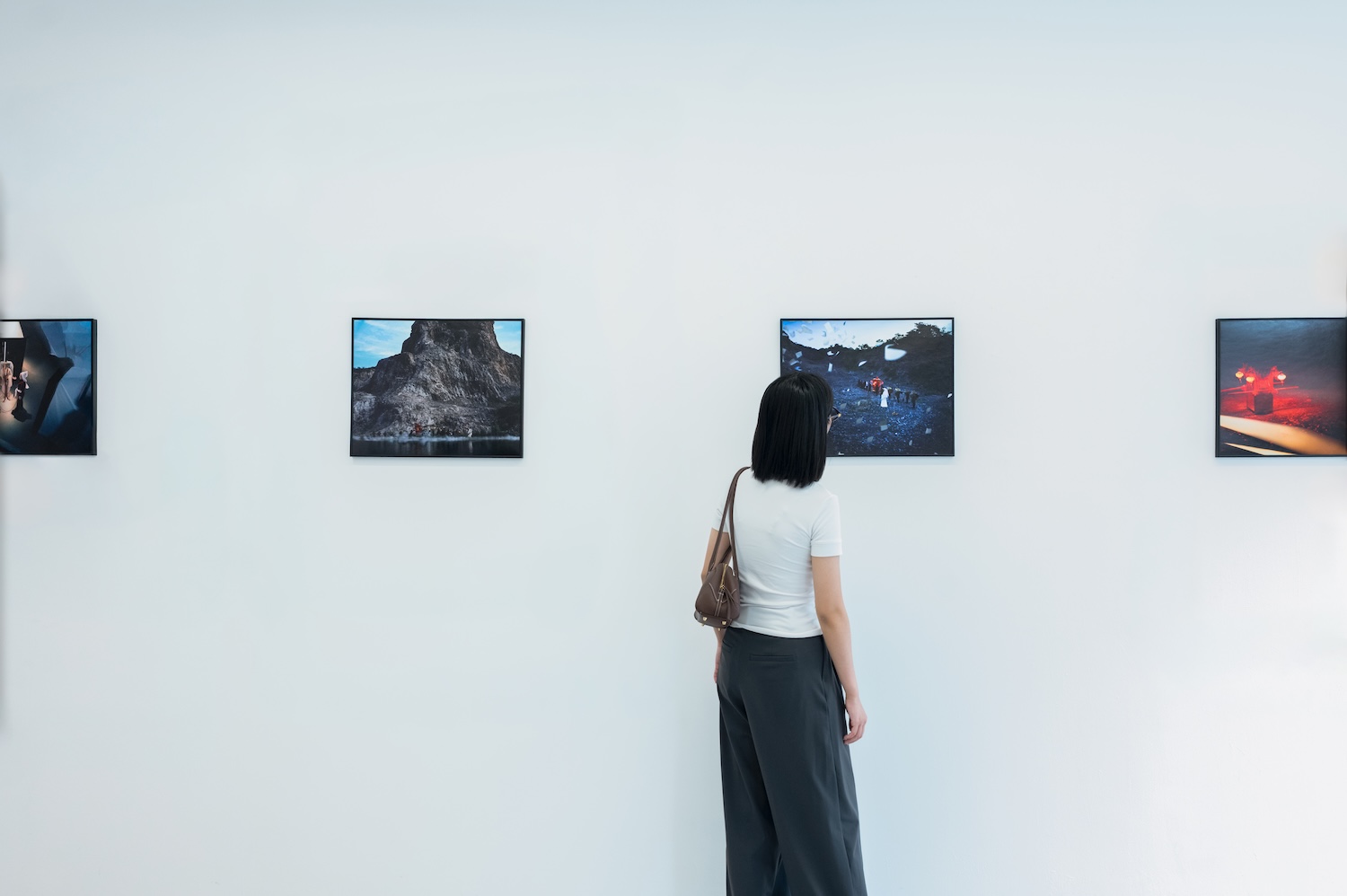
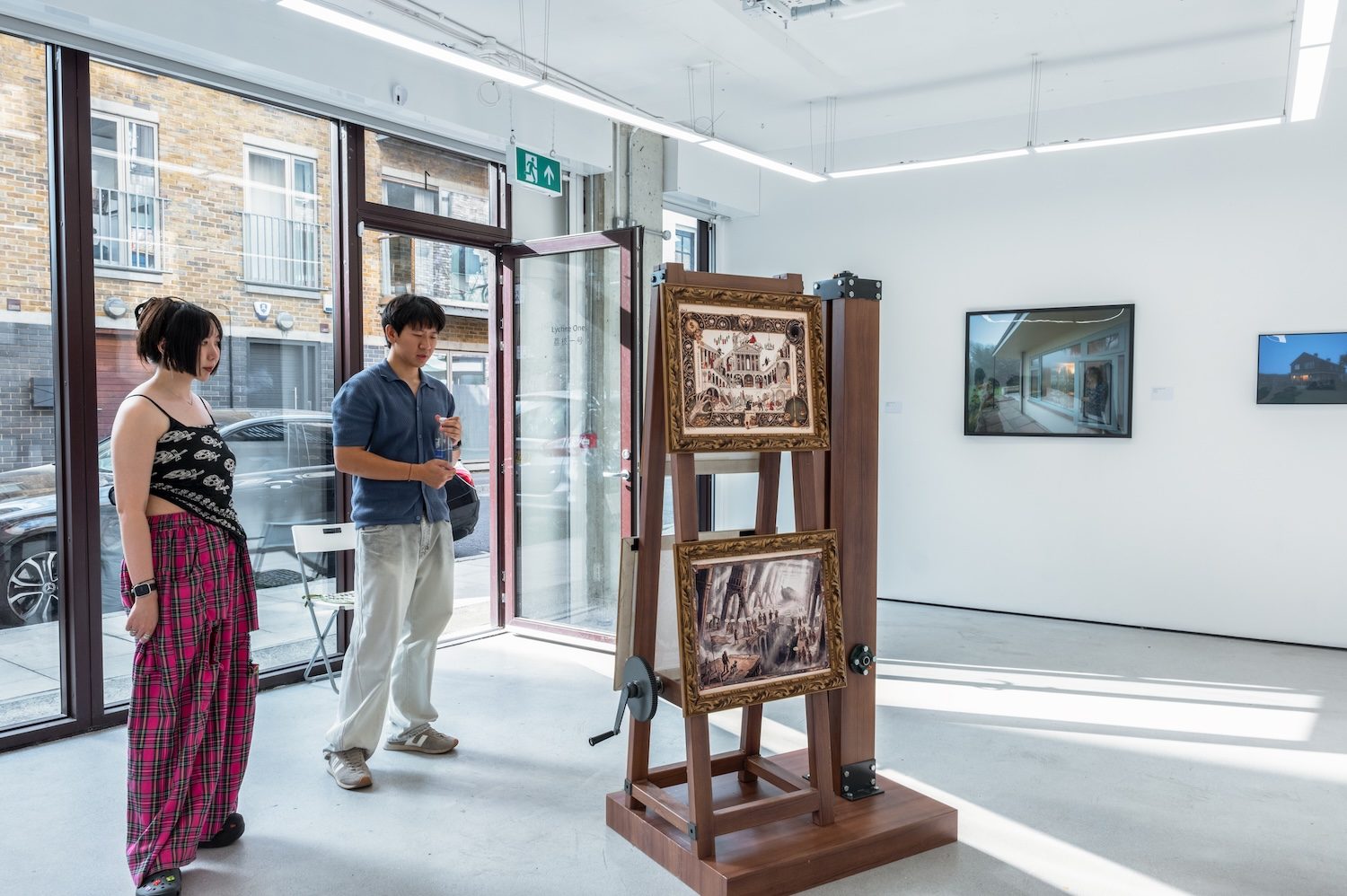
Looking Back at You, a solo exhibition by Kaiyuan Yang, explores the psychological and cultural dimensions of people pleasing through three photographic series. The exhibition was curated by Xin Liu and presented at Lychee One Gallery in London from 17 to 21 August 2026. The exhibition combines the artist’s personal experiences, reflections and cultural expectations in order to examine the potential consequences of orienting one’s life around the expectations of others.
The exhibition begins with what Yang presents as an extreme example of a cultural tradition shaped, in part, by the desire to appease others – even after death. The series Ghost Marriage explores the Chinese cultural tradition of ghost marriage, in which two people who died unmarried may be symbolically united in death, preserving the ‘natural order’ and family lineage. These ceremonies serve several purposes, and their meaning and function vary from region to region. In this exhibition Yang is primarily concerned with their function of pleasing and pacifying the dead, ensuring that the wishes of the dead are fulfilled to avoid retribution. The six images follow a re-creation of a traditional ghost marriage ceremony orchestrated by Yang, from the ceremony itself to a procession through a landscape, with cinematic lighting amplifying the drama of each scene.
Conversation with the Reflection then looks at the more personal consequences of being a people pleaser, and the mental toll it can take on an individual. The images in this series visualise having a conversation with the self, while their composition highlights the loneliness and isolation that can result from attempting to please everyone while pleasing no one, not even yourself. The six images show Yang himself alone in a snowy landscape accompanied by a mirror, within which he interacts with a literal reflection of himself. In this exhibition this series takes on a dual function – acting as both a standalone self-investigation, and as a response to the Ghost Marriage series. It is a meditation on the personal consequences of people pleasing, and the loss of self that may result from ensuring others’ happiness.
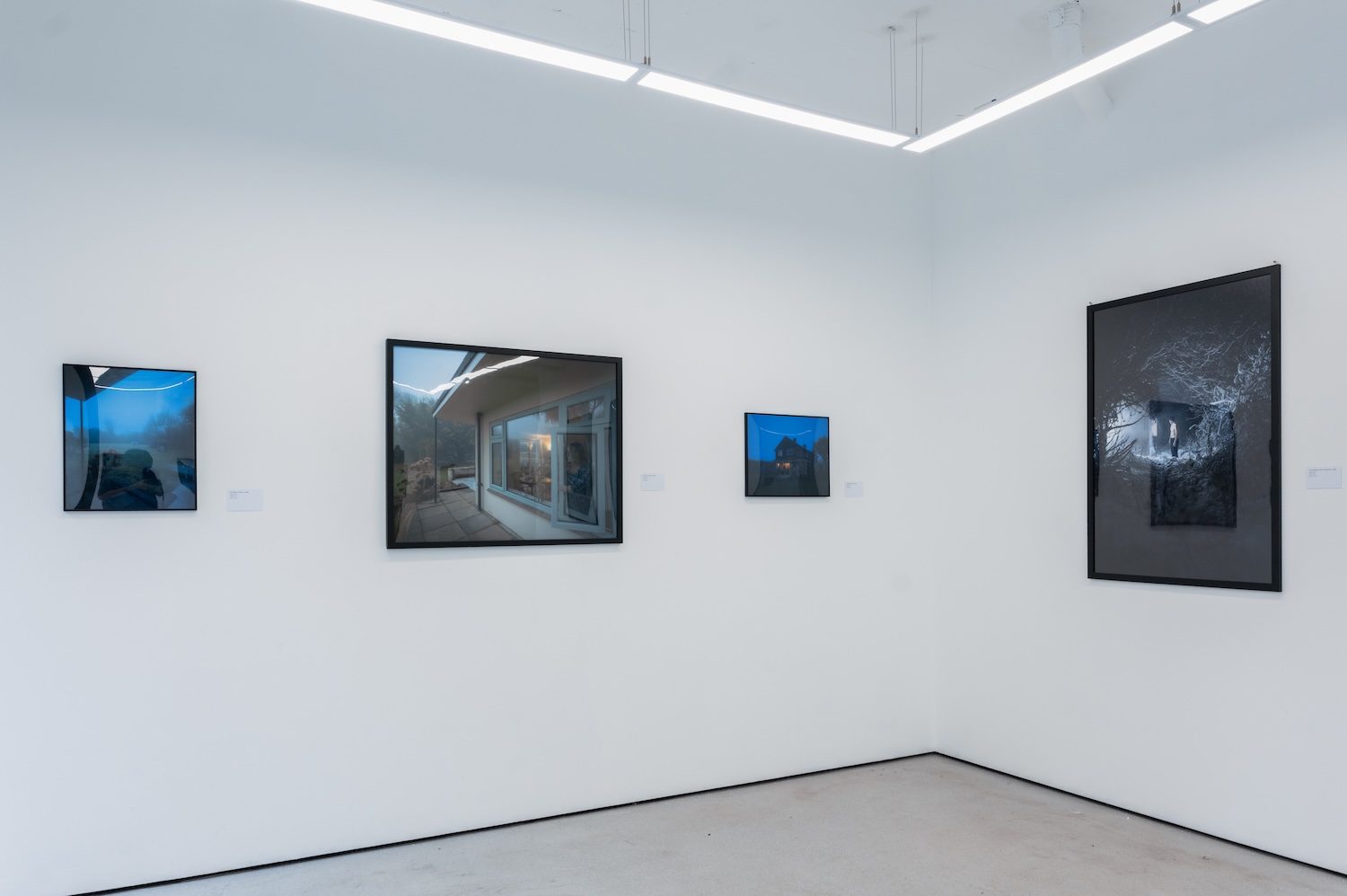
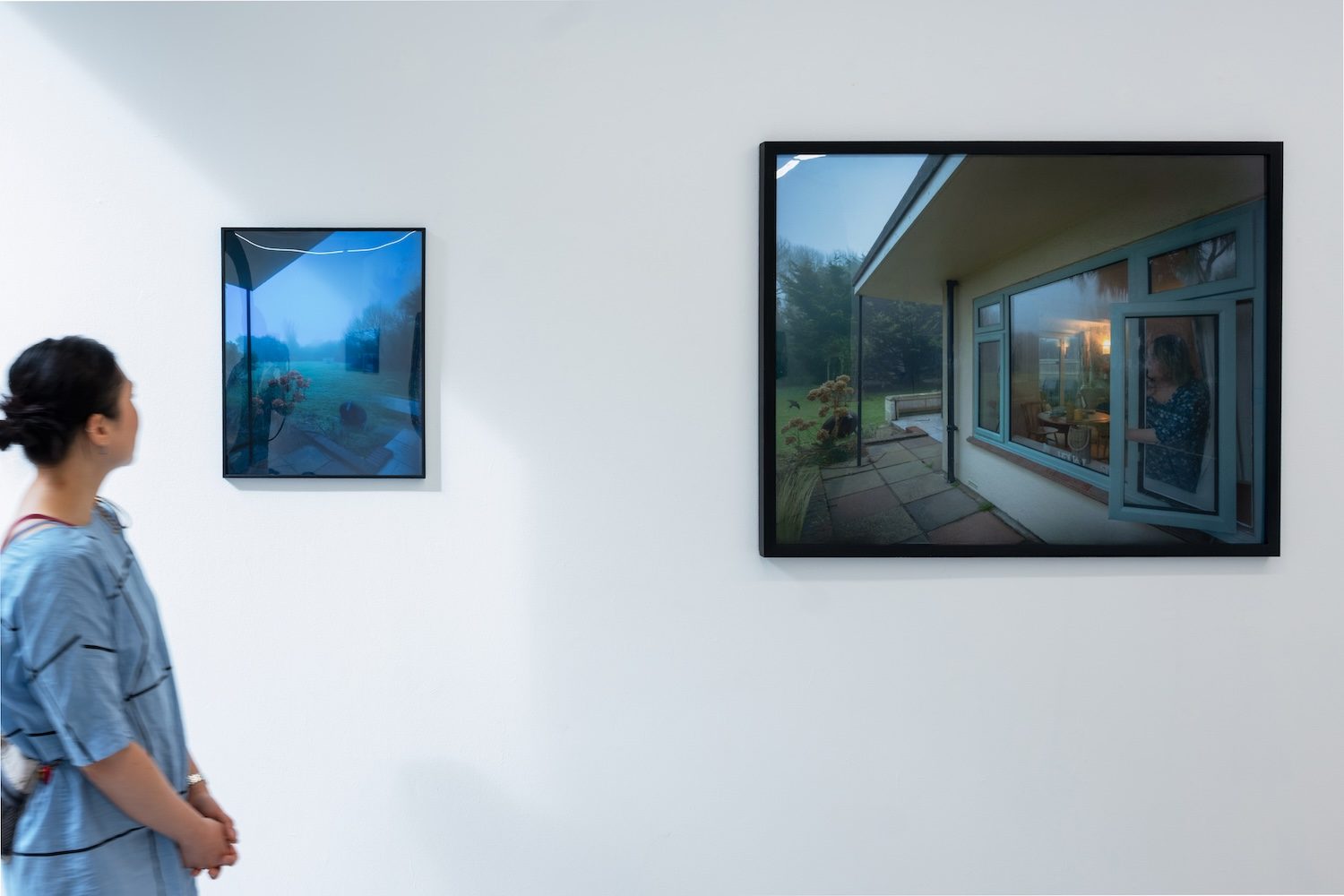
In the final series The Edge of Warmth, Yang considers the extremes of orienting one’s life either entirely around oneself or entirely around others, which he presents as ultimately leading to the same outcome: isolation. One extreme – prioritising oneself exclusively – may lead to complete isolation from others due to a lack of meaningful connection. While the other extreme – living solely to please others – may create isolation from one’s true self. In this series of three images Yang visualises a sense of complete isolation through the metaphor of a house in thick fog, which literally cuts the lone figure off, either physically from the rest of society, or metaphorically from a truer sense of self. This series ends the exhibition on a cautionary note, displaying the risks associated with both people pleasing and pleasing oneself.
The three series are installed together so that they read as a progression rather than three independent bodies of work. The viewer moves from a culturally embedded example of people pleasing, through its personal consequences, to a broader reflection on the isolation that can result from orienting one’s life around either oneself or others. By interrogating the inner self alongside the cultural traditions surrounding people pleasing, the exhibition prompts questions about identity, the consequences of orienting one’s life around the needs of others, and the sacrifices made in pursuit of others’ satisfaction.
Top image
Installation view of ‘Looking Back at You’, Lychee One Gallery, 2026.