In an age of endless scrolling, disappearing stories and a seemingly infinite stream of images, photography still has the ability to make us stop.
This month, the World Press Photo Exhibition 2026 returns to London, bringing together some of the most powerful examples of photojournalism and documentary photography from around the world. Opening at the new MPB Gallery on Bermondsey Street from 21st August, the exhibition offers something increasingly rare: the chance to slow down and spend time with the stories shaping our understanding of the world.
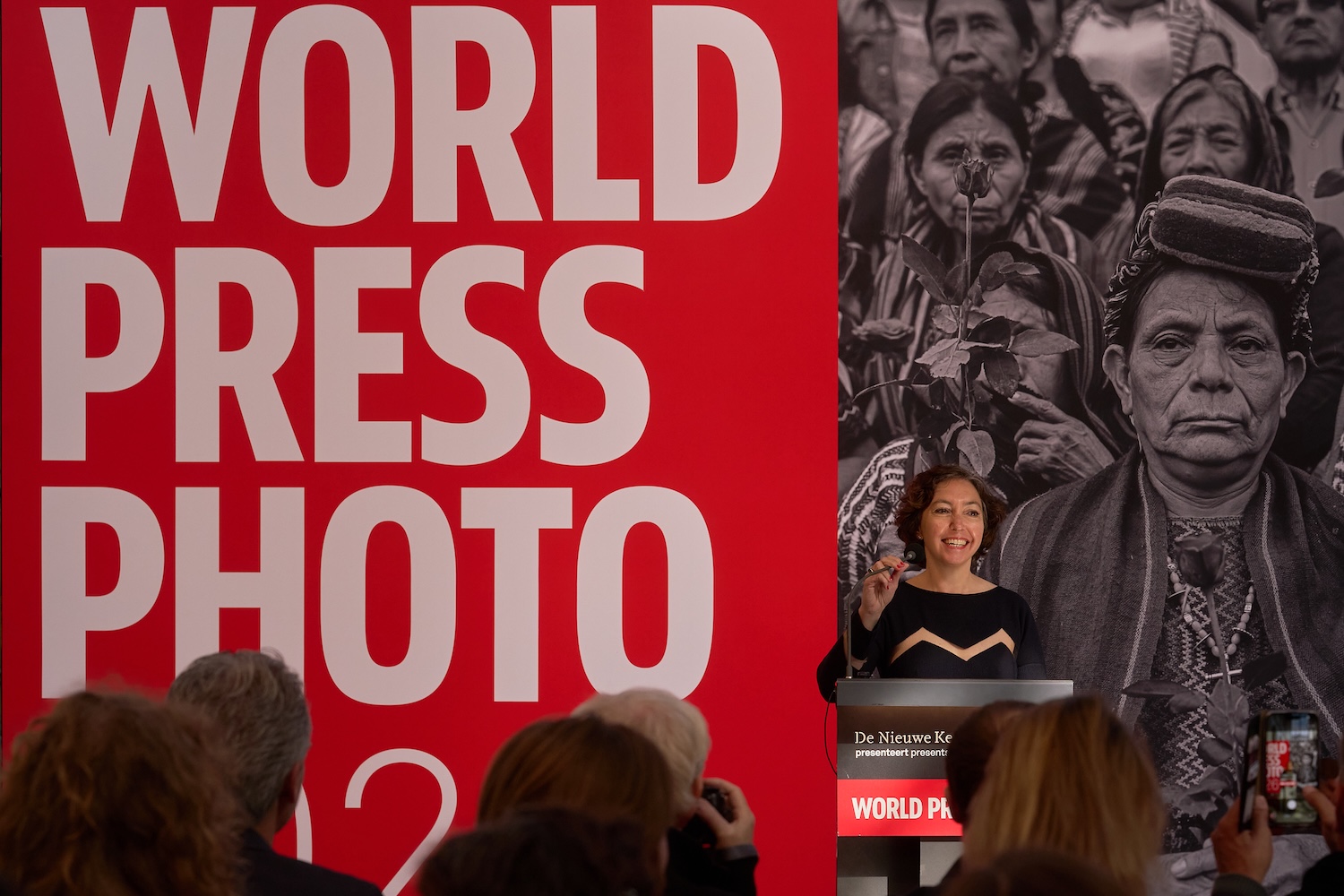
Now in its 70th year, World Press Photo has become one of the most important platforms for visual journalism anywhere in the world. Its annual contest recognises photographers whose work documents the defining events, people and issues of the past year, before taking those stories on a global journey. In 2025 alone, the exhibition reached more than four million people across more than 80 cities.
This year’s exhibition brings together the work of 42 awarded photographers, selected from 57,376 photographs submitted by 3,747 photographers from 141 countries. Behind those numbers are stories that range from conflict and displacement to environmental change, identity, culture and everyday human experience.
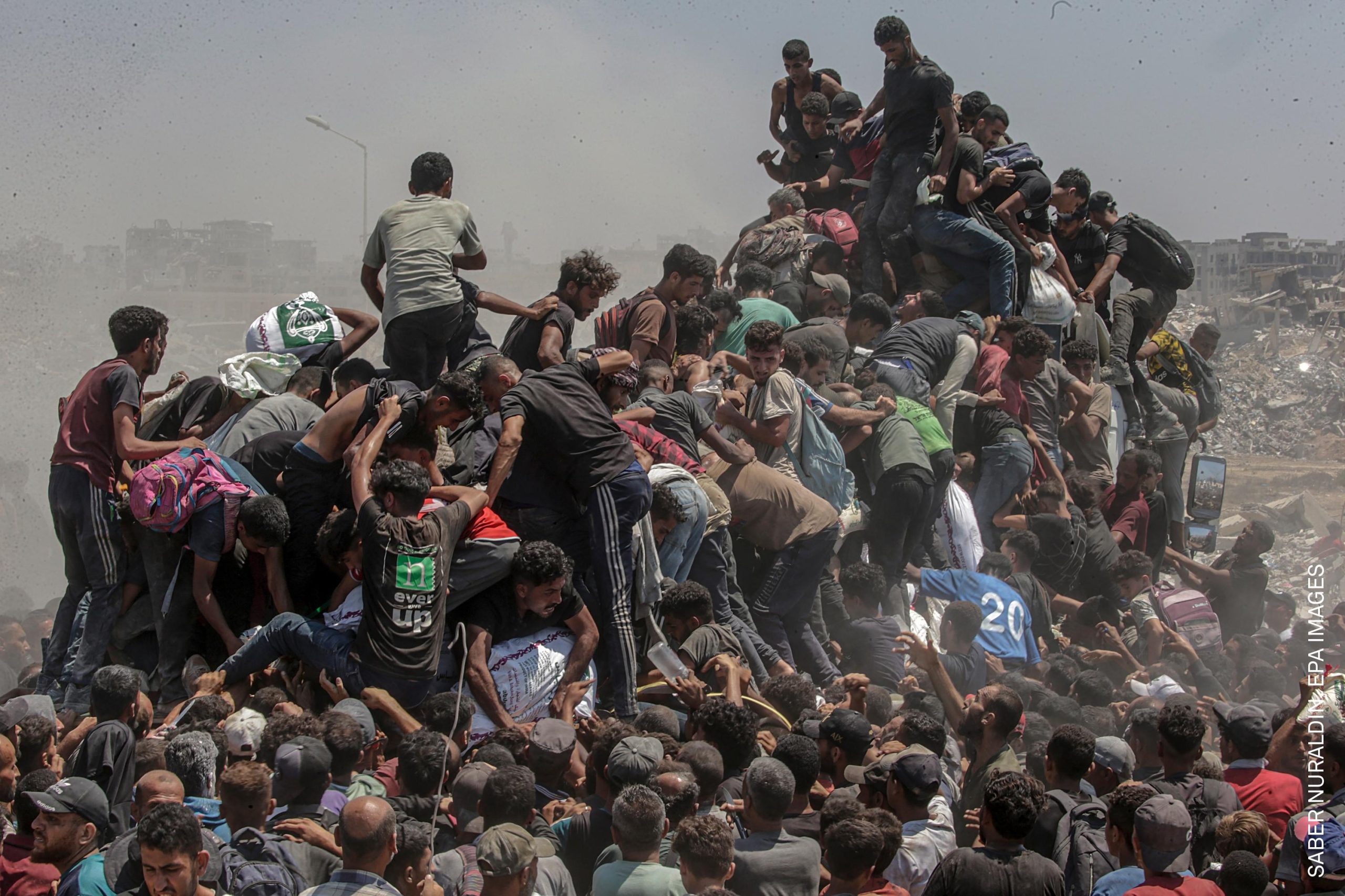
Palestinians climb onto an aid truck as it enters the Gaza Strip via the Zikim Crossing in an attempt to get flour, during what the Israeli military called a “tactical suspension” in operations to allow humanitarian aid through. 27 July 2025.
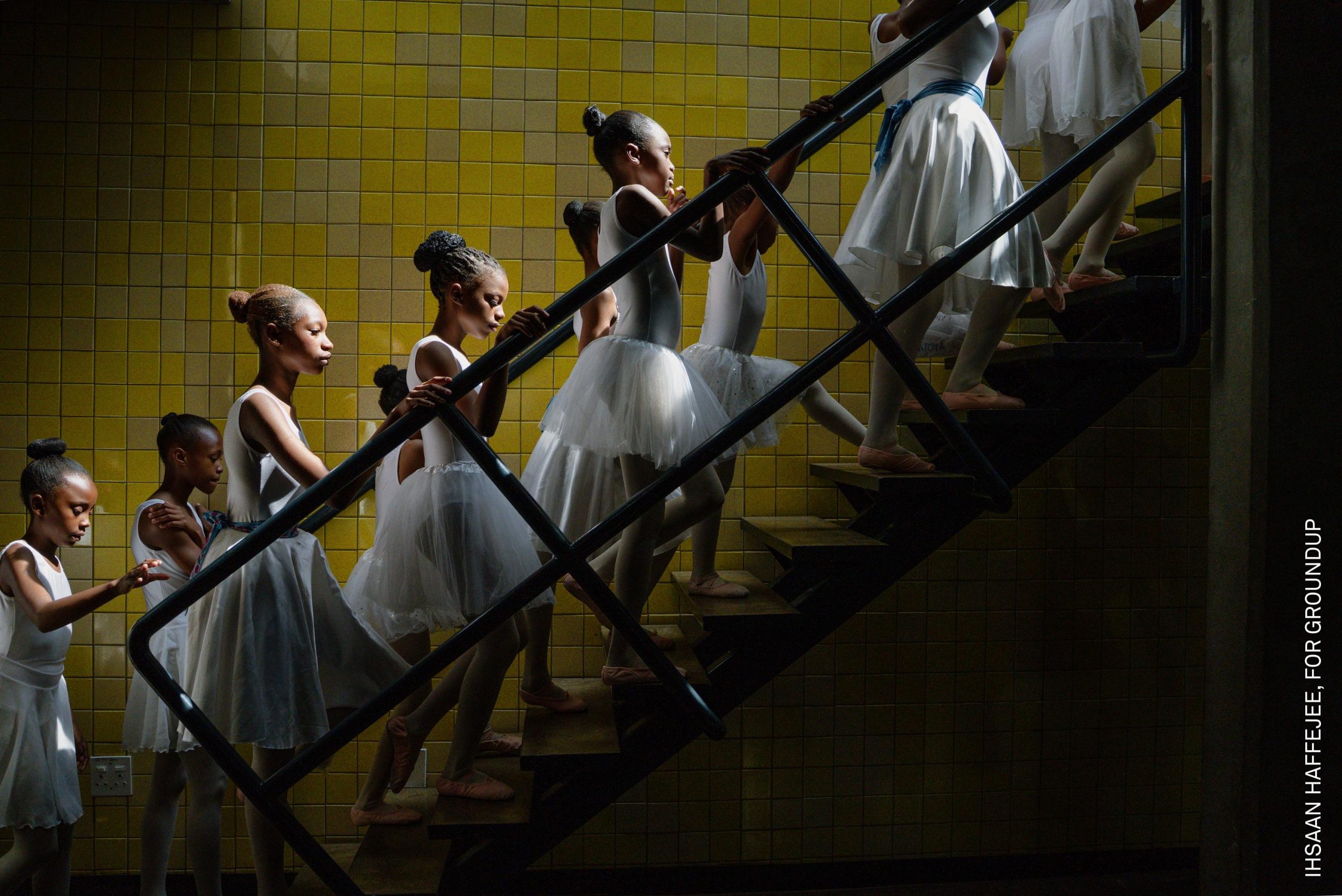
Young dancers from the Joburg Ballet School backstage at the Soweto Theatre during their year-end performance. Soweto, South Africa, 7 December 2025.
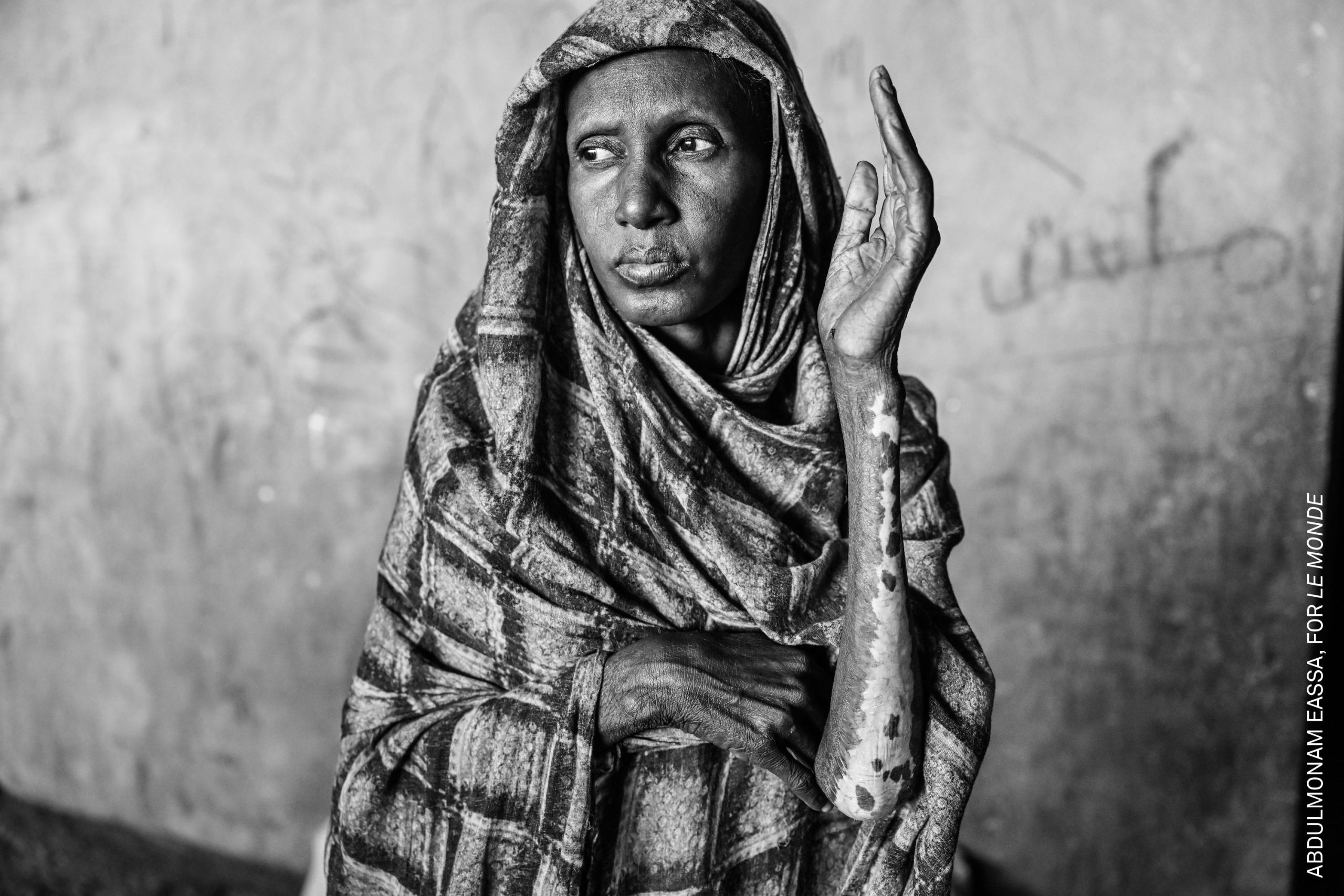
Alhaja Abdallah, a displaced woman from Bara, shows her scars from a fire at Al-Mohad camp. Paramilitary forces have set multiple displacement camps ablaze. El-Obeid, Sudan, 10 December 2025
What makes World Press Photo particularly powerful is the breadth of those stories. The exhibition doesn’t attempt to offer a single version of the world. Instead, it creates a space where different realities can exist alongside one another — sometimes uncomfortable, sometimes heartbreaking, occasionally uplifting, but always deeply human.
At a moment when trust in information is increasingly complicated, that feels more important than ever.
“At a time when truth feels increasingly fragile and contested, visual journalism stands as one of our most powerful tools for bearing witness and creating understanding,” says Kira Pollack, global jury chair of the 2026 World Press Photo Contest. “Photography has a unique ability to transcend language and borders, to shift perspectives, and to move policymakers and public alike toward action.”
It is a sentiment that speaks to the enduring power of the medium. A photograph can cross borders without needing translation. It can place you in a moment you have never experienced, introduce you to someone you will never meet, and make an otherwise distant story feel immediate.
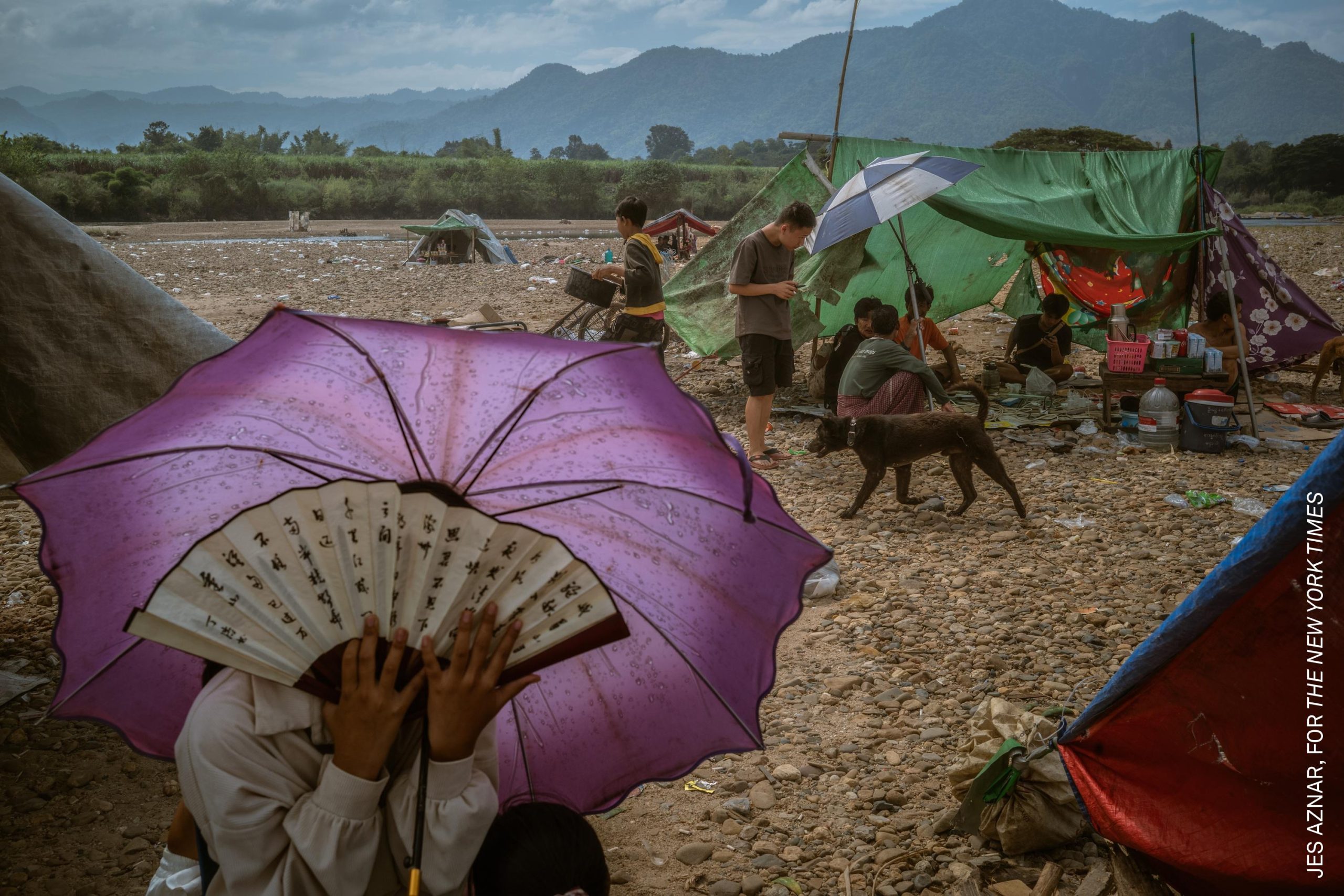
Stranded workers at a makeshift shelter near the Moei River. Many workers had their documents and passports seized by the scam center bosses and could not cross the border into Thailand. Min Let Pan, Myanmar, 5 December 2025.
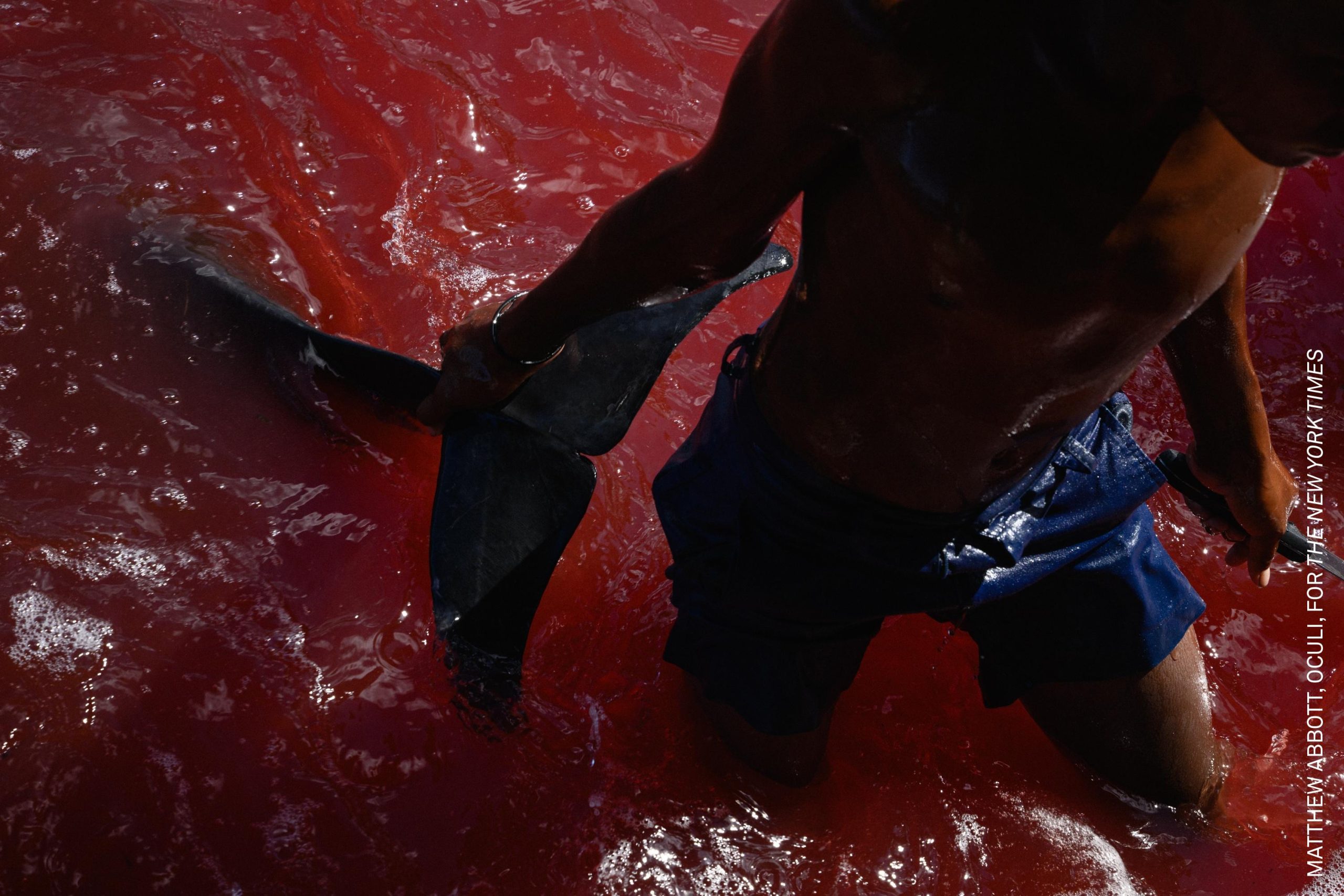
A young man drags a dolphin toward the shore in Walande. While Fanalei struggled this season, the larger sister community of Walande successfully landed a catch to share across the Surodo Lagoon. Maramasike Island, 11 February 2025.
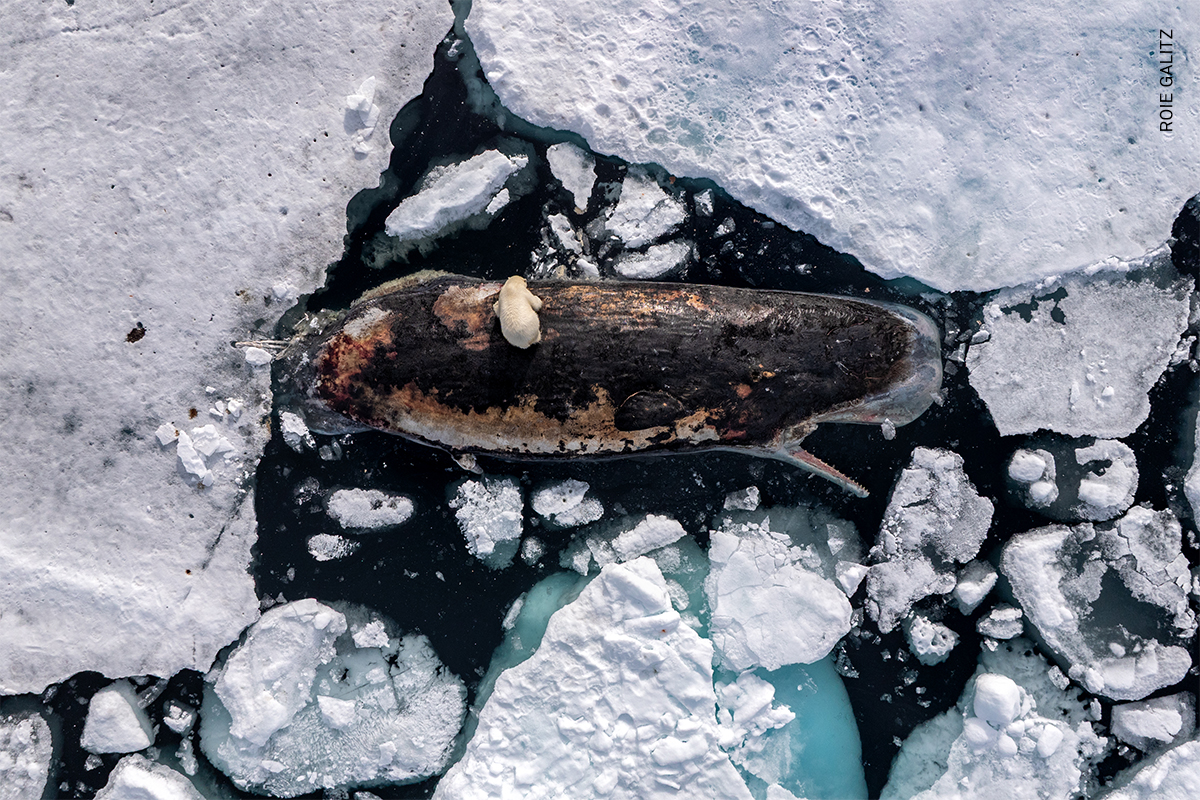
A female polar bear feeds on a sperm whale carcass in the polar pack ice north of the Norwegian archipelago, Svalbard. 82° North, International Waters, 8 July 2025.
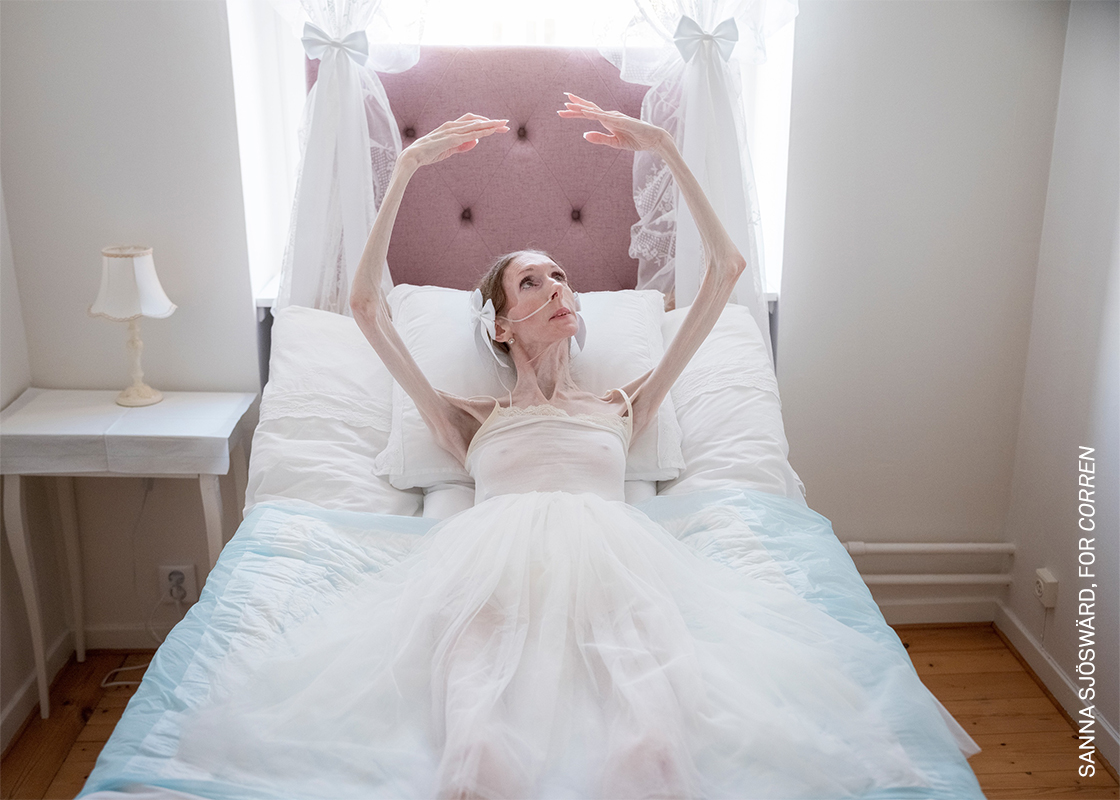
Engla Louise’s “bed ballet” – movements performed lying down – keeps her connection to dance alive. Every day at a specific time, she watches ballet on her iPad. Linköping, Sweden, 22 December 2025.
For London Exhibition Director Woody Anderson, that emotional connection is at the heart of the exhibition.
“It’s an honour to bring the World Press Photo Exhibition back to the UK once again,” he says. “Seeing it grow with every year highlights just how important these stories are in the times we’re living in. The most powerful moment is watching someone experience the exhibition for the first time, the emotion they feel, and seeing them return year-on-year.”
That idea of returning is significant. In a culture increasingly built around the new, World Press Photo asks us to look again. To spend more than a few seconds with an image. To understand the circumstances behind it, the person who made it and the people whose lives it represents.
Since its foundation in 1955, the World Press Photo Foundation has championed independent photojournalism, creating a platform for photographers working in some of the most challenging environments on earth. Many of the images featured in the exhibition are the result of extraordinary access, patience and personal risk.
The result is not simply an exhibition of great photographs. It is an evolving visual record of the world we are living through.
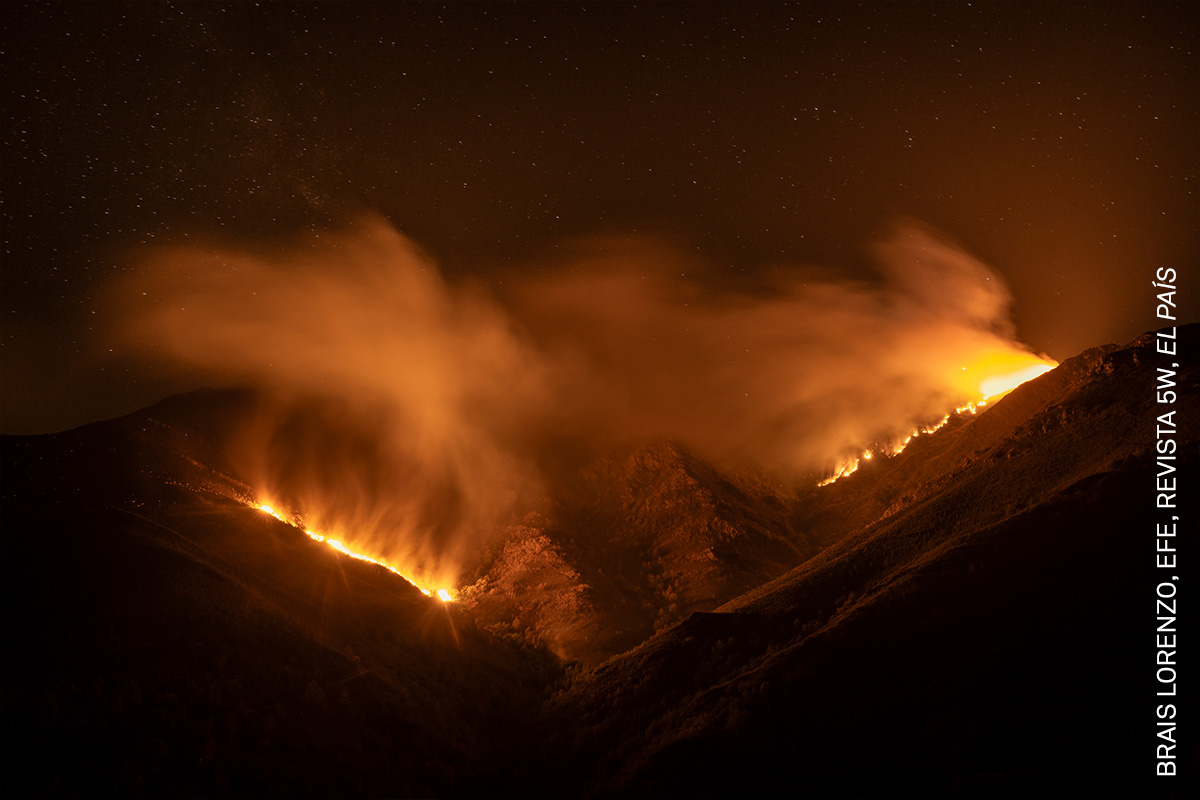
The Larouco wildfire, the worst in Galicia’s recorded history, burns through the night as flames reach O Courel – a mountain range of great biodiversity. Sierra de O Courel, Galicia, Spain, 19 August 2025.
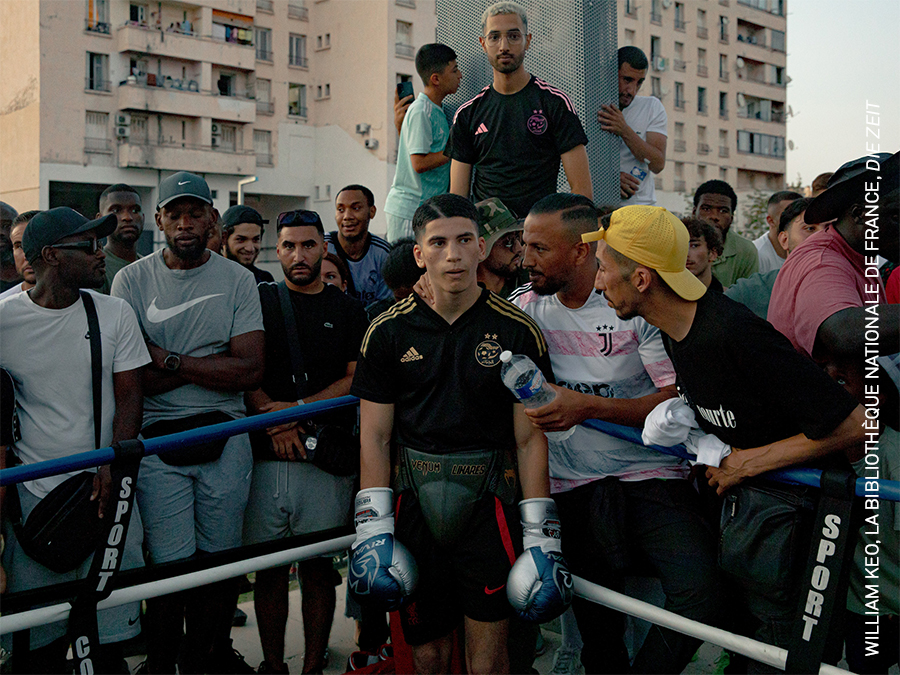
Mehdi, of Algerian origin and originally from the Bosquets housing project in Montfermeil, competes in a street fight organized by CanalPourss, a local initiative that uses boxing to reduce violence. Marseille, France, 27 July 2024.
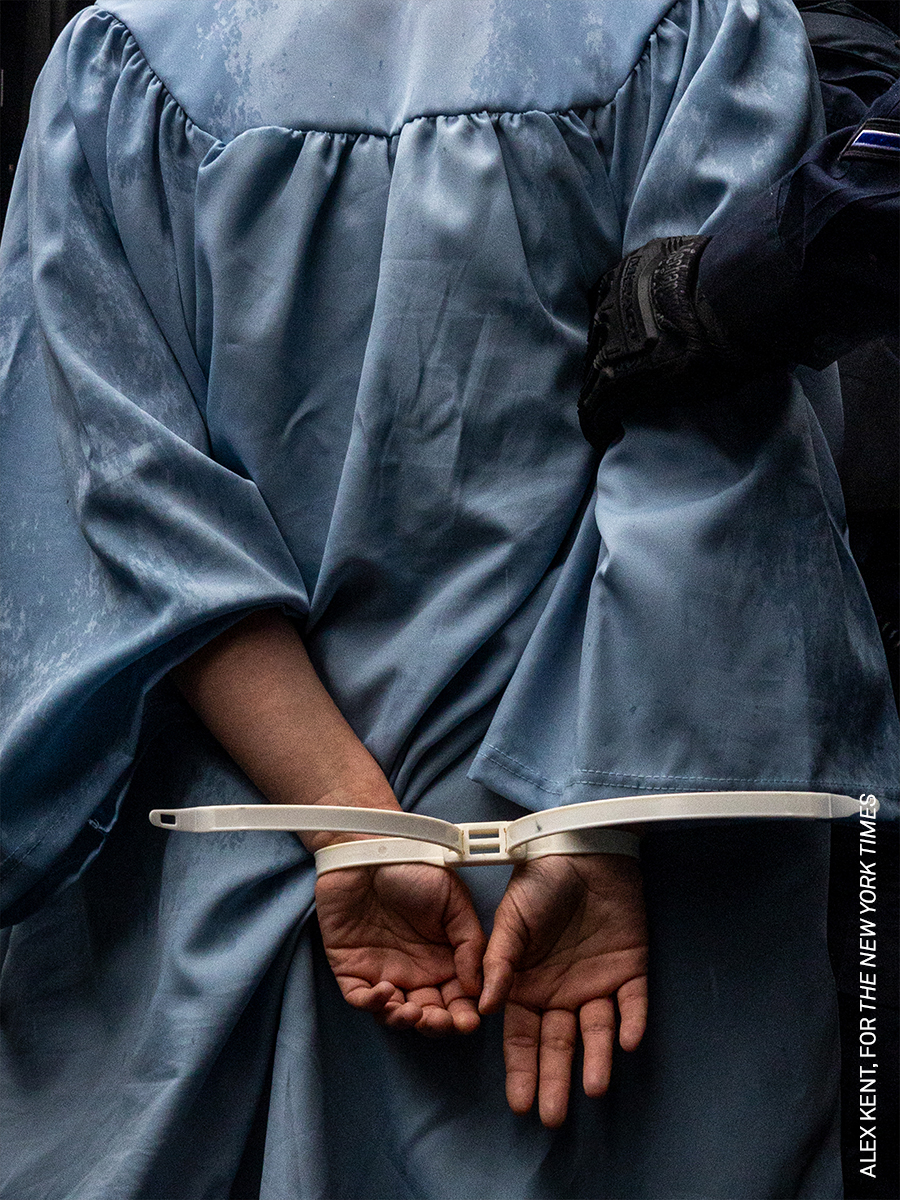
Barnard College alumna Jesse Pearce is arrested outside Columbia University’s commencement ceremony. Along with current students, alumni protested the institution’s ongoing financial ties to Israel. New York City, New York, United States, 21 May 2025.
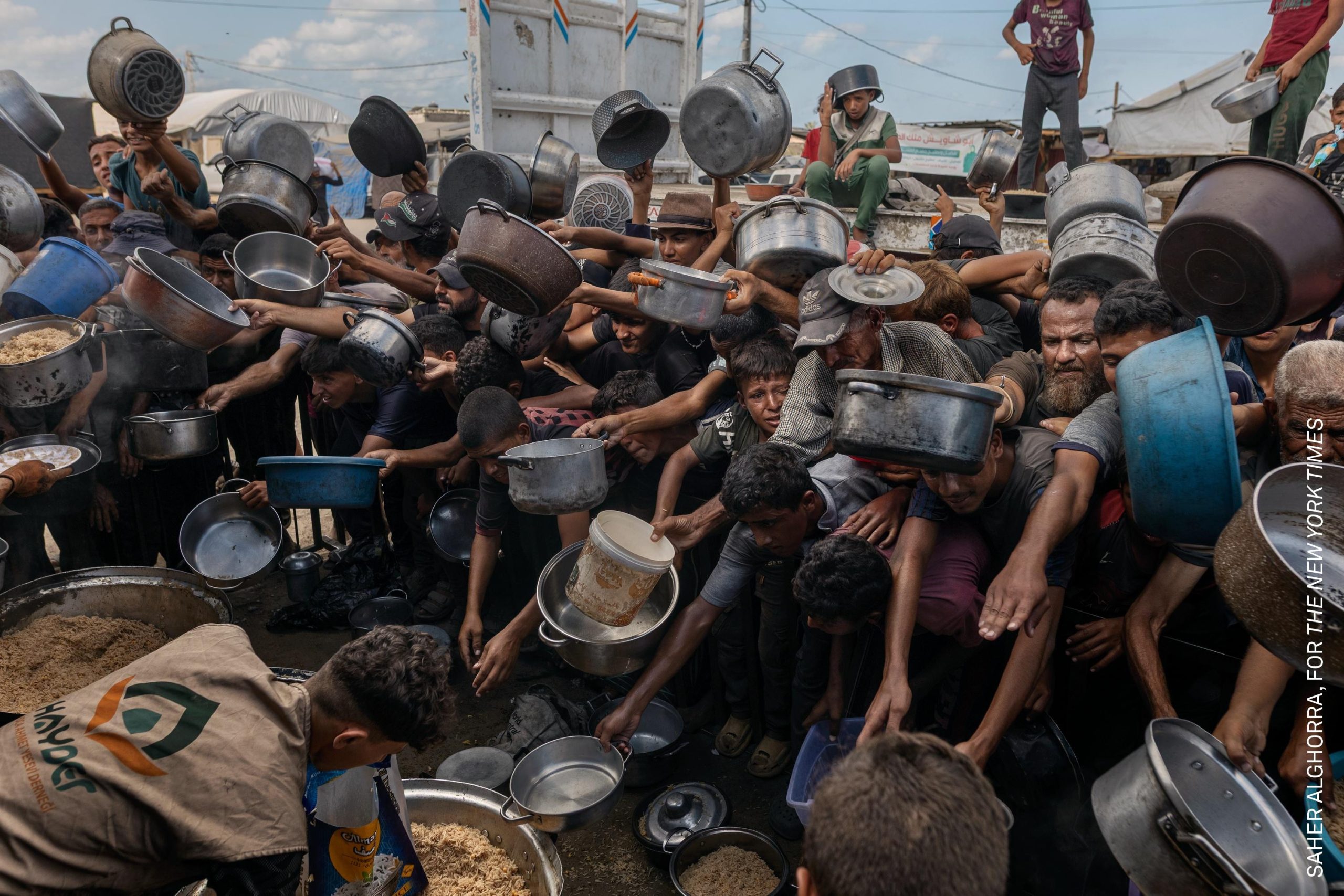
Palestinians at Al-Mawasi displacement camp wait for a meal. Local charity kitchens were one of the only food sources for many of Gaza’s displaced. Khan Younis, Gaza Strip, 21 September 2025.
For its third consecutive year, MPB is supporting the London exhibition. As one of the world’s largest platforms for buying, selling and trading used photo and video equipment, MPB’s involvement reflects a shared belief in the importance of making visual storytelling accessible.
“At MPB, we believe photography has the power to inform, inspire and connect people across the world,” says Sophie Collins, CMO of MPB. “Supporting the World Press Photo Exhibition reflects our commitment to championing visual storytelling and making photography more accessible to everyone.”
For anyone interested in photography, journalism, politics, culture or simply trying to make sense of the world around them, the exhibition offers a chance to step outside the constant flow of information and encounter these stories on their own terms.
There is also something uniquely powerful about experiencing this work physically. Large-format photographs demand attention in a way a phone screen rarely can. Standing in front of an image, surrounded by the work of photographers from dozens of countries, changes the relationship between viewer and photograph.
World Press Photo Exhibition returns to London on Friday 21st August to Wed 30th September 2026 at London’s MPB Gallery. For tickets visit www.tickets.theexhibitionists.co.uk