At Unlimited Studios in Long Branch, the Filipina-American producer is betting that a safer, more independent film business can be built from the ground up in New Jersey.
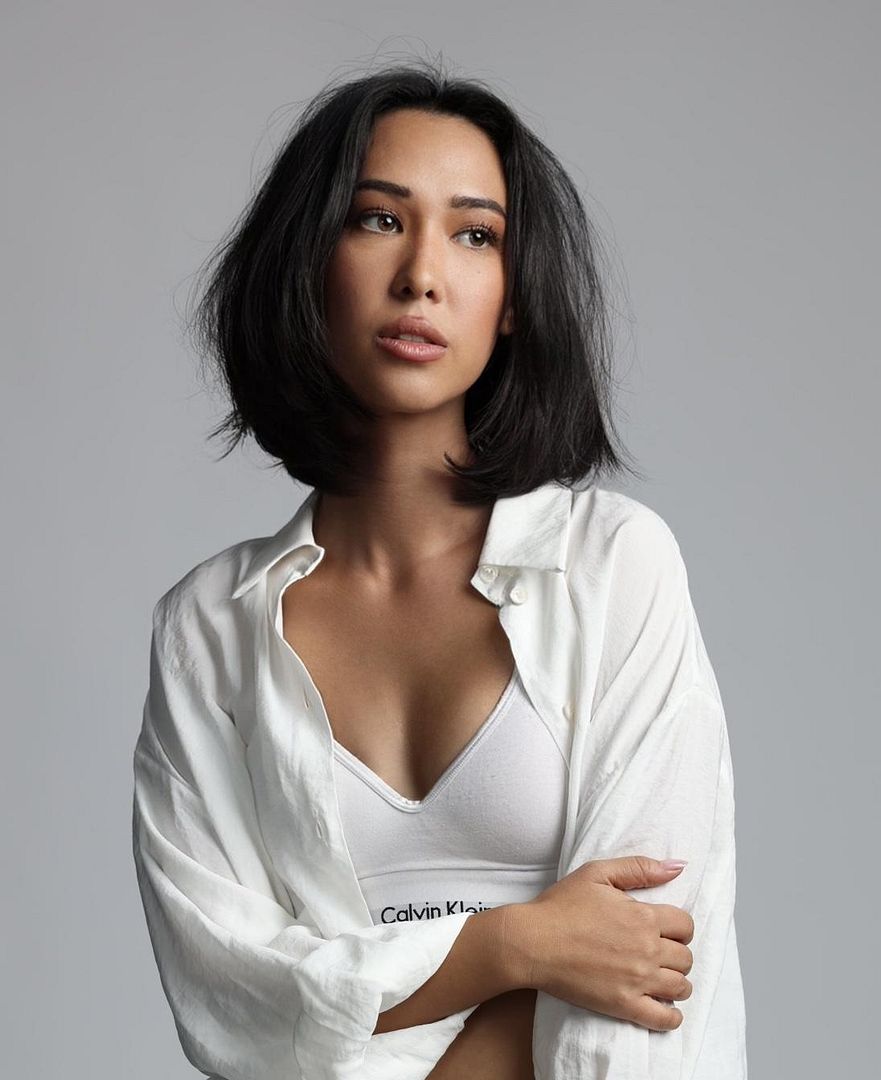
A soundstage is only potential: blank floor, blank walls, a room waiting for somebody to decide what belongs inside it. Madison Santos knows that the real power in filmmaking has never rested in the building alone. It belongs to the people who decide which stories move forward, whose work gets financed and who is allowed to feel at home once the cameras begin to roll.

That idea sits at the center of Unlimited Studios, the 3,000-square-foot production facility Santos co-founded with Coleman Wilson at 122 Myrtle Avenue in Long Branch, New Jersey. The studio opened in June with a cyclorama wall large enough for a vehicle, a four-seat video podcast studio, editing suites, wardrobe space, equipment rentals and production support from prep through post. But Santos does not describe the venture as a collection of rooms for hire. She sees it as a bid to redistribute opportunity.
“I started my production company to be able to produce the stories that I believe in. Unlimited Studios is just an extension of that goal so that anyone can create their own stories. I am only one person who can only make so many movies. Creating a physical space where no matter who you are, you have a safe and supportive space that you can finally feel like you can belong to by being who you naturally are – a creative that draws from your own unique experiences and how your unique mind works/processes the world around you. I wanted a space where you can take up space and shine as bright as you can. It sounds fancy and exciting when the Warner Bro’s of the world wants to work with you, but when you’re there you realize these places were not made for you to belong, it was made for you to assimilate. I am creating the space I always wish I had as a woman of color when I was finding my place in this industry. A place to invest myself and my craft, to make mistakes, to learn with a community.”
Santos is entering the studio business at a pivotal moment for New Jersey. Netflix is developing a nearly $1 billion production campus at the former Fort Monmouth, Paramount-backed 1888 Studios is under construction in Bayonne and Lionsgate has established a facility in Newark. State incentives have helped turn New Jersey into one of the country’s most closely watched production markets.
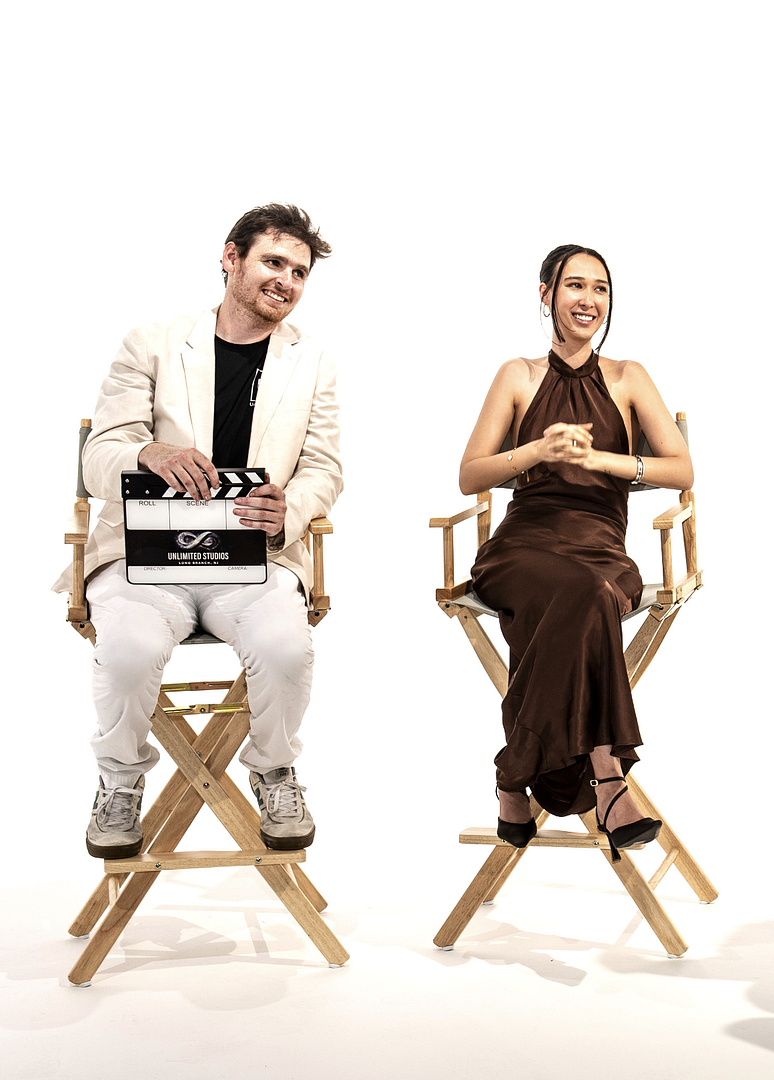
The growth has produced no shortage of headlines about scale. Santos is more interested in access. Unlimited Studios is positioned on the Jersey Shore, close to the independent filmmakers, students, small businesses and creators who may never set foot on a sprawling corporate lot. In July, the company opened its first development slate by inviting New Jersey writers to submit horror and psychological-thriller projects that could be filmed in the state. The process began with one-page treatments, moved to full scripts and was designed to culminate with three finalists pitching the team.
“The headlines are about the giants, but the rising industry in New Jersey needs studios in its towns, not just on its skyline,” Santos said when the program was announced. “Everybody is watching the concrete get poured. Concrete is not a movie. A stage is an empty room until somebody writes something worth putting in it. We would rather find the next New Jersey horror filmmaker here, on our own floor, than read about one in five years who had to leave the state to get made. We are not just renting space. We are reading.”
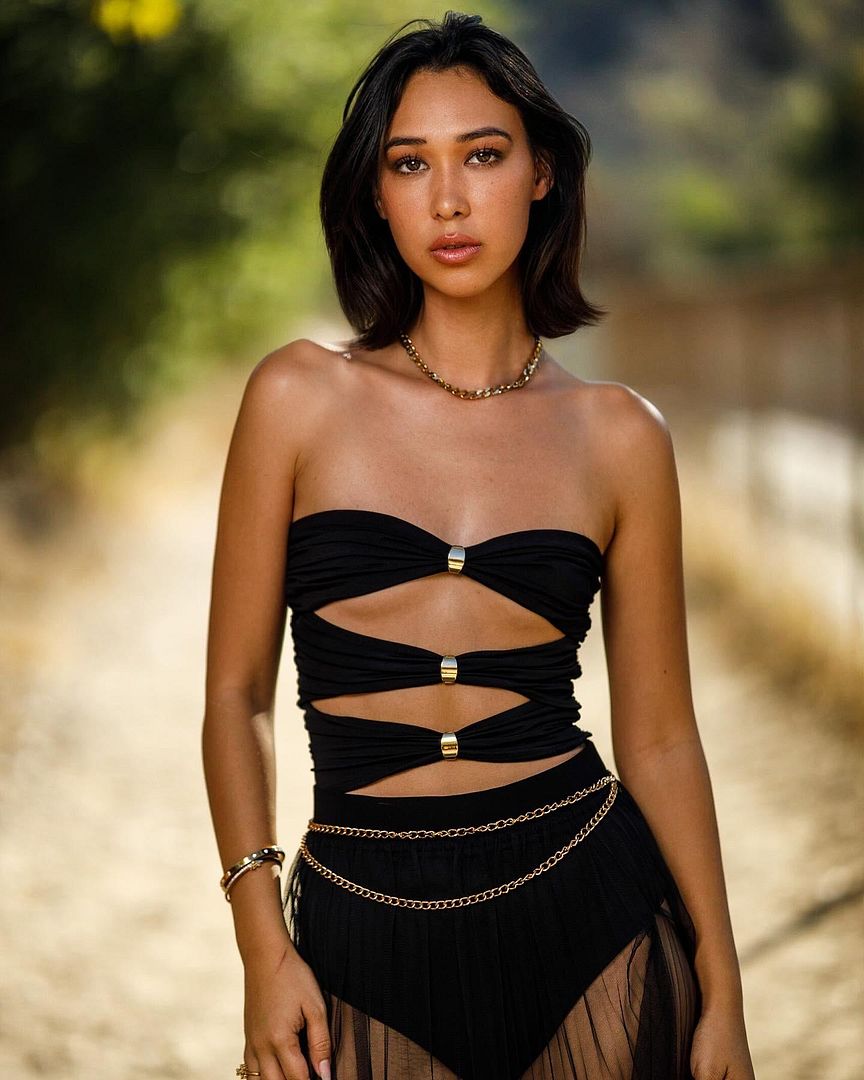
For Santos, representation is not principally a matter of who appears in front of the camera. It is about authority: who writes, produces, hires, casts and controls distribution. She has pointed to the scarcity of Filipina-American women who own or co-own film studios as evidence of how narrowly that authority has historically been held. Her argument is straightforward. New stories do not reach audiences simply because established decision-makers promise to look for them; different people must be present when the decisions are made.
“Inclusion, to me, means that all voices are heard. If you have Asian characters, you should have Asian writers, producers, etc. who actually get a say in how those characters are portrayed, named, or casted. Inclusion means that all types of people are the ‘main characters’ that come from their mindsets and perspectives. Not just the side kick, side character, side story driving only one type of person’s story. Inclusion means heads of departments come from all different backgrounds so the stories can be more expansive and layered because so many different perspectives went into every detail. Inclusion means women and people of color are running big studios, networks, distribution companies, chains of theaters, making decisions on what gets made and gets seen.”
That emphasis gives Santos’s work a sharper edge than the familiar language of corporate inclusion campaigns. Her concern is not merely whether a production looks diverse in a publicity still. It is whether people have the leverage to challenge a portrayal, reject a predatory contract, protect a child performer or speak about misconduct without believing that their career will disappear.
“First and foremost, I just want a safe industry. Where auditions are just auditions, when you’re on set the only expectation is for you to do the job you were hired for. Where contracts aren’t predatory, where children that choose to work are protected, where people aren’t silenced or feel like they can’t speak up in order to keep their job. No matter what you identify as, no matter what race you are, you are safe and protected. Not just the privileged rich few.”
Safety, in this formulation, is not a perk or a branding exercise. It is infrastructure. Santos wants mental-health awareness integrated into her sets, and she talks about the studio as a place where creative people can practice, fail, learn and return. The goal is not to make the work comfortable. It is to make the conditions honest enough that discomfort can belong to the creative process rather than to exploitation.
The same distinction shapes her defense of independent film. Major studios possess the capital, distribution muscle and marketing machinery to make their releases appear inevitable. Independent filmmakers often depend on audiences to do the work that corporate campaigns buy: notice a film, pay to see it and tell someone else.
“It’s never easy putting your subjective artwork into the world. The best way you can support artists is by putting our money where our mouth is. When an Independent artist makes a movie, go watch it. Spend your money on Independent art instead of large corporate soulless media. The less attention and money we give to the big studios and the corporations, the more independent artists’ visibility will grow. Share artists’ media with friends, family, followers. Not every movie will have millions in marketing to make their movie or art known. Our audience is our marketing, word of mouth, and social media is our way to get eyeballs on our projects.”
There is an underdog’s impatience in Santos’s vision of New Jersey. She sees a state rich in talent and locations, accustomed to being underestimated and newly prepared to compete with the production centers that once seemed immovable. Unlimited Studios is deliberately smaller than the projects transforming Fort Monmouth, Bayonne and Newark. Its wager is that proximity and participation can matter as much as acreage.
That wager also asks something of the people the studio was built to serve. Santos does not promise rescue. She asks filmmakers to invest in their own work, use the space, attend events, share projects and help create an audience capable of sustaining an independent ecosystem.
“Like many of us, I struggle with asking for help. I believe that a better industry for everyone inherently helps me. That’s the whole reason for the studio. I see the studio as an investment in Independent filmmaking. But I’m just a normal person, I’m not a billionaire, not a nepo or trust fund baby. This is a studio built by hand by Independent Filmmakers for Independent Filmmakers. And we need the Independent community to keep it going. We aren’t here to do things for you, we created a space for you to finally do it yourself. This isn’t the place where you hope and pray that someone else will make it happen, you get to make it happen for yourself.”
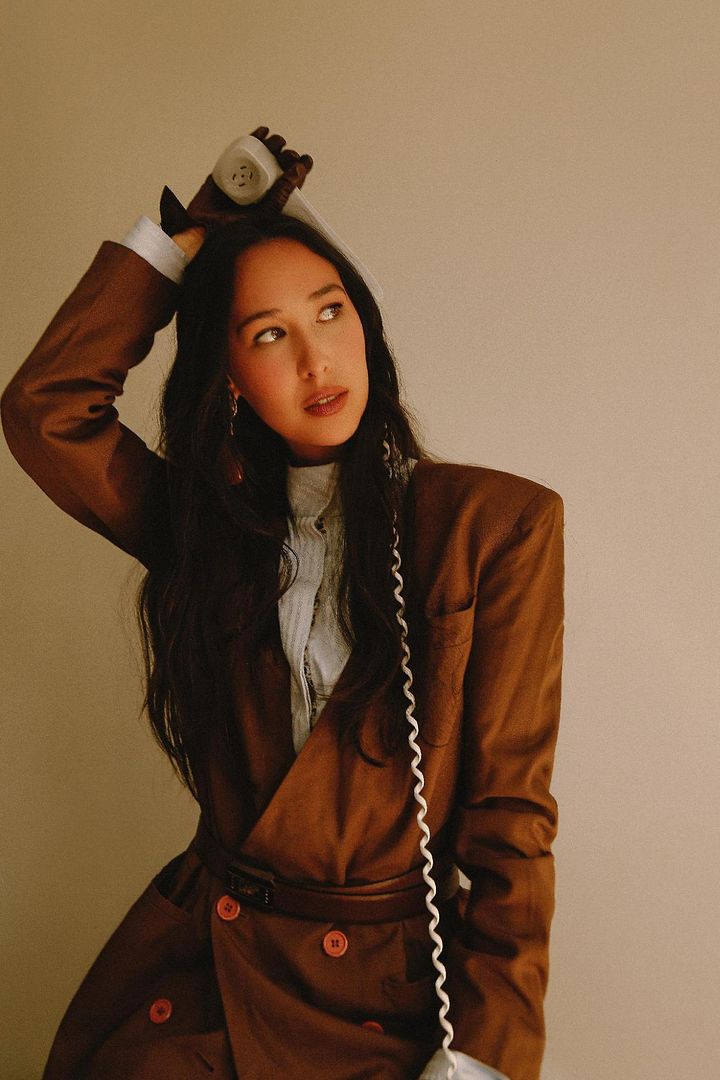
The ambition is large, but Santos’s account of change begins on a smaller scale. Before she could alter an industry, she says, she had to stop waiting for it to grant her permission.
“The change I feel like I have been able to give to the industry is actually internal. It has been a journey of myself learning to take up space, that my voice and stories matter, that I deserve to be heard. That the changes I want to see outside of myself have to be the changes I need to see within myself first. If I want to see more women in the industry making decisions, then I can just be the woman making decisions. By making that change in myself, it’s actually happening in reality. In building how I want to show up in this industry, the industry has started to show up in that same way. Through this, I hope to create change by leading by example, showing all women, WOC, POC, that these things can be done and they deserve to be here with me in this journey. I bring mental health awareness to my sets because I am internally already making sure that mental health is being integrated with my work.”
On Myrtle Avenue, that decision has taken physical form. The room is no longer hypothetical. The lights, cameras and editing bays are there. So is a studio owner who understands that opening a door matters only if the people who enter are trusted to decide what happens next.