You stand in line, already tired, trying to decide what to eat, and everything feels either too heavy or not quite right. The menu looks fine, but nothing really fits how you feel in that moment. Eating out has become easier, but choosing something that actually works for you still feels oddly difficult.
Places like Gatlinburg have always leaned into that balance. Travelers come in after long days, not always looking for something complicated, just something that feels fresh and filling without being overdone. The food scene there reflects that mix. You see it in how meals are built, how options are offered, and how people tend to take their time deciding what goes on their plate.
The Shift Toward Choice Over Fixed Meals
Dining used to follow a simple pattern. You ordered a dish, it arrived as designed, and that was the experience. It worked, but it left little room for adjustment. Over time, that model started to feel limiting, especially as people became more aware of what they eat and how it affects them. Salad bars, in a way, pushed back against that rigidity. They offered something different. Instead of committing to one dish, diners could shape their own meal. It made the experience feel more personal, even in a casual setting.
Why Build-Your-Own Dining Still Holds Up
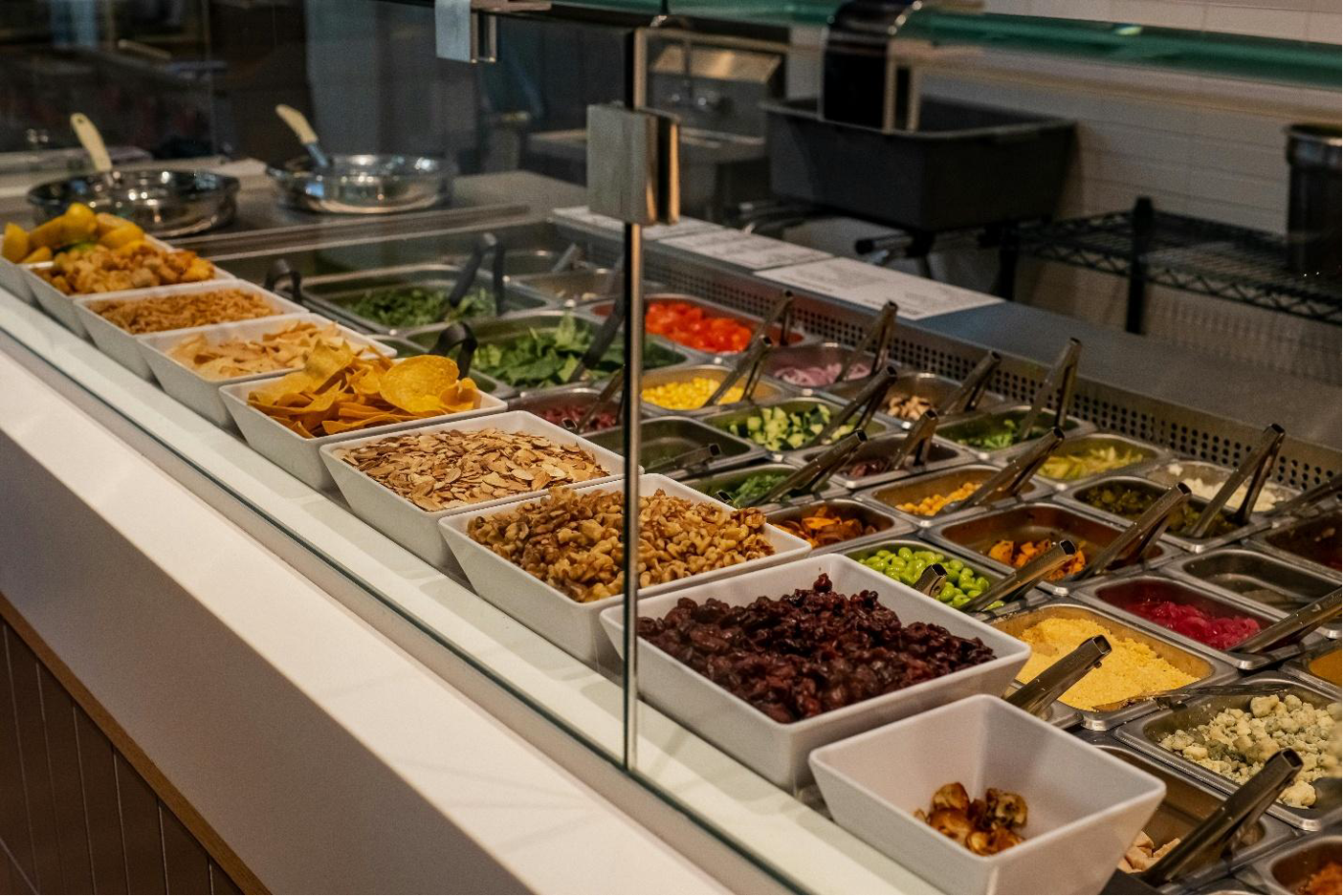
There is something steady about being able to choose each part of your meal. It removes the guesswork. If you want something light, you can keep it simple. If you are hungrier, you add more. It adjusts without needing a special request or explanation. This is why people still lean toward dining at a restaurant with salad bar, like The Park Grill in Gatlinburg. The restaurant offers a rustic dining experience with a standout salad bar known for its wide variety and freshness. Guests can enjoy dozens of ingredients, from crisp vegetables to unique toppings like smoked oysters, all included with meals. The setting, quality food, and well-stocked bar keep visitors coming back.
This kind of setup also reduces the pressure that comes with ordering. You are not trying to predict how a dish will turn out. You see the ingredients, you decide, and you move on. It sounds small, but it makes the experience smoother, especially for groups where everyone wants something slightly different.
Freshness That Feels Immediate
One of the things that keeps salad bars relevant is how fresh the food feels. It is right there in front of you. You can see it, choose it, and build your plate without waiting for it to be prepared out of sight. That visibility matters more than it used to. People are more aware of ingredients now. They look for freshness, even if they are not always strict about it. A salad bar answers that concern in a direct way. There is no guessing about what you are getting.
It also creates a different pace. Instead of waiting at the table, you are part of the process. You move through the options, take what you need, and adjust as you go. It feels more active, which changes how the meal is experienced.
Variety Without Complication
Menus have grown longer over the years. More options, more combinations, more descriptions. It can feel overwhelming, even when the choices are good. Salad bars simplify that in a strange way. They offer variety, but without forcing you to read through it all.
Everything is laid out. You see what is available, and you decide quickly. There is no need to interpret a menu or guess how flavors will come together. It is straightforward, even if the selection is wide. This approach works well for people who want flexibility without extra effort. It gives them options, but keeps the process simple. That balance is not easy to achieve, which is why it still stands out when it is done right.
A Different Kind of Comfort Food
Comfort food is often associated with heavier dishes, something warm and familiar. Salad bars offer a different version of that comfort. It comes from control and familiarity rather than richness. You build what you know you will enjoy. There is no risk of ordering something that does not meet expectations. Over time, people tend to develop their own patterns. They reach for the same combinations, adjust them slightly, and settle into a routine.
That consistency can be reassuring. It turns a meal into something predictable in a good way. Not boring, but reliable. In a setting where everything else can feel rushed, that reliability matters.
Adapting to Changing Eating Habits
Eating habits have shifted, slowly but noticeably. People think more about balance now. Not always in strict terms, but in how meals make them feel afterward. Heavy meals still have their place, but lighter options are getting more attention.
Salad bars fit into that change without needing to reinvent themselves. They already offer lighter choices, along with the option to add more substance when needed. It is a flexible system that adjusts without much effort.
Restaurants that recognize this tend to keep salad bars as part of their offering, not as a side feature but as something central. It reflects a broader change in how people approach food, even if they do not always articulate it that way.
The Social Side of It
There is also a social aspect that is easy to overlook. Salad bars create movement. People get up, walk around, and interact in a different way than they do when seated the entire time. In group settings, this can make the experience feel more relaxed. Everyone builds their own plate, at their own pace. There is less waiting, less coordination, and fewer compromises. It removes small points of friction that tend to build during shared meals.
It also changes the rhythm of the meal. Instead of everything happening at once, it unfolds in stages. People go back for seconds, adjust their choices, and stay engaged a bit longer.
Salad bars have been around for a long time, and for a while, it seemed like they might fade out. Trends shift, dining styles change, and new concepts take over. But they have held on, not because they are new, but because they solve a basic problem. They make eating out simpler without making it less enjoyable. They give control without adding complexity. And in a world where choices keep expanding, that kind of simplicity becomes more valuable, not less.