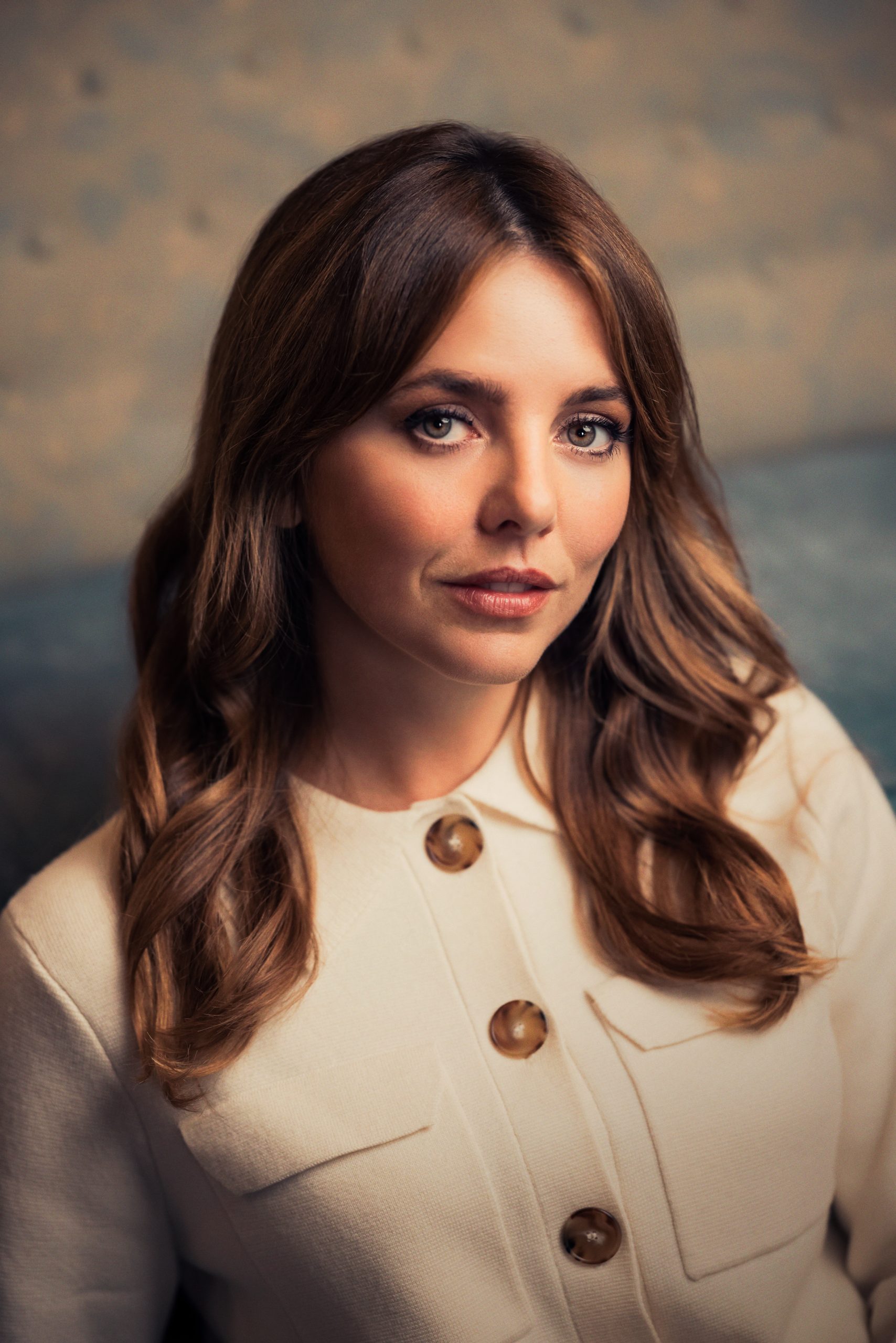
Ophelia Lovibond has been acting professionally since the age of 12, when she landed her first television role in the Channel 4 sitcom The Wilsons. Her introduction to performing came through YoungBlood, an affordable youth theatre group held at the old Riverside Studios, close to the West London housing estate where she grew up.
Since then, she has built an impressively varied career across television, film, and theatre. Her screen credits include the BBC satire W1A, the 1970s-set comedy Minx, and a brief but memorable appearance as Carina in Guardians of the Galaxy. On stage, she made her professional theatre debut in Lucy Prebble’s The Effect before starring as Ruby Webb in Jez Butterworth’s The Hills of California, which transferred from the West End to Broadway.
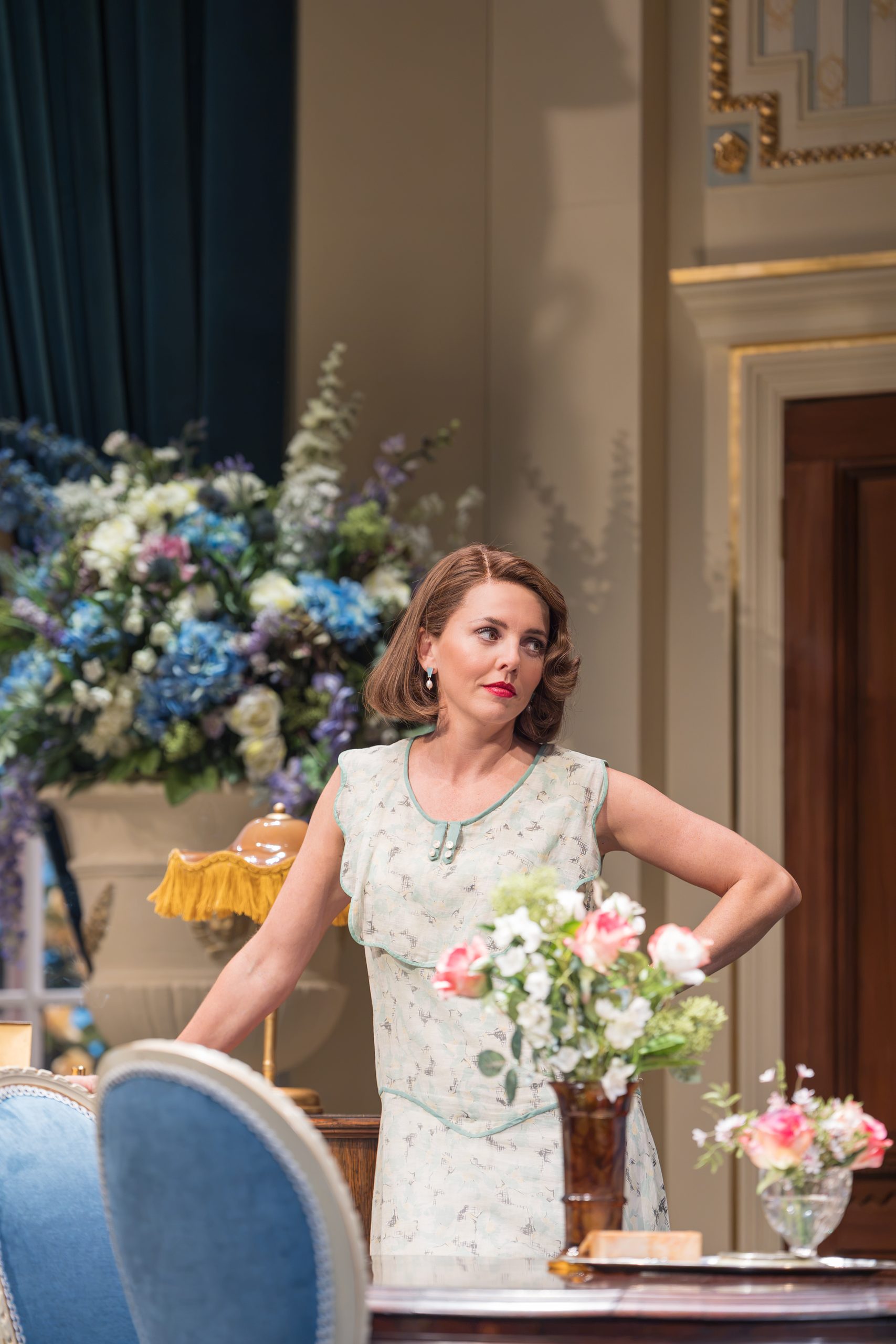
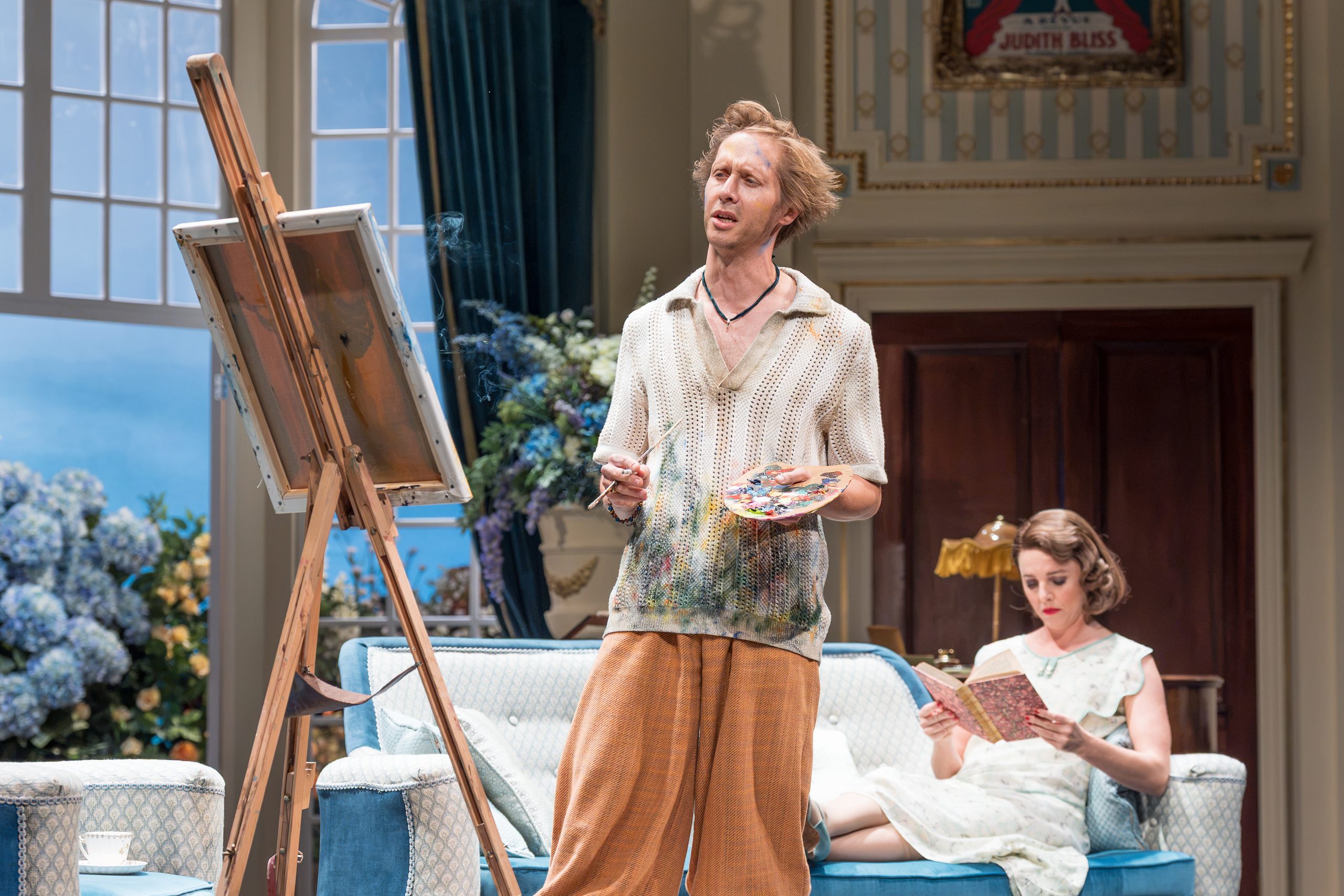
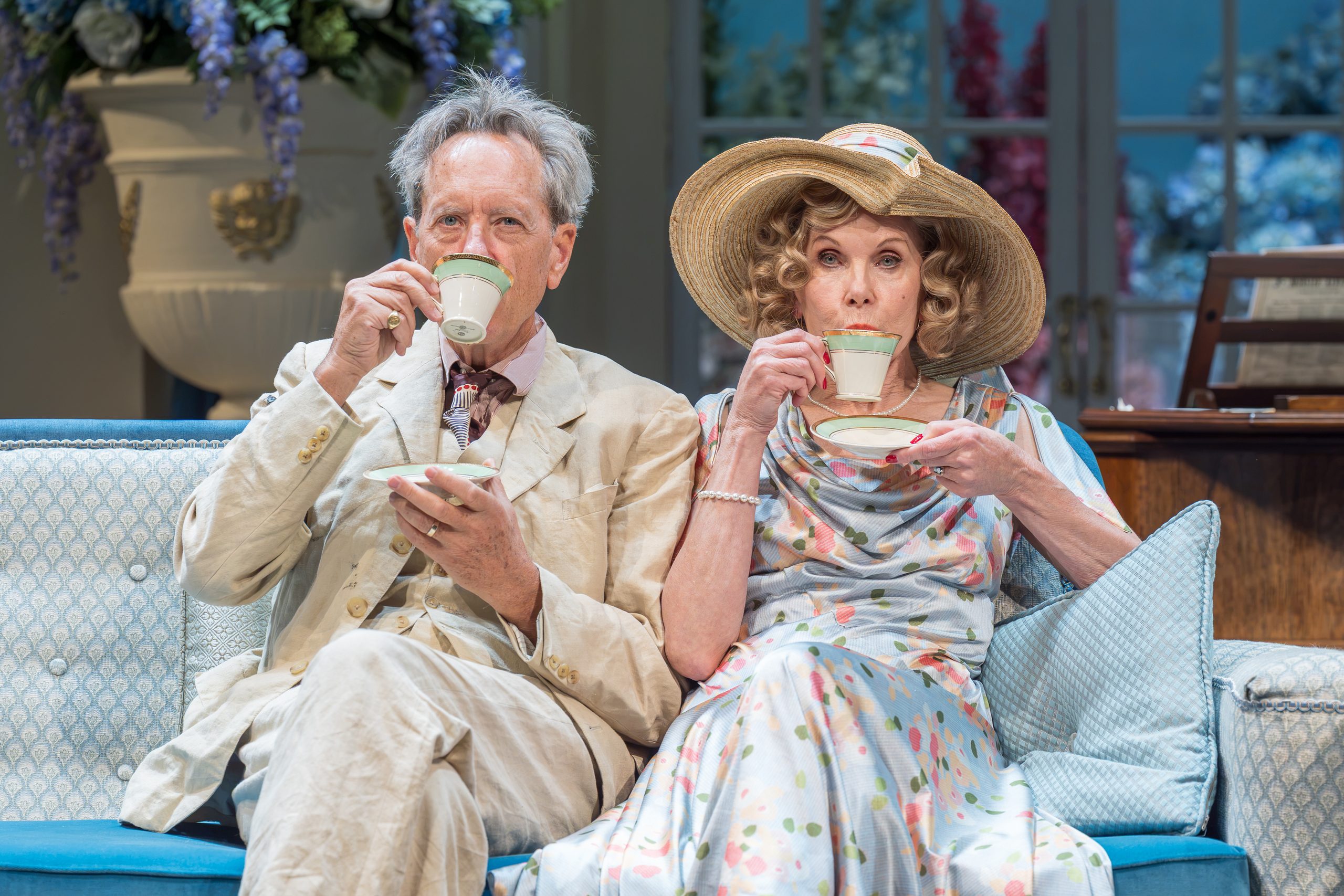
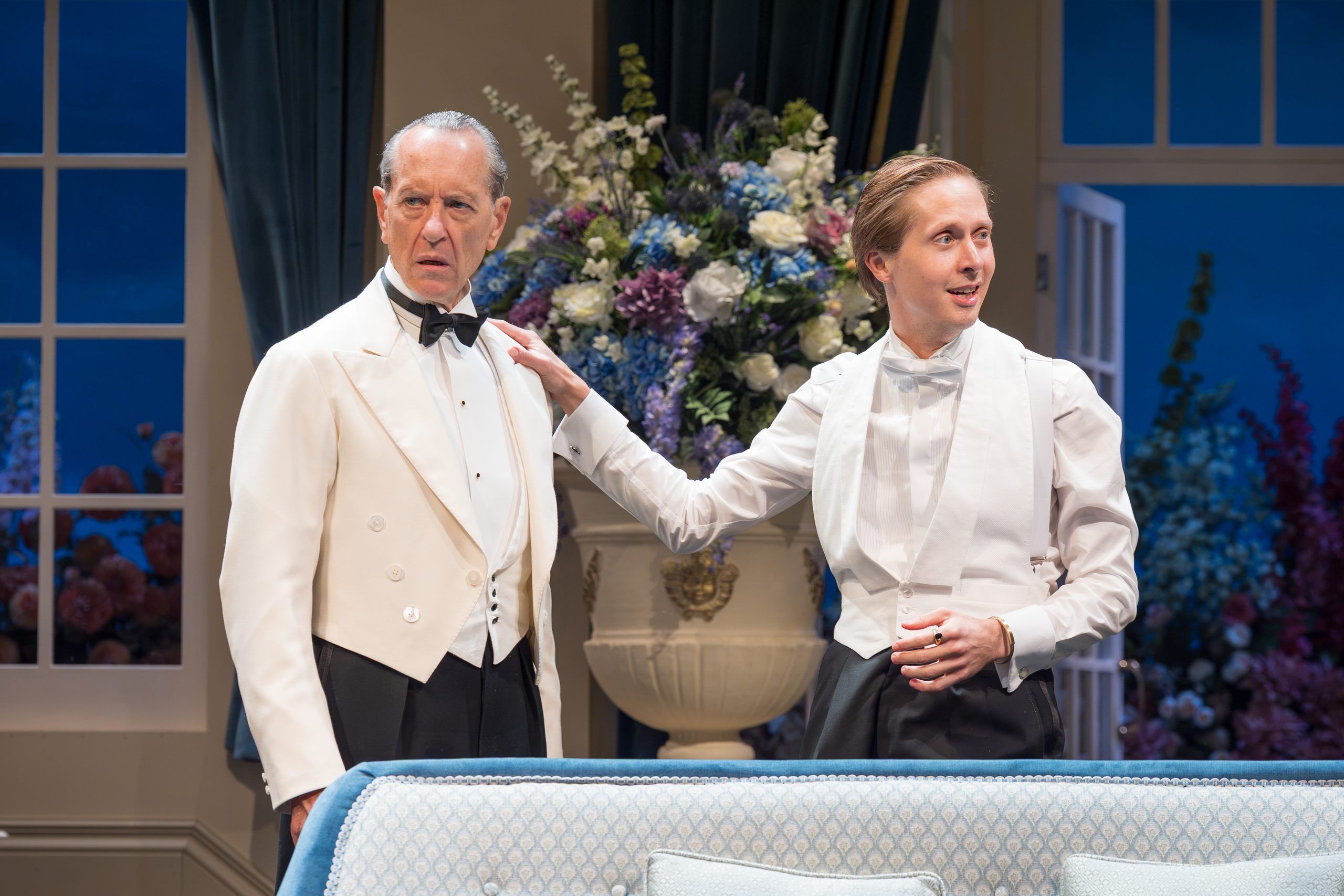
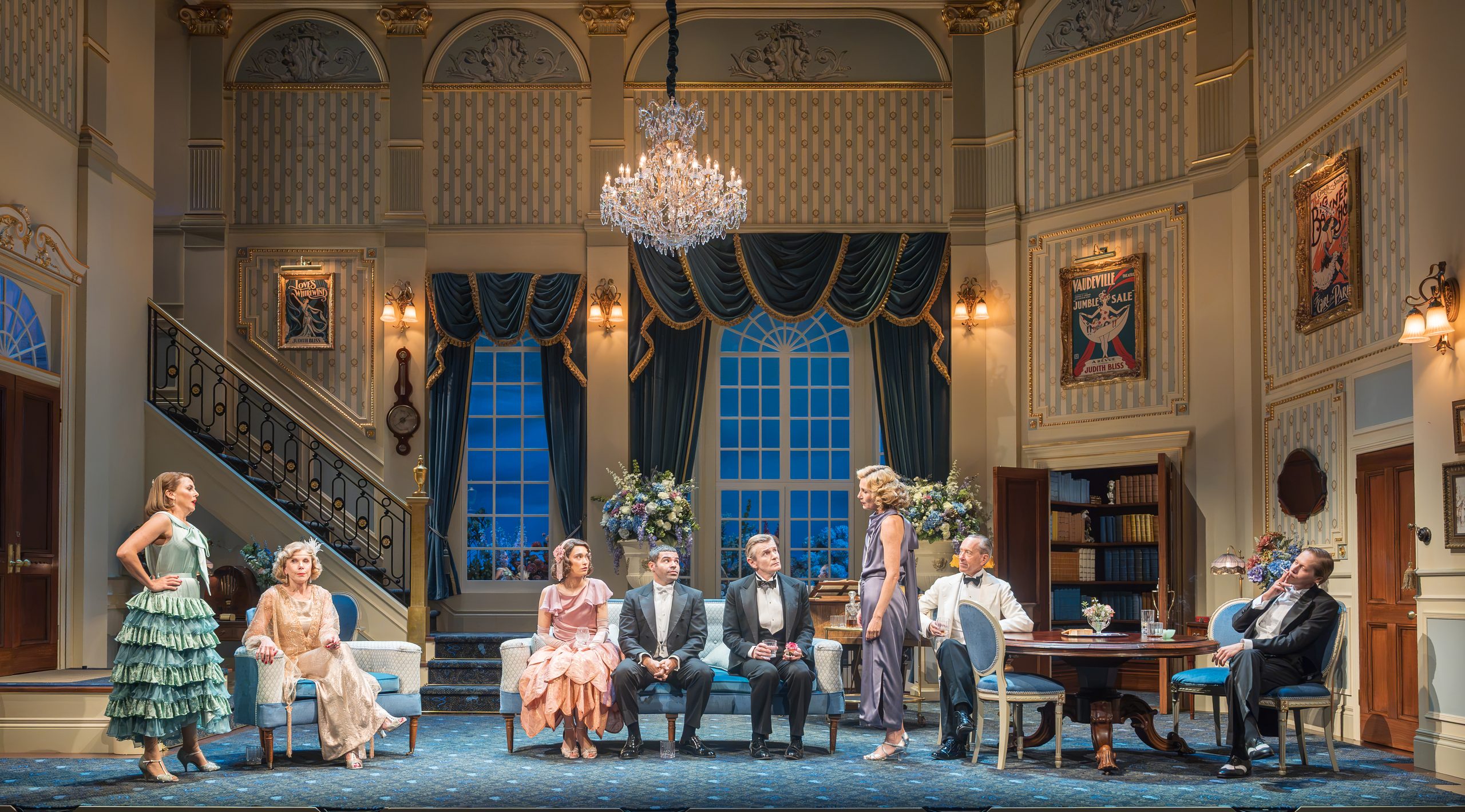
Lovibond is now returning to the West End as Sorel Bliss in a new production of Noël Coward’s Hay Fever at Wyndham’s Theatre. Directed by Emily Burns, the comedy of bad manners brings her together with Christine Baranski, Richard E. Grant, and Will Close as the spectacularly self-involved Bliss family, whose attempts to entertain four unsuspecting weekend guests descend into chaos.
I sat down with Ophelia to talk about discovering acting at a young age, the importance of accessible routes into the arts, challenging the assumptions that have shaped her career, learning to embrace the freedom of performance, and finding the precise rhythm of Hay Fever.
You joined YoungBlood when you were about ten. What was it about those first workshops that made acting feel right to you?
I remember an immediate sense of affinity. The workshops were at the old Riverside Studios, in the little space between the cinema screen and the seats. From the stairs, I could see all these groups of people having fun. It felt warm and inviting, and I remember thinking, I can’t get there quickly enough.
I was precocious in the sense that I was stubborn and knew what I liked. I had thought I might be a dancer, although I wasn’t particularly good at it, and then everything clicked into place. It felt like a perfect fit.
Your first professional role was in the Channel 4 sitcom The Wilsons when you were 12. What do you remember about entering a professional set at that age?
I loved it. I didn’t feel intimidated or anxious. I had excited nerves, but there was no stage fright. YoungBlood was very improvisation-based, and every week you had to get on your feet in front of other people, so I was used to performing.
We rehearsed during the week and recorded the show before a live audience on the Friday, so it felt like doing a mini play every week. You had the benefit of television, because you could go again, as well as the audience’s response. The cast treated me, even though I was so little, as a valued member of the company. It confirmed that this wasn’t simply a hobby.
It was slightly unfortunate that I got the first audition I ever had, though. I thought, this is easy. Then I discovered the pain after that.
YoungBlood was deliberately affordable and accessible. Do you worry that young people without money or industry connections now have fewer opportunities to enter the arts?
I don’t know how I would do it now. We lived on the Queen Caroline housing estate next to Riverside Studios, and we were skint. YoungBlood charged a nominal fee. It wasn’t an exclusive drama school for rich children. It was a locally run theatre workshop for young people who might not otherwise have been able to do it, and accessibility was at the heart of it.
Everything is more expensive now, and there seem to be fewer of those groups around. Because of my ridiculous name and because I’m quite well spoken, people often assume I come from wealth. That annoys me because it isn’t true. I didn’t have rich parents or a godfather in the industry who could get me a job. It was all off my own back.
It matters because I don’t want a young person in my former position to think, ‘What’s the point? You have to be rich to do it.’ You don’t, although those accessible spaces have to exist.
You later won a drama scholarship and bursary to Latymer Upper School, a private school in Hammersmith. What did that opportunity mean to you?
I had finished at my state secondary school and been offered a television job when I auditioned for Latymer. I won the drama scholarship and received a bursary, because I couldn’t have gone otherwise, and turned the job down. Even at 16, my gut told me the education would give me something I could use for the rest of my life.
Latymer wasn’t my route into the arts, because I was already acting. My acting got me into Latymer. For me, it was the chance to receive an incredible education.
You then chose to study English Literature at the University of Sussex rather than attend drama school. How has that shaped the way you work?
Hugely. If you already have curiosity about other people, their psychology, and their motivations, reading a novel asks you to conjure all those people and worlds. When you examine a text closely, you challenge yourself to think about what characters want and why they behave as they do. It is very active reading.
I wasn’t studying English Literature to secure a job, but I acquired tools I use now: how to approach a text, hear the characters, debate an idea, and change my mind when somebody offers a better interpretation. That flexibility and mental agility are incredibly valuable in a rehearsal room.
You had been acting professionally since childhood, but when did it first feel as though your career had really begun?
I remember filling out a form after I had graduated from university and got my results. It asked for my occupation. I thought, I’m not technically employed as an actress right now, but that is what I intend to do. So I guess I don’t write ‘student’, I write ‘actress’.
I can’t exactly remember what the form was for. It might have been for a flat, getting a place to live. But I remember writing that quite slowly and thinking, I guess that’s what I am now. Even though I’ve been doing it since I was ten years old, I’ve been spat out of formal education, it’s up to me now. I make my own schedule.
I also remember the audition for Nowhere Boy very clearly. It felt different because I wasn’t doing it between lectures or getting the train up from Brighton. I was going into town, doing the audition, and then going back to my flat. It felt more like, oh, I’m a jobbing actor now. This is what I’m doing. It wasn’t a big epiphany moment.
You have joked that your career has involved lots of ‘tea breaks’ rather than one big break. Has its gradual nature been useful?
I said that off the cuff, and then it followed me around. It’s not Shakespeare! But yes, the gradual nature of my career has helped. An enormous break when I was very young might have felt exposing. I imagine some early work was riddled with posing and being quite mannered.
A big break is exciting, but that attention can be frightening if you aren’t ready. My experience has been gradual. I’ve worked across film, television, and theatre, picking up skills as I went. Because I didn’t attend drama school, I sometimes discovered I was already using a technique without knowing it had a name.
I don’t think, ‘Why am I here? Why are they trusting me with this?’ I know how I got here. Of course, I doubt the work and think I can be better, but experience tells me that problems resolve themselves. You work for a few more days and forget they were ever problems.
You have often been cast as polished or posh women, although that bears little resemblance to your upbringing. Has the industry become more imaginative about seeing beyond an actor’s voice or surface impression?
It can be frustrating because people know what they’ve seen, and what they’ve seen is other people giving me the same kinds of parts. I grew up in West London, but on a housing estate. I sound like this because I learned it after winning a scholarship to a private school.
Sam Mendes giving me Ruby Webb in The Hills of California interrupted that narrative. I had spent years saying, ‘Just let me audition. I can do it.’ Then people saw the play and said, ‘I didn’t know you could sing,’ although I had been saying for years that I could sing. People need to see it before they can imagine it. For a world that is all about imagination, there can sometimes be a lack of it.
I don’t resent the polished roles, and I still enjoy playing them. It was simply exciting to be offered something that allowed people to see me differently.
Your comedy has moved between W1A, the tightly scripted mockumentary about BBC management, and Minx, the comedy about creating an erotic magazine for women, which gave you much more freedom to improvise. How do you adapt to those different rhythms?
It comes from the text. John Morton’s writing for W1A was hyper-specific. Five dots rather than three meant a longer pause. The number of letters in an ‘mmm’ changed the sound. It was very musical and orchestral. You still had to respond to what was happening around you, but you knew precisely when you needed to speak, even if you didn’t necessarily know exactly how you would say it.
Minx was set in Los Angeles in the 1970s, and everything from the costumes to the sets encouraged something more laconic. Jake Johnson is brilliant at improvising, and Ellen Rapoport and the directors encouraged us to play and give them different options. The sense of timing is the same skill; you’re just surrendering to the tone of the piece. I absolutely loved that job. Everything about it.
Another role people still remember is Carina, the Collector’s enslaved assistant in Guardians of the Galaxy. Her refusal to remain his slave is brief but wonderfully defiant. What do you remember about finding her?
The audition was completely under lock and key. I had no context for what I was walking into, and James Gunn said, ‘Now I want you to explode.’ I thought, you want me to explode? This is mean! But I went for the most ludicrous thing I could imagine. I felt completely ridiculous, but it was also a really fun way to spend 20 minutes. James laughed, and I got the part.
That takes me back to what YoungBlood taught me: just try, just play, and don’t worry about making a fool of yourself. You’re not the Prime Minister. It is play.
Carina was largely about physicality. I went into the audition and instinctively made this strange movement with my arms. I don’t know where it came from, but James liked it and told me to keep it. It fitted the idea that she was almost puppet-like because she was under the Collector’s control. James took the work seriously without taking himself seriously. He reminded everybody that we were making a comic-book movie and should have fun.
You’re now playing Sorel Bliss in Hay Fever. What was your first response when you read the play?
Honestly, it was, what have I just read? Then I immediately read it again. There is a very loose plot, but there isn’t really a plot per se. I realised it was all going to hang on the family’s relationships, habits, manners, and lack of manners. It is about the buttons family members press because they are the people who put those buttons there in the first place.
That was exciting because it is so technical. It has to be executed precisely or it won’t be funny. There are laugh-out-loud lines on the page, but I had never read or seen the play before, and I missed some of its musicality when I first read it silently. Once you say it aloud, that music makes the humour sing.
Sorel is the only member of the family who really questions how they behave. She considers trying to be better and then abandons the attempt, which I thought would be very fun to play.
She knows her family behaves appallingly, yet she is ultimately as theatrical and badly behaved as the rest of them. Is she genuinely more self-aware?
She is aware of the flaws and argues that if they are clever enough to recognise them, they ought to be clever enough to change. But you have to want to change, and ultimately she doesn’t. It is quite an outside-in response. She isn’t saying, ‘I want to be better because I believe the way we behave is wrong.’ She is saying, ‘Other people don’t like how we behave, so perhaps we should change.’
Sorel intellectually understands that she should behave better, but it isn’t as much fun. The Blisses are quite childlike in their refusal to follow social norms. She briefly resolves to improve and then thinks, God, this is boring. I don’t think it is a blind spot. She knowingly abandons the attempt because being bad is more fun.
How have you, Christine Baranski, Richard E. Grant, and Will Close created the sense of a family who have spent their lives performing for one another?
There was a natural rapport very quickly. Emily Burns is a brilliant director and created a sense of intimacy in the room. Christine was immediately Judith, and it was very easy to fall into step with her.
We are tactile with each other and throw ourselves into it. We haven’t taken baby steps towards finding the characters. We go for something, and if it doesn’t work, we change it. We can all hear when something is not as musical as it could be or when a note is slightly discordant, and nobody is precious about it. We are really listening to each other.
Coward’s comedy demands extraordinary precision. How do you honour that without making the performance feel mechanical?
Again, it is about listening. His syntax is incredibly precise, so you can’t add a ‘well’, change ‘is not’ to ‘isn’t’, or invent pauses. Those alterations affect the pacing and the rhythm. The quicker you do it, the funnier it becomes, and there is a wonderful sense of crescendo. That doesn’t mean losing the words or the meaning. The idea that you have to patronise the audience by slowing everything down simply isn’t true. It doesn’t work, and it isn’t as funny.
What has Emily encouraged you to discover beneath that speed and heightened style?
It is Coward, but it isn’t panto. We aren’t simply playing big, silly, absurd people. Equally, it isn’t Chekhov. There aren’t long pauses while everybody contemplates everything. Emily will ask, ‘What does that mean? What is happening there?’ You engage with it, show her, and then keep adding more specificity and clarity.
What she is creating is a real family, rather than people who simply speak quickly in posh accents. She has also helped us find the shifting allegiances. They appear to be constantly bickering, but there is much more playfulness than I initially realised. Sorel and Simon unite against Judith, then Sorel joins Judith, then Judith cuts her off and she returns to Simon. Those alliances are always moving, and that is what keeps the play electric.
In the short film Still Life, you play a woman trying to continue after her son is stillborn. How did you find the dark humour in that story without diminishing its grief?
When it was sent to me, I said, ‘Comedy? What do you mean, dark comedy?’ What that really describes is the gallows humour of experiencing the most horrific thing while the rest of the world doesn’t know. You still have to keep going, and people can be unintentionally flippant because they cannot see what has happened to you.
The film was written from Kate Radcliffe’s own experience, and she was there so I could check choices with her. She described having to buy a Mother’s Day card for her mother-in-law after her own stillbirth. It is absurd and uncanny. There is no option but to continue, but that doesn’t mean the world holds space for your grief.
Human beings are extraordinarily resilient. We find humour because otherwise we would be broken by these experiences all the time. Kate wanted the film made partly because stillbirth is not discussed enough. It is very beautiful and there is hope in it, rather than only darkness. Finding that balance was difficult, but I hope we got there.
You are also joining the second season of MobLand, the crime drama starring Tom Hardy, Pierce Brosnan, and Helen Mirren. What can you reveal about your character?
I play a police officer who is trying to catch Harry Da Souza, Tom Hardy’s character, and he is quite tricky to nail down. The focus remains on Harry and the Harrigans. Not to be confused with Harry and the Hendersons! It is such a huge machine that I don’t always know what I am allowed to say.
Finally, when audiences escape from their weekend with the Bliss family, what do you hope they take away from Hay Fever?
I hope they feel they have had a brilliant night at the theatre and leave feeling lighter than when they walked in. I don’t think there is a lesson to learn. Perhaps they could learn to be more ill-mannered!
I want them to enjoy the simple pleasure of theatre. There doesn’t have to be a deep and meaningful interpretation. It is like eating something delicious purely because it tastes good and makes you feel good. Then it is over, and you move on. I want Hay Fever to be the theatrical equivalent of a really incredible piece of cake.
Hay Fever is playing at Wyndham’s Theatre until 12 December 2026.
Book your tickets at wyndhamstheatre.co.uk
Words by Nick Barr
Portrait photography by Oliver Rosser
Production photography by Marc Brenner