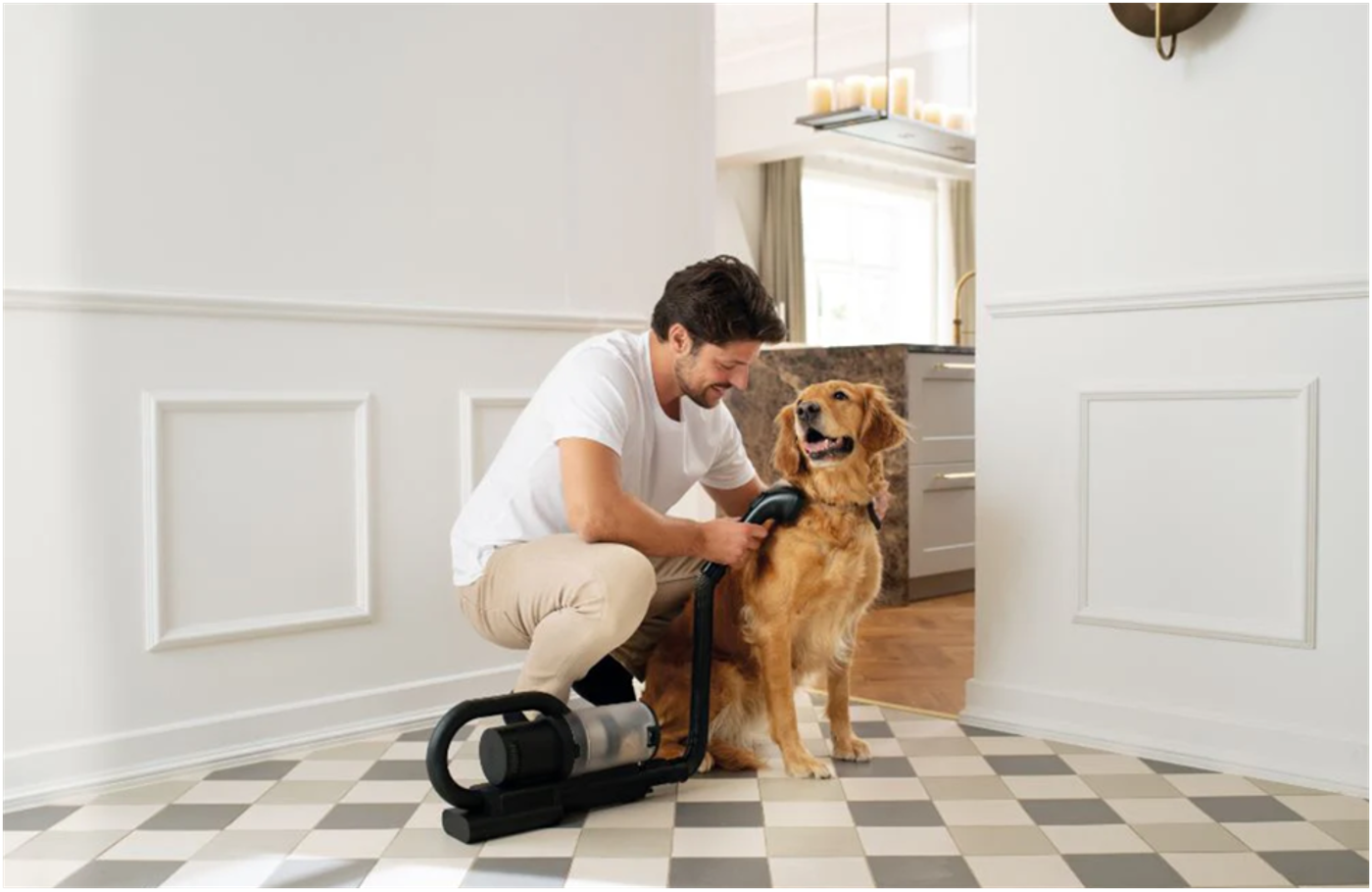
Living with pets means enjoying their companionship while also managing the hair, dirt, and allergens they leave behind. Even with regular grooming, pet hair can quickly spread across floors, carpets, and furniture. This is why a pet vacuum has become an important cleaning solution for households with cats or dogs. Built to address the specific challenges of pet ownership, these vacuums help maintain cleaner surfaces and healthier indoor air without turning cleaning into a daily struggle.
Unlike standard cleaning devices, a pet vacuum is designed to handle fur, dander, and fine debris more effectively. Many pet owners explore dedicated collections such as pet vacuum options to understand how modern designs are tailored for pet-friendly homes.
What Makes a Pet Vacuum Different?
A pet vacuum is created with features that go beyond those found in traditional vacuums. One of the main differences is suction strength. Pet hair often embeds itself deep into carpet fibers and clings to upholstery, making it difficult to remove with basic equipment. Pet-focused vacuums are engineered to lift this stubborn hair more efficiently.
Another key difference lies in brush design. Many pet vacuums use specialized brush rolls that are shaped to pick up hair without allowing it to wrap tightly around the brush. This reduces clogging and helps maintain consistent performance over time. In addition, enhanced filtration systems are commonly used to trap pet dander and fine dust particles that might otherwise escape back into the air during cleaning.
Key Features to Look For
Strong and consistent suction is one of the most important features in a pet vacuum. Without adequate power, hair and dirt can remain trapped in carpets or fabric even after repeated passes. A vacuum designed for pet homes typically provides deeper cleaning with fewer strokes.
Another useful feature is anti-tangle technology. Long pet hair can easily wrap around brush rolls, causing blockages and reducing effectiveness. Anti-tangle systems are designed to guide hair directly into the dustbin, minimizing maintenance and saving time.
Attachments also play an important role. Tools designed for upholstery, stairs, crevices, and pet beds make it easier to clean areas where pets spend most of their time. These accessories help target hair and debris in tight or elevated spaces, such as sofas, curtains, and car interiors.
Advanced filtration is equally important. Pet dander is a common allergen, and effective filters help capture microscopic particles rather than redistributing them. This can contribute to improved indoor air quality, which is especially valuable for people with allergies or sensitivities.
Why Pet Vacuums Are Worth the Investment?
A pet vacuum can significantly reduce the time and effort required to keep a home clean. For households with heavy shedders, frequent cleaning is often unavoidable. Using a vacuum specifically designed for pet hair makes each session more efficient, helping to maintain a tidy space with less frustration.
These vacuums also contribute to a healthier living environment. Pet hair and dander can accumulate quickly, especially in enclosed spaces. By capturing these particles effectively, a pet vacuum helps reduce airborne allergens and supports cleaner indoor air over time.
Durability is another advantage. Pet vacuums are often built to withstand regular use and handle debris that can be tougher than everyday dust. Their sealed systems help ensure that once dirt and hair are captured, they remain contained inside the machine.
Practical Tips for Using a Pet Vacuum
To get the best results from a pet vacuum, it helps to establish a routine. Areas where pets rest or move frequently tend to collect the most hair. Vacuuming these spaces more often prevents buildup and makes deep cleaning easier.
Adjusting settings based on floor type can also improve performance. Switching between carpet and hard floor modes ensures that suction and brush action are appropriate for each surface. Using the correct attachment for upholstery or stairs can further enhance cleaning results.
Regular maintenance is essential for long-term efficiency. Emptying the dustbin before it becomes too full, cleaning filters as recommended, and checking brush rolls for trapped debris all help keep the vacuum working at its best.
Conclusion
A pet vacuum is a practical and effective solution for managing the unique cleaning challenges that come with pet ownership. Designed to remove stubborn hair, capture fine dander, and support better indoor air quality, these vacuums offer clear advantages over standard models. With the right features and consistent use, a pet vacuum makes it easier to enjoy a clean, comfortable home while sharing it with furry companions.