Most buyers won’t describe themselves as experts in real estate photography. They won’t talk about dynamic range, color balance, or lens distortion. But they do notice when something feels off, and they make decisions based on that feeling almost instantly.
In competitive markets like Los Angeles, where buyers scroll through dozens of listings in minutes, the difference between professional and amateur photography isn’t subtle. It’s often the difference between stopping to look closer or moving on entirely.
Buyers Make Decisions Faster Than Agents Realize
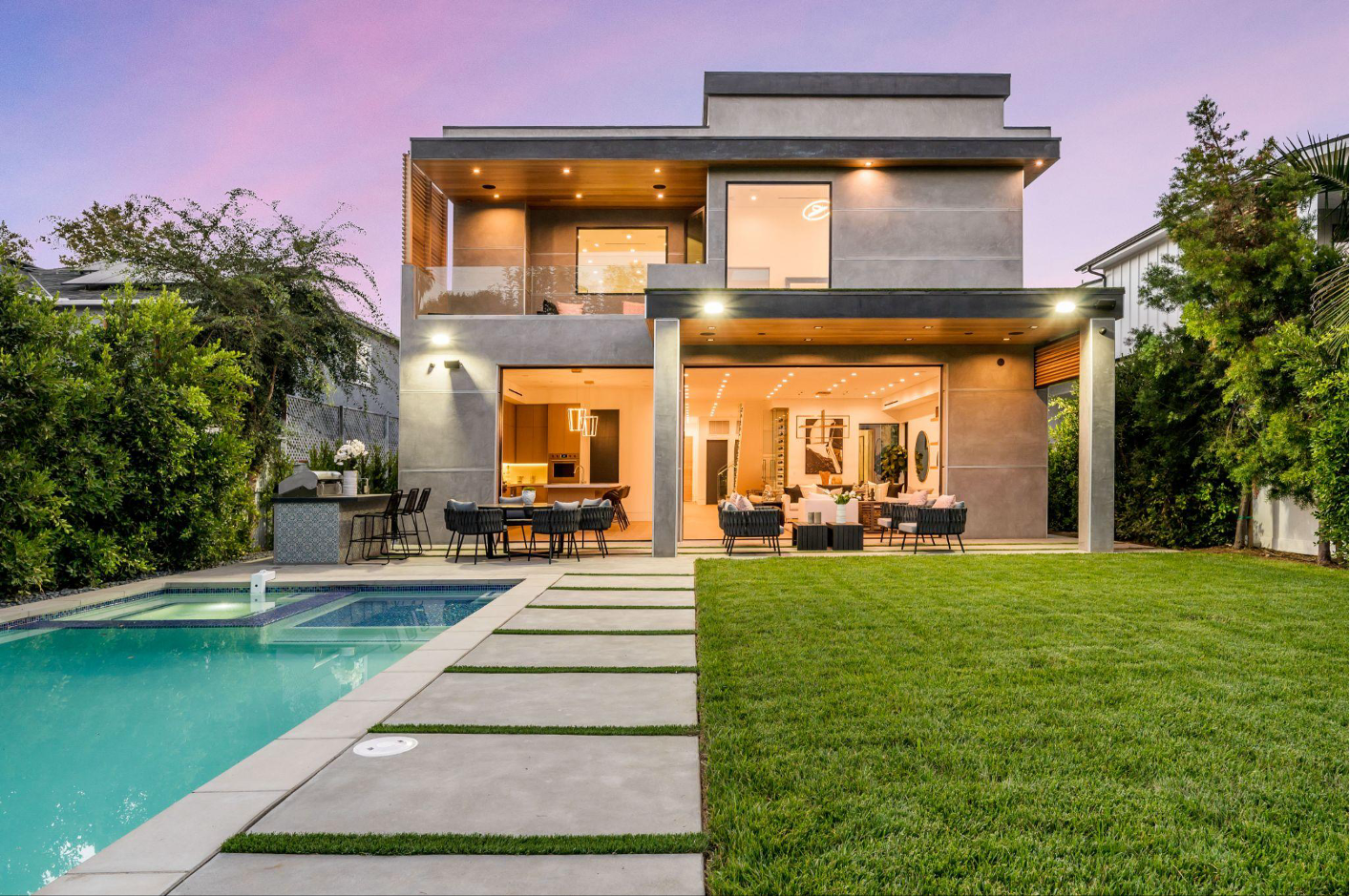
When browsing listings online, buyers rarely analyze photos individually. They absorb the entire gallery in seconds, forming an impression before reading a single line of text.
Professional photography creates a sense of order and clarity. Amateur photography often introduces confusion, uneven lighting, inconsistent framing, or images that feel disconnected from one another. Buyers may not consciously identify the problem, but they feel it. And in a fast-moving market, that hesitation is enough to lose interest.
Lighting Is the First Giveaway
Lighting is one of the most immediate indicators of quality. Amateur photography often struggles to balance natural and interior light, resulting in blown-out windows, dark corners, or unnatural color casts.
Professional photographers approach lighting deliberately. They preserve exterior views without sacrificing interior detail. They manage mixed light sources so spaces feel natural rather than artificial. The result is an image that feels believable—something buyers instinctively trust.
This is especially important in Los Angeles, where homes frequently feature large windows, open layouts, and strong directional sunlight. Without experience, those elements become obstacles rather than assets.
Composition Shapes How Space Is Perceived
Another difference buyers notice quickly is how space is presented. Amateur photos may technically show the room, but they often fail to communicate how the space actually functions.
Professional composition emphasizes flow, balance, and proportion. Rooms feel connected. Sightlines make sense. The home feels intentional rather than cramped or distorted.
This is where experience with real estate photography in Los Angeles becomes important. Local photographers understand how different architectural styles, bungalows, hillside homes, mid-century properties, condos, should be framed to highlight their strengths without misrepresenting scale.
Color Accuracy Builds Trust
Over-editing is one of the most common mistakes in amateur photography. Oversaturated skies, overly warm interiors, or heavy contrast can make images look dramatic, but not necessarily accurate.
Buyers want to trust what they’re seeing. When colors feel exaggerated or inconsistent from room to room, doubt creeps in. Professional editing prioritizes accuracy and restraint. The goal isn’t to impress, it’s to represent the home honestly while still presenting it at its best.
In markets with international or remote buyers, this accuracy becomes even more critical. Images aren’t just marketing tools; they’re decision-making tools.
Consistency Across the Gallery Matters More Than a Single Image
A common misconception is that a listing needs one or two standout photos. In reality, buyers respond more strongly to consistency across the entire gallery.
Professional photographers deliver cohesive sets of images where lighting, color, and framing feel unified. Amateur galleries often feel uneven, some images look acceptable, others don’t. That inconsistency disrupts the viewing experience and weakens overall impact.
Consistency signals professionalism. It tells buyers, and sellers, that the listing has been handled with care.
Why Amateur Photography Can Cost More in the Long Run
Choosing amateur photography may seem cost-effective at first, but it often leads to unintended consequences. Listings may receive fewer showings, stay on the market longer, or require reshoots to regain momentum.
In Los Angeles, where competition is high and buyer attention is limited, early impressions matter disproportionately. A listing that doesn’t perform well visually from the start may struggle to recover, regardless of price adjustments later.
Professional Photography Supports an Agent’s Brand
Beyond individual listings, photography plays a role in how agents are perceived. Buyers and sellers often review an agent’s past listings before making contact. Consistent, professional imagery signals reliability and attention to detail.
Over time, this visual consistency becomes part of an agent’s brand. It helps attract higher-quality listings and builds confidence with new clients.
The Difference Buyers Feel, even If They Can’t Explain It
Buyers may not articulate why one listing feels more appealing than another, but the difference between professional and amateur photography registers immediately. One feels clear, composed, and trustworthy. The other feels uncertain.
That emotional response influences everything that follows, whether they read the description, schedule a showing, or move on.
Final Perspective
In a market as visually driven as Los Angeles, photography isn’t just documentation. It’s interpretation. Professional photography helps buyers understand not just what a home looks like, but how it might feel to live there.
Working with professionals who specialize in professional real estate photography in Los Angeles ensures listings are presented with clarity, accuracy, and intention, qualities that matter when buyers are deciding quickly and often remotely.
In real estate, buyers don’t need to understand photography to be influenced by it. They just need to feel confident. Professional photography creates that confidence—quietly, consistently, and effectively.