SXSW London is fast becoming one of the most eminent events for celebrating business, technology and creativity in the UK calendar. Now approaching its second year, it converges on London’s arty area of Shoreditch in June, for a unique week of insights, networking and discovery across film, music, the visual arts, business and tech. The week will open with a launch event at Brick Lane Yard before moving into various venues.
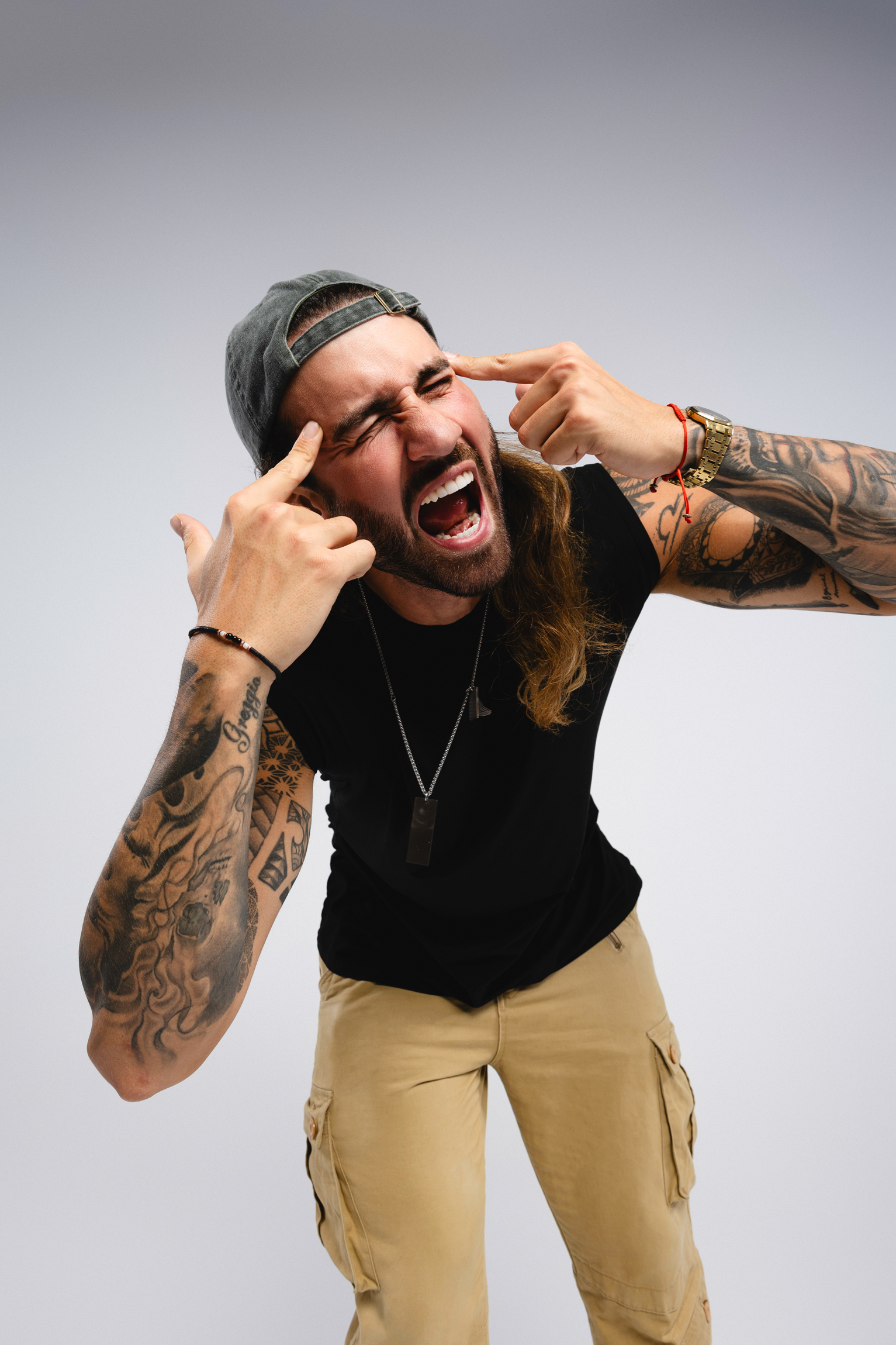
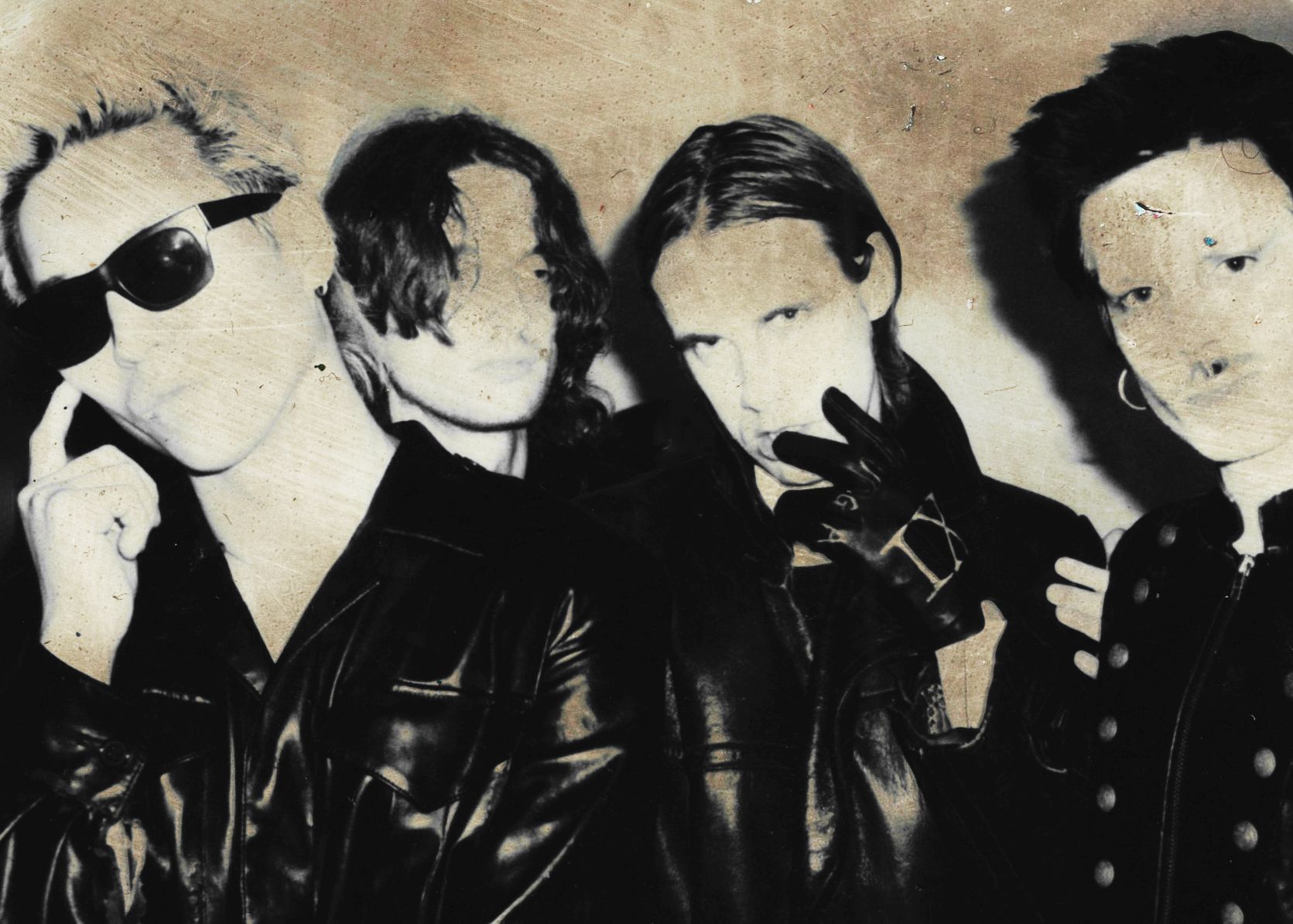
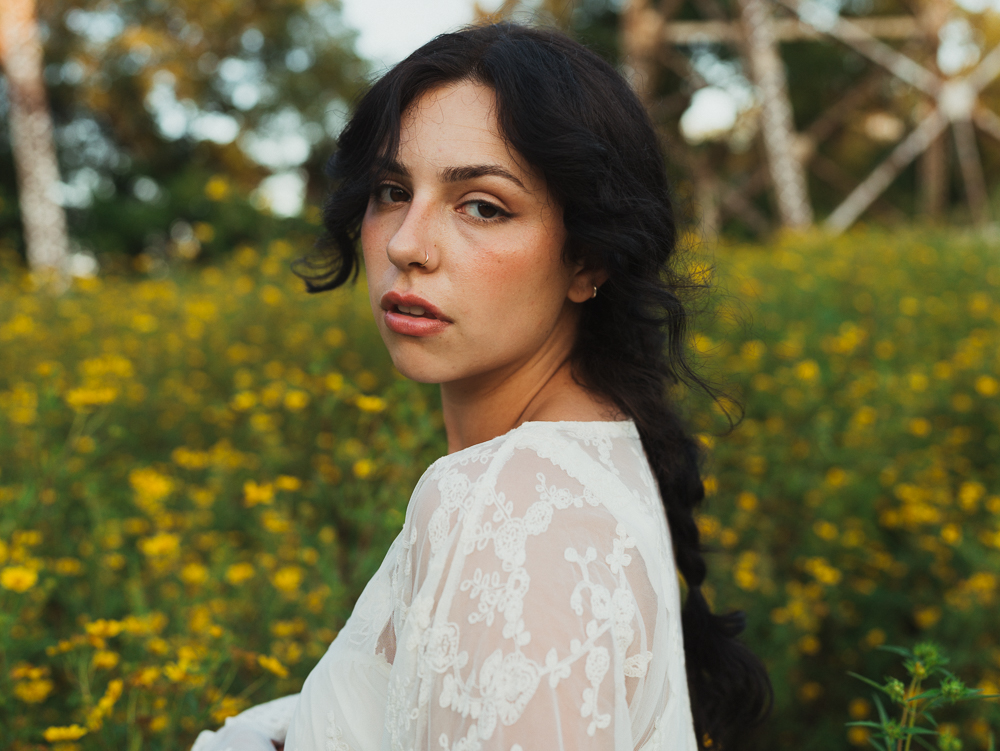
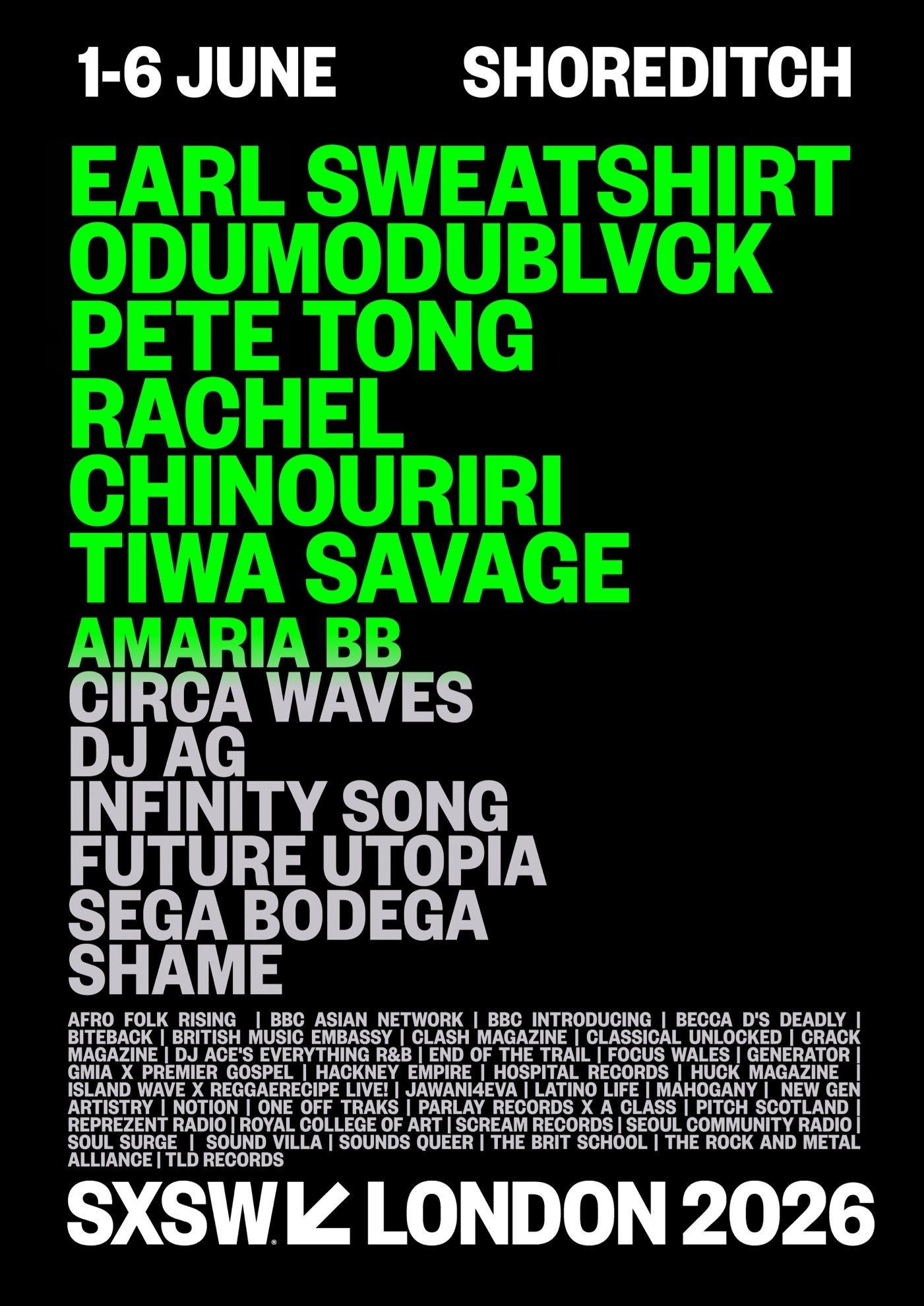
When it comes to music, there’s a stacked line-up of artists from a whole host of genres. Attendees will have the chance to catch exciting performances from Earl Sweatshirt, Pete Tong, Rachel Chinouriri, Circa Waves, Shame, Future Utopia, and more. You’ll also be able to catch showcases from Focus Wales, Reprezent Radio, and emerging artist collectives supporting the next generation of UK talent.
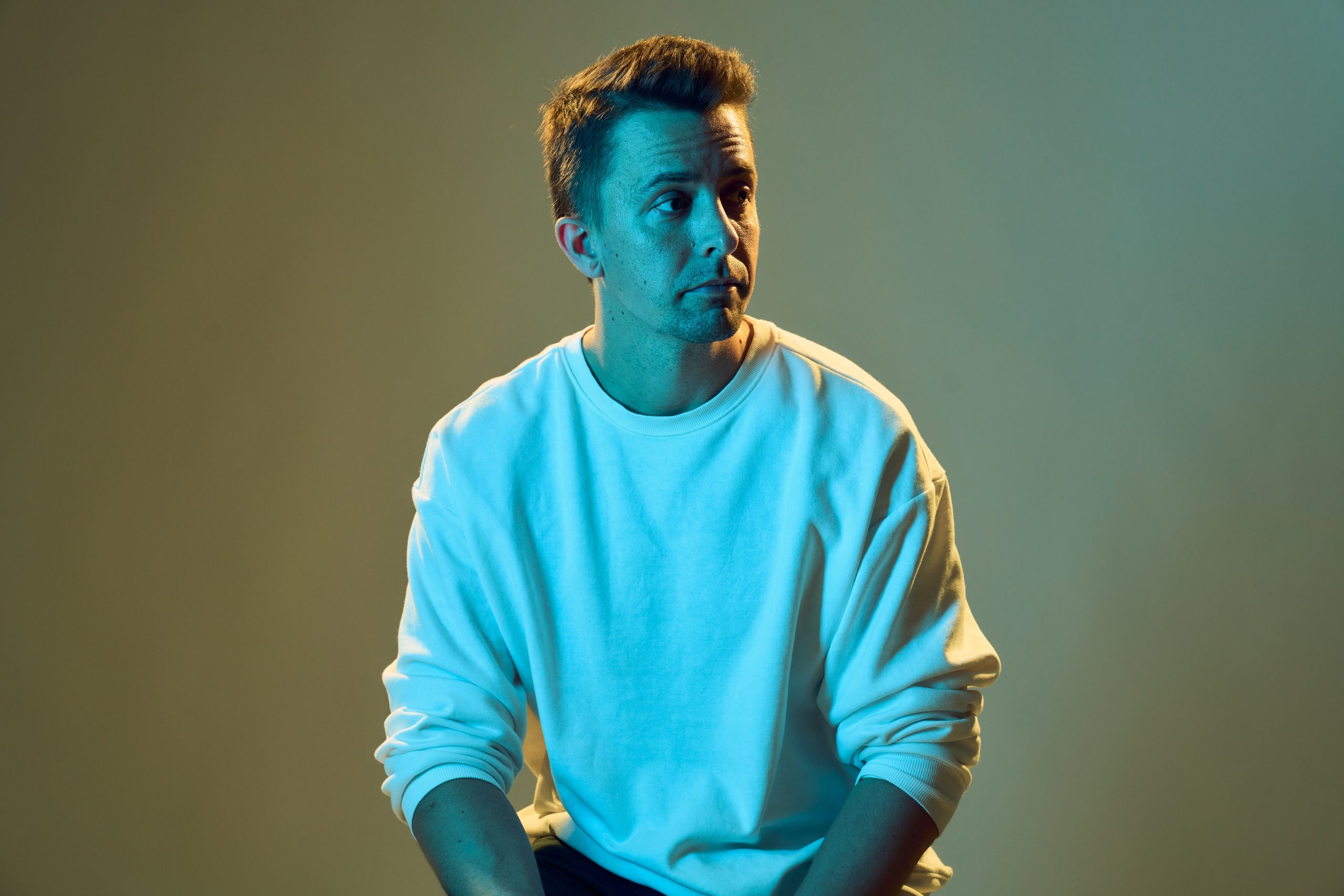
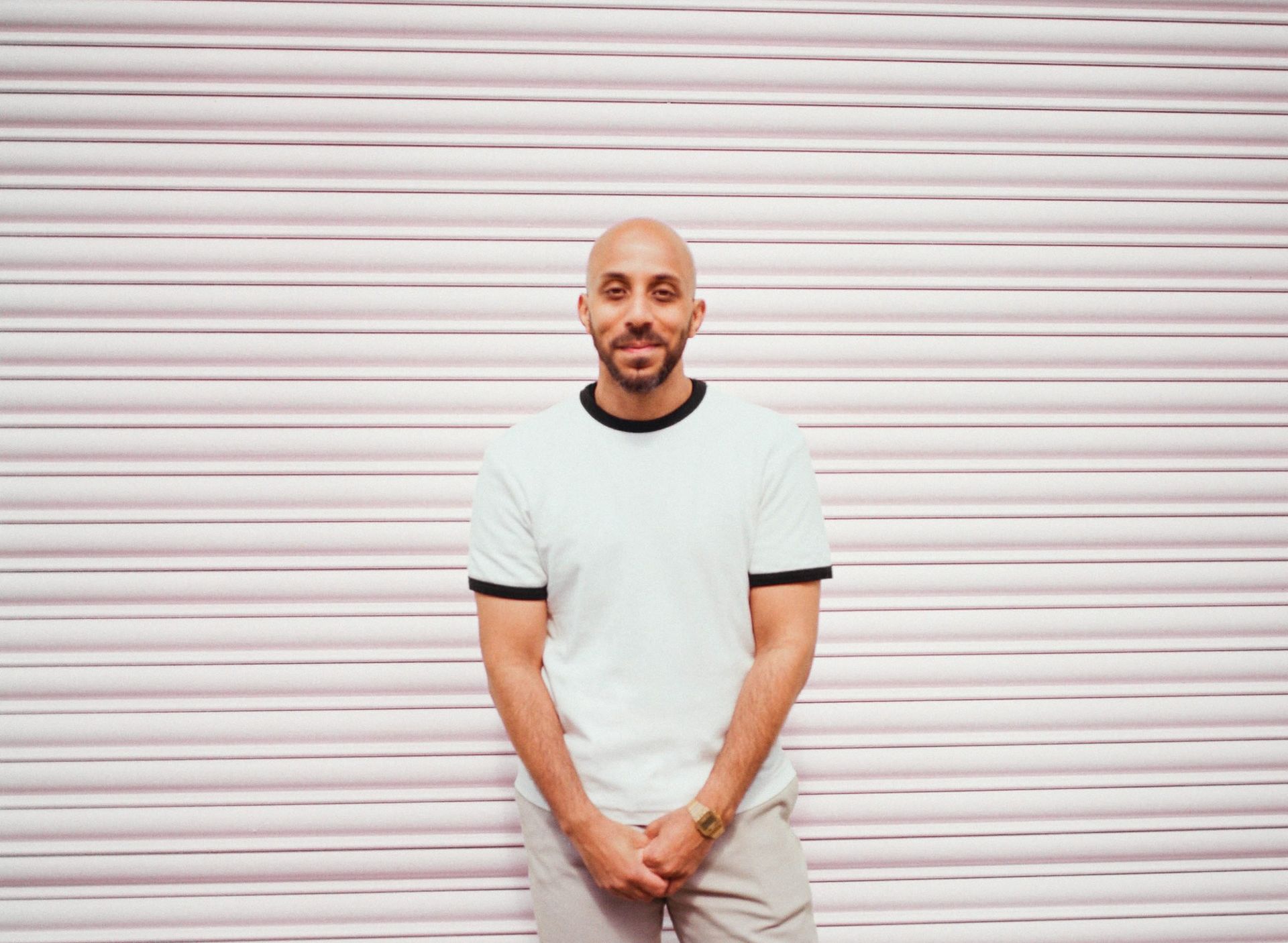
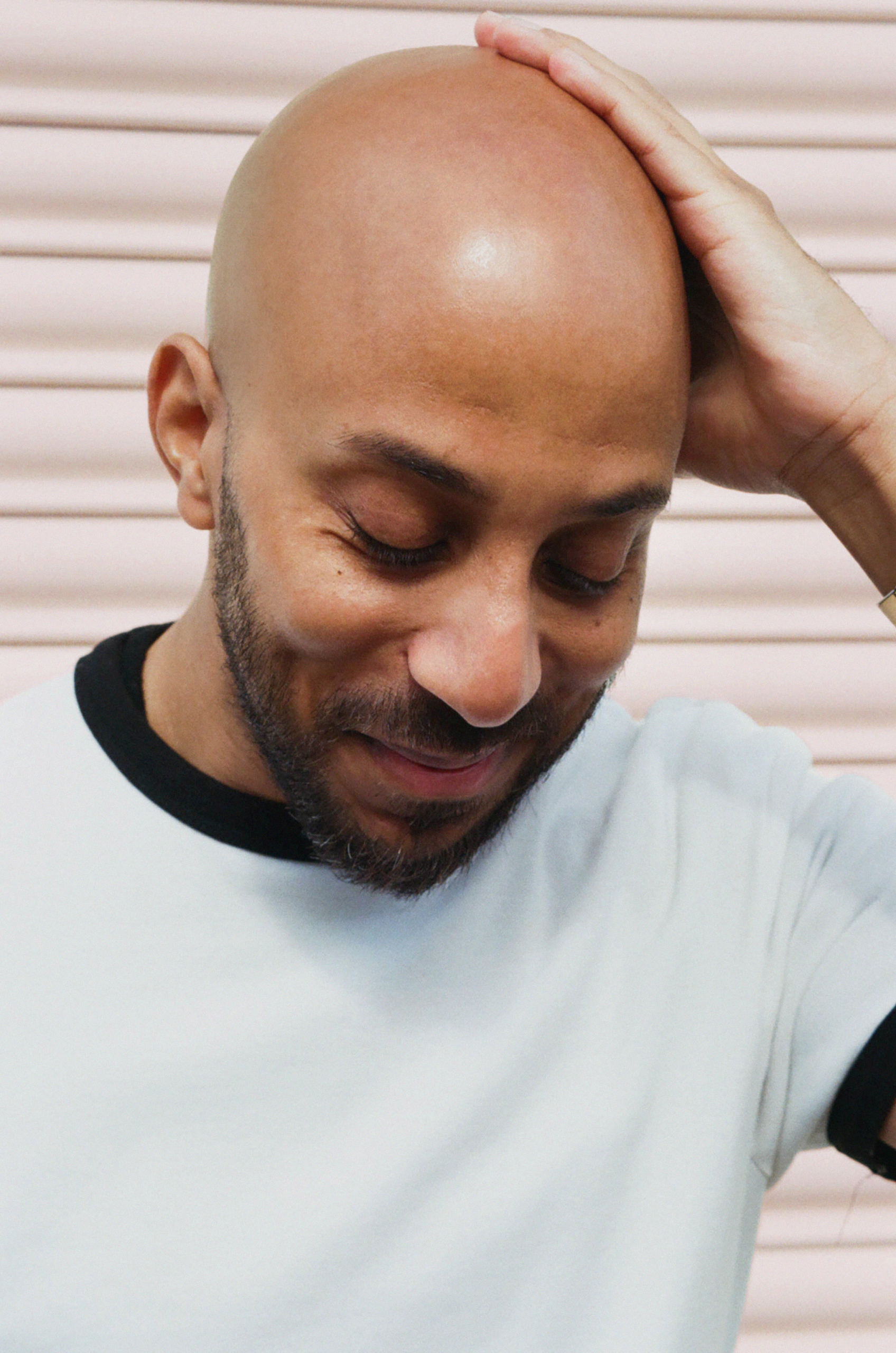
The festival’s Head of Music, Adem Holness, sits down with 1883 Magazine to discuss answer some quick-fire questions and all about SXSW London.
What’s one exciting thing that happened to you this week?
I actually just got to see some of our posters up, which is always really fun. It makes the festival feel like it’s not just a thing that’s happening in my mind. Seeing these big, beautiful images of the artists and special guests just makes it feel real.
What’s the last thing you read?
My sister. I’ve just started reading a proof of her upcoming book. She’s an author called Nevin Holness, and the sequel to her book King of Dead Things, King of Lost Dreams, is coming out soon with Simon & Schuster and Penguin. I’m very gassed to be reading it early, though apparently I’m too late for notes…
Favourite memory growing up?
Food and music have always been a big part of my life. One of my favourite memories is from school when I was doing food tech. We had a term focused on international cuisine, and every weekend I’d go to my grandma’s house, she’s genuinely the best cook in the world, and she’d teach me a different Jamaican dish.
We’d perfect it together, and then I’d cook it in class. My teacher, Ms Lavak, absolutely loved it. Technically I think it was supposed to be a different cuisine every week, but what tops Jamaican food? Also, it meant I got all this one-on-one time with my grandma, and she’d tell me stories about moving to England and we’d be blaring reggae. Those are really special memories for me.
Where was the last place you travelled to?
I was just in Austin, Texas for our mothership festival. The journey there was a bit chaotic, I got turned around mid-flight after four hours due to a fault and ended up back in London, but I did eventually make it.
What’s your nighttime ritual?
My favourite thing nighttime ritual is David Attenborough. I get about five to seven minutes in and it sends me straight to sleep. Aware this is not the intention with which it’s created, but for me, it’s like the perfect lullaby, basically the best bedtime story.
What’s your favourite quote from a film or TV show?
About 70% of my vocabulary is made up of early 2000s film references and reality TV, which keeps my team on their toes. I probably say “Let’s go, Toros” on a daily basis, but I also love a Real Housewives reference. Referring to a bad idea as a “white refrigerator” will never not land for me.
What’s your go-to karaoke song?
It depends on the setting. For a crowd-pleaser, Footloose works every time. If it’s just with my people, it could be anything, from a Little Shop of Horrors deep cut to Beenie Man.
What’s your favourite item in your closet?
Like most mega music fans, I compulsively collect merch. I have an extensive Beyoncé collection. There’s a top from the Renaissance tour that I love, it’s probably that.
How did you first become involved in SXSW London?
I was actually one of the first permanent hires, so at that point it was still very much an idea. I had to sign a lot of NDAs, which immediately intrigued me.
When I realised it was about bringing one of my favourite festivals in the world to my hometown, it felt like something I couldn’t pass up. The vision for platforming new music rooted in London but globally connected aligned perfectly with what I care about. I still kind of can’t believe what we’re able to achieve together.
This is your second year as Head of Music. What does the role mean to you?
It’s a big responsibility, but also a collaborative one. We work with a wide network of co-curators – platforms, collectives, individuals who each present the future of music from their own unique perspectives.
My role is to bring that together, making sure the festival genuinely serves artists and reflects where music is going. It’s about shaping the bigger picture while working closely with the people building it beyond our campus in Shoreditch.
What does an average day look like in the run-up to the festival?
There isn’t one. I can go from working directly with artists on how they present their shows, to collaborating with marketing on campaign assets, to solving production challenges, to speaking with community partners, to briefing a moderator on a conference session. Each task can be wildly different, but it’s all about bringing the overall idea to life.
How did you curate this year’s music lineup?
At a moment when technology can generate endless music, we want to present something totally different, live and in person, that genuinely reflects the future of music.
Each stage is led by a co-curator embedded in a specific music culture or community, and we work together to build those lineups.
Alongside that, artists apply to play and are shortlisted by a global jury of over 100 music professionals. I then work with co-curators to finalise each lineup, making sure the programme reflects a wide range of scenes and perspectives.
So my job is to work with the co-curators to finalise the line-ups from acts within their existing music scene and from our shortlist of artists.
But I guess, what we’re really doing is trying to answer a question about what the future of music will be. We’re so lucky this year to have artists like Sega Bodega reimagining live electronic performance, to bands like Shame building careers on their own terms, and artists like ODUMODUBLVCK bypassing genre and fusing his cultural influences into something entirely his own.
I believe what really shapes the future are the communities and scenes where artists push culture forward in their own contexts. I’m trying to bring those global scenes together in one place.
What will you be busy doing during the festival?
Getting my steps in, live everyone else. I’ll be hosting sessions, seeing artists I’m excited about, checking in with co-curators, and connecting with people.
For me, it feels a bit like hosting the world’s biggest BBQ, thousands of people, many of whom I know or collaborate with, all coming together around music.
Why should people come support the festival?
It’s less about supporting the festival and more about what you get from it. It’s a space to connect with the creative industries, discover new artists, and experience what’s next in music and culture.
Whether that’s a £25 wristband or a full delegate pass, it’s about plugging into that ecosystem.
Moving forward, what would you like to bring to SXSW London?
It should keep evolving. It’s a space where the future of creativity converges, so every year should feel different and build on what came before, something people can both experience and help shape.
SXSW London takes place June 1 to June 6 in Shoreditch.
Music wristbands for SXSW London Music Festival can be purchased HERE with prices starting from £25 for a one-day wristband, or £79 for the full duration of the festival.
Interview Cameron Poole
Photography Tiffannie Mersades