Every celebration begins with a table. What is placed on it says everything.
There is a particular quality to festive seasons that has always defied rational explanation.
They arrive carrying an expectation that ordinary life cannot quite meet, and yet that gap between expectation and reality is precisely where culture does its most interesting work. Traditions are reimagined. Rituals are questioned. And somewhere in the middle of all of it, the things people choose to eat and give and place on the table become quietly radical acts of self-expression.
Food and festivity have never been separable.
What has changed is the level of intention being brought to both.
A generation that has grown up with access to the world’s culinary cultures, to the language of artisan production and to the aesthetics of design is bringing all of that into the way it celebrates. The result is a festive culture that is more considered, more personal and considerably more beautiful than the one it is slowly replacing.
The Evolution of Festive Indulgence
Chocolate has always understood celebration better than most foods.
Its history is one of ritual and reverence, long before it became a confection. From Mesoamerican ceremonies to European court culture, chocolate carried a weight of significance that modern mass production tried its best to flatten. What is happening now is a reclamation of that significance, a return to treating chocolate as something worthy of the attention that went into making it.
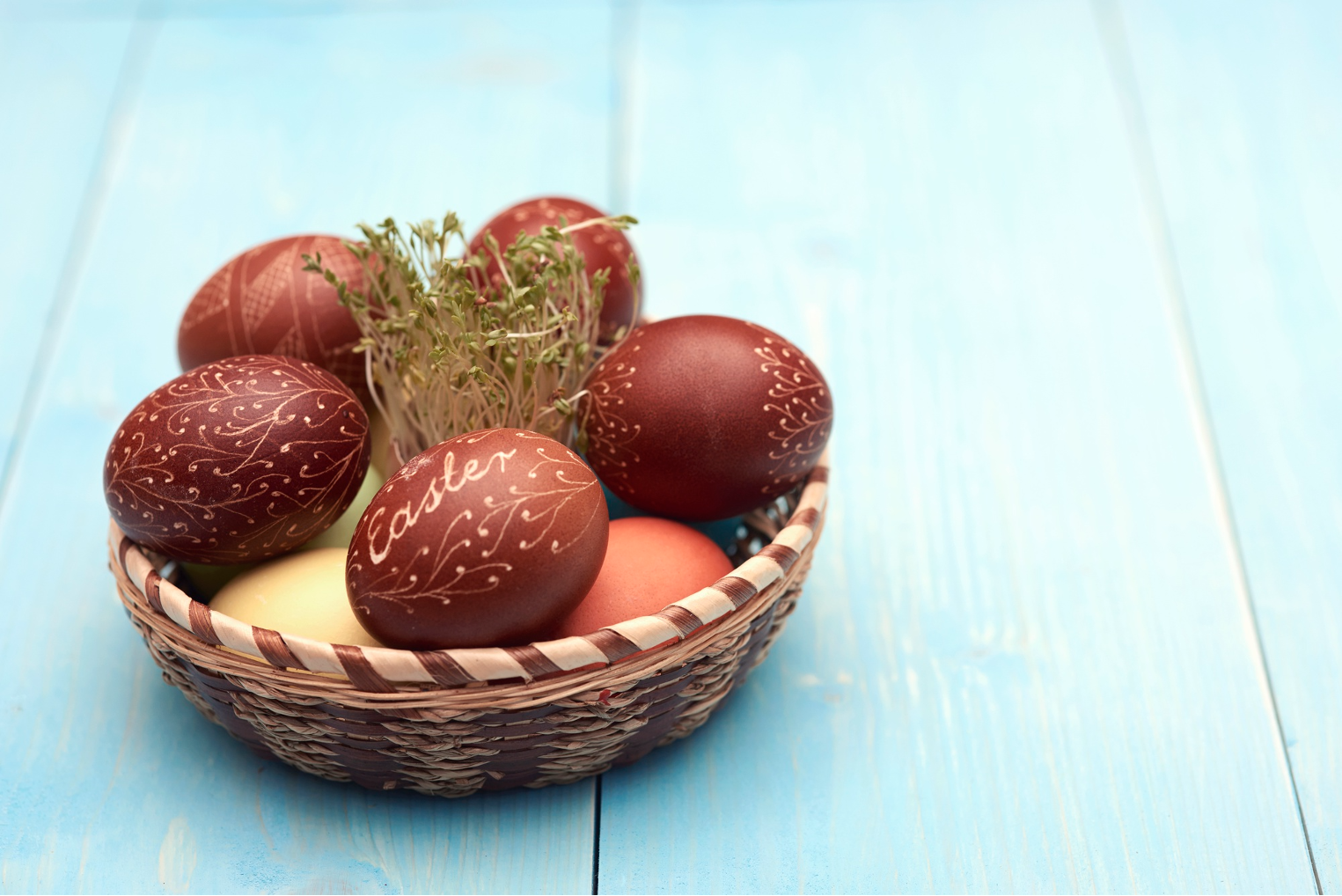
Easter, in particular, has become a site of this reclamation.
The hollow foil-wrapped egg of a previous era is giving way to something more considered. Chocolate crafted with care, presented with thought and chosen with intention has become part of how the season is observed by people who want their celebrations to mean something beyond the calendar date.
Personalisation has deepened this shift further.
An Easter egg that carries a name, a message or a design chosen specifically for its recipient is no longer simply confectionery. It is a small act of seeing someone, wrapped in the best possible medium. For those navigating this evolving festive landscape, the ability to shop chocolate Easter eggs online brings the full range of personalised options into reach, from individually named eggs to designs built around a specific recipient’s tastes and the occasion’s tone.
This is the direction festive gifting is moving.
Not away from indulgence but deeper into it, toward gifts that carry the evidence of thought alongside the pleasure of taste. The best seasonal treats have always understood this balance. What the current moment has done is give it language, aesthetic and cultural permission.
The gifting of food, and of chocolate specifically, has also acquired an ethical dimension that was largely absent from the conversation a decade ago. Origin, production method and the hands involved in making a product matter to a growing number of consumers. The treat chosen for a loved one is increasingly chosen with awareness of its entire journey.
The Role of Dessert in Modern Celebrations
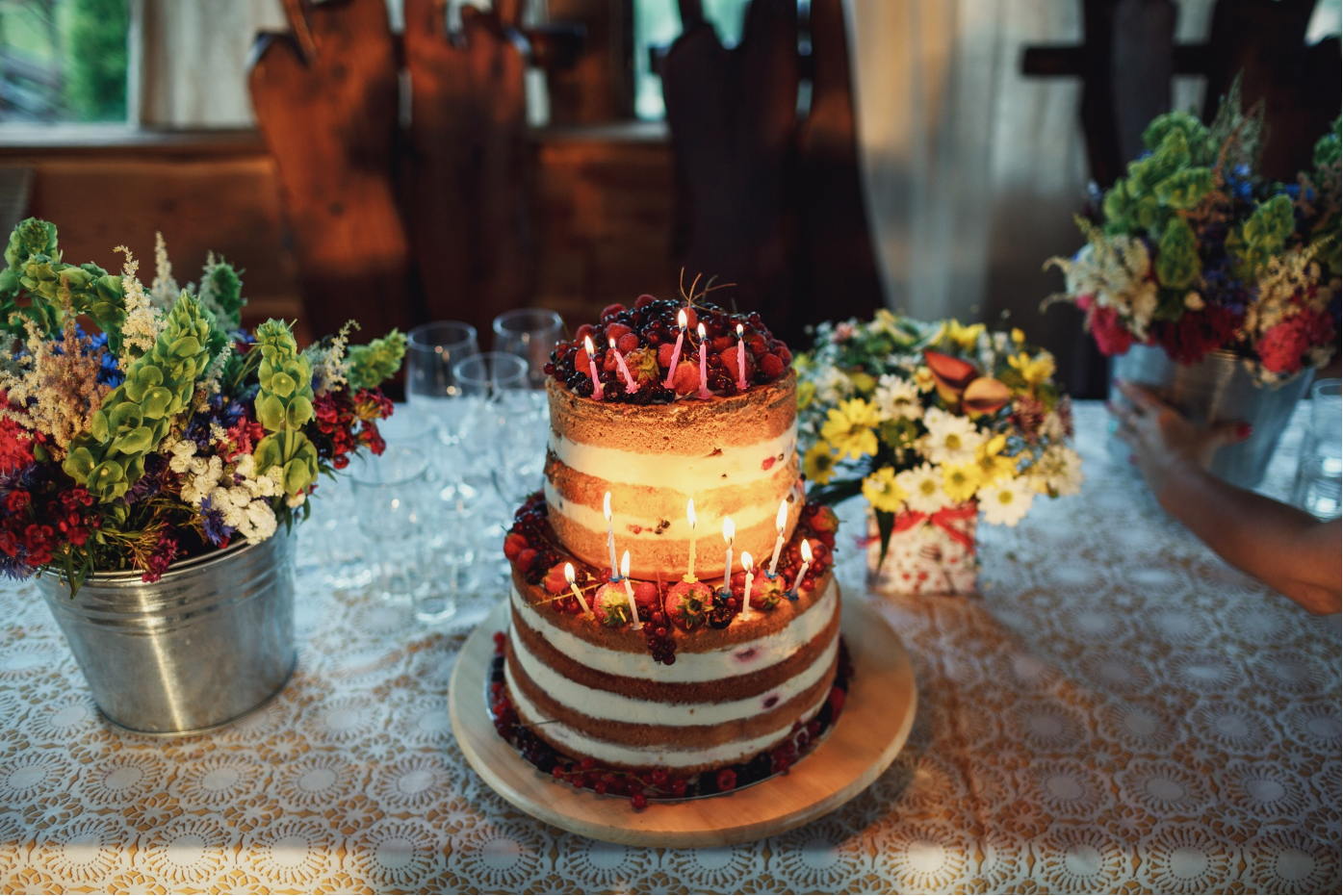
The celebration cake has always carried more weight than its layers of sponge and buttercream suggest.
It is the centrepiece of the moment. The thing that photographs first and is eaten last. The object around which people gather, toward which candles are directed and from which memory is made. Its design, its flavour and the skill behind its execution communicate something about how seriously the occasion is being taken.
Patisserie culture in Australia has undergone a quiet transformation over the past decade.
What was once a category dominated by supermarket shelves and franchise bakeries has been reordered by a wave of trained pastry chefs who bring European technique and local sensibility together in ways that have genuinely changed what a celebration dessert can be.
Sydney, specifically, has become a city where this transformation is most visible.
The city’s appetite for considered food experiences, its multicultural appetite for flavour and its design literacy have combined to produce a patisserie culture that rivals any in the world. Layered tarts, mirror-glazed entremets, hand-piped celebration cakes and seasonal specials built around produce at its precise moment of perfection are now the standard in the best of these establishments.
For those seeking exactly that level of craft for a significant occasion, a cake shop Sydney operating within this tradition brings French patisserie technique into the context of Australian celebration culture, offering bespoke creations that treat the event with the same seriousness the best occasions deserve.
The cake, in this context, is not decorative. It is architectural.
It has been thought about the way any good design object is thought about: with regard to proportion, colour, material and the experience it creates for the person who encounters it. Tasting it is the final act in a sequence of decisions that began long before the occasion itself.
This is what distinguishes artisan patisserie from its commercial equivalent. Not simply skill, though that is present, but intention. The decision to make something that is genuinely worthy of the moment it is made for.
Design, Presentation and Experience
The way food looks has always mattered, but the cultural premium placed on presentation has reached a new intensity.
It is not vanity.
It is the recognition that visual beauty is part of how pleasure works, that the anticipation created by a well-designed object on a table is as much a part of the experience as the taste that follows. The most celebrated pastry chefs in the world understand this instinctively. Their work is understood as design as readily as it is understood as cooking.
This design thinking extends to every element of a celebration.
How a gift is wrapped carries weight. How a table is laid communicates care. The choice between a plain box and one that has been considered down to its ribbon colour is a choice between performing a tradition and inhabiting one fully.
As explored in writing on culinary destinations, the most memorable food experiences are those where intention is legible at every level, from the sourcing of ingredients to the design of the space in which they are consumed. The same principle applies to the domestic sphere of celebration.
The festive table, composed with attention, becomes a kind of editorial gesture. Every element chosen, nothing accidental.
The Future of Celebrations
Celebration is evolving toward specificity.
The generic, the mass-produced and the obligatory are losing their hold. In their place is something more idiosyncratic, more designed and more genuinely festive in the original sense of the word: marked, deliberate and set apart from the ordinary.
Food will continue to be at the centre of this.
It is the most immediate sensory experience a person can share with another. The most intimate translation of care. The most irreversible commitment to a moment, because once eaten, a meal exists only in memory, and memory is where all the best celebrations eventually live.
Taste the Moment
The sweetest celebrations are not the most elaborate.
They are the ones most clearly chosen.
A chocolate egg selected because someone took the time to personalise it. A cake was ordered because the occasion deserved a maker who cared as much about it as the host did. A table composed because the people gathering around it were worth composing it for.
None of this requires extravagance. All of it requires attention.
And attention, as every good cook and every good designer knows, is the one ingredient that cannot be substituted.