Fashion rarely moves in straight lines. Instead, it circles back, revisiting familiar ideas with new perspectives. Among the accessories that have quietly followed this rhythm, the fedora hat stands out. It has existed across decades, cultures, and style movements—never fully disappearing, yet never dominating trends either. Today, the fedora is experiencing a renewed relevance, not as a dramatic comeback, but as a thoughtful expression of personal style.
Unlike trend-driven accessories that rise and fall quickly, the fedora has always belonged to a slower, more deliberate approach to dressing. Its return reflects broader changes in how people view fashion itself: less about spectacle, more about meaning.
A Hat with History, but Not Defined by It
The fedora’s origins are often linked to early twentieth-century fashion, when it became associated with tailored menswear and cultural figures of the time. Over the decades, it appeared in cinema, literature, and music, gaining symbolic weight far beyond its physical design. Yet focusing too heavily on its past can obscure what makes the fedora relevant today.
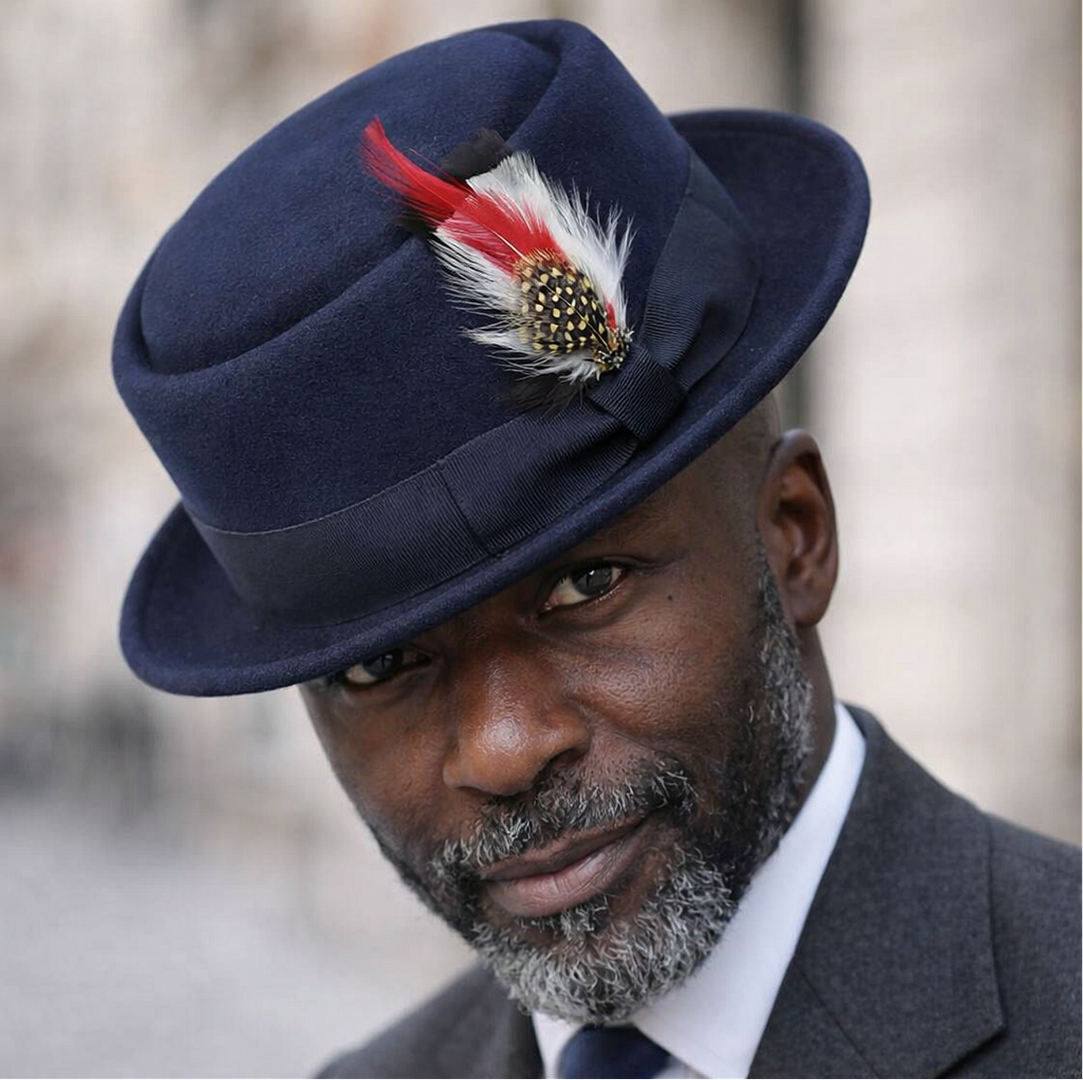
Modern fashion has shifted away from rigid historical references. Instead of recreating specific eras, people now reinterpret classic elements to suit contemporary lifestyles. The fedora fits comfortably into this approach. Its defining features—a creased crown and a soft, flexible brim—remain unchanged, but its meaning has evolved.
Today’s fedora is less about formality and more about intention. It is worn not to make a statement about status, but to reflect personal taste.
Why the Fedora Feels Relevant Again
The renewed interest in fedora hats coincides with a larger movement in fashion toward quality and authenticity. As fast fashion fatigue grows, many individuals are choosing pieces that feel durable, versatile, and emotionally resonant. Accessories, once treated as optional extras, have become central to this shift.
The fedora offers something that many modern accessories do not: restraint. It doesn’t rely on bold branding or exaggerated design. Instead, it complements an outfit quietly, allowing the wearer’s overall style to take precedence.
This subtlety resonates in a time when fashion is increasingly personal. Rather than dressing to impress others, people are dressing to feel comfortable, confident, and aligned with themselves.
The Fedora in Contemporary Men’s Style
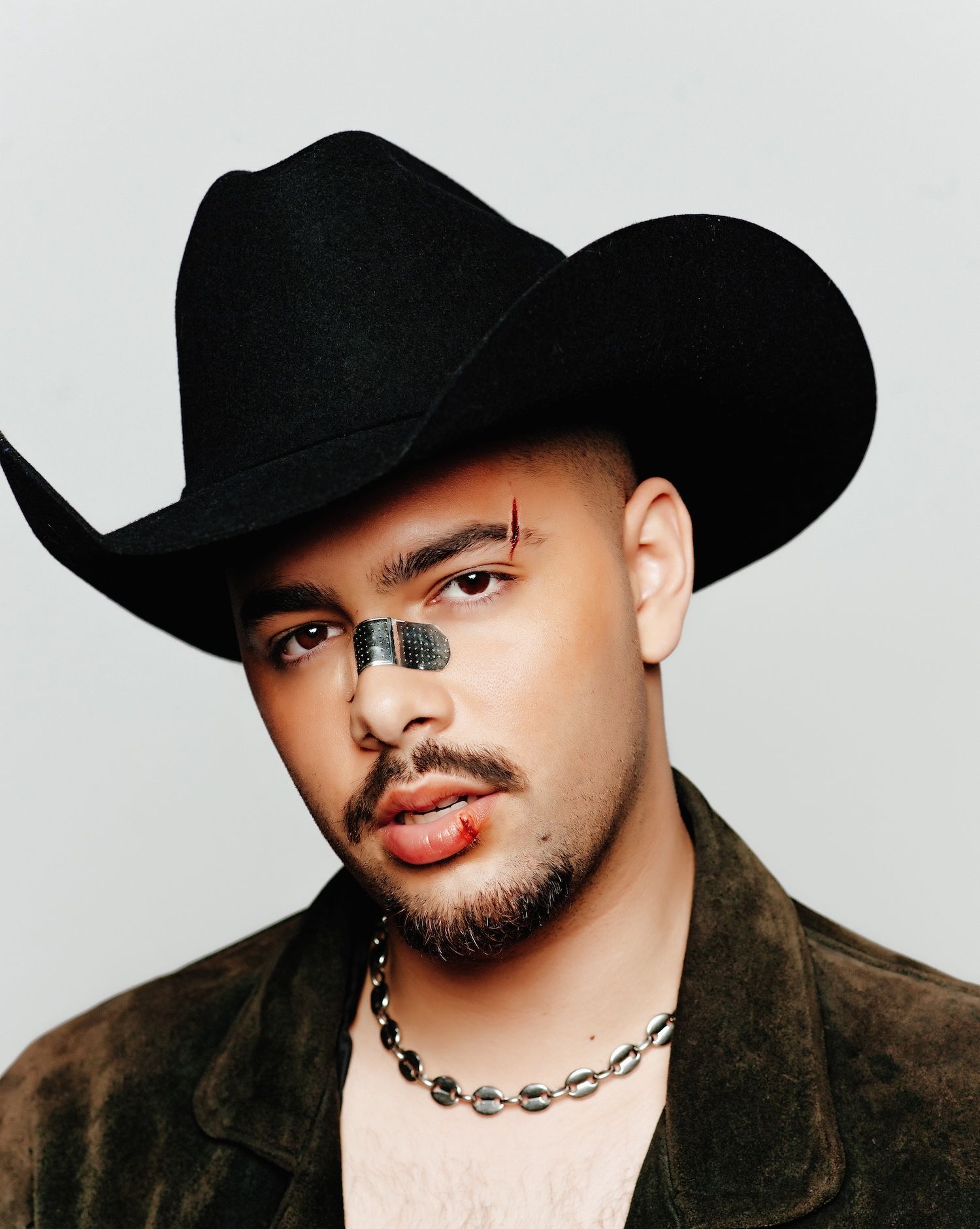
In men’s fashion, the fedora has found new life as a versatile accessory rather than a formal requirement. It appears just as naturally with relaxed outerwear as it does with structured coats. Knit sweaters, casual trousers, denim, and even minimalist streetwear all pair well with a well-chosen fedora.
What has changed is how men approach accessories. Instead of viewing them as decorative additions, many now see them as functional tools for expressing individuality. A fedora can add structure to an otherwise relaxed outfit or soften a tailored look, depending on how it’s styled.
Neutral colors remain popular, but modern interpretations allow for greater experimentation. Wider brims, textured materials, and subtle tonal variations have expanded the fedora’s appeal beyond traditional expectations.
Brands such as Different Touch reflect this modern sensibility by focusing on everyday essentials that blend comfort with thoughtful design. Their approach mirrors how accessories like the fedora are being reimagined—not as costume pieces, but as practical elements of daily wear.
Moving Beyond Gendered Style Rules
One of the most significant shifts in modern fashion is the gradual dismantling of strict gender boundaries. Accessories, in particular, have become increasingly fluid, and the fedora is a prime example.
Women’s fashion has embraced the fedora not as an imitation of menswear, but as a natural extension of personal style. It pairs effortlessly with dresses, tailored trousers, oversized blazers, and relaxed denim. Its appeal lies in its adaptability—capable of grounding an outfit or adding contrast without overwhelming it.
This flexibility has allowed the fedora to exist outside traditional categories. It is no longer defined by who wears it, but by how it is worn.
Material as a Reflection of Lifestyle
The material of a fedora plays a crucial role in both its appearance and function. Wool and felt fedoras provide warmth and structure, making them ideal for cooler seasons. Straw fedoras, lighter and more breathable, are better suited for warmer climates and transitional weather.
Choosing the right material is less about fashion rules and more about lifestyle. A hat worn daily must feel comfortable and appropriate for its environment. This practicality is part of why curated hat collections have become more popular—helping people find styles that align with how they actually live.
Exploring selections such as classic and modern hat designs allows wearers to consider texture, weight, and versatility rather than focusing solely on appearance.
The Fedora and the Rise of Intentional Dressing
Modern fashion increasingly values intention over impulse. People are investing in fewer pieces, but choosing them more carefully. This mindset has elevated the role of accessories like the fedora, which can transform an outfit without requiring a complete wardrobe overhaul.
The fedora’s strength lies in its ability to adapt. It can be worn season after season, styled differently as tastes evolve. Rather than being tied to a specific trend, it becomes part of a personal uniform—something familiar yet expressive.
This approach aligns with a broader cultural desire for authenticity. Clothing is no longer just about presentation; it’s about how it feels to wear something that genuinely reflects who you are.
Style Without Excess
In a fashion environment often dominated by bold statements and rapid turnover, the fedora offers an alternative. Its design encourages moderation. It doesn’t demand attention, but it rewards it.
This understated quality is increasingly appealing. As social media accelerates trend cycles, many people are seeking balance—choosing pieces that feel grounding rather than overwhelming. The fedora, with its simple lines and adaptable form, fits naturally into this search for equilibrium.
It is an accessory that invites interpretation rather than instruction.
Cultural Influence Without Imitation
The fedora’s cultural history is rich, but modern wearers are less interested in imitation and more focused on reinterpretation. The hat no longer carries a single narrative. Instead, it absorbs meaning from its context—shaped by the individual who wears it.
This openness allows the fedora to remain relevant across different style communities. It can feel classic, contemporary, artistic, or casual depending on how it’s styled. That versatility is rare and valuable in an era of increasingly specialized fashion.
Why the Fedora Endures
The fedora’s longevity comes from its ability to evolve without losing its identity. It doesn’t chase trends, yet it adapts to them. It respects tradition without being confined by it.
In many ways, the fedora reflects where fashion is heading: toward thoughtful choices, personal expression, and sustainable style practices. It reminds us that fashion doesn’t always need reinvention—sometimes, it just needs reinterpretation.
The Fedora as a Personal Statement
Wearing a fedora today is less about following a trend and more about making a quiet statement. It suggests confidence without arrogance, individuality without excess. It signals an appreciation for detail and a willingness to engage with fashion on one’s own terms.
As people continue to redefine what style means to them, accessories like the fedora play an important role. They offer a way to express identity subtly, without relying on novelty or spectacle.
Final Thoughts
The fedora hat has not returned to modern fashion—it never truly left. Its continued presence reflects a deeper shift in how people dress, prioritizing intention, comfort, and authenticity over fleeting trends.
In a world where fashion often moves too quickly, the fedora stands as a reminder that some pieces endure because they adapt, not because they change completely. Quietly expressive and endlessly versatile, the fedora remains a timeless accessory—one that feels just as relevant today as it did generations ago.