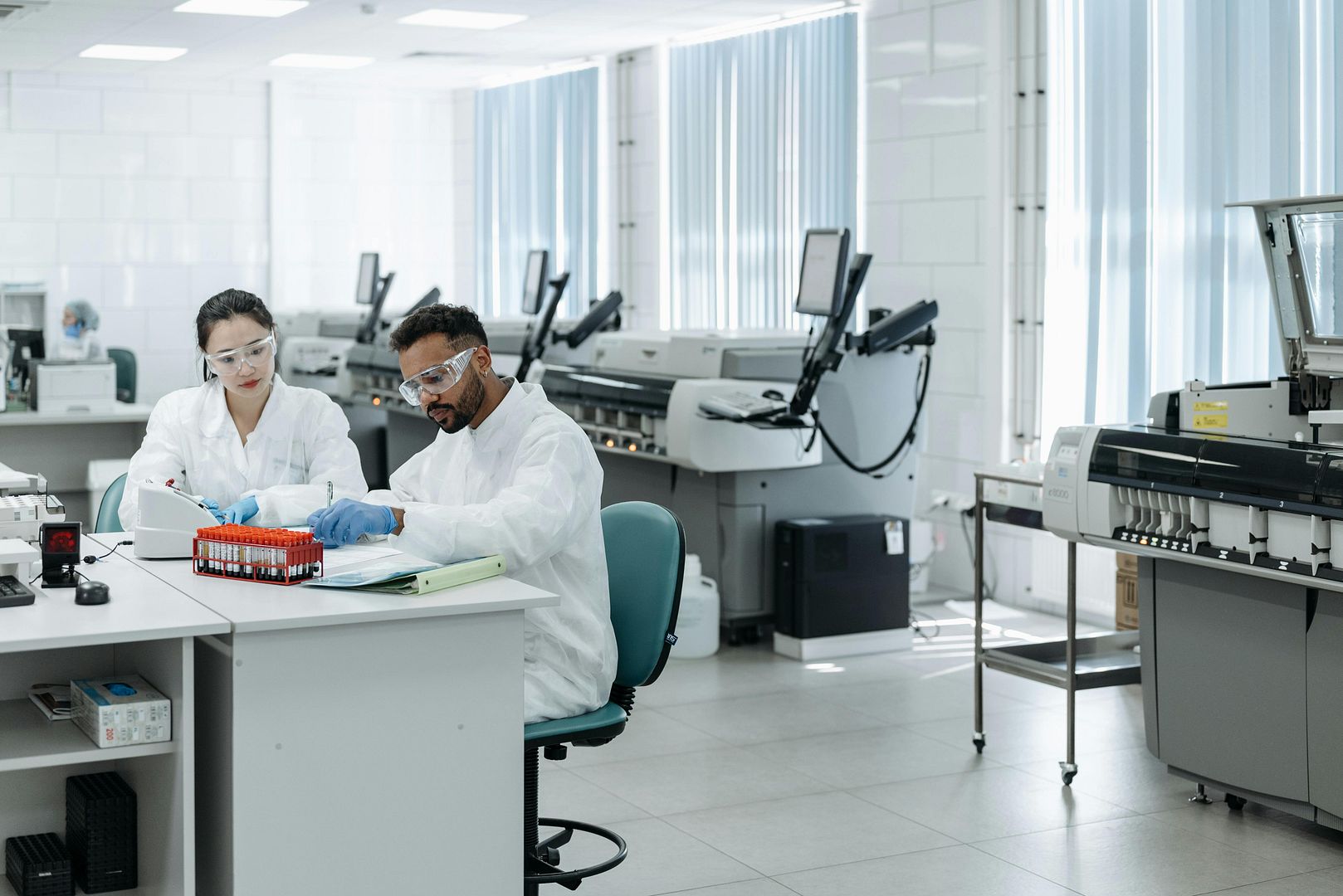
We often celebrate the heroes of science. We know the names of great researchers. We read about breakthrough drugs. We hear about Nobel prizes. But behind every discovery is a team of quiet workers. They do not have names. They do not have faces. They are machines. These machines work day and night. They never complain. They never take credit. They simply do their jobs. Without them, modern health research would stop. Let us meet some of these hidden heroes.
The Washing Machine That Saved Lives
Think about a common kitchen sponge. Now think smaller. Much smaller. That is what scientists used to clean their test plates. They scrubbed tiny wells by hand. It was slow and boring. Then came a simple device. It squirted and sucked automatically. This machine was called an ELISA plate washer. It changed everything. Suddenly labs could run hundreds of tests. They could wash plates perfectly every time. This consistency mattered for HIV testing. It mattered for pregnancy tests. It mattered for food safety. A machine that just washes things helped save millions of lives. It still works in labs today. Quiet and unnoticed.
The Freezers That Never Sleep
Deep inside research buildings are cold rooms. Minus eighty degrees cold. Rows of freezers stand like soldiers. They hold precious samples. Blood. Tissue. DNA. Viruses. These samples took years to collect. Losing them would be a disaster. So the freezers work constantly. They have backup systems. They have alarms. They have generators for power outages. Some even have liquid nitrogen backup. When hurricanes hit, these freezers keep running. When earthquakes shake, they stay cold. Scientists sleep better knowing their samples are safe. These freezers are the silent guardians of research.
The Robot Arm That Never Drops Anything
Have you seen a robot arm in action? It moves with smooth precision. It picks up tiny tubes. It moves them to another machine. It sets them down gently. This happens thousands of times a day. The robot never drops anything. It never gets tired. It never needs a coffee break. In big labs, these arms connect everything. They move samples from freezer to analyzer. They pass plates to incubators. They hand off data to computers. They are the central nervous system of the lab. Without them, scientists would walk miles each day. They would waste hours just moving things. The robot arm saves that time for real science.
The Incubators That Mimic Life
Cells are picky. They want exactly the right conditions. The right temperature. The right humidity. The right amount of carbon dioxide. Too much or too little and they die. Incubators provide this perfect home. They hold cells for weeks or months. They keep them happy and growing. New incubators even talk to other machines. They send updates to phones. They warn if something goes wrong. They open and close their own doors for robots. Inside these warm boxes, cells multiply. They produce antibodies. They grow viruses for vaccines. The incubator makes it all possible. It is a cozy home for the building blocks of medicine.
The Microscopes That See Everything
Modern microscopes are nothing like the ones in school. They are giant computers with lenses. They take pictures automatically. They scan thousands of cells per hour. They measure things too small for eyes to see. Some use special lights to spot diseases. Others watch living cells in real time. They record everything. These images help scientists understand cancer. They show how drugs affect cells. They reveal the secrets of viruses. Without these powerful eyes, research would be blind. We would miss the tiny details that matter most.
The Centrifuges That Spin Secrets
Imagine spinning a tube so fast it creates forces thousands of times stronger than gravity. That is what centrifuges do. They separate blood into layers. Red cells go to the bottom. Plasma stays on top. In between are the rare cells scientists want. These machines spin quietly behind closed lids. They balance perfectly. If unbalanced, they shake violently. Modern ones detect this and stop automatically. They save samples from destruction. From these spinning tubes come stem cells for therapy. Come platelets for transfusions. Come insights into disease. The centrifuge is simple but essential.
The Liquid Handlers That Never Miss
Pipetting seems easy. Suck up liquid. Squirt it out. Do it thousands of times. But people get bored. People make mistakes. People get hand cramps. Liquid handlers do not have these problems. They pipette with robotic precision. They can fill an entire plate in seconds. They never miss a well. They never double count. They work through the night without rest. This matters for COVID testing. It matters for cancer screening. It matters for vaccine development. Every accurate result starts with accurate pipetting. The liquid handler makes that happen.
The Barcode Readers That Track Everything
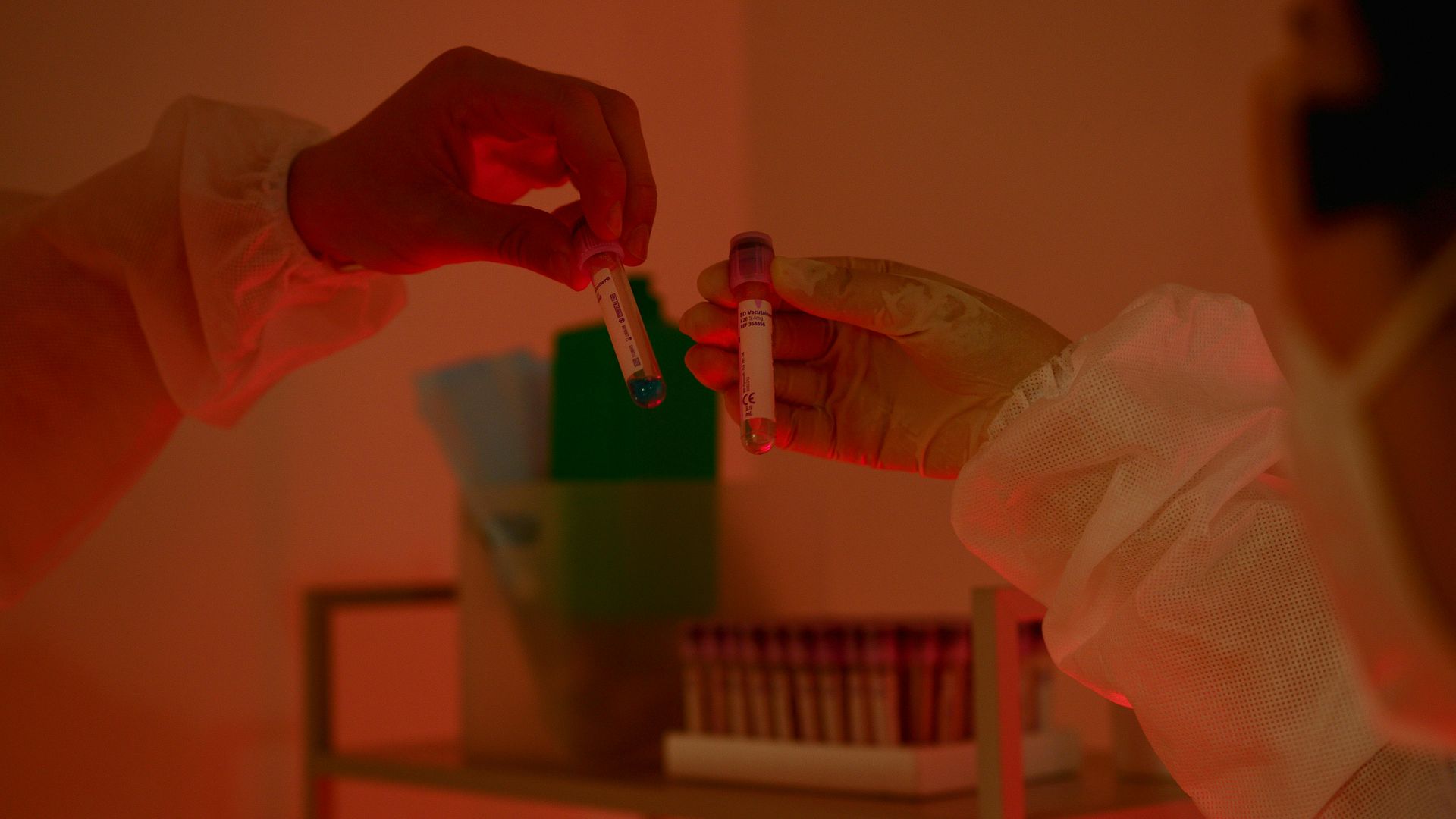
In a busy lab, samples get lost. It happens. A tube gets mislabeled. A vial goes to the wrong freezer. Chaos follows. Barcode readers prevent this chaos. They scan every sample that moves. They log its location. They track its history. A tube enters the lab. Scan. It goes to the freezer. Scan. It comes out for testing. Scan. This creates a digital trail. Scientists can find any sample instantly. They know how old it is. They know what tests it had. This tracking is vital for clinical trials. It is required for regulated work. The humble barcode reader keeps order in the chaos.
These machines work in shadows. Most people never see them. But their work touches every life. They help test our blood. They help grow our medicines. They help discover cures. Next time you get a vaccine or a test, think of the hidden machines. They worked hard to make it possible. They are the unsung heroes of global health.