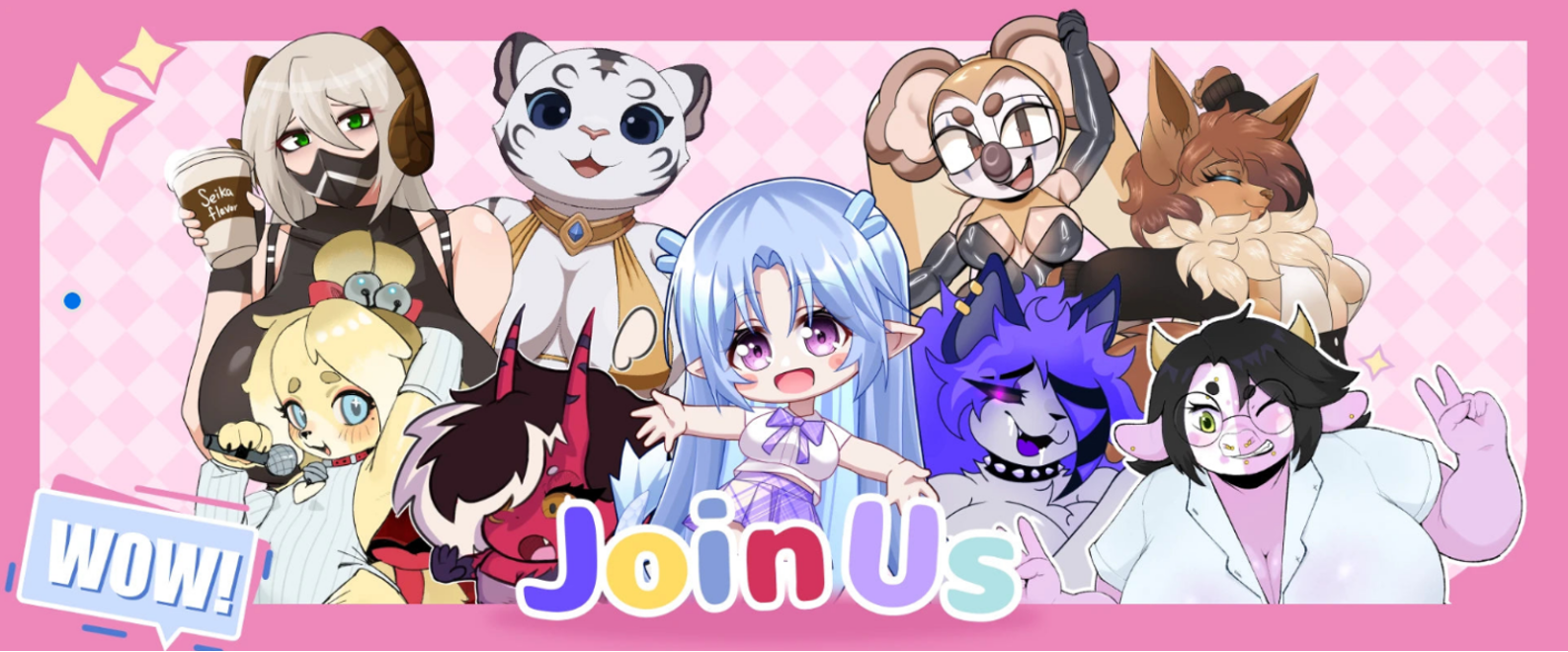
Over the route of the beyond ten years, anime has grown from a gap way of life to a global style, art, and lifestyle phenomenon. The expression of fandom that was once limited to conventions and collectibles has now entered the vocabulary of excessive-cease style, with anime-stimulated portions competing with fashion designer footwear and add-ons. From the streets of Tokyo and Seoul to the wardrobes of Los Angeles creatives and the flats of European art students, anime-stimulated products have grown to be a refined medium of self-expression.
From Fandom to Fashion Statement
The transformation of anime merchandise from collectible memorabilia to a way of life accent represents one of the maximum charming evolutions in current consumer culture.
Streetwear brands and independent designers have embraced this fashion, the use of anime as a visual language that bridges generations and geographies. It’s no longer unexpected to look at a minimalist outfit punctuated by an anime keychain connected to a tote bag, or an elegant denim jacket decorated with teeth pins inspired by Studio Ghibli or Naruto.
These diffused touches of fandom aren’t about overt display—they’re about persona. Wearing anime-inspired fashion today communicates individuality and creativity. It tells the arena that you’re attuned to a worldwide art form that blends Japanese heritage with customary emotion.
Lifestyle Design Through Anime Merchandise
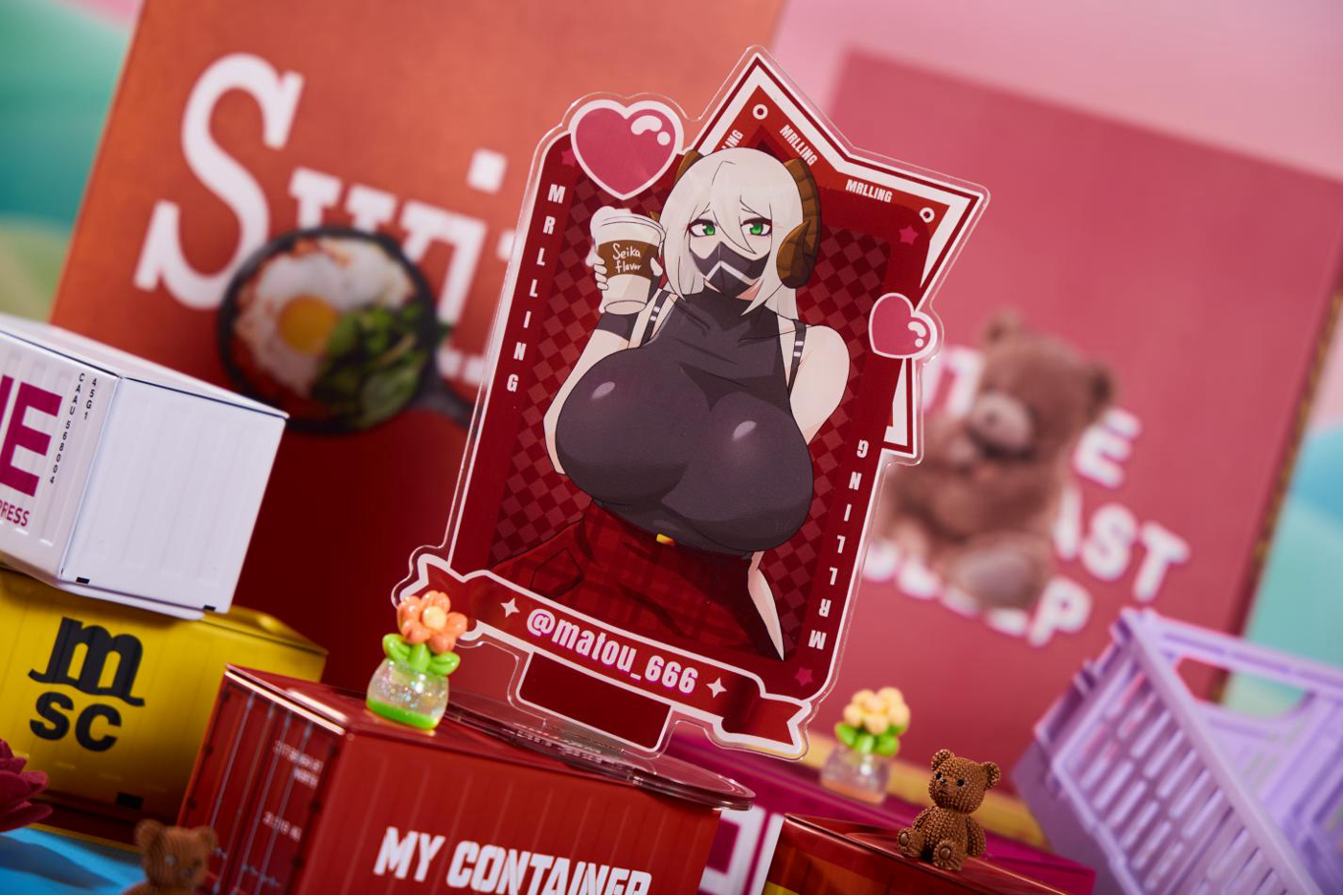
Beyond the cloth cabinet, anime has additionally found its way into indoor spaces, reworking houses and workspaces into expressions of art and lifestyle. The current fandom aesthetic is curated, deliberate, and design-ahead as opposed to cluttered with posters and plastic collectible figurines. The anime acrylic stand is one of the maximum properly-appreciated examples. It is an ornamental item, which is both playful and complicated. These stands, featuring meticulously illustrated characters, are actually a part of table setups, bookshelves, and creative studios worldwide. They introduce a touch of storytelling and nostalgia to minimalist spaces without overwhelming the decor.
In a comparable vein, adorable refrigerator magnets have revolutionized how enthusiasts interact with their kitchens and other not unusual areas. These small but expressive items have transformed into lifestyle accents, adding charm and coloration to the ordinary. The magnet, in this context, isn’t just a reminder of 1’s favorite anime; it’s a design detail that brings warmth and personality to the home.
This new relationship between anime and design culture speaks to how enthusiasts today integrate their passions seamlessly into their aesthetic identification. Whether through accessories, decor, or clothing, anime merch has turned out to be an imperative part of how people style their lives.
The Cultural Shift Behind the Trend
The mainstreaming of anime style and decor didn’t happen by accident—it displays an international cultural shift. As streaming systems expanded get right of entry to to Japanese animation, global audiences started to connect deeply with the visible artistry and emotional storytelling that define the medium.
Digital culture, in particular social media, performed an important function simultaneously. Influencers on structures like Instagram, TikTok, and Pinterest made fashion traits inspired by way of anime famous. They paired anime patches with minimalist streetwear or showcased comfortable, pastel-hued bedrooms with collectible figurines and posters arranged in an art setup style. Anime advanced into a visual language of emotion and identification for millennials and Generation Zers, in addition to a way of entertainment. The outcome? An era unafraid to wear their pastimes literally on their sleeves—or show them on their shelves.
Fashion as a Medium for Manifestation
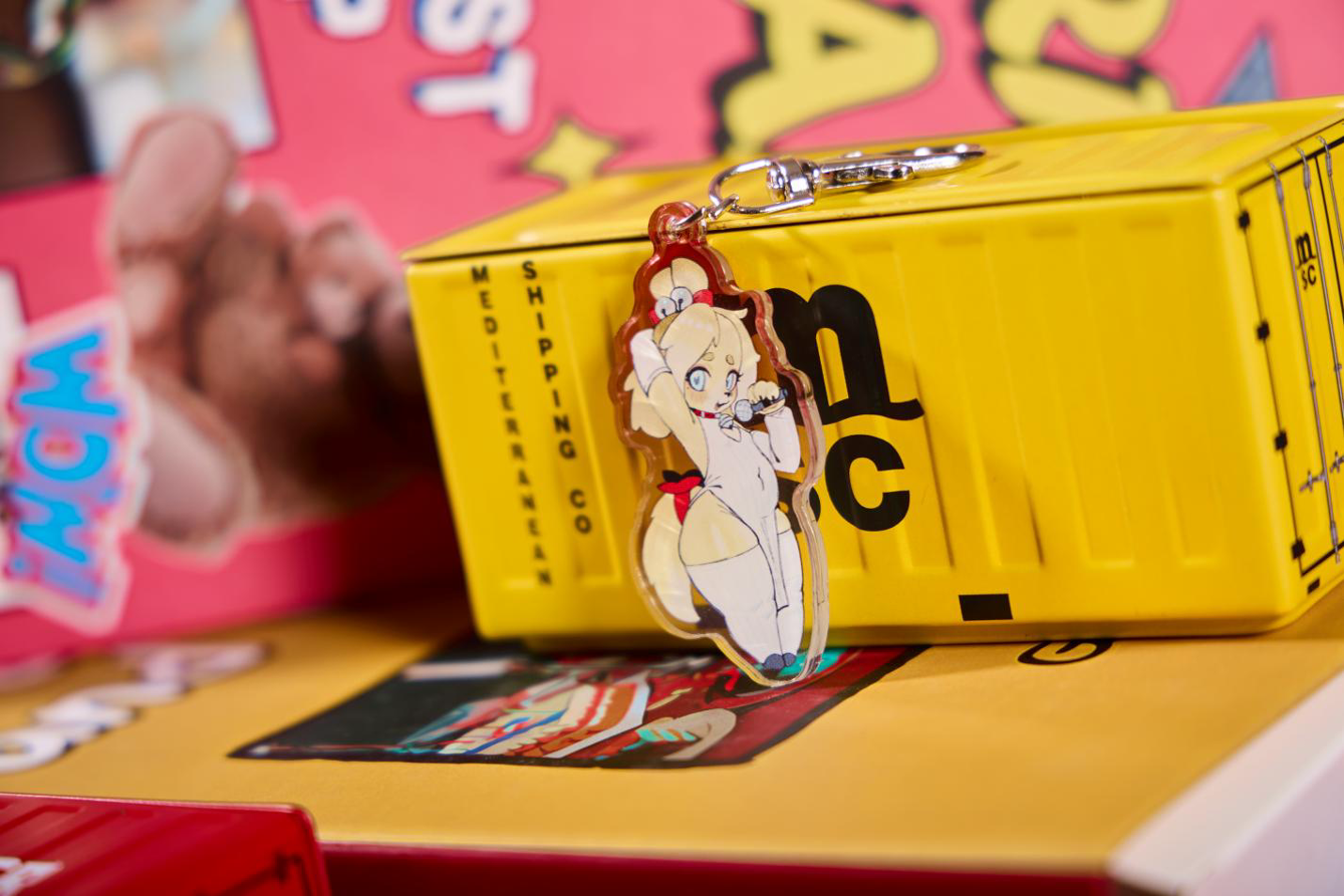
Fashion has always been a means of speaking—a manner to simultaneously carry individuality and belonging. The combination of storytelling and visual layout that anime-inspired fashion employs is what makes it so compelling. The style-ahead fan knows the balance between subtlety and assertion. For example, attaching a swish anime keychain to a structured purse or using one to accent a monochrome coat blends whimsy with sophistication. Similarly, tote luggage with minimalistic anime artwork, or shoes featuring embroidered motifs of cherished characters, create communication portions that merge art andcapability.
This form of expression blurs the road between fandom and style, positioning anime-inspired pieces within the broader narrative of present-day fashion—similar to how band tees once moved from live performance memorabilia to luxurious streetwear.
At its core, this trend is set on authenticity. It’s a declaration that non-public flavor can be both culturally resonant and aesthetically increased.
Anime Decor and the Rise of Design-Led Fandom
The aesthetic sensibility surrounding anime merchandise has notably advanced in interior layout. Instead of cluttered fan collections, nowadays’s fanatics include stability and intentionality. The result is decor that harmonizes fandom with beauty.
An anime acrylic stand displayed on a floating shelf can act as an announcement art piece—its transparency and precise detail catching the mild like a sculpture. Paired with books, plant life, or minimalist stationery, it transforms from a fandom object into part of a cohesive indoor story.
Similar to this, adorable refrigerator magnets have evolved from gimmicky keepsakes to carefully curated artifacts. Fans now blend character magnets with journey keepsakes or typographic pieces, developing colourful visual collages that inform private tales.
This diffused incorporation of fandom into domestic decor shows a brand new generation in which pop culture defines sophistication in preference to competing with it.
The Globalization of Anime Aesthetics
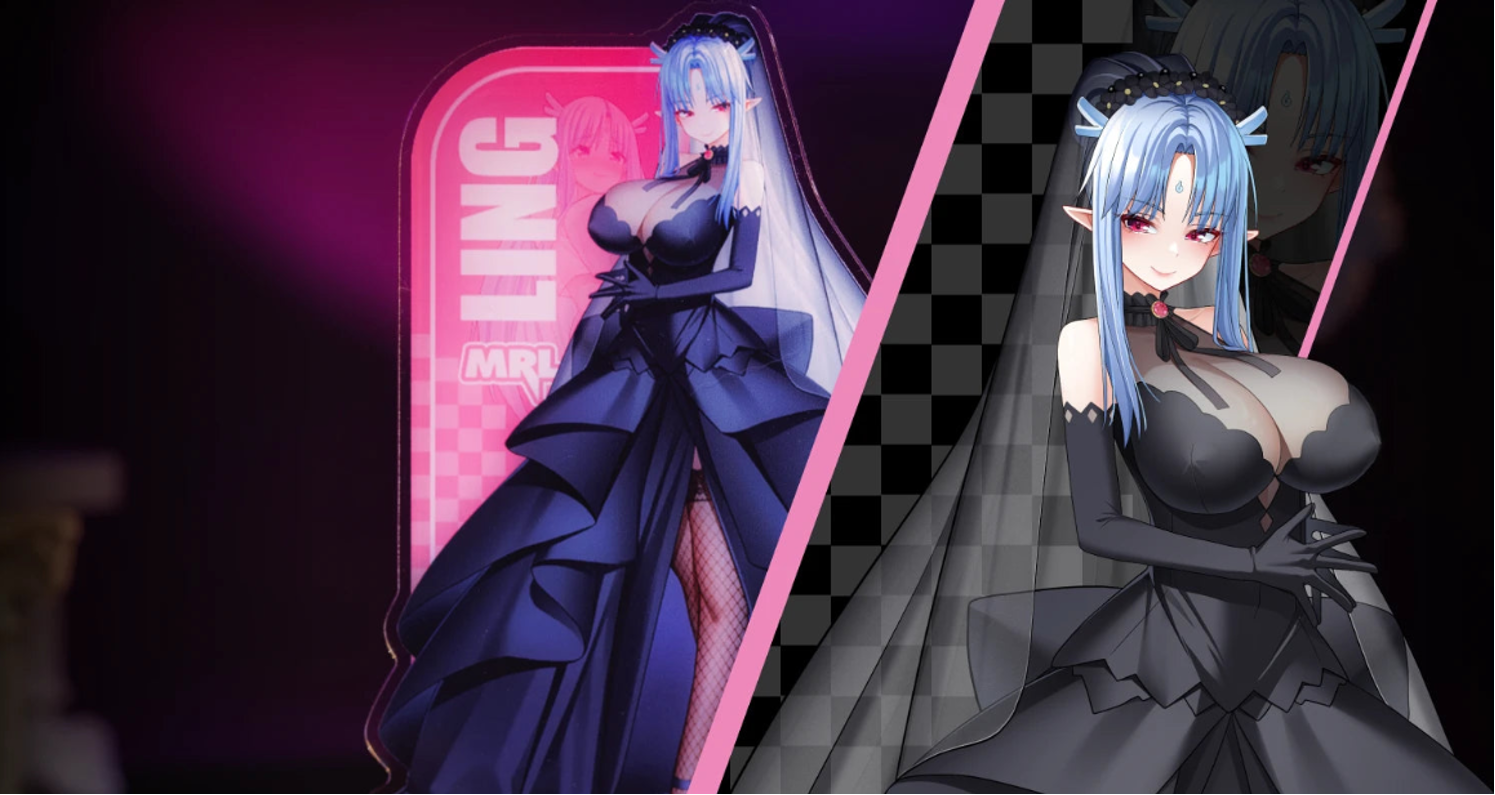
Anime’s visual language—bold colours, expressive person layout, and emotional resonance—interprets seamlessly across borders. That universality has allowed it to mix obviously into worldwide fashion and lifestyle markets.
As anime impacts grow, so too does the sophistication of anime merch. Products curated and designed via stores like Mrlling go beyond fan memorabilia to come to be collectible art. Each product, from an in-depth acrylic stand to a finely crafted keychain, contains each sentimental and stylistic fee, attractive to people who see artwork in every aspect of everyday lifestyles.
Why Anime Merch Resonates with Modern Consumers
The current customer is pushed by more than tendencies—they are seeking connection, creativity, and authenticity. Anime merchandise embodies all three.
Each object serves as a symbol of identification, linking non-public taste to broader cultural narratives. For instance, owning an anime keychain might constitute more than fandom—it may represent admiration for storytelling, design, or even a particular philosophy expressed via a character’s adventure.
Similarly, showing an anime acrylic stand can evoke emotion and suggestion—its artistry takes the viewer’s imagination inside the same manner a painting would.
Consumers these days are curating their lives like galleries, selecting items that inform stories approximately who they are and what they cost. Anime products, specifically when thoughtfully designed, fit flawlessly into that narrative.
The Intersection of Pop Culture and Art
What genuinely distinguishes this movement is its merging of popular culture and fine layout. Anime’s visual elements—its interest in line, color, and composition—are inherently inventive. The democratization of get entry to to beauty and creativity comes from remodeling that art into wearable and livable bureaucracy. Brands and creators like the ones behind mrlling.com recognize that anime-inspired items aren’t merely fandom memorabilia—they’re expressions of artistry that could enhance ordinary existence. When an acrylic stand captures the essence of a character with elegance, or a magnet transforms a kitchen surface into an artboard, anime merges seamlessly into cutting-edge aesthetics.
It’s an equal cultural phenomenon that multiplied comic e-book artwork into gallery exhibitions or transformed sneaker design into a collectible artwork form. Anime, once seen as a pop amusement, now occupies an area of cultural prestige.
The New Form of Ownership: Curated Collecting
Today’s collectors are discerning. They seek craftsmanship, authenticity, and meaning. Those requirements are met through anime merchandise that capabilities designs which are each emotionally and visually compelling. Rather than accumulating huge quantities, many fanatics are now curating smaller, significant collections—selecting portions that align with their aesthetic and emotional possibilities. This technique mirrors the values of current minimalism and sustainability: owning fewer things, but better things.
The concept of “curated fandom” reflects a larger cultural fashion. Having a connection to a show or individual is only one part of the equation; incorporating that passion right into a holistic lifestyle is just as vital.